



Updated on July 10, 2026
When you hear the word turbocharged, there’s a very good change you immediately think of speed, performance, and exciting acceleration. While that’s definitely part of the story, there is much more to a turbocharger than simply making a vehicle faster. Modern turbocharged engines are designed to improve both performance and efficiency, which is why they’ve become increasingly popular across the automotive industry.
If you have ever wondered how a turbocharger works, or whether a turbocharged engine is right for your daily Clermont commute, Toyota of Clermont is here to break it all down.
Executive Summary
- How Turbochargers Work: Learn how a turbocharger uses exhaust gases to compress incoming air, allowing the engine to produce more horsepower and torque without increasing its size.
- Performance and Efficiency Benefits: Discover why turbocharged engines offer quicker acceleration, improved towing capability, and the potential for better fuel economy compared to larger naturally aspirated engines.
- Turbocharger Comparisons: Explore the differences between turbocharged and naturally aspirated engines, as well as turbochargers vs. superchargers, to understand which technology best fits your driving needs.
- Reliability and Ownership: Find out how modern turbochargers are built for long-term reliability, what causes turbo lag, and the simple maintenance practices that help maximize engine life.
- Toyota Turbocharged Models: See how Toyota uses turbocharger technology to deliver an ideal balance of performance and efficiency across vehicles like the GR Supra and other modern Toyota models.
Turbocharged Engines Explained
Turbocharged engines have long been associated with performance vehicles like the Toyota GR Supra, but today you’ll find turbochargers in everything from sports cars to family SUVs and trucks.
A turbocharger is a device that helps an engine produce more power by forcing extra compressed air into the combustion chamber. Since engines need a mixture of air and fuel to create power, increasing the amount of air available allows the engine to burn more fuel efficiently and generate more horsepower.
This process allows manufacturers to build smaller engines than can deliver the performance of a larger engine while often maintaining better fuel economy.
The Science Behind a Turbocharger
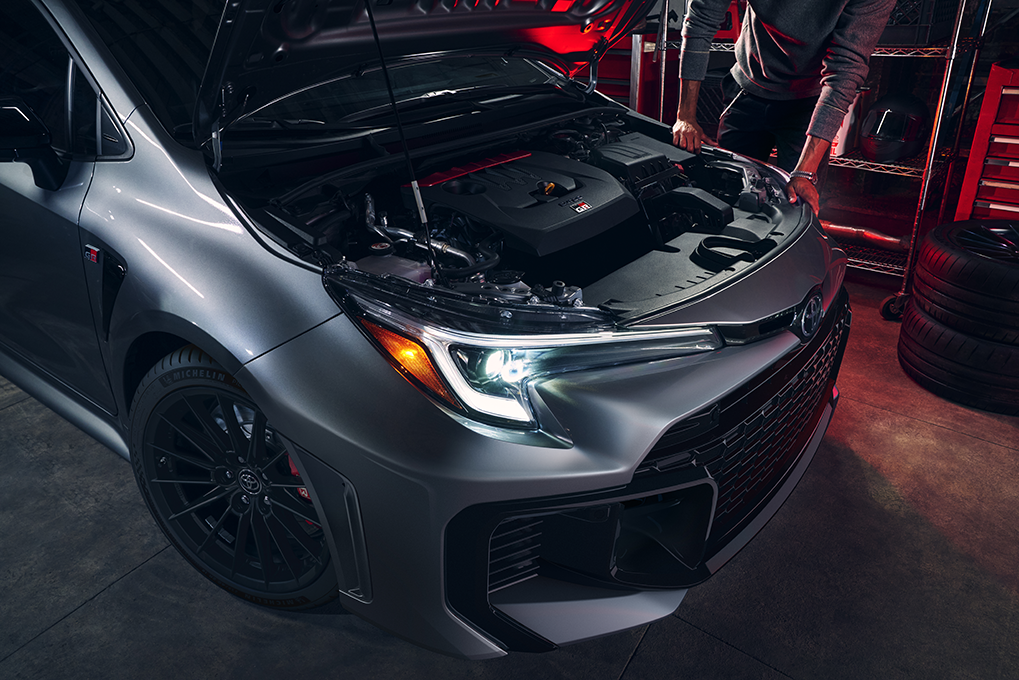
One of the most common questions Clermont drivers ask is, how does a turbocharger work? The answer starts with your vehicle’s exhaust system. When fuel burns inside the engine, exhaust gases are produced, In a naturally aspirated engine, those gases exit through the exhaust system. However, a turbocharged engine puts those gases to work. Here’s a breakdown of how a turbocharger works:
- The engine produces exhaust gases during combustion
- Those exhaust gases spin a turbine inside the turbocharger
- The turbine is connected to a compressor wheel
- The compressor pulls in outside air and compresses it
- The compressed air is forced into the engine’s combustion chambers
- More air allows more fuel to burn, creating additional power
Essentially, the turbocharger recycles energy that would otherwise be wasted through the exhaust system.
Why Do So Many Vehicles Use Turbochargers?
Turbochargers has become increasingly popular because they help manufacturers achieve two main goals:
Improved Performance
The biggest benefit of a turbocharger is increased power. By forcing more air into the engine, the vehicles can produce significantly more horsepower and torque than a similarly sized naturally aspirated engine. This often results in:
- Faster acceleration
- Improved passing power
- Better towing capability
- Stronger overall performance
Better Fuel Efficiency
While many Clermont drivers focus on the performance aspect, turbochargers can also improve fuel economy. A smaller turbocharged engine often uses less fuel during everyday driving than a larger naturally aspirated engine because it doesn’t need as much displacement to create similar power levels. This concept is commonly referred to as “engine downsizing.”
Turbocharged Engines vs. Naturally Aspirated Engines: What’s the Difference?
To better understand the advantages of a turbocharger, it helps to compare it to a naturally aspirated engine.
Naturally Aspirated Engines
A naturally aspirated engine relies solely on atmospheric pressure to bring air into the combustion chambers. There are no devices compressing the incoming air. Benefits include:
- Simpler design
- Predictable power delivery
- Potentially lower maintenance costs over time
Turbocharged Engines
A turbocharged engine actively compresses incoming air using exhaust driven turbines. Benefits include:
- More power from a smaller engine
- Better torque at lower RPMs
- Potential fuel-efficiency gains
- Improved high-altitude performance
Both engine types have their advantages, however turbocharged powertrains have become increasingly popular because they offer a strong balance between performance and efficiency.
Turbocharger vs. Supercharger: What’s the Difference?
Many Clermont drivers confuse turbochargers and superchargers because both are forms of forced induction. Historically, the term “supercharger” refers to any device that compresses air before it enters the engine. Today, turbochargers and superchargers are considered separate technologies.
Turbocharger
A turbocharger is powered by engine exhaust gases.
Advantages:
- Uses otherwise wasted energy
- Generally more fuel efficient
- Produces significant power gains
Disadvantages:
- Can experience turbo lag
- More complex plumbing and cooling systems
Supercharger
A supercharger is mechanically driven by the engine, usually through a belt connected to the crankshaft.
Advantages:
- Instant power delivery
- No noticeable lag
Disadvantages:
- Consumes engine power to operate
- Can reduce fuel efficiency
- Creates additional heat
Twincharging
Some specialty vehicles use both a turbocharger and a supercharger. This setup is known as twincharging and is designed to maximize power throughout the RPM range.
Understanding Turbo Lag
One of the biggest criticisms of turbocharged engines has traditionally been turbo lag. Turbo lag is the slight delay between pressing the accelerator pedal and the turbocharger producing its full boost.
So why does this happen?
Since a turbocharger relies on exhaust gases to spin its turbine, it takes a brief moment for enough exhaust pressure to build and generate maximum boost. Fortunately, modern turbocharger technology has greatly reduced this issue through:
- Smaller, faster-spooling turbos
- Variable geometry turbochargers
- Twin-scroll turbo designs
- Advanced engine management systems
Many Clermont drivers barely notice turbo lag in today’s vehicles.
Are Turbocharged Engines Built to Last?
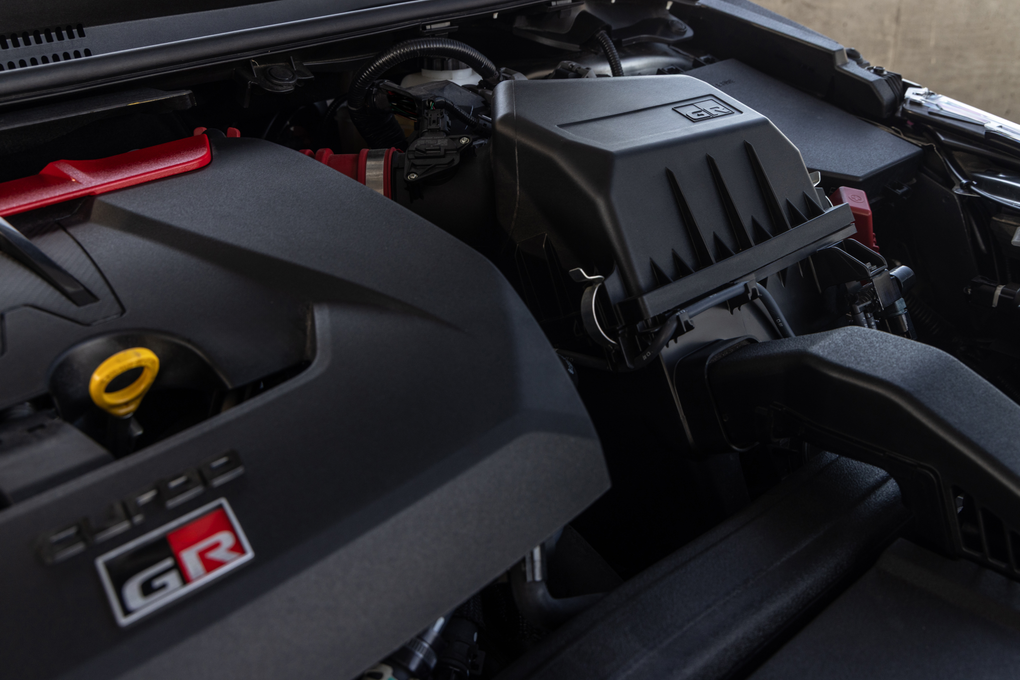
A common concern amongst Clermont shoppers is whether turbocharged engines are reliable. The good news is that modern turbochargers are engineered to last for many years when properly maintained. To help maximize turbocharger lifespan:
- Follow recommended oil change intervals
- Use the manufacturer-recommended oil grade
- Allow the engine to warm up before aggressive driving
- Keep up with routine maintenance
- Address check engine lights promptly
Many turbocharged engines now regularly exceed 150,000 miles or more with proper maintenance and care.
Benefits of a Turbocharged Engine
If you’re considering a vehicle equipped with a turbocharger, here are some benefits you may notice behind the wheel:
Stronger Acceleration
Turbocharged engines often provide more low-end torque, making them feel responsive during city drives around Clermont and highway merging.
Better Towing Capability
Extra torque can be especially helpful when hauling cargo or towing trailers.
Improved High-Altitude Performance
Naturally aspirated engines lose power at higher elevations due to thinner air. Since turbochargers compress incoming air, it helps maintain performance in mountainous regions.
Potential Fuel Savings
Many turbocharged engines can deliver impressive fuel economy when driven conservatively.
Toyota’s Turbocharger Performance
Toyota enthusiasts often associate turbocharger performance with vehicles like the Toyota GR Supra. The current GR Supra utilizes a turbocharged inline-six engine that delivers impressive horsepower, quick acceleration, and engaging driving dynamics.
However, turbocharging isn’t limited to sports cars. Across the automotive industry, turbocharged engines have become a key technology for balancing efficiency, emissions requirements, and performance expectations.

Explore Turbocharged Toyota Models at Toyota of Clermont!
Now that you know how does a turbocharger work, it’s easy to see why this technology has become so popular. A modern turbocharger helps deliver the best of both worlds: stronger performance and improved efficiency.
Whether you’re interested in learning more about performance vehicles like the Toyota GR Supra or simply want expert advice about engine technology, come visit us in person at 16851 State Road 50 or give us a call at (352) 404-7000.
FAQs
1. Does a turbocharger make a car faster?
Yes, a turbocharger can make a car faster by forcing more compressed air into the engine, allowing it to burn more fuel and produce more horsepower and torque. This often results in quicker acceleration, stronger passing power, and improved overall performance compared to a similar naturally aspirated engine.
2. How does a turbocharger work differently from a supercharger?
The biggest difference is how they’re powered. A turbocharger uses exhaust gases to spin a turbine that compresses incoming air, while a supercharger is driven directly by the engine through a belt. Turbochargers are generally more fuel-efficient because they use otherwise wasted exhaust energy, while superchargers deliver instant power but place an additional load on the engine.
3. Do turbocharged engines require special maintenance?
Turbocharged engines don’t require extensive special maintenance, but they do benefit from consistent care. Following the manufacturer’s recommended oil change intervals, using the correct oil grade, and keeping up with routine maintenance can help extend the life of both the turbocharger and the engine.
Connect with us


- October 2026
- September 2026
- August 2026
- July 2026
- June 2026
- May 2026
- April 2026
- March 2026
- February 2026
- January 2026
- December 2025
- November 2025
- October 2025
- September 2025
- August 2025
- July 2025
- June 2025
- May 2025
- April 2025
- March 2025
- February 2025
- January 2025
- December 2024
- November 2024
- October 2024
- September 2024
- August 2024
- July 2024
- June 2024
- May 2024
- April 2024
- March 2024
- February 2024
- January 2024
- December 2023
- November 2023
- October 2023
- September 2023
- August 2023
- July 2023
- June 2023
- May 2023
- April 2023
- March 2023
- February 2023
- January 2023
- December 2022
- November 2022
- October 2022
- September 2022
- August 2022
- July 2022
- June 2022
- May 2022
- April 2022
- March 2022
- February 2022
- January 2022
- December 2021
- November 2021
- October 2021
- September 2021
- August 2021
- July 2021
- June 2021
- May 2021
- April 2021
- March 2021
- February 2021
- January 2021
- December 2020
- November 2020
- October 2020
- September 2020
- August 2020
- July 2020
- June 2020
- May 2020
- April 2020
- March 2020
- February 2020
- January 2020
- December 2019
- November 2019
- October 2019
- September 2019
- August 2019
- July 2019
- June 2019
- May 2019
- April 2019
- March 2019
- February 2019
- January 2019
- December 2018
- November 2018
- October 2018
- September 2018
- August 2018
- July 2018
- June 2018
- May 2018
- April 2018
- March 2018
- February 2018
- January 2018
- December 2017
- November 2017
- October 2017