


Updated on July 3, 2026
If you’re constantly staying on top of your car’s health, then you know how important oil changes are for its overall well being. Oil changes are one of the most frequent auto services you’ll schedule for your vehicles. However, even if you get an oil change schedule with Toyota of Clermont and stick to a routine, it’s still very crucial to pay attention to what’s happening in between your appointments.
By checking up on your engine oil regularly and pulling out the dipstick, you can learn a lot about your car’s health. One of the easiest clues to spot is your engine oil color. While color alone won’t tell you the whole story, it can provide valuable insight into your engine’s condition and whether or not it’s time to come in for service at Toyota of Clermont.
Executive Summary
- Engine Oil Color Can Reveal Engine Health: Learn what different engine oil colors mean and how they can help identify potential maintenance needs or early signs of engine problems.
- Know What Each Oil Color Indicates: Discover the difference between healthy amber oil, dark or black oil, milky oil caused by coolant contamination, and frothy oil that may signal water intrusion.
- Watch for Other Warning Signs: Engine noise, reduced fuel economy, burning oil smells, exhaust smoke, and dashboard warning lights can all indicate it’s time for an oil change or inspection.
- Regular Oil Checks Help Prevent Costly Repairs: Checking your engine oil level and color once a month or before long Clermont road trips can help catch issues early and keep your engine running smoothly.
- Follow Your Recommended Oil Change Schedule: While oil color is a helpful indicator, always follow your vehicle’s maintenance schedule and consult the Toyota of Clermont service team for expert care.
How to Read Your Engine Oil Color
Engine oil has one of the toughest jobs in your vehicle. It lubricates moving engine components, helps regulate temperature, reduces friction, and captures dirt and contaminants. As time passes, heat and debris naturally change the appearance of your engine oil color. Understanding what different engine oil color changes mean can help you identify potential problems before they become expensive repairs.

#1: Caramel, Amber or Tan Engine Oil Color
Caramel, Amber or Tan engine oil means you’re in good shape. This is the engine oil color you want to see when you pull out the dipstick. Fresh motor oil typically starts out as a clear amber, caramel, or honey like color. As long as the oil level falls between the two marks on the dipstick, your vehicle is likely operating normally.
Different oil brands and formulations may vary slightly in appearance, but a clean amber engine oil color is a sign that your oil is still doing its job effectively. It’s still important to follow your manufacturer’s recommended oil change intervals, even if the engine oil color is healthy. Modern synthetic oils can last much longer than conventional oils, but they eventually break down over time.
#2 Dark Brown or Black Engine Oil Color
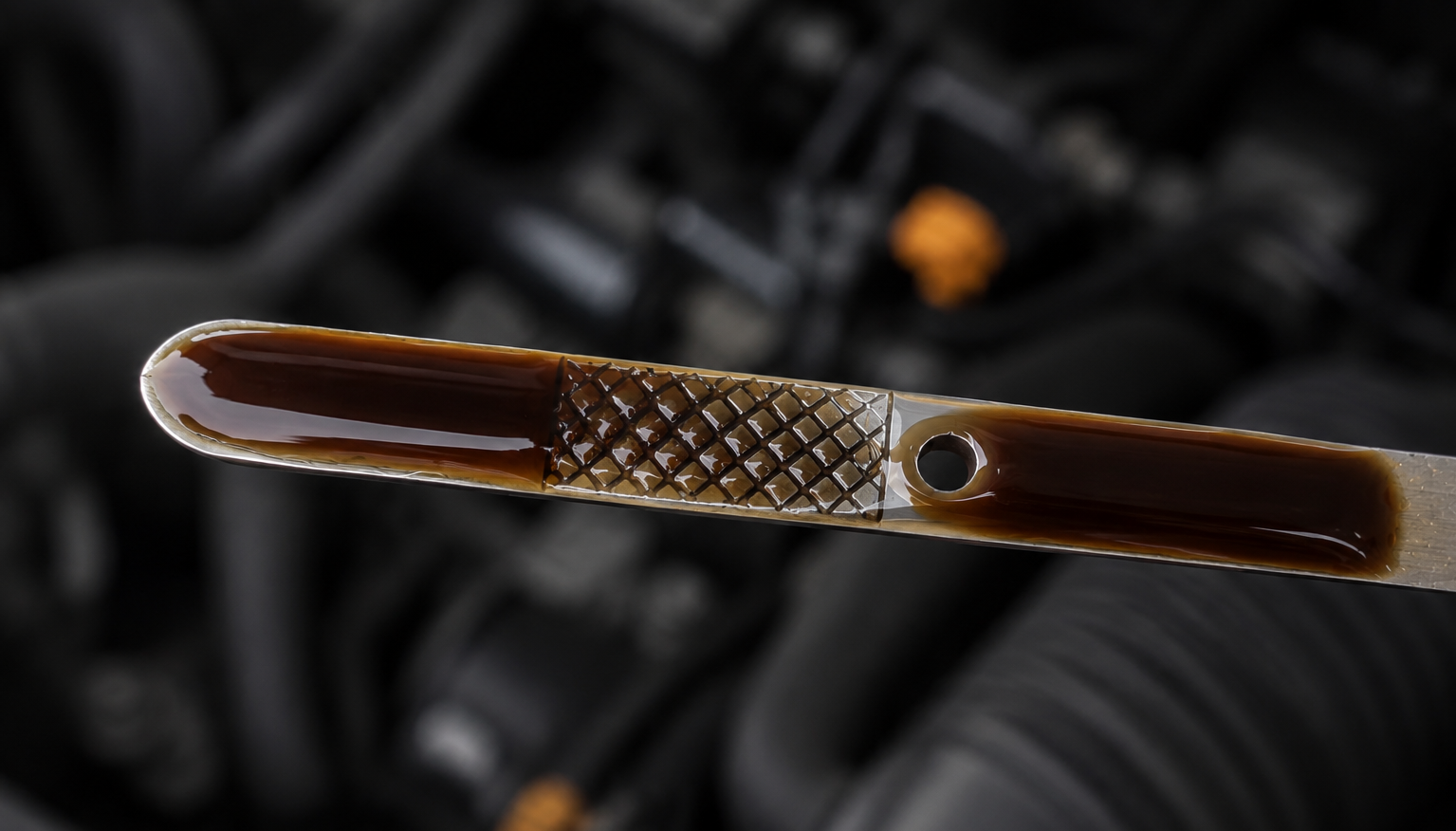
If your engine oil color looks dark brown or black, it might be time for an oil change. Many Clermont drivers panic when they see dark oil, but darker oil isn’t always bad. In fact, oil naturally darkens as it circulates through your engine and collects contaminants. However, if your engine oil color is very dark and appears gritty, thick, or dirty, it could indicate that the oil is overdue for a replacement. Some signs that accompany dirty oil include:
- Increased engine noise
- Reduced fuel efficiency
- Rough engine performance
- Oil warning lights
- Burnt oil smell
Running dirty oil through your engine can increase the wear on critical components. If your engine oil color appears extremely dark or contains visible debris, it’s a good idea to schedule service at Toyota of Clermont.
#3 Creamy or Milky Engine Oil Color
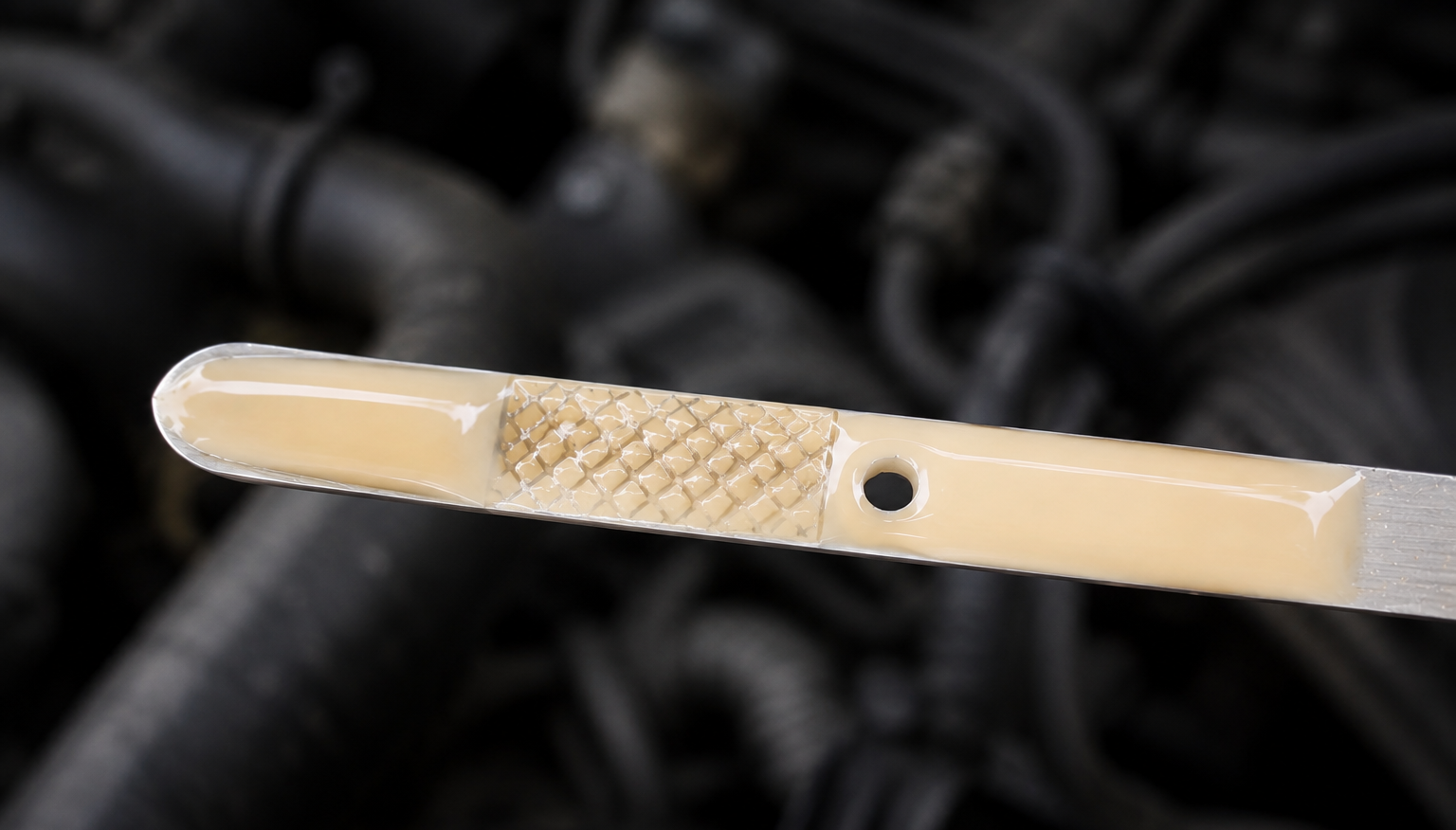
If your engine oil color is creamy or milky, there’s probably moisture mixing with the oil. A creamy, tan, or milkshake like engine oil color is never something you want to see. This often means coolant is leaking into the engine oil system.
One of the most common causes of this creamy or milky engine oil color is a failing head gasket. The head gasket seals the engine block and cylinder head, which prevents coolant and oil from mixing. When it begins to fail, coolant can enter the oil passages, creating a milky appearance. Other symptoms may include:
- White smoke from the exhaust
- Overheating
- Rapid coolant loss
- Sweet smell from the exhaust
- Poor engine performance
Since coolant contaminations can cause severe engine damage, you should schedule service immediately if you notice this type of engine oil color.
#4 Milky and Frothy Engine Oil Color
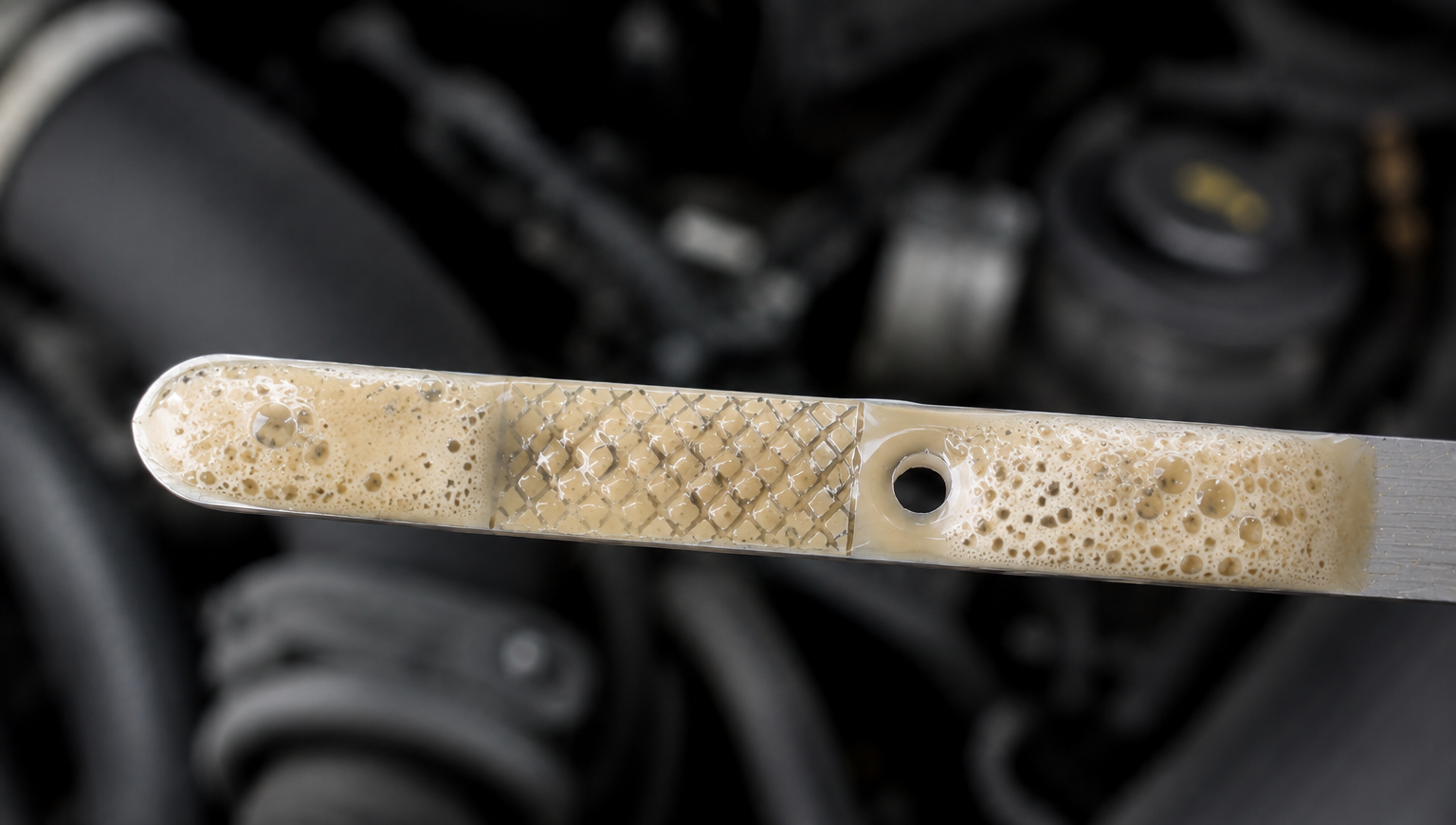
If you see a milky and frothy engine oil color, then water contamination may be present. Texture matters just as much as color. If your motor oil looks creamy and also has a frothy or foamy consistency, moisture has likely entered your vehicle’s lubrication system.
In some cases, short trips around Clermont don’t allow the engine to fully warm up and can create condensation inside the engine. However, excessive foaming and forth can indicate a larger issue that requires professional diagnosis. Potential causes include:
- Water contamination
- Coolant leaks
- Condensation buildup
- Faulty engine seals
Ignoring contaminated motor oil can lead to corrosion, poor lubrication, and premature engine wear. When in doubt, have your vehicle inspected by a certified technician.
Why You Should Monitor Your Engine Oil Color
Checking your engine oil color only takes a few minutes and can provide an early warning for developing problems. Ideally, you should inspect your engine oil color:
- Once a month
- Before long road trips
- After noticing unusual engine performance
- If dashboard warning lights appear
To check you engine oil color properly:
- Park on level ground
- Turn the engine off and allow it to cool for several minutes
- Remove the dipstick and wipe it clean
- Reinsert the dipstick fully
- Pull it out again and inspect both the oil level and engine oil color
While color can provide useful clues, it shouldn’t be the only factor you use to determine when an oil change is needed. Mileage, driving conditions, vehicle age, and manufacturer recommendations all play important roles.

Other Signs It’s Time for an Oil Change
Even if your engine oil color doesn’t look concerning, watch out for these additional indicators:
Oil Change Reminder Light
- Modern vehicles monitor oil life and will alert you whenever service is approaching
Increased Engine Noise
- Oil lubricates moving parts. When it breaks down, you may start to notice ticking, knocking, or increased engine noise
Reduced Fuel Economy
- Dirty oil forces the engine to work harder, which might negatively affect gas mileage
Burning Oil Smell
- An unusual oil odor may indicate leaks or overheating
Excessive Exhaust Smoke
- Visible smoke from the exhaust can point to oil consumption or internal engine issues
When Is It Time for an Oil Change?
When it comes to changing your engine oil, intervals can vary based on vehicle and oil type. Many modern Toyota models using synthetic oil can go anywhere from 7.500 and 10,000 miles between oil changes under normal driving conditions. However, vehicles driven in severe conditions, such as heavy traffic, towing, frequent short trips around Clermont, or extreme temperatures, may require more frequent service. The best source for your vehicle’s specific maintenance schedule is your owners manual or the service experts at Toyota of Clermont.

Schedule Your Next Oil Change at Toyota of Clermont!
Need help decoding your engine oil color? Whether your engine oil looks darker than normal, appears milky, or you’re simply due for routine maintenance, the Toyota of Clermont service team is here to help. Call us today at (352) 404 7000 or visit us in person at 16851 State Road 50, just west of the Florida Turnpike.
FAQs
-
What is the normal engine oil color?
Fresh engine oil is typically a clear amber, caramel, or honey-like color. As it circulates through the engine, it naturally darkens while collecting dirt and contaminants. As long as the oil level is correct and the oil isn’t gritty, milky, or excessively thick, a gradual color change is usually normal.
-
Does black engine oil always mean I need an oil change?
No. Engine oil naturally becomes darker over time as it cleans and protects your engine. However, if the oil appears very thick, gritty, or pitch black and your vehicle is due for maintenance, it’s a good idea to schedule an oil change at Toyota of Clermont. Always follow your vehicle’s recommended service intervals rather than relying on color alone.
-
Why does my engine oil look milky?
Milky or creamy engine oil usually means moisture or coolant has mixed with the oil. This is commonly caused by a failing head gasket, but it can also result from condensation or other cooling system issues. Because contaminated oil can lead to serious engine damage, you should have your vehicle inspected by a certified Toyota of Clermont technician as soon as possible.
Connect with us


- August 2026
- July 2026
- June 2026
- May 2026
- April 2026
- March 2026
- February 2026
- January 2026
- December 2025
- November 2025
- October 2025
- September 2025
- August 2025
- July 2025
- June 2025
- May 2025
- April 2025
- March 2025
- February 2025
- January 2025
- December 2024
- November 2024
- October 2024
- September 2024
- August 2024
- July 2024
- June 2024
- May 2024
- April 2024
- March 2024
- February 2024
- January 2024
- December 2023
- November 2023
- October 2023
- September 2023
- August 2023
- July 2023
- June 2023
- May 2023
- April 2023
- March 2023
- February 2023
- January 2023
- December 2022
- November 2022
- October 2022
- September 2022
- August 2022
- July 2022
- June 2022
- May 2022
- April 2022
- March 2022
- February 2022
- January 2022
- December 2021
- November 2021
- October 2021
- September 2021
- August 2021
- July 2021
- June 2021
- May 2021
- April 2021
- March 2021
- February 2021
- January 2021
- December 2020
- November 2020
- October 2020
- September 2020
- August 2020
- July 2020
- June 2020
- May 2020
- April 2020
- March 2020
- February 2020
- January 2020
- December 2019
- November 2019
- October 2019
- September 2019
- August 2019
- July 2019
- June 2019
- May 2019
- April 2019
- March 2019
- February 2019
- January 2019
- December 2018
- November 2018
- October 2018
- September 2018
- August 2018
- July 2018
- June 2018
- May 2018
- April 2018
- March 2018
- February 2018
- January 2018
- December 2017
- November 2017
- October 2017