


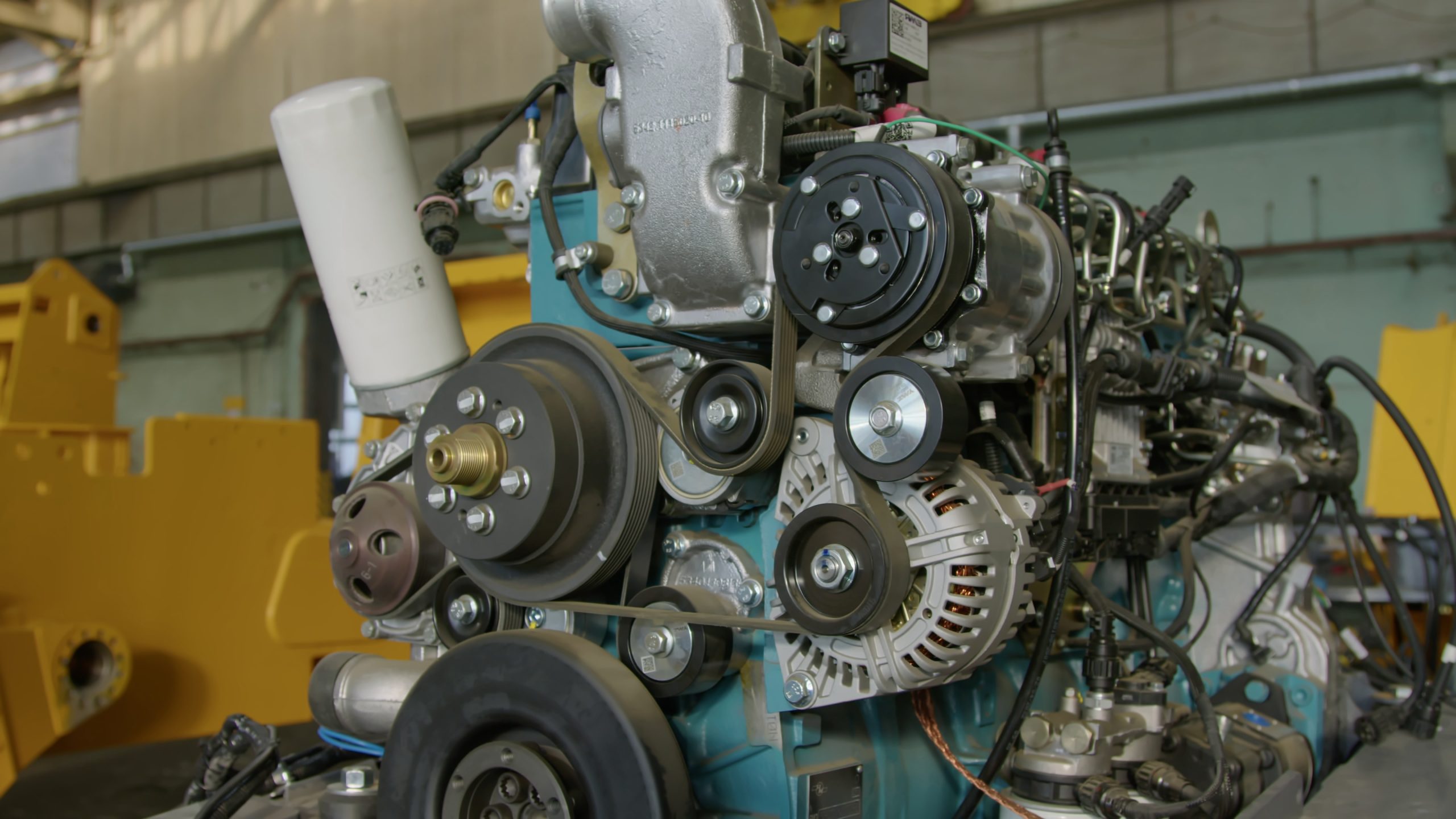
When it comes to vehicle maintenance, most Clermont drivers know about oil changes, tire rotations, and brake service. But what about car belts? Car belts play a critical role in keeping your engine and many of its essential systems running properly. While they may not get much attention, a worn or damaged car belt can leave you stranded on the side of the road, or even lead to costly repairs.
At Toyota of Clermont, we believe every Clermont driver should have a basic understanding of the parts that keep their vehicle moving. Here’s a beginner friendly guide to the different car belts you may find under the hood, what they do, how to spot signs of wear, and when it’s time to have them inspected.
Executive Summary
- Car belts keep your vehicle running smoothly: Car belts such as the serpentine belt and timing belt play essential roles in powering key engine components and maintaining proper engine performance.
- Different belts serve different purposes: The serpentine belt powers accessories like the alternator, air conditioning compressor, and power steering pump, while the timing belt keeps your engine’s internal components synchronized.
- Recognize the warning signs of belt wear: Squealing noises, cracks, fraying, dashboard warning lights, engine overheating, and steering issues can all indicate it’s time for a professional inspection.
- Routine inspections help prevent costly repairs: Replacing worn car belts before they fail can reduce the risk of breakdowns and expensive engine damage, especially in Florida’s hot climate.
- Toyota of Clermont can help keep your vehicle reliable: Our factory-trained technicians can inspect your car belts during routine maintenance and recommend replacements when necessary to help keep your Toyota running its best.
An Introduction to Car Belts
Car belts are reinforced rubber belts designed to transfer power from your engine to other important components. As your engine runs, these belts spin pulleys that power various systems, helping everything operate smoothly.
Modern engine belts are built to withstand heat, friction, and thousands of miles of driving, but they won’t last forever. As time passes, they can crack, stretch, wear down, or become damaged by the Clermont heat and age. Depending on your vehicle, you may have one or more of the following:
- Serpentine belt
- Timing belt (or a timing chain on many newer Toyota models)
- Drive belt
- Alternator belt
Although some of these names are used interchangeably, each serves a different purpose.
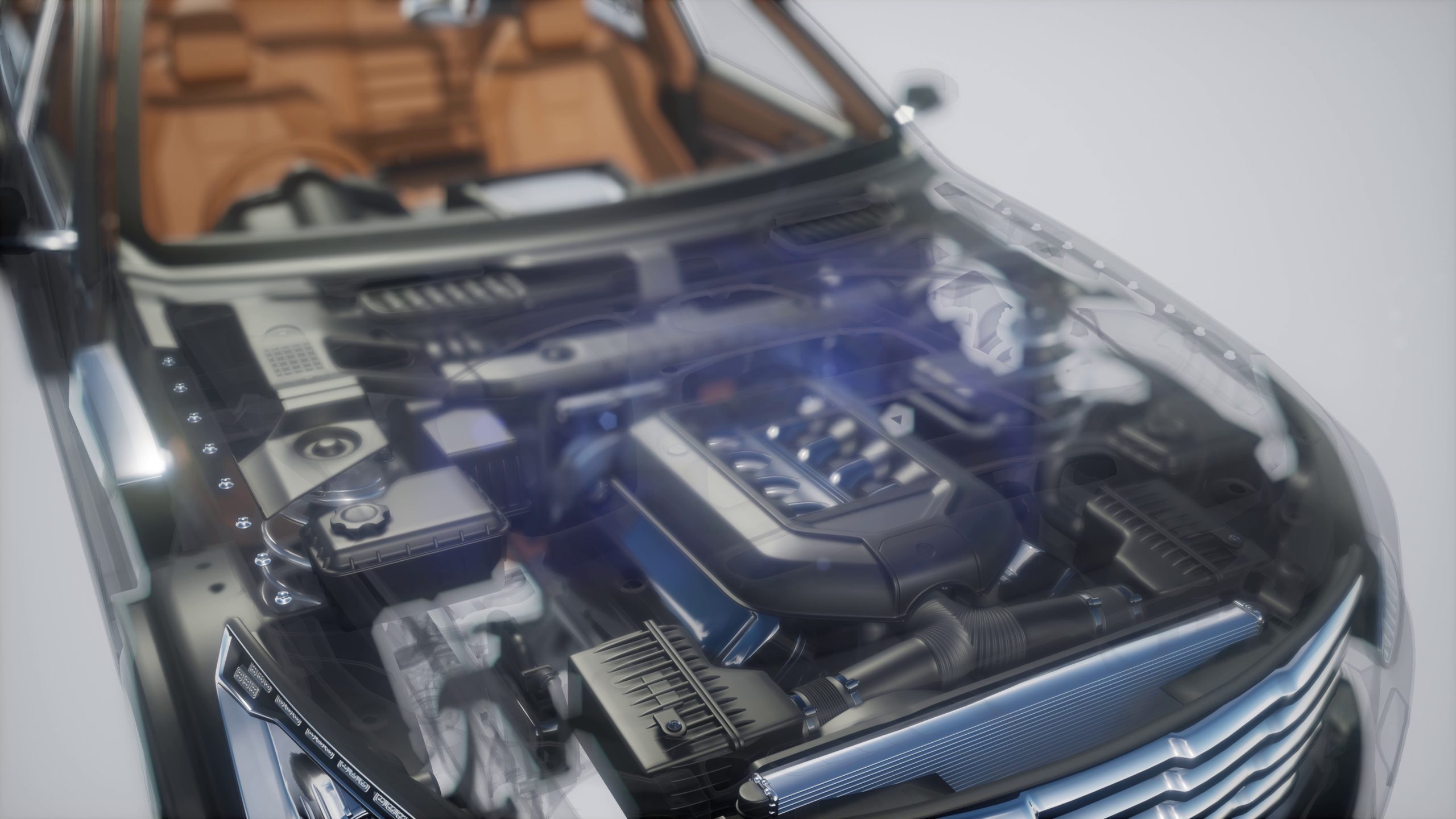
The Serpentine Belt: Powering Your Vehicle’s Essential Systems
The serpentine belt is one of the most important car belts in modern vehicles. Unlike older vehicles that used separate belts, today’s cars often use a single serpentine belt to power multiple engine accessories. Your serpentine belt may power:
- The alternator
- The air conditioning compressor
- The power steering pump (when equipped)
- The water pump on some vehicles
It’s called a serpentine belt because it snakes around several pulleys throughout the engine compartment.
If your serpentine belt breaks while you’re driving, you’ll most likely notice problems almost immediately. Your battery may stop charging because the alternator is no longer operating. Your steering could become much more difficult if your vehicle uses hydraulic power steering, and your engine could overheat if the water pump is belt-driven.
Most serpentine belts last between 60,000 and 100,000 miles, but regular inspections are the best way to determine their condition.
Understanding the Time Belt
While the serpentine belt powers accessories outside the engine, the timing belt has an entirely different job. A timing belt keeps the crankshaft and camshaft synchronized so your engine’s valves open and close at exactly the right time. This precise timing is critical for proper engine performance.
Unlike the serpentine belt, the timing belt can be found inside the engine behind protective covers, making it impossible to inspect during a quick glance under the hood. If a timing belt fails, the consequences can be serious. On many occasions, a broken timing belt can allow internal engine components to collide, potentially causing expensive engine damage.
It’s worth noting that many newer Toyota models use a timing chain instead of a timing belt. Timing chains are generally designed to last much longer and often require less routine maintenance. Your owner’s manual or a Toyota service specialist can tell you whether your vehicle has a timing belt or timing chain.
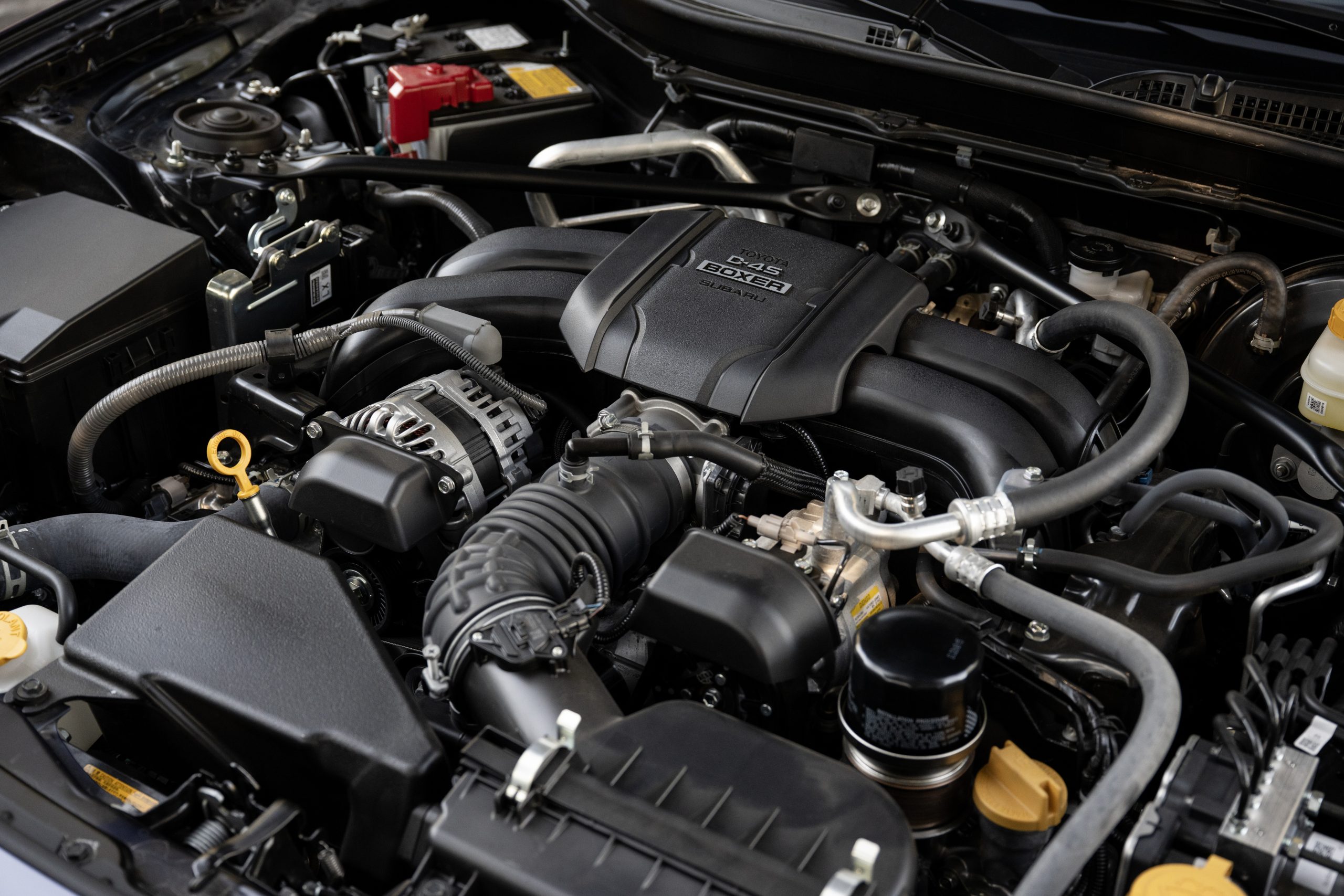
What’s the Difference Between a Drive Belt and an Alternator Belt?
If you’ve heard someone mention a drive belt or alternator belt, don’t be confused. The term drive belt is often another name for the serpentine belt because it drives several engine accessories. Similarly, the term alternator belt comes from older vehicles that used a dedicated belt to power only the alternator. Today, most vehicles, including many Toyotas, use a single serpentine belt to power the alternator along with several other components.
Although these names are still commonly used, they often refer to the same belt on modern vehicles.
How to Tell If Your Car Belts Need Attention
Since car belts wear gradually over time, it’s important to recognize the warning signs before one fails completely. Common symptoms of worn car belts include:
- Squealing or chirping noises from the engine
- Visible cracks or fraying
- Missing ribs on the belt
- A shiny or glazed appearance
- Dashboard battery warning light
- Air conditioning that suddenly stops working
- Difficulty steering (on vehicles with hydraulic power steering)
- Engine overheating
Many of these symptoms don’t necessarily mean that the belt itself has failed. Sometimes the problem lies with a belt tensioner or pulley. That’s why it’s important to have your vehicle professionally inspected if you come across any unusual noises or warning signs.
How Long Do Car Belts Last?
There isn’t a single replacement schedule that applies to every vehicle. A serpentine belt should be inspected during routine maintenance and replaced whenever it shows signs of excessive wear and tear or it reaches the manufacturer’s recommended service interval.
If your vehicle has a timing belt, it’s important to replace it according to the schedule listed in your owner’s manual. Waiting too long can increase the risk of major engine damage. Regular inspections are especially important in Clermont, where the high temperatures can cause rubber components to age more quickly over time.
Why You Shouldn’t Ignore Car Belt Problems
It can be very tempting to ignore a squealing belt for a few days or weeks, however, skipping these auto services can become much bigger ones if left unaddressed.
A worn car belt can eventually snap without much warning, leaving you with a disabled vehicle and an unexpected repair bill. Replacing a car belt before it fails is almost always less expensive and more convenient, than dealing with a roadside breakdown.

Schedule a Car Belt Inspection at Toyota of Clermont
Whether you’re hearing an unusual noise or simply want peace of mind, our factory trained technicians at Toyota of Clermont are here to help. During routine maintenance, we can inspect your car belts, look for signs of wear and tear, and recommend replacements if needed.
You can schedule service today by calling us at (352) 404-7000 or visit us in person just West of the Florida Turnpike at 16851 State Road 50.
FAQs
-
What does a serpentine belt do?
A serpentine belt powers several important engine components, including the alternator, air conditioning compressor, power steering pump on many vehicles, and, in some models, the water pump.
-
Is a drive belt the same as a serpentine belt?
In most modern vehicles, yes. The term “drive belt” is commonly used to refer to the serpentine belt because it drives multiple engine accessories with a single car belt.
-
Does every Toyota have a timing belt?
No. Many newer Toyota models use a timing chain instead of a timing belt. Your owner’s manual or a Toyota service technician can help you determine which system your vehicle has.
Connect with us


- July 2026
- June 2026
- May 2026
- April 2026
- March 2026
- February 2026
- January 2026
- December 2025
- November 2025
- October 2025
- September 2025
- August 2025
- July 2025
- June 2025
- May 2025
- April 2025
- March 2025
- February 2025
- January 2025
- December 2024
- November 2024
- October 2024
- September 2024
- August 2024
- July 2024
- June 2024
- May 2024
- April 2024
- March 2024
- February 2024
- January 2024
- December 2023
- November 2023
- October 2023
- September 2023
- August 2023
- July 2023
- June 2023
- May 2023
- April 2023
- March 2023
- February 2023
- January 2023
- December 2022
- November 2022
- October 2022
- September 2022
- August 2022
- July 2022
- June 2022
- May 2022
- April 2022
- March 2022
- February 2022
- January 2022
- December 2021
- November 2021
- October 2021
- September 2021
- August 2021
- July 2021
- June 2021
- May 2021
- April 2021
- March 2021
- February 2021
- January 2021
- December 2020
- November 2020
- October 2020
- September 2020
- August 2020
- July 2020
- June 2020
- May 2020
- April 2020
- March 2020
- February 2020
- January 2020
- December 2019
- November 2019
- October 2019
- September 2019
- August 2019
- July 2019
- June 2019
- May 2019
- April 2019
- March 2019
- February 2019
- January 2019
- December 2018
- November 2018
- October 2018
- September 2018
- August 2018
- July 2018
- June 2018
- May 2018
- April 2018
- March 2018
- February 2018
- January 2018
- December 2017
- November 2017
- October 2017