


-
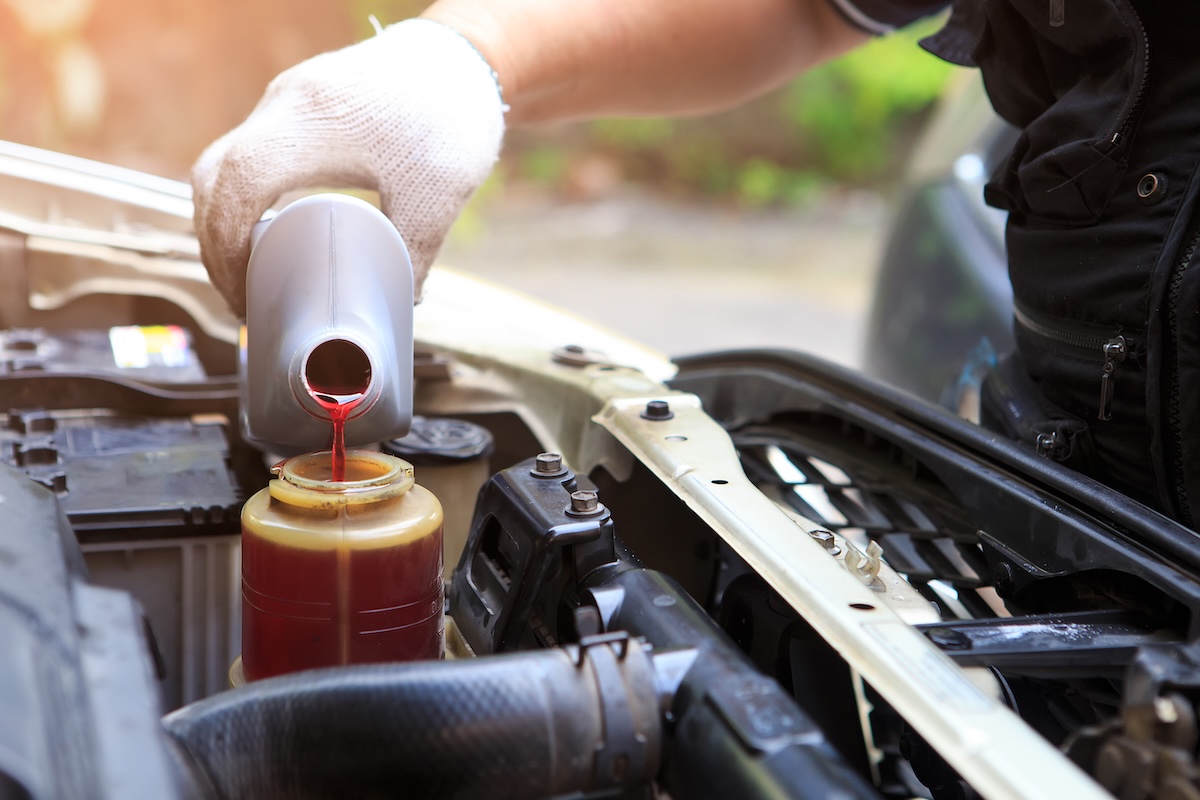
Transmission fluid is essential for vehicle performance, lubricating internal parts, cooling the transmission, enabling smooth shifting, and preventing premature wear that can lead to expensive repairs.
-
Drivers can often check transmission fluid themselves by warming the engine, parking on a level surface, locating the dipstick (if equipped), and checking the fluid’s level, color, and smell to assess its condition.
-
Warning signs that fluid may need changing include delayed or rough shifting, slipping gears, unusual noises, a burning smell, or dashboard warning lights.
-
Service intervals vary by transmission type, with many automatics needing changes around 60,000-100,000 miles, CVTs around 30,000–60,000 miles, and manuals typically every 30,000-60,000 miles, though the owner’s manual should always be the final guide.
-
Professional service is often recommended, especially for sealed transmissions or contaminated fluid, since certified technicians can properly inspect, drain, refill, or flush the system using manufacturer-approved methods and genuine Toyota fluids.
Updated on March 13, 2026
If you own a Toyota – whether it’s a Corolla cruising around Clermont, a Tacoma hitting the trails, or a Highlander hauling family and gear – one thing’s for sure: you want it running smoothly for years to come. A critical, but often overlooked part of that is taking care of your transmission fluid. This guide will walk you through everything you need to know about checking your transmission fluid, spotting warning signs, understanding proper intervals, and when to bring your Toyota to the pros at Toyota of Clermont.
What Does Transmission Fluid Do?
Your transmission fluid is one of the unsung heroes of your vehicle’s drivetrain. It:
- Lubricates internal parts so gears and bearings don’t grind against each other
- Helps cool your transmission, which can get hot under stress
- Supports hydraulic function for smooth shifting and power delivery
- Prevents premature wear of transmission components
Without healthy fluid, shifting can grow rough, gears may hesitate, and in the worst cases, your transmission could suffer costly damage.
Step-by-Step: How to Check Your Transmission Fluid
Knowing how to check your fluid level and quality is one of the easiest ways to stay on top of transmission health. Here’s more good news – it’s something you can often do yourself on a regular basis.
1. Warm Up the Engine
Start by warming up your Clermont Toyota. Transmission fluid expands and flows better at normal operating temperature, and this makes your reading more accurate.
2. Park on a Level Surface
Make sure the car is on a flat, level surface. For automatic transmissions, set the parking brake and leave the car running in “Park” (or idle in Neutral on some models).
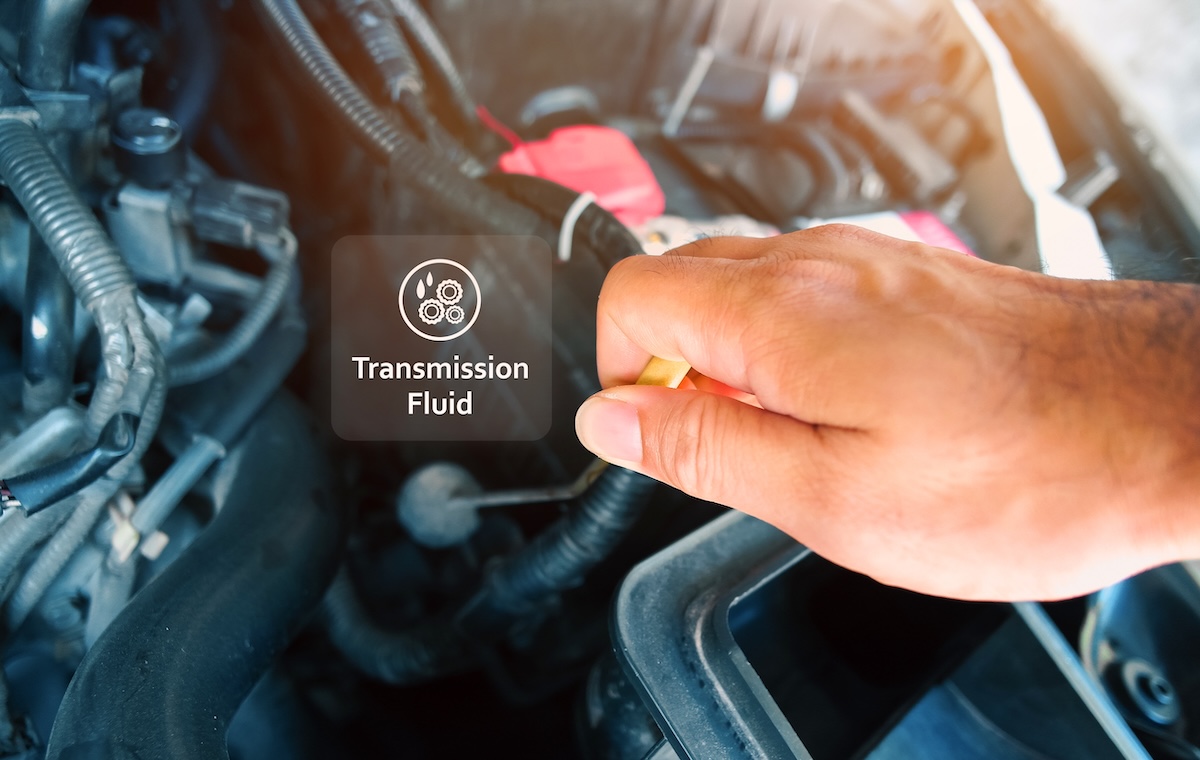
3. Locate the Transmission Dipstick (If Your Toyota Has One)
Some older and many traditional automatics have a dipstick near the back of the engine bay labeled for transmission fluid. However, many newer Toyotas, especially those with sealed transmissions, do not have a dipstick. In these cases, checking fluid levels requires a technician’s tools and we’ve got your back at Toyota of Clermont.
4. Pull the Dipstick and Check Level
If your Toyota has a dipstick:
- Pull it out and wipe it clean
- Reinsert it fully, then remove and check
- The fluid should sit between the “Low” and “Full” marks
- If it’s low, you may need to add Toyota-approved fluid
5. Check the Color and Smell
Transmission fluid’s appearance tells you a lot:
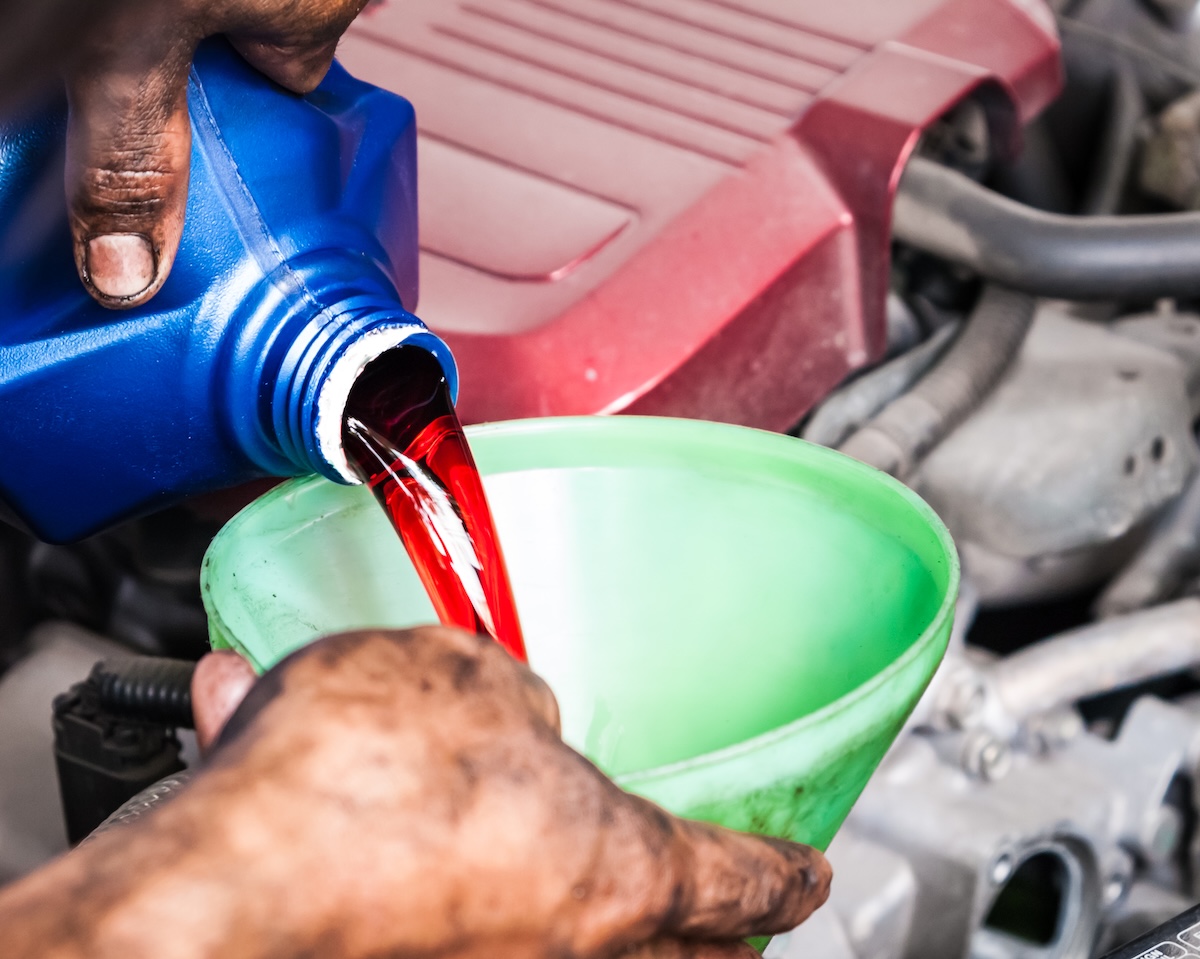
- Healthy fluid: usually bright red or pink
- Old or dirty fluid: dark brown/black
- Burnt smell: indicates overheating or breakdown
If you see dark fluid or smell burning, it’s time for a professional inspection and perhaps a transmission fluid service at Toyota of Clermont.
Important: If your Toyota doesn’t have a dipstick, don’t try to DIY. A sealed system requires special tools and know-how, and guessing at fluid levels can do more harm than good.
Signs It’s Time for a Transmission Fluid Change
Even if levels look OK, your Toyota could still be telling you something. Here are common symptoms that transmission fluid might need attention and a service appointment at Toyota of Clermont.
Delayed or Rough Shifts
If your Toyota hesitates going into gear or you feel jolts when changing gears, old or degraded fluid could be the culprit.
Transmission Slipping
Your vehicle slipping out of gear or struggling to stay in gear at speed often signals worn or contaminated fluid.
Unusual Noises
If gear changes come with whining or grinding sounds, transmission fluid may no longer be providing proper lubrication.
Burning Smell
A burnt scent represents fluid overheating, and that’s your cue to have it checked right away.
Dashboard Warnings
Many newer Toyotas will alert you with a transmission-related warning light before major issues arise. Always pay attention to dashboard alerts and bring your ride to our Clermont auto service center.

How Often Should You Change Your Transmission Fluid?
Unlike engine oil, which usually changes every 5,000–10,000 miles, transmission fluid intervals can vary widely based on your Toyota model and how you drive.
Here’s what our Clermont Toyota automotive experts and Toyota guidance generally recommend:
Automatic Transmissions
Every 60,000-100,000 miles is a common interval for many automatic Toyota models, especially newer ones with “lifetime” fluids.
Continuously Variable Transmissions (CVT)
CVTs often require fluid changes around 30,000-60,000 miles, depending on usage and driving conditions.
Manual Transmissions
Manual fluid or gear oil generally lasts longer, but changes every 30,000-60,000 miles are still recommended for smooth shifting under load.
Always Refer to Your Owner’s Manual
Toyota’s Maintenance Guide has exact intervals for your specific vehicle, and that’s always the best source of truth.
Professional Service vs. DIY
DIY Transmission Check
This is great for quick inspections like checking dipstick level, color, and smell. But…
Professional Fluid Service
This is your best choice if:
- Your Toyota has a sealed transmission
- The fluid is dark or contaminated
- You’re nearing your service interval
- You want peace of mind
Certified technicians can accurately measure, drain, fill, and perform a transmission flush or fluid change that removes more old fluid than DIY methods.
Transmission Fluid Change vs. Transmission Flush
- Fluid Change: Removes most old fluid, replaces with fresh fluid
- Flush: Uses specialized equipment to remove all the old fluid from the system
A flush can be helpful for very dirty fluid, but in some situations (especially older transmissions), it may dislodge debris and cause problems. A trained service advisor at Toyota of Clermont can recommend the best choice for your car.
Why This Maintenance Matters
Ignoring transmission fluid maintenance can:
- Increase your car’s wear and tear
- Reduce your fuel efficiency
- Cause rough or delayed shifting
- Lead to major, expensive transmission problems
Routine checks and timely changes help your Toyota shift smoother, run longer, and save you money in the long run.
Visit Toyota of Clermont for Expert Service
If you’re near Clermont, FL and think your Toyota might need a transmission fluid inspection or service, our trained technicians are ready to help. We’ll:
- Check your car’s fluid level and condition
- Use Genuine Toyota Fluids
- Follow manufacturer-approved procedures
- Provide honest recommendations
Stop by 16851 State Road 50, Clermont, FL 34711, call us at (352) 404-7001, or schedule online today!
FAQs
1. What are the most common car transmission problems?
The most common car transmission problems include slipping gears, delayed or rough shifting, transmission fluid leaks, and unusual noises like grinding or whining. These issues often occur due to low or dirty transmission fluid, worn internal components, overheating, or faulty sensors in modern vehicles. If ignored, transmission problems can lead to more serious damage and costly repairs, so early inspection and maintenance are important.
2. How do you know if you need a transmission fluid change?
Signs you may need a transmission fluid change include rough or delayed shifting, slipping gears, grinding noises, or a burning smell while driving. You may also notice dark, dirty transmission fluid or low fluid levels when checked. Regular fluid changes help keep the transmission lubricated and prevent costly damage.
3. What is a car transmission, and what does it do?
Connect with us


- March 2026
- February 2026
- January 2026
- December 2025
- November 2025
- October 2025
- September 2025
- August 2025
- July 2025
- June 2025
- May 2025
- April 2025
- March 2025
- February 2025
- January 2025
- December 2024
- November 2024
- October 2024
- September 2024
- August 2024
- July 2024
- June 2024
- May 2024
- April 2024
- March 2024
- February 2024
- January 2024
- December 2023
- November 2023
- October 2023
- September 2023
- August 2023
- July 2023
- June 2023
- May 2023
- April 2023
- March 2023
- February 2023
- January 2023
- December 2022
- November 2022
- October 2022
- September 2022
- August 2022
- July 2022
- June 2022
- May 2022
- April 2022
- March 2022
- February 2022
- January 2022
- December 2021
- November 2021
- October 2021
- September 2021
- August 2021
- July 2021
- June 2021
- May 2021
- April 2021
- March 2021
- February 2021
- January 2021
- December 2020
- November 2020
- October 2020
- September 2020
- August 2020
- July 2020
- June 2020
- May 2020
- April 2020
- March 2020
- February 2020
- January 2020
- December 2019
- November 2019
- October 2019
- September 2019
- August 2019
- July 2019
- June 2019
- May 2019
- April 2019
- March 2019
- February 2019
- January 2019
- December 2018
- November 2018
- October 2018
- September 2018
- August 2018
- July 2018
- June 2018
- May 2018
- April 2018
- March 2018
- February 2018
- January 2018
- December 2017
- November 2017
- October 2017