

Executive Summary
Can You Top Off Your Oil? When you ask yourself, “Can You Top Off Your Oil,” the answer is no. Finally, a full change removes old oil, replaces the oil filter, and refills the engine with fresh oil for proper protection.
Old engine oil becomes contaminated and less effective over time. As oil circulates through the engine, it collects dirt, metal particles, and combustion byproducts while its protective additives break down, which is why it must eventually be replaced. This is why when you ask yourself, “Can You Top Off Your Oil,” the answer is no.
Topping off oil can be a short-term solution if levels are slightly low. It can help maintain proper lubrication between service intervals, but frequent top-offs may indicate leaks, oil burning, or overdue maintenance.
Regular oil changes are essential for engine health and performance. Skipping oil changes can lead to reduced fuel efficiency, increased engine wear, overheating, sludge buildup, and potentially costly engine damage.
Can You Top Off Your Oil Instead of Getting an Oil Change?
Oil changes are one of those things that almost every car owner forgets about until the oil light suddenly pops on. When that happens, many people wonder, “Can you just top off your oil instead of getting a full change”? It might seem like a quick and cheap “fix,” but the short answer is no. Also, if you top off your oil, this is not a substitute for a proper change. We’re “Making it Simple®” what oil really does in your engine, and what you should do to keep your Clermont Toyota running smoothly.
The Difference Between Topping Off Your Oil and Changing Your Oil
First, let’s clarify what it means to top off your oil. Topping your oil off simply involves adding fresh Clermont Toyota motor oil to the engine because the level has dropped. This can be due to normal use, a small leak, or oil being burnt during combustion. In contrast, changing your oil involves:
- Draining all the old oil.
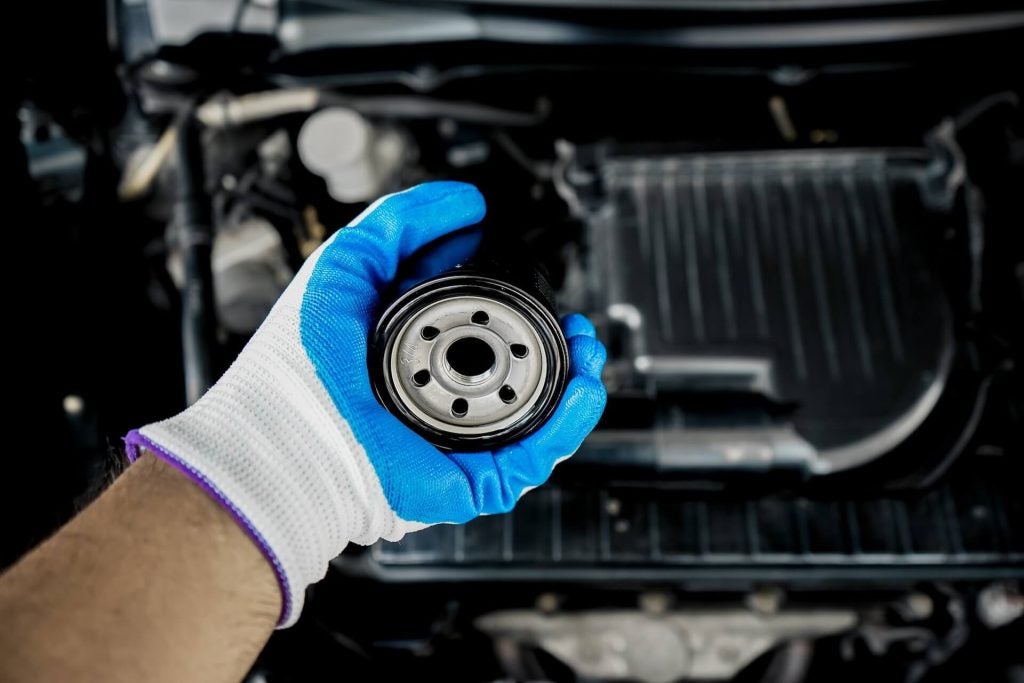
- Replace the oil filter.
- Refill with fresh oil to the correct level.
That last part is important. Plus, changing your oil resets things with fresh fluid and a clean filter, while just topping off simply continues to run your engine with a mix of new and old oil.
Finally, you can physically pour more oil into your engine when the level is low, but that’s not the same thing as giving your engine the car maintenance it really needs.

Why You Can’t Just Top Off Old Oil
Your engine oil does a ton of work. You shouldn’t just top off your oil for the following reasons:
- Lubricates moving parts.
- Carries heat away from internal components.
- Helps keep the engine clean by capturing contaminants.
- Protects against friction and wear.
Over time and miles, this oil gets dirty, thick, and less effective at protecting your engine. Also, when you just top off your oil, you are adding new oil on top of oil that’s already dirty and breaking down. You’re essentially putting a Band-Aid on a problem instead of fixing it.
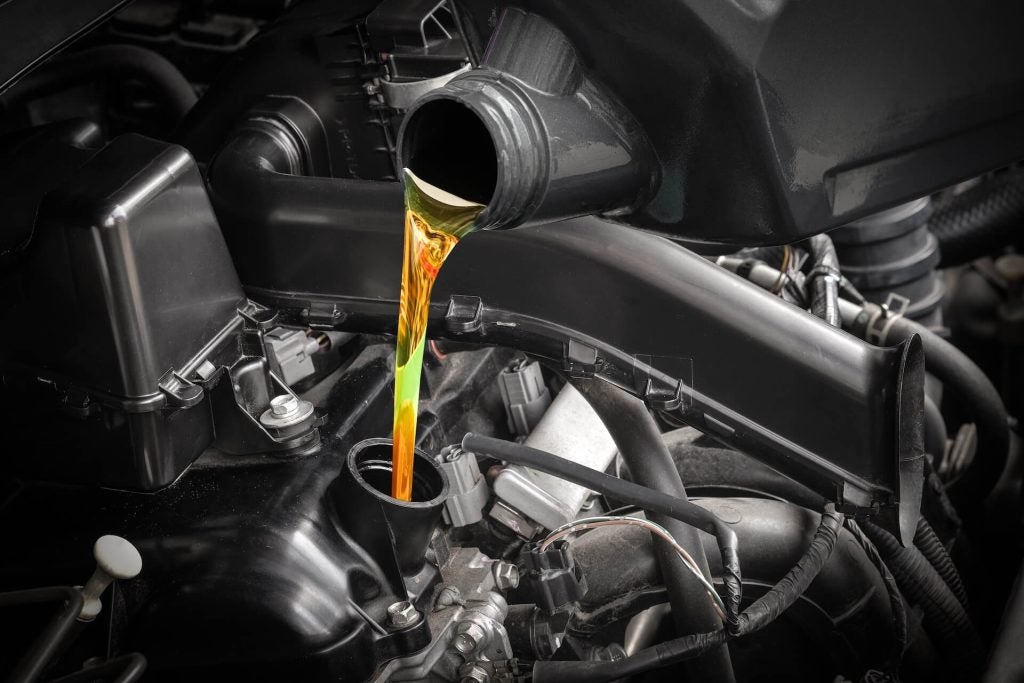
Plus, here’s why you should reconsider to top off your oil.
1. Old Oil Gets Filthy
Additionally, as your engine runs, the oil picks up dirt, metal particles, and byproducts of combustion. At some point, it becomes contaminated and can’t lubricate effectively anymore. Adding new oil doesn’t clean the old stuff out; it just dilutes it.
2. Oil Filter Needs Replacement
Your Clermont Toyota oil filter’s job is to catch debris and impurities. In addition, it gets clogged and can’t do its job well anymore. Topping off your oil doesn’t replace the filter, so contaminants remain in your system, potentially circling back into your Clermont Toyota engine.
3. Chemical Additives Deplete
Engine oils contain additives that help prevent wear, corrosion, and oxidation. These additives wear out over time, especially in hot engines. Even with fresh oil added, the spent additives can’t be restored without changing your oil.
So while topping off might get the oil level back to where it should be, it does nothing to restore the oil’s protective qualities, and that’s the whole point of an oil change. Finally, we hope you feel confident in “Can you top off your oil?”

When It Is Okay to Top Off Your Oil
Additionally, there are tons of instances when it’s okay to top off your oil at Toyota of Clermont.
For example, if you check your oil and it’s slightly low between service intervals, adding a bit of oil can help ensure you don’t run your engine with too little lubrication until your next scheduled oil change. This is especially true if you're heading out for a drive and don’t want to risk running too low.
However, don’t make this a habit! If the oil keeps dropping quickly, or if you find yourself topping off often, that could mean the following:
- You have a small leak.
- Your engine is burning oil.
- The oil change interval has been exceeded.
Those are signs you need real Clermont Toyota car maintenance, not just to top off your oil.
The Risks of Skipping Oil Changes
Skipping oil changes and relying on topping off your oil isn’t just risky. Ultimately, it can be expensive in the long run. Your engine can end up with:
- Decreased Fuel Efficiency
- Increased Engine Wear
- Overheating and Sludge Formation
- Potential Engine Failure
In severe cases, neglected engine changes can lead to broken piston rings, worn cylinder walls, and even engine seizure. Finally, all of these could require costly engine repairs or replacement.
While the cost of this change might sound expensive at the moment, it’s nothing compared to the cost of engine repairs if you let the oil go too long. When you think you can just top off your oil, you might want to think again.
What’s a Good Oil Change Schedule?
Your Clermont Toyota’s owner’s manual is the final authority, but many Toyotas using synthetic oil can go between 5,000 and 10,000 miles between oil changes depending on driving conditions and oil type.
That’s why keeping routine car maintenance is so valuable. Additionally, you protect performance, extend engine life, and avoid unnecessary repairs. Finally, changing your oil based on your driving helps you stay ahead of problems before they start.
How to Check Your Oil the Right Way
Here’s a quick checklist on how to do this the correct way!
- Park on a level surface and let your engine cool for a few minutes.
- Pull the dipstick and wipe it clean.
- Reinsert the dipstick fully, then pull it again to check the level.
- Make sure the oil is between the minimum and maximum marks.
- If it’s low, add the correct type of oil (same grade your manufacturer recommends).
- Never overfill.

Top Off You Oil at Toyota of Clermont
Topping off your oil can be fine as a short-term fix if the level is just a little low, but it is not a substitute for a full oil change. Also, these remove old, dirty oil, replace the filter, and give your engine fresh protection that topping off just can’t match. Finally, if you haven’t changed your oil recently, don’t wait until the light comes on! Schedule car maintenance with us at Toyota of Clermont. Call us at (352) 404-7001 or schedule online today. Your engine will thank you.
FAQ’s
1. How much do oil changes cost?The cost of changing your oil can vary depending on your vehicle, the type of oil used, and where the service is performed. On average, most oil changes range from about $40 to $100. However, synthetic oil changes typically cost more than conventional oil but offer longer-lasting protection for your engine.
2. How often do I need an oil change?
Most vehicles need an oil change every 5,000 to 10,000 miles, depending on the type of oil used and your driving conditions. In addition, checking your owner’s manual and keeping up with regular maintenance helps ensure your engine stays lubricated and running efficiently.
3. What type of oil should I use?
The type of oil you should use depends on your vehicle’s engine and the manufacturer’s recommendations listed in your owner’s manual. Most modern vehicles use synthetic or synthetic-blend motor oil, which provides better protection, performance, and longevity than conventional oil.