


Updated February 18, 2026
Executive Summary
- Your vehicle’s OBD-II system triggers the check engine light, and it doesn’t automatically mean a major repair -it signals that something in the engine or emissions system needs attention.
- Common causes include a faulty mass airflow (MAF) sensor, a bad oxygen (O2) sensor, worn spark plugs, a failing catalytic converter, or even a loose gas cap; some simple, others more serious.
- Symptoms like rough idling, reduced fuel economy, poor acceleration, strange exhaust smells, or trouble starting can help narrow down the issue.
- Ignoring the check engine light can lead to larger, more expensive repairs over time and may impact performance, emissions, and overall vehicle lifespan.
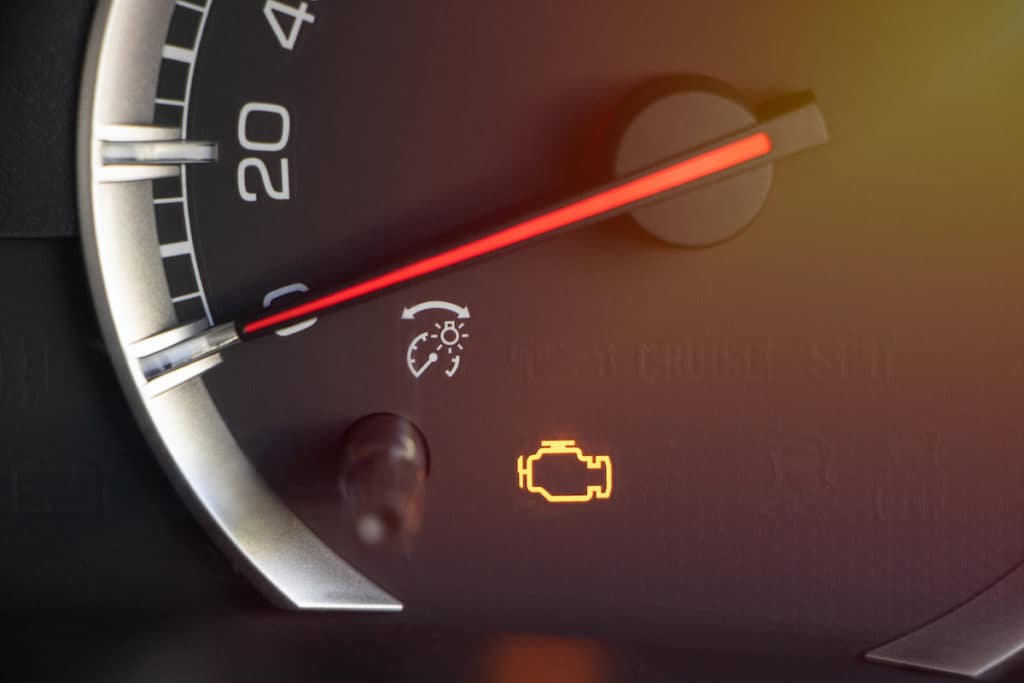
If you’ve ever seen the little check engine light appear on your dashboard, you’re definitely not alone. It’s one of the most common things drivers see, and it can cause a lot of confusion. Here’s the good news: it doesn’t automatically mean a huge repair bill is necessary! Sometimes it is super simple, but there may be the occasional larger issue. Either way, it’s important to know the common reasons behind the light appearing that can save you time, stress, and money.
At Toyota of Clermont’s service center, we see this light all the time. Today, we’re Making It Simple® and explaining what might be causing the check engine light to turn on and what to do to make the best decision for your vehicle and budget!
What The Check Engine Light Means
The check engine light is part of your car’s On-Board Diagnostics (OBD-II) system, which is basically how your vehicle tells you something is operating within its normal parameters. This can cover any issue from emissions to engine performance to a loose gas cap. Just keep in mind the light itself doesn’t exactly tell you what’s wrong, but instead something triggered the vehicle’s internal system to flag a concern. That’s where knowing the common causes comes in handy, so let’s get into the top five reasons!
A Check Engine Light Indicates: You Need A New Mass Airflow (MAF) Sensor
The mass airflow sensor helps your vehicle determine how much air is coming into the engine so it can balance fuel and air for optimal combustion. If the sensor notices something wrong (such as it’s dirty, failing, or damaged), then it can end up throwing your engine’s balance. Symptoms besides the check engine light coming on may include:
- Trouble with acceleration
- Hesitation during normal driving
- Reduced fuel economy
The sensor can get dirty over time, which then sends inaccurate readings to your engine’s system. In some cases, cleaning the sensor will solve the issue, but often a new MAF sensor is needed for long-term performance. Lucky for you, our technicians at Toyota of Clermont can run a sensor test and let you know if cleaning or replacing it is the best option.

A Check Engine Light Indicates: Your Catalytic Converter Has Gone Bad
Your Toyota’s catalytic converter is a key emissions component in your exhaust system. It converts harmful gases into less harmful ones before they exit the tailpipe. If it fails, your vehicle may still run, but it won’t run efficiently. You might notice other issues such as:
- Reduced fuel economy
- Higher exhaust heat
- Trouble passing emissions tests
- Strange smells (sometimes like rotten eggs)
A failing catalytic converter is one of the more serious reasons your check engine light may come on. Since it’s so closely tied to emissions and overall engine efficiency, you’ll need to address this problem sooner rather than later to prevent it from escalating into something worse. At the Toyota of Clermont Service Center, we can verify if your catalytic converter is the culprit for your check engine light popping on, as well as help you understand your options and what replacement may involve.
A Check Engine Light Indicates: Your Spark Plugs Need Replacing
Spark plugs are important for your engine to start and run smoothly. They’re responsible for igniting the fuel-air mixture inside the engine combustion chamber. When they wear out, it can negatively impact everything from starting your car to maintaining speed on the road. Signs your spark plugs might be the cause behind your check engine light include:
- A rough idle state
- Trouble starting your car
- Reduced fuel efficiency
- Stalling or misfires
Worn spark plugs also put extra stress on other components in your car, such as the catalytic converter and oxygen sensors. What may start as a spark plug problem may snowball into something much larger, so getting your regular car maintenance helps keep your engine performing well (and your check engine light off).
A Check Engine Light Indicates: You Have A Bad Oxygen (O2) Sensor
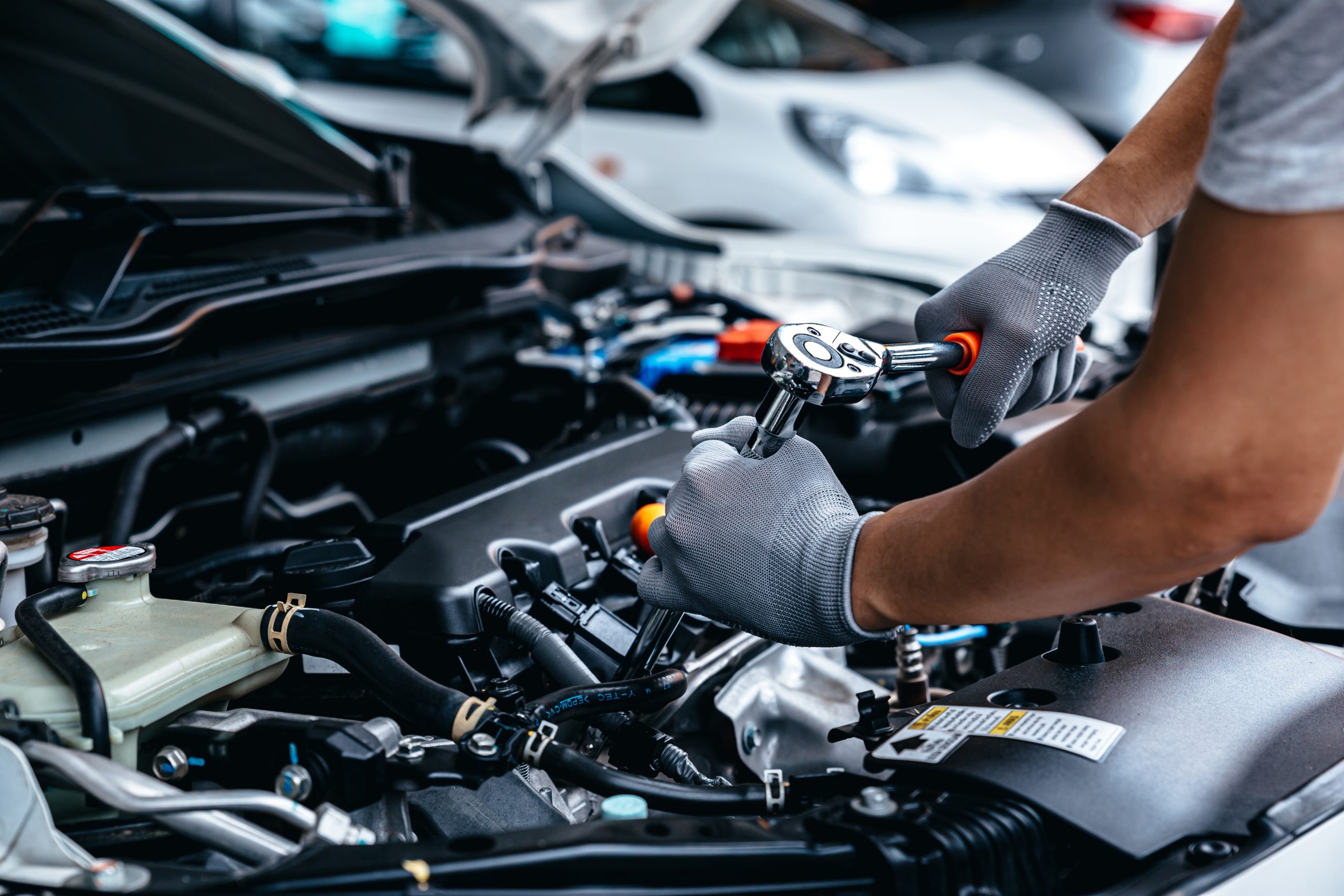
Your oxygen sensor (also known as the O2 sensor) plays a crucial role in monitoring the amount of unburned oxygen in your car’s exhaust. This data helps your vehicle determine if it’s running a rich or lean fuel mixture! When the oxygen sensor fails, the engine’s computer can’t make accurate adjustments and will turn on the check engine light as a heads-up. You may also notice indicators such as:
- Inefficient engine performance
- Poor fuel mileage
- Increased emissions
The O2 sensor directly impacts your car’s burn efficiency and emissions control, so catching the issue before it grows worse is important. If you think there’s an issue with this sensor, bring your Toyota in for our technicians to check it out to help you avoid higher fuel costs and protect other components from damage.
A Check Engine Light Indicates: Your Gas Cap Isn’t Tightened All The Way
Believe it or not, this is often the simplest and most common cause of the check engine light turning on. Your gas cap helps to maintain the pressure inside your fuel tank and prevents fuel vapors from escaping into the air. If it’s loose or not sealed properly, your vehicle’s emissions system can interpret it as a leak and illuminate the check engine light.
This is the easiest indicator to fix. Just safely pull over, turn your car off, then check your gas cap to see if it’s tightened (make sure to hear it click at least a couple times). Usually, the light will turn off once you start driving again.
What If You Ignore Your Check Engine Light?
You might be tempted to ignore your check engine light if your car seems to be running fine, but modern vehicles are incredibly connected. One small problem left unchecked can lead to bigger, more costly issues over time. Even more importantly, ignoring warning lights can put extra stress on your engine and reduce the lifespan of key components in your Toyota. It can also lead to issues that affect performance and safety, which can be a greater risk.
Visit our Service Center With Any Issue Today!
Now you know what to do the next time your check engine light turns on, so no need to panic! If you need a technician to check out your engine, Toyota of Clermont is here to help. Schedule an appointment at our Service Center to get your car checked out by giving us a call at 352-404-7001 or booking online. Or, come visit us in person at 16851 State Road 50.
Common FAQs for Check Engine Lights
-
What is a catalytic converter?
A catalytic converter is a crucial part of your car’s exhaust system that takes the toxic gases and pollutants from the engine’s exhaust and turns them into less harmful emissions through a chemical (redox) reaction. It helps reduce the amount of dangerous pollution released into the air and is required on gasoline-powered vehicles by law in many places.
-
Why won’t my car start?
Your car might not start for several reasons: the battery is dead and can’t power anything, the starter is broken so it can’t turn the engine over, the fuel filter is clogged and preventing gasoline from reaching the engine, the alternator isn’t charging the battery, or the spark plugs are worn out and can’t ignite the fuel.
-
What are spark plugs?
A spark plug is a small part that fits into your engine’s cylinder and creates a tiny electrical spark to ignite the air-and-fuel mixture so the engine can start and run. Without that spark to start combustion, your car wouldn’t be able to begin moving.
Connect with us


- March 2026
- February 2026
- January 2026
- December 2025
- November 2025
- October 2025
- September 2025
- August 2025
- July 2025
- June 2025
- May 2025
- April 2025
- March 2025
- February 2025
- January 2025
- December 2024
- November 2024
- October 2024
- September 2024
- August 2024
- July 2024
- June 2024
- May 2024
- April 2024
- March 2024
- February 2024
- January 2024
- December 2023
- November 2023
- October 2023
- September 2023
- August 2023
- July 2023
- June 2023
- May 2023
- April 2023
- March 2023
- February 2023
- January 2023
- December 2022
- November 2022
- October 2022
- September 2022
- August 2022
- July 2022
- June 2022
- May 2022
- April 2022
- March 2022
- February 2022
- January 2022
- December 2021
- November 2021
- October 2021
- September 2021
- August 2021
- July 2021
- June 2021
- May 2021
- April 2021
- March 2021
- February 2021
- January 2021
- December 2020
- November 2020
- October 2020
- September 2020
- August 2020
- July 2020
- June 2020
- May 2020
- April 2020
- March 2020
- February 2020
- January 2020
- December 2019
- November 2019
- October 2019
- September 2019
- August 2019
- July 2019
- June 2019
- May 2019
- April 2019
- March 2019
- February 2019
- January 2019
- December 2018
- November 2018
- October 2018
- September 2018
- August 2018
- July 2018
- June 2018
- May 2018
- April 2018
- March 2018
- February 2018
- January 2018
- December 2017
- November 2017
- October 2017