


Updated on July 24, 2026
Whether you call it the emergency brake, e-brake, hand brake, or car parking brake, this overlooked feature plays a very important role in keeping your vehicle secure. While many Clermont drivers only use it when parking on step hills, the truth is that your parking brake should be part of your everyday driving routine. Especially if you want to help reduce the wear on your transmission and improve overall safety.
I’m sure it’s been a while since you’ve thought about your car parking brake, and you’re not alone. Many Clermont drivers aren’t exactly sure when to use it, how to use it, or whether it needs maintenance. Fortunately, our Toyota of Clermont service experts are here to answer the most common questions.
Executive Summary
- Your car parking brake does more than prevent rolling: It helps keep your vehicle secure when parked, reduces stress on your transmission, and adds an extra layer of safety every time you park.
- Use your parking brake every time you park: Engaging it before shifting into Park helps reduce unnecessary wear on your transmission and promotes proper parking brake function.
- Know the warning signs of a problem: If your parking brake won’t hold the vehicle, won’t release properly, or makes unusual noises, it’s time to have it inspected by a qualified technician.
- Electronic parking brakes still require maintenance: While they operate differently than traditional hand or foot brakes, they still contain components that should be checked during routine brake service.
- Routine inspections help prevent costly repairs: Regular maintenance of your parking brake system can improve safety, extend the life of your braking components, and help keep your Toyota performing at its best.
How Does a Car Parking Brake Work?
Your car parking brake is a separate braking system designed to keep your Clermont Toyota from moving when it’s parked. Unlike your regular brake pedal which uses hydraulic pressure, many parking brake systems use a mechanical cable or an electronic actuator to lock the rear brakes in place. Your car parking brake job is simple: keep your vehicle from rolling away. However, it also helps:
- Reduce stress on your transmission’s parking pawl
- Improve vehicle stability on hills
- Provide an extra layer of security when parked
- Help keep the parking brake components moving and lubricated through regular use
Many Clermont drivers assume automatic transmissions don’t need a car parking brake, but that’s a common misconception. Even automatics benefit from using it every time you park.
4 Things Every Clermont Driver Should Know About Their Car Parking Brake
-
Never drive with your car parking brake engaged
This is one of the easiest ways to damage your braking system. Driving with your car parking brake engaged creates constant friction between the brake components. The extra friction can generate excessive heat, which can lead to:
- Premature brake pad wear
- Warped brake rotors
- Reduced braking performance
- Damage to the parking brake mechanism
- Expensive repair bills
Fortunately, most modern Toyota vehicles display a dashboard warning light whenever the car parking brake is engaged. If you notice the light staying on after you’ve started driving, safely pull over and make sure the brake has fully been released. You may also notice:
- A burning smell
- Reduced acceleration
- Poor fuel economy
- Resistance while driving
If you’ve accidentally driven with your car parking brake on for an extended period, it’s a good idea to have your brakes inspected.
-
Use your car parking brake every time you park
Many Clermont drivers only use their car parking brake on steep hills. While that’s certainly important, using it every time you park offers several benefits. Here’s the recommended sequence:
- Keep your foot firmly on the brake pedal
- Bring the vehicle to a complete stop
- Engage the car parking brake
- Shift the transmission into Park
- Release the brake pedal
This order allows the car parking brake to support the vehicle’s weight. If you shift into Park first, then release the brake pedal before engaging your car parking brake, the vehicle may roll slightly until the transmission’s parking pawl catches the weight. As time goes on, repeatedly putting that stress on the transmission can contribute to unnecessary wear and tear.
-
There are several different types of car parking brakes
Not every Toyota uses the same parking brake design. Depending on the model and trim level, your vehicle may have one of several systems.
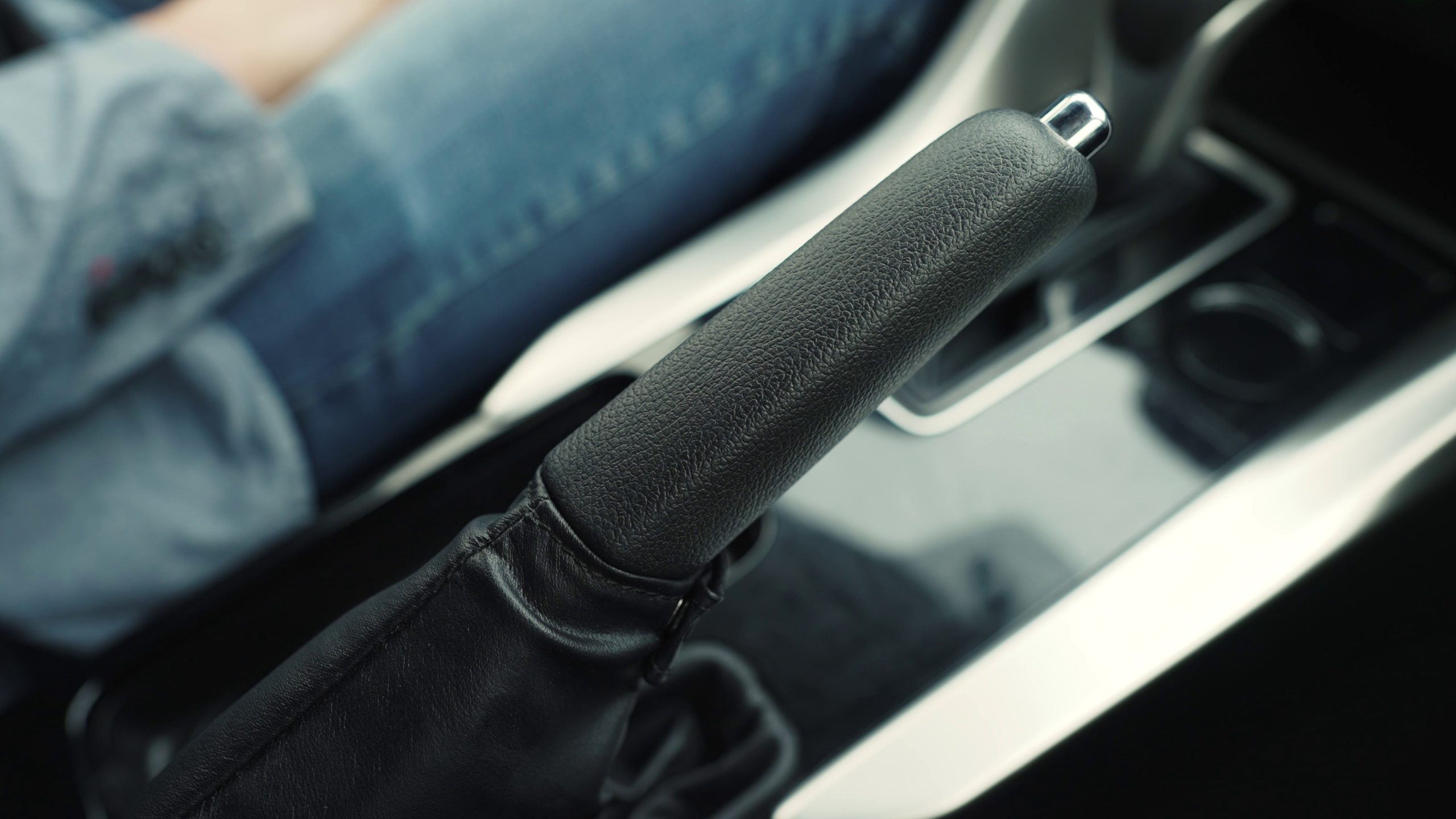
Hand Brake
Found on some vehicles, the traditional hand brake sits between the front seats near the center console. To engage it:
- Pull the lever upward until it locks
To release it:
- Press the button on the end while lowering the lever completely
Foot-operated parking brake
Some SUVs and trucks use a foot pedal located to the left of the driver’s brake pedal. To engage it:
- Press the pedal firmly with your left foot
To release it:
- Press it again until it releases
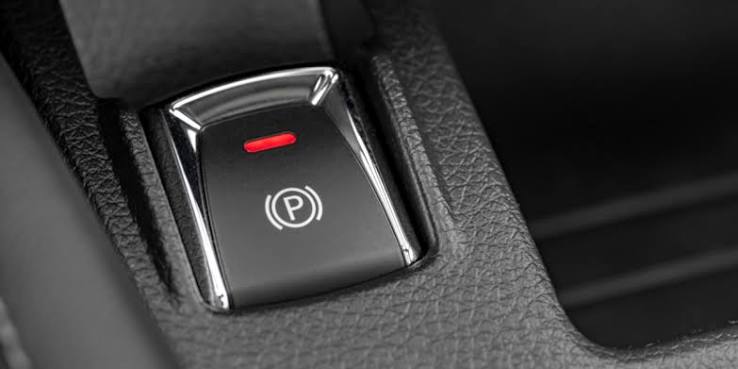
Electronic parking brake
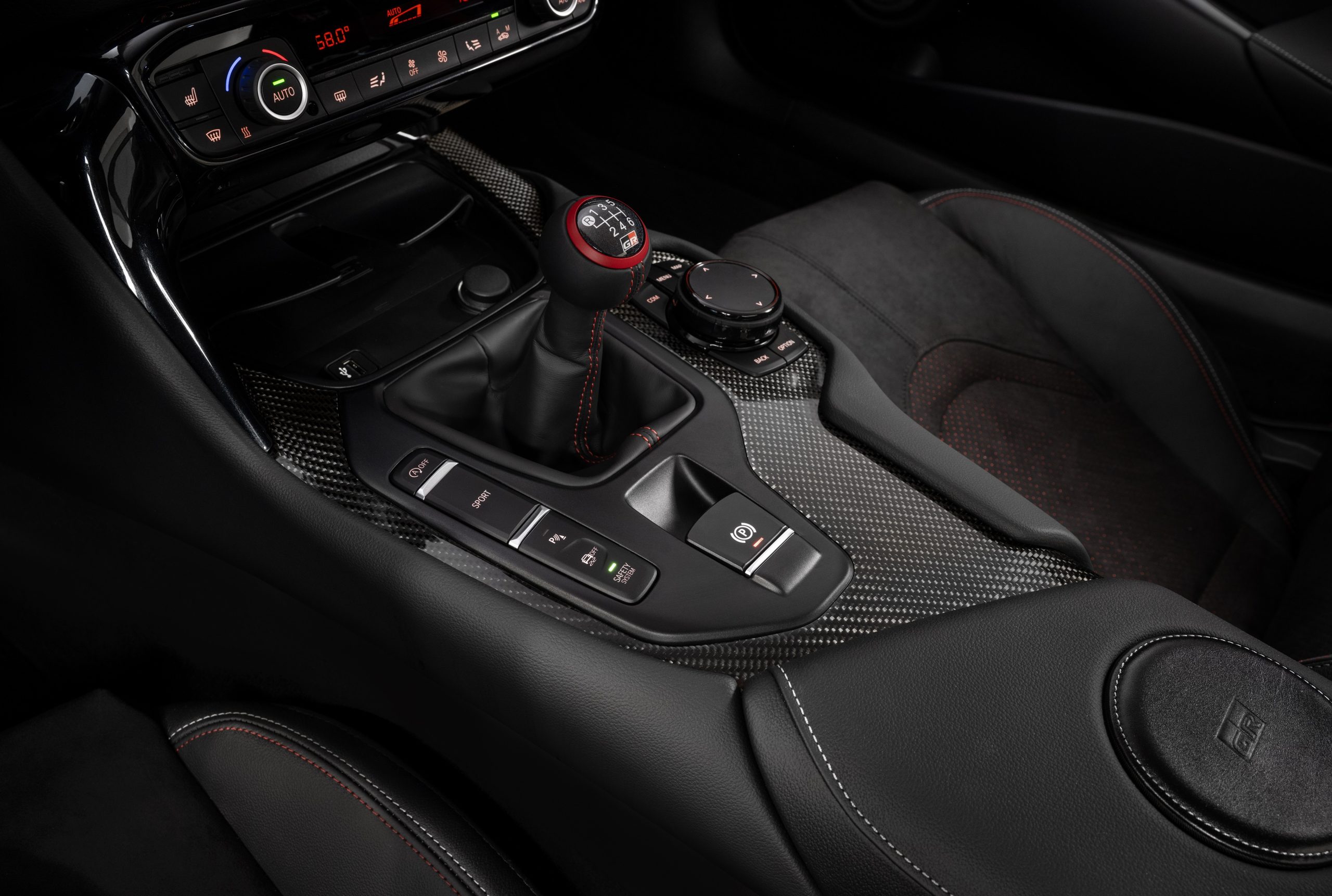
Many newer Toyota models now feature an electronic car parking brake. Instead of a lever or pedal, you simply press or pull a small switch on the center console. The vehicle automatically engages or releases the brake using electronic motors.
Some models even include automatic brake hold features that work together with the electronic car parking brake during stop and go traffic or when parked.
-
Your car parking brake needs maintenance too
Most Clermont drivers don’t think about their car parking brake and the need for occasional inspection. Like any other braking component, parts wear over time. Depending on your vehicle, your technician may inspect:
- Brake cables
- Springs
- Rear brake shoes or pads
- Electronic actuators
- Linkages
- Corrosion or rust buildup
- Adjustment of cable tension
A car parking brake that is rarely used can sometimes seize due to corrosion, especially in older vehicles or those that sit for extended periods. Using your car parking brake regularly actually helps keep its components functioning properly.
Signs Your Car Parking Brake May Need Service
If your car parking brake isn’t working quite like it used to, don’t ignore it. Watch for these warning signs:
- The vehicle rolls while parked
- The parking brake lever pulls much higher than normal
- The brake pedal (if equipped) feels unusually soft
- The electronic parking brake warning light stays illuminated
- The brake won’t release completely
- You hear grinding or squealing noises
- You notice burning smells after driving
These symptoms may indicate worn components, stretched cables, corrosion, or electronic issues that should be inspected by a qualified technician.
Do Electronic Parking Brakes Need Maintenance?
Short answer, yes. Although electronic car parking brakes eliminate traditional cables in many cases, they still contain motors, sensors, wiring, and brake components that require periodic inspection.
During routine brake service, Toyota technicians can inspect the electronic system for proper operation and identify potential issues before they become costly repairs.
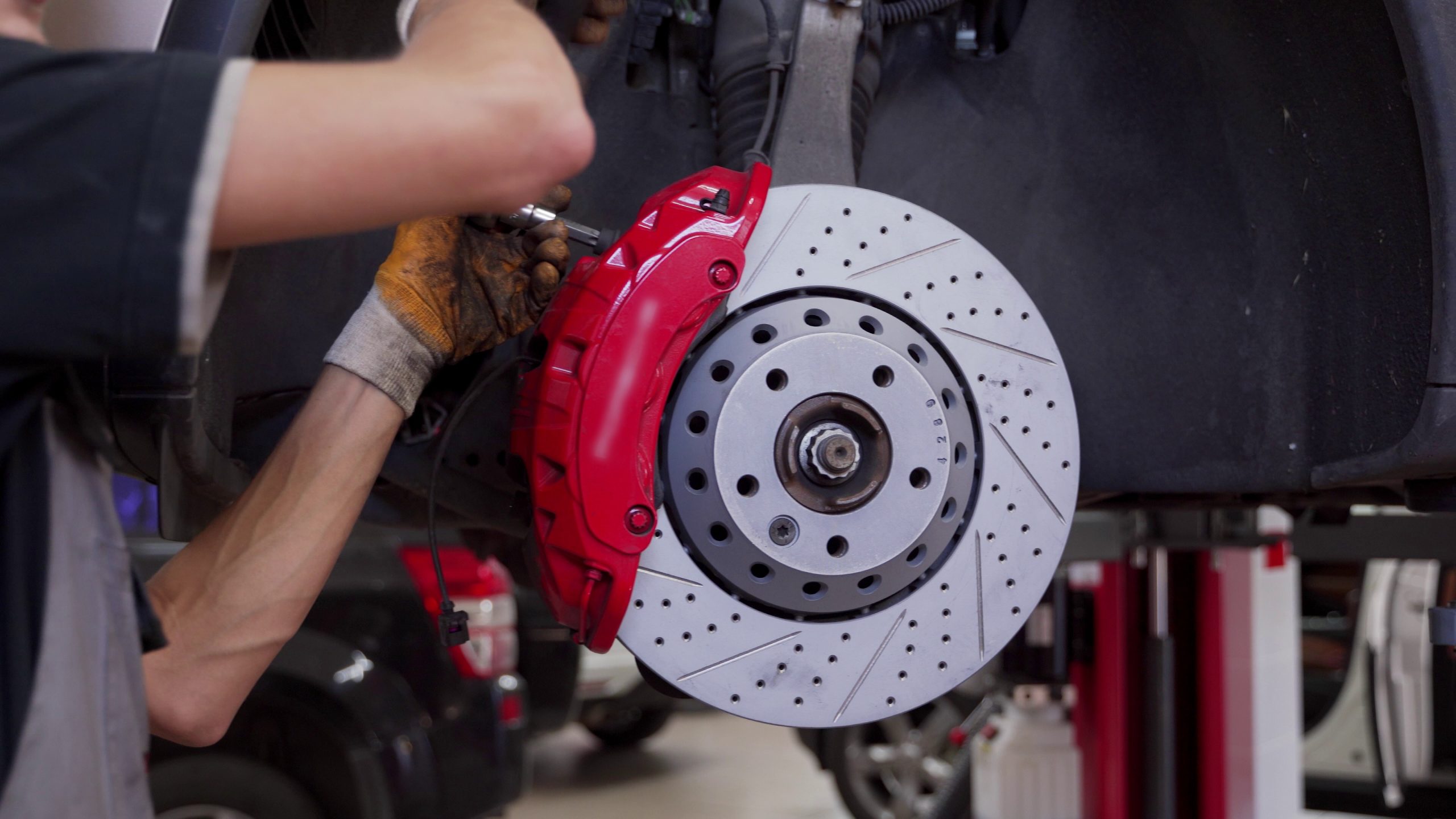
Trust Toyota of Clermont for Professional Brake Service
Your car parking brake may not be something you think about every day, but it’s an important safety feature that deserves regular attention. Using it properly can help protect your transmission, improve safety, and extend the lift of your vehicle’s braking system.
If you have any questions about your car parking brake or think it may need adjustment or repair, schedule service with Toyota of Clermont. Call us at (352) 404-7000 or visit us in person at 16851 State Road 50, just West of the Florida Turnpike.
FAQs
-
Should I use my car parking brake every time I park?
Yes. Using your car parking brake every time you park helps prevent unnecessary stress on your transmission by allowing the parking brake, not the transmission’s parking pawl, to support your vehicle’s weight. It also helps keep the parking brake system in good working condition through regular use.
-
Can driving with the parking brake on damage my car?
Yes. Driving with the parking brake engaged can generate excessive heat and cause premature brake pad wear, warped rotors, reduced braking performance, and damage to the parking brake system. If you’ve accidentally driven with it on and notice a burning smell, poor acceleration, or unusual resistance, have your brakes inspected as soon as possible.
-
How often should my parking brake be inspected?
Your car parking brake should be inspected during routine brake service or anytime you notice warning signs such as the vehicle rolling while parked, a car parking brake that won’t fully engage or release, unusual noises, or a dashboard warning light that stays illuminated. Regular inspections can help catch minor issues before they become costly repairs.
Connect with us


- September 2026
- August 2026
- July 2026
- June 2026
- May 2026
- April 2026
- March 2026
- February 2026
- January 2026
- December 2025
- November 2025
- October 2025
- September 2025
- August 2025
- July 2025
- June 2025
- May 2025
- April 2025
- March 2025
- February 2025
- January 2025
- December 2024
- November 2024
- October 2024
- September 2024
- August 2024
- July 2024
- June 2024
- May 2024
- April 2024
- March 2024
- February 2024
- January 2024
- December 2023
- November 2023
- October 2023
- September 2023
- August 2023
- July 2023
- June 2023
- May 2023
- April 2023
- March 2023
- February 2023
- January 2023
- December 2022
- November 2022
- October 2022
- September 2022
- August 2022
- July 2022
- June 2022
- May 2022
- April 2022
- March 2022
- February 2022
- January 2022
- December 2021
- November 2021
- October 2021
- September 2021
- August 2021
- July 2021
- June 2021
- May 2021
- April 2021
- March 2021
- February 2021
- January 2021
- December 2020
- November 2020
- October 2020
- September 2020
- August 2020
- July 2020
- June 2020
- May 2020
- April 2020
- March 2020
- February 2020
- January 2020
- December 2019
- November 2019
- October 2019
- September 2019
- August 2019
- July 2019
- June 2019
- May 2019
- April 2019
- March 2019
- February 2019
- January 2019
- December 2018
- November 2018
- October 2018
- September 2018
- August 2018
- July 2018
- June 2018
- May 2018
- April 2018
- March 2018
- February 2018
- January 2018
- December 2017
- November 2017
- October 2017