


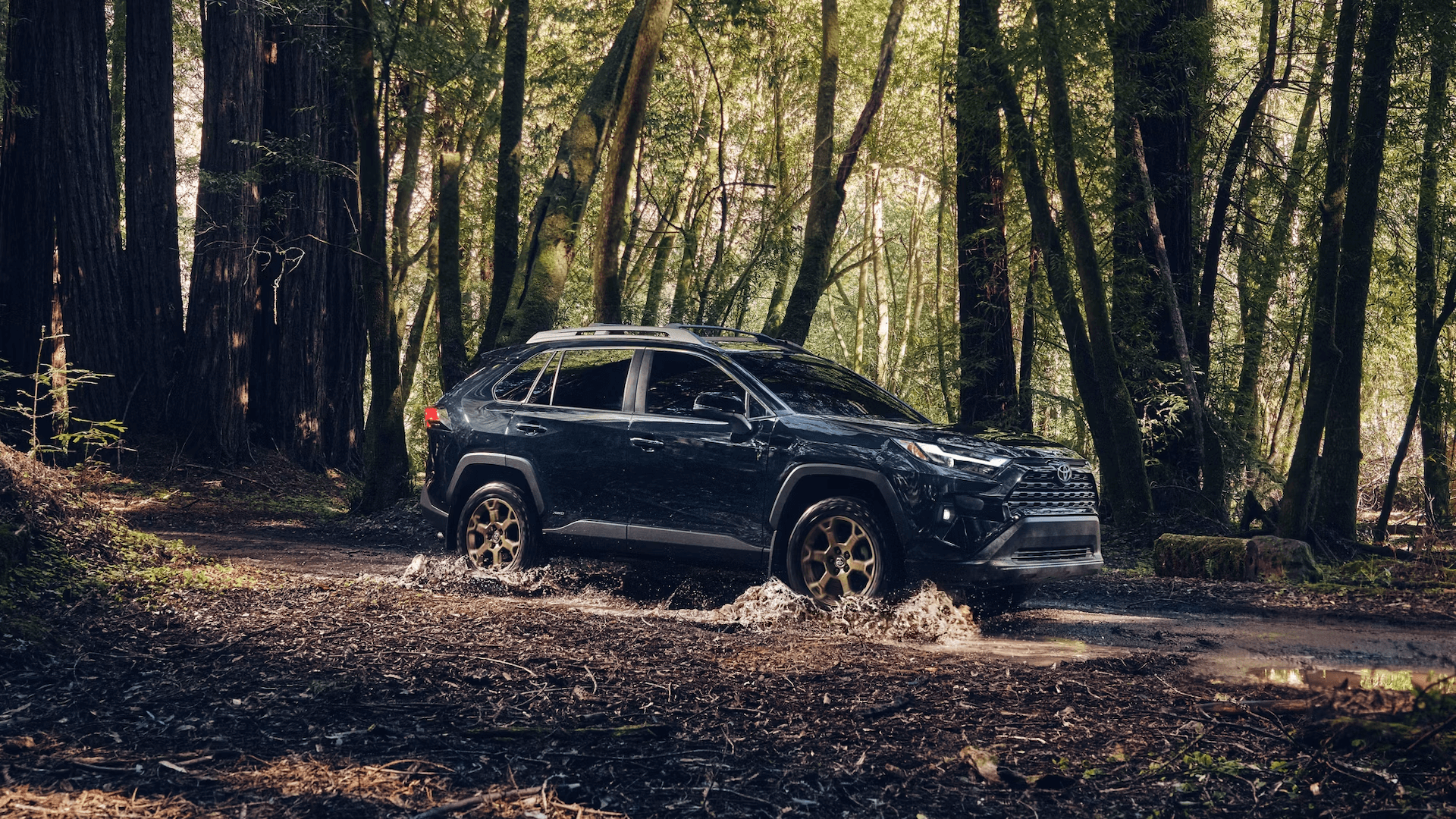
Car shopping can be overwhelming, especially if it’s your first car purchase. Plus, there are many things to consider, like safety ratings, gas mileage, and towing capacity. AWD vs 4WD is one of the most debated topics at Toyota of Clermont. These systems might sound similar, but they are very different! When you take a closer look, you’ll find that the driving experience, handling, and performance are very different between these drivetrain types. That’s why our automotive experts at Toyota of Clermont are here to break it down for you.
In this guide, we’ll cover what All-Wheel Drive (AWD) and Four-Wheel Drive (4WD) really mean, how each system works, the pros and cons of each, and how to decide which one suits your driving lifestyle. Whether you’re braving unpredictable road conditions or planning your next off-road adventure, we’re “Making it Simple™.”
What is an All-Wheel Drive Vehicle (AWD)?
AWD is a drivetrain system that powers all four wheels of your ride. Unlike traditional 4WD systems, which require the driver’s input to engage, AWD vehicles are always on and constantly adjusting the amount of torque sent to each wheel. Additionally, this smart system uses sensors to detect slippage and road conditions, directing power to the wheels that need it most in the moment.
One of the defining components of an AWD vehicle is the center differential, which allows the front and rear wheels to rotate at different speeds. This is super important when you’re driving on paved roads where wheels naturally move at different rates, especially when turning! Because of the center differential, AWD systems are smoother, more fuel-efficient than traditional 4WD systems (not as efficient as front-wheel drive), and are designed for everyday road conditions like rain, light snow, and occasional unpaved roads.
Also, AWD is most commonly found in modern crossovers and SUVs like the Toyota Highlander or Corolla Cross. These Clermont Toyotas are built for comfort, safety, and practicality rather than taking the off-roading path in a Toyota 4Runner.
When it comes to AWD vs 4WD, which one will you choose at our dealership?
What is Four-Wheel Drive (4WD)?
Four-Wheel Drive (4WD), often referred to as 4×4, is a more traditional and robust system built to tackle harsh driving environments. Typically, a 4WD vehicle operates in rear-wheel drive until the driver manually activates the 4WD system, usually through a switch, lever, or button. Once you enable the 4WD system, it locks torque to the front and rear axles to provide consistent power to all four wheels.
Also, most 4WD systems don’t use a center differential. To break it down, this means the front and rear axles are locked together and spin at the same rate. This offers maximum traction in slippery or uneven terrain (deep mud, snow, or steep rocks). However, it’s not ideal for dry pavement. Without a center differential, turning can cause “binding” or wheel hop, which can damage your drivetrain. And, who wants an expensive auto repair at the Toyota Collision Center that they could prevent?
Because of this, the 4WD vehicle is best suited for extreme off-road conditions or heavy towing situations. Additionally, you’ll find it in trucks and full-size SUVs like the Toyota Tundra or Toyota 4Runner. These Clermont Toyotas are perfect for the rugged road or camping if you’re into that!
When you’re deciding between the AWD vs 4WD, which one will you choose at our dealership?
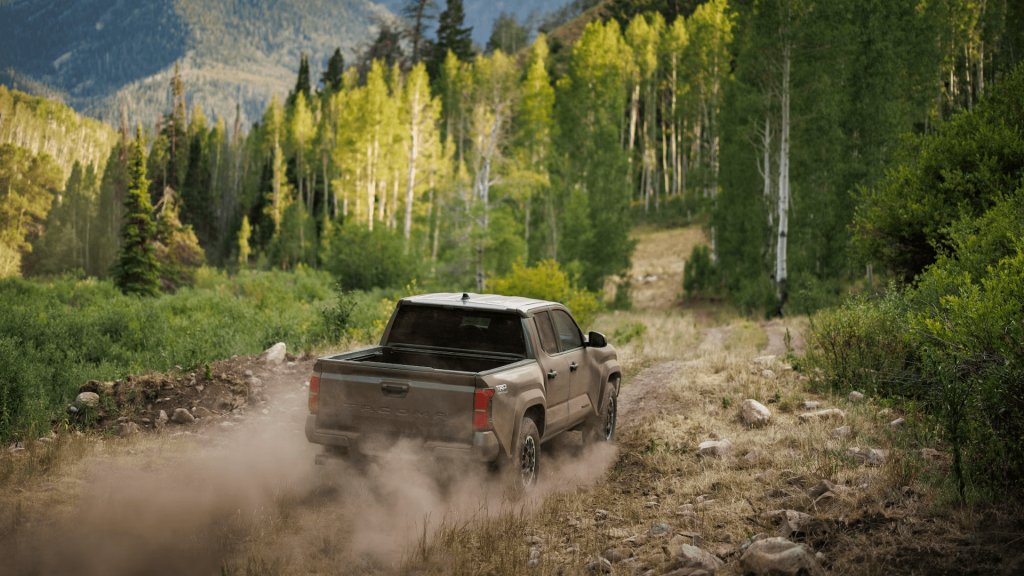
AWD vs 4WD: Pros and Cons
All-Wheel Drive
Advantages:
- Perfect for everyday driving and unpredictable road conditions like rain, sleet, and light snow.
- It offers a seamless and automatic power distribution with no driver input required.
- Also, it helps maintain traction on slick pavement or winding roads.
- Enhances confidence and safety without leaving out comfort.
- Incorporates a center differential for smooth cornering and consistent ride quality.
Disadvantages:
- It’s much more expensive to maintain and repair due to its complexity. (Hello wallet.)
- Also, it usually adds more weight to your vehicle, which reduces fuel efficiency compared to front-wheel-drive options.
- Finally, it’s not the best for extreme off-road situations.
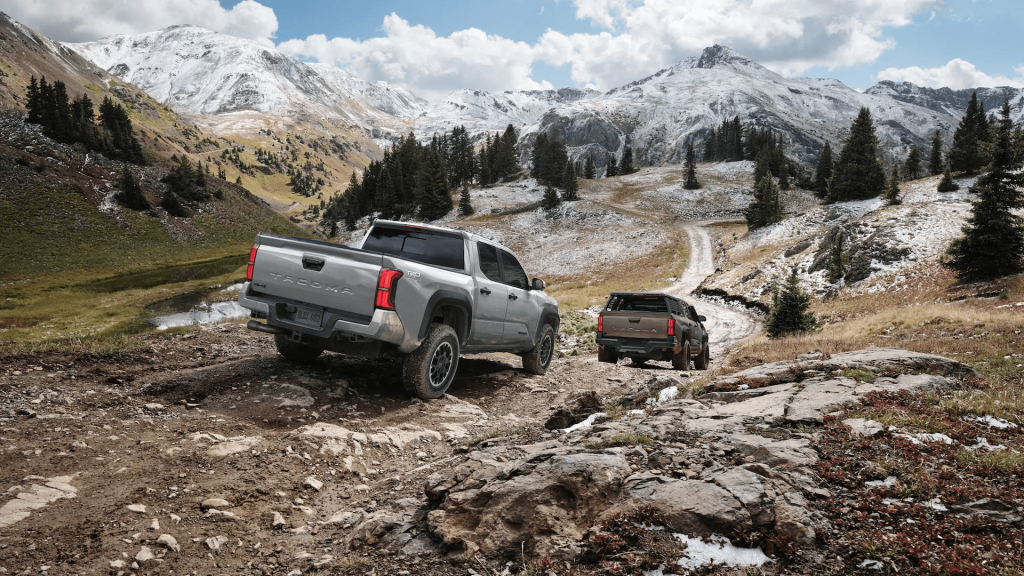
Four-Wheel Drive (4WD)
Advantages:
- First, it’s designed for rugged terrain like rocky trails, sand, deep snow, or muddy roads.
- Offers maximum traction in off-road or towing scenarios.
- Many 4WD vehicles feature low-range gearing for steep inclines and descents.
- Finally, it allows manual control over the drivetrain, which can be preferable for experienced drivers.
Disadvantages:
- Less fuel-efficient due to heavier drivetrain components.
- Requires driver engagement, which can be inconvenient or misused on dry pavement.
- Also, it’s not as smooth or efficient for daily commuting or highway driving in your Clermont Toyota.
- Lacks a Clermont Toyota center differential, which makes it unsuitable for extended use on regular paved roads.
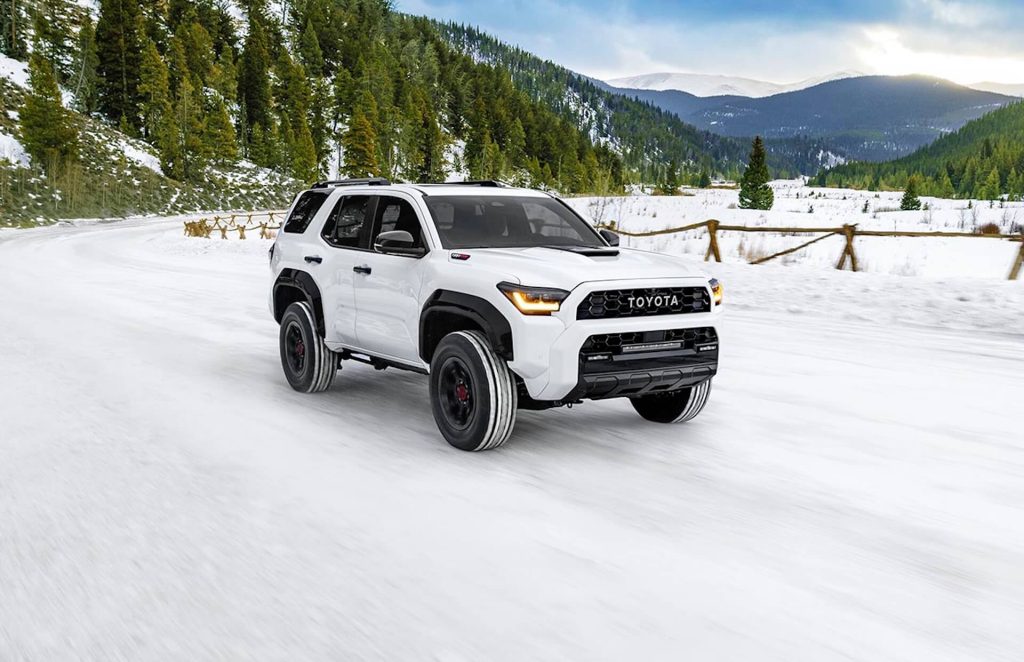
Which is Right for You: AWD vs 4WD
Which system wins in the great AWD vs 4WD debate? Well, this depends on your needs as a driver and your hobbies!
When deciding between AWD vs 4WD, you should choose AWD if:
- You live in an area with a ton of rain or snow.
- Mostly driving on pavement or well-maintained roads.
- You value convenience, comfort, and safety for daily commutes or family trips.
- Finally, if you want a modern AWD vehicle like the Clermont Toyota RAV4 or Highlander, that offers peace of mind in a variety of weather conditions.
When deciding between AWD vs 4WD, you should choose 4WD if:
- You enjoy weekend adventures on rough terrain or plan to go off-roading regularly.
- You live in a rural area where roads are less maintained and have steep inclines.
- You need to tow heavy loads or have things like a boat, RV, or anything similar.
- You’re shopping for a 4WD vehicle like the Clermont Toyota Tacoma or Tundra with off-roading capabilities and need that extra oomph on the highway.
Still unsure? Our team at Toyota of Clermont is happy to walk you through your options and help you test drive the AWD vs 4WD systems.

Why Road Conditions Matter: AWD vs 4WD
Also, it’s important to think beyond your daily routine when choosing AWD vs 4WD. Other things like weather and terrain can change quickly, and having the right drivetrain can make all the difference. AWD vehicles are the best option in cities and suburbs with varying road conditions. On the other hand, the 4WD systems dominate during off-road adventures or overlanding.
When choosing AWD vs 4WD, always think about where you’ll be driving the most!

Stop by Toyota of Clermont and Explore AWD vs 4WD
Stop by Toyota of Clermont at 16851 State Road 50, just west of the Florida Turnpike. Our expert sales specialists are ready to answer all your questions about AWD vs 4WD! Prefer to browse from the comfort of your couch? No problem! Shop online anytime or call us at (352) 404-7000 for more information.
Connect with us


- March 2026
- February 2026
- January 2026
- December 2025
- November 2025
- October 2025
- September 2025
- August 2025
- July 2025
- June 2025
- May 2025
- April 2025
- March 2025
- February 2025
- January 2025
- December 2024
- November 2024
- October 2024
- September 2024
- August 2024
- July 2024
- June 2024
- May 2024
- April 2024
- March 2024
- February 2024
- January 2024
- December 2023
- November 2023
- October 2023
- September 2023
- August 2023
- July 2023
- June 2023
- May 2023
- April 2023
- March 2023
- February 2023
- January 2023
- December 2022
- November 2022
- October 2022
- September 2022
- August 2022
- July 2022
- June 2022
- May 2022
- April 2022
- March 2022
- February 2022
- January 2022
- December 2021
- November 2021
- October 2021
- September 2021
- August 2021
- July 2021
- June 2021
- May 2021
- April 2021
- March 2021
- February 2021
- January 2021
- December 2020
- November 2020
- October 2020
- September 2020
- August 2020
- July 2020
- June 2020
- May 2020
- April 2020
- March 2020
- February 2020
- January 2020
- December 2019
- November 2019
- October 2019
- September 2019
- August 2019
- July 2019
- June 2019
- May 2019
- April 2019
- March 2019
- February 2019
- January 2019
- December 2018
- November 2018
- October 2018
- September 2018
- August 2018
- July 2018
- June 2018
- May 2018
- April 2018
- March 2018
- February 2018
- January 2018
- December 2017
- November 2017
- October 2017