


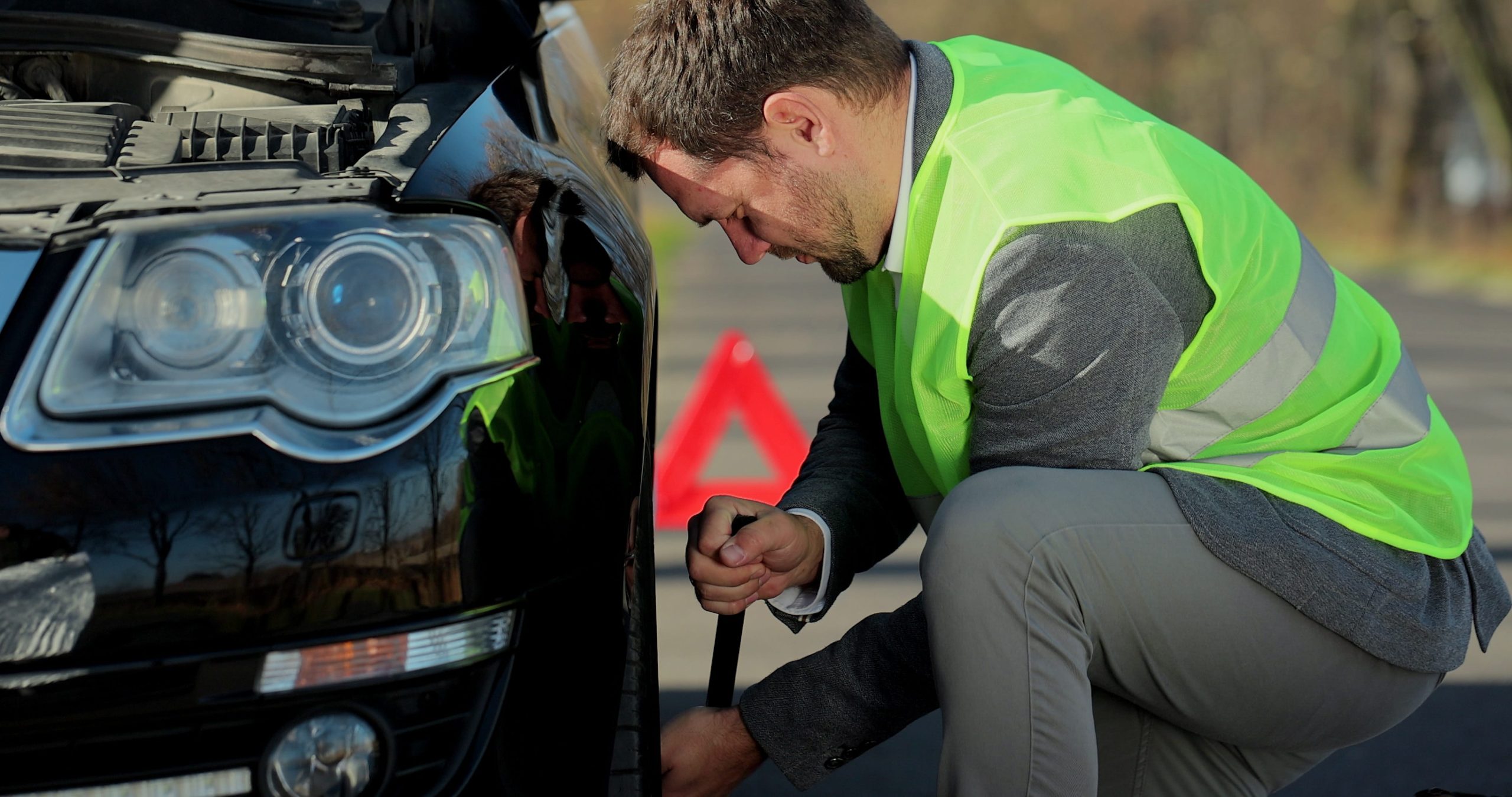
If you have ever found yourself stranded on the side of State Road 50 with a flat tire or dealing with a dead battery in the middle of a Florida summer, you know how valuable roadside assistance can be. Whether you’re commuting through Clermont, heading to the beach, or taking a weekend road trip, unexpected car trouble can happen when you least expect it.
The good news is that roadside assistance is designed to get you back on the road quickly and safely. Below, our team at Toyota of Clermont answers some of the most common questions Clermont drivers have about roadside assistance, when to use it, and how to stay prepared.
Executive Summary
- Roadside assistance provides emergency help: Services may include jump-starting a dead battery, changing a flat tire, unlocking your vehicle, towing, fuel delivery, and winching, depending on your coverage.
- Safety comes first during a breakdown: If your vehicle becomes disabled, move to a safe location if possible, turn on your hazard lights, stay inside your vehicle near traffic, and contact roadside assistance or emergency services if needed.
- Coverage and response times can vary: Most roadside assistance plans are available throughout Florida, but towing limits, included services, and wait times depend on your provider, location, weather, and traffic conditions.
- Florida’s climate increases the risk of breakdowns: Extreme heat, heavy traffic, hurricanes, and long road trips can lead to battery failures, flat tires, and other roadside emergencies, making roadside assistance especially valuable for Clermont drivers.
- Preventive maintenance helps you avoid roadside emergencies: Regular inspections, battery testing, tire maintenance, and keeping up with scheduled service can significantly reduce your chances of needing roadside assistance.
What Is Roadside Assistance?
Roadside assistance is a service that provides emergency help when your vehicle becomes disabled and can’t be safely driven. Instead of trying to solve the problem yourself, you can call your roadside provider and have trained professionals dispatched to your location. Depending on your plan, roadside assistance may include:
- Jump-starting a dead battery
- Changing a flat tire
- Delivering assistance if your keys are inside the vehicle
- Towing to a nearby repair facility
- Winching if your vehicle becomes stuck (under qualifying conditions)
Many new Clermont Toyota models include complimentary roadside assistance for a limited time, while other Clermont drivers receive coverage through their insurance company, credit card, or a membership organization.

Is Roadside Assistance Available Across Florida?
Yes. Most roadside assistance providers offer service throughout Florida, including major cities like Orlando, Clermont, Tampa, Miami, Jacksonville, and Tallahassee, as well as many smaller towns and rural highways. Keep in mind that response times can vary depending on:
- Weather conditions
- Traffic congestion
- Your exact location
- Demand during holidays or severe storms
For example, if you’re stranded on a busy interstate during a summer thunderstorm, wait times may be longer than they would be on a typical weekday.
What Should You Do If Your Car Breaks Down on a Florida Highway?
Safety should always come first. If possible:
- Move your vehicle completely onto the shoulder.
- Turn on your hazard lights immediately.
- Stay inside your vehicle if you’re close to fast-moving traffic.
- Call your roadside assistance provider.
- If you feel unsafe or are blocking traffic, call 911.
Clermont highways such as the Florida Turnpike, State Road 50, and US 27 experience heavy traffic every day, so it’s important to avoid standing outside your vehicle unless absolutely necessary.
What Information Should You Have Ready When Calling Roadside Assistance?
To help speed up service, be prepared to provide:
- Your exact location (GPS or nearby landmarks help)
- Your vehicle’s make, model, and color
- A description of the problem
- Your phone number
- Your roadside assistance membership information, if applicable
Many roadside apps can automatically share your GPS locations, making it easier for service providers to find you.
Can Roadside Assistance Fix Your Vehicle on the Spot?
Sometimes. If the issue is minor, the technician may be able to get you moving immediately. Common roadside repairs include:
- Jump-starting the battery
- Installing your spare tire
- Unlocking your vehicle
- Adding enough fuel to reach a nearby gas station
However, if the problem is more serious, such as engine trouble, transmission issues, or major electrical problems, your vehicle will likely need to be towed to a repair facility.
Does Roadside Assistance Cover Towing?
Most plans include towing, but the distance covered varies. Some roadside programs tow to the nearest qualified repair facility, while others include a specific mileage limit before additional charges apply. Before an emergency happens, it’s worth reviewing your coverage so you know:
- How many miles are included
- Whether there are service limits
- Which repair facilities qualify
- Whether there are additional fees
Can Roadside Assistance Help with a Flat Tire?
Absolutely. Flat tires are one of the most common reasons people call for roadside assistance. A technician can typically:
- Install your spare tire if it’s in good condition
- Check that it’s properly inflated
- Help determine whether the damaged tire should be repaired or replaced
If you don’t have a usable spare tire, your vehicle may need to be towed to a tire shop or dealership.
What Should You Do If Your Battery Dies in Florida’s Heat?
Florida’s high temperatures are especially tough on car batteries. Heat speeds up chemical reactions inside the battery and can shorten its overall lifespan. Many batteries in Florida wear out sooner than Clermont drivers expect. Roadside technicians can usually:
- Test your battery
- Jump-start your vehicle
- Recommend whether the battery should be replaced
If your battery repeatedly dies, schedule a battery inspection as soon as possible to avoid another breakdown.
Can Roadside Assistance Help If You’re Locked Out of Your Car?
Yes. Lockout assistance is included with many roadside assistance plans. A technician can often unlock your vehicle without damaging the locks or windows. If you drive a newer Toyota equipped with Smart Key technology, the process may differ depending on the vehicle and situation
Avoid attempting to force your door open yourself, as this can easily damage weather seals, trim, or the locking mechanism.
What If You Run Out of Gas?
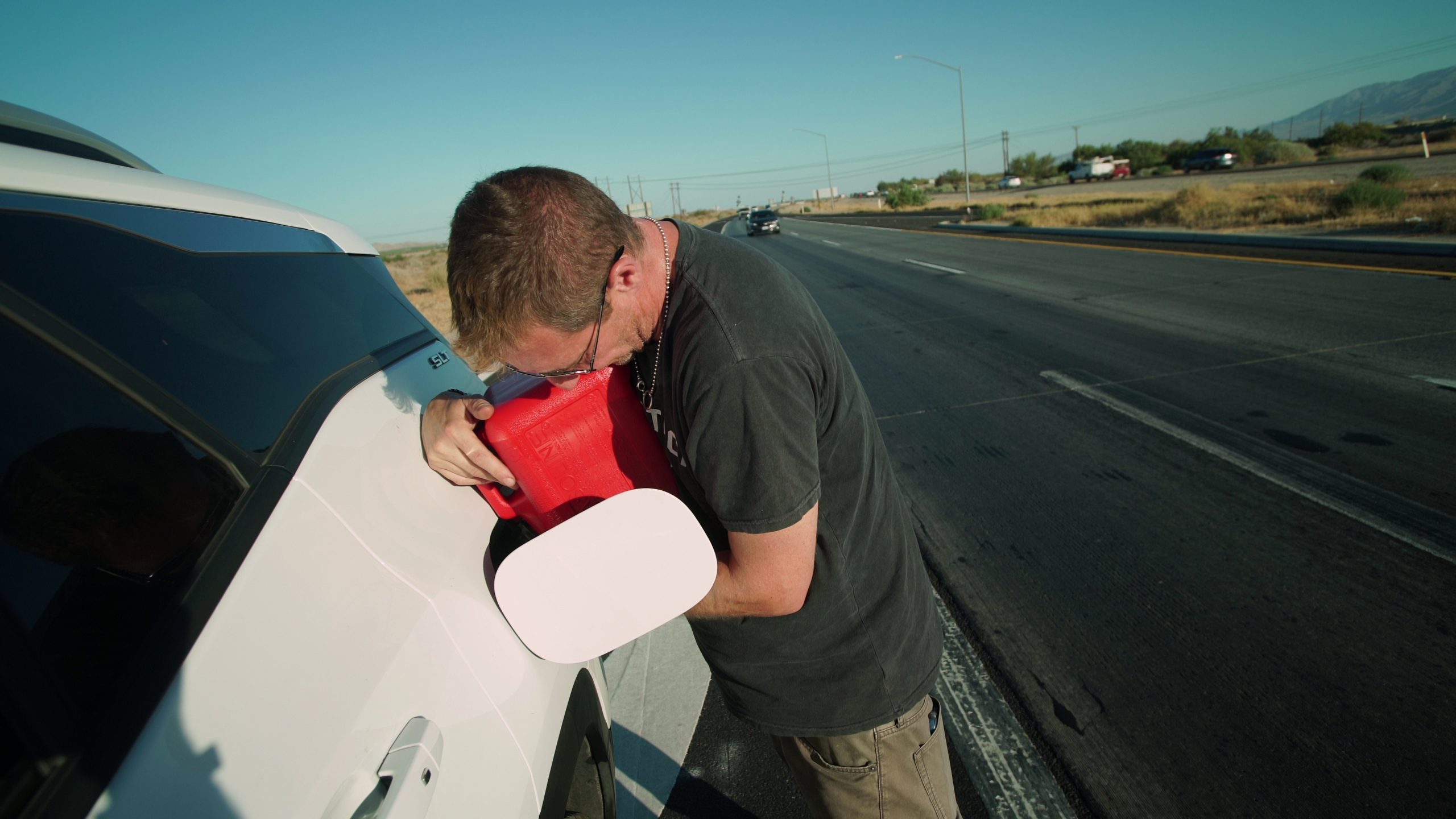
It happens more often than you might think. Most roadside assistance plans will deliver enough fuel to allow you to reach the nearest gas station. Depending on your provider:
- The fuel may be included.
- You may pay only for the fuel delivered.
- Additional delivery fees could apply.
It’s always smart to refill before your fuel gauge gets too low, especially if you’re traveling through less populated areas of Florida.
Can Roadside Assistance Help After a Hurricane?
It can, but response times may be longer following major storms. Florida’s hurricane season runs from June through November, and severe weather can create widespread road closures, flooding, and fallen trees. If your vehicle becomes disabled after a storm:
- Stay away from floodwaters.
- Never attempt to drive through standing water.
- Contact roadside assistance once you’re in a safe location.
- Follow any local emergency guidance regarding road closures.
Emergency conditions may delay service until roads are safe for responders.
Is Roadside Assistance Worth Having in Florida?
For many Clermont drivers, yes. Florida’s combination of heavy traffic, intense summer heat, long-distance travel, and unpredictable weather makes roadside assistance a valuable safety net. Even if you never need a tow, having access to help for a dead battery, flat tire, lockout, or empty fuel tank can save time, reduce stress, and help keep you safe.
How Can You Reduce Your Chances of Needing Roadside Assistance?
Preventive maintenance goes a long way. Here are a few ways to lower your risk of a breakdown:
- Check your tire pressure monthly.
- Replace worn tires before they fail.
- Test your battery annually.
- Keep up with oil changes and scheduled maintenance.
- Watch for dashboard warning lights.
- Replace worn windshield wipers before Florida’s rainy season.
- Keep your fuel tank from getting too low.
- Carry a basic emergency kit with water, a flashlight, and a phone charger.
Regular maintenance won’t eliminate every surprise, but it can significantly reduce your chances of ending up stranded.
Be Prepared Before Your Next Florida Drive
No one plans for a flat tire, dead battery, or unexpected breakdown, but these situations can happen to any Clermont driver. Having roadside assistance gives you peace of mind knowing help is just a phone call away, whether you’re driving through Clermont, taking a trip down the Florida coast, or heading across the state.
If your vehicle has been giving you any warning signs, you can schedule service by giving us a call at (352) 404-7000 or visit us in person at 16851 State Road 50, just West of the Florida Turnpike.
FAQs
1. Is roadside assistance included with a new Toyota?
Many new Toyota vehicles come with complimentary ToyotaCare, which includes 24-hour roadside assistance for a limited period or mileage. Coverage varies by model year, so it’s a good idea to review your warranty information or contact Toyota of Clermont to confirm what’s included with your vehicle.
2. How long does it usually take for roadside assistance to arrive?
Response times depend on factors such as your location, traffic, weather, and overall demand. In most situations, help arrives within 30 to 60 minutes, though severe storms, heavy traffic, or busy travel periods can result in longer wait times.
3. Can roadside assistance come to my home or workplace?
Yes. Roadside assistance isn’t limited to highways or public roads. Whether your vehicle won’t start in your driveway, at work, or in a parking lot, most providers can dispatch a technician to your location to help with services like jump-starts, lockouts, flat tires, or towing if needed.
Connect with us


- September 2026
- August 2026
- July 2026
- June 2026
- May 2026
- April 2026
- March 2026
- February 2026
- January 2026
- December 2025
- November 2025
- October 2025
- September 2025
- August 2025
- July 2025
- June 2025
- May 2025
- April 2025
- March 2025
- February 2025
- January 2025
- December 2024
- November 2024
- October 2024
- September 2024
- August 2024
- July 2024
- June 2024
- May 2024
- April 2024
- March 2024
- February 2024
- January 2024
- December 2023
- November 2023
- October 2023
- September 2023
- August 2023
- July 2023
- June 2023
- May 2023
- April 2023
- March 2023
- February 2023
- January 2023
- December 2022
- November 2022
- October 2022
- September 2022
- August 2022
- July 2022
- June 2022
- May 2022
- April 2022
- March 2022
- February 2022
- January 2022
- December 2021
- November 2021
- October 2021
- September 2021
- August 2021
- July 2021
- June 2021
- May 2021
- April 2021
- March 2021
- February 2021
- January 2021
- December 2020
- November 2020
- October 2020
- September 2020
- August 2020
- July 2020
- June 2020
- May 2020
- April 2020
- March 2020
- February 2020
- January 2020
- December 2019
- November 2019
- October 2019
- September 2019
- August 2019
- July 2019
- June 2019
- May 2019
- April 2019
- March 2019
- February 2019
- January 2019
- December 2018
- November 2018
- October 2018
- September 2018
- August 2018
- July 2018
- June 2018
- May 2018
- April 2018
- March 2018
- February 2018
- January 2018
- December 2017
- November 2017
- October 2017