


Updated on February 16, 2026
Executive Summary
- Importance of Wheel Alignments: Wheel alignments help your car drive straight, handle properly, and keep you safe on the road.
- What Happens If You Don’t Address the Issue: Poor alignment can cause uneven tire wear, worse gas mileage, steering problems, and expensive repairs.
- Frequent Causes: Potholes, curbs, rough roads, and accidents can easily knock your wheels out of alignment.
- Frequency of Wheel Alignments: Most vehicles need a wheel alignment every 2–3 years — or sooner if you install new tires or notice issues.
- Common Indicators For Service Needed: Signs you need one include pulling to one side, uneven tire wear, a shaking steering wheel, or squealing tires.
When it comes to routine car maintenance, most people are familiar with the basics. You know you should schedule routine oil changes and that it’s necessary to have your tires rotated regularly. You might even know that you need to schedule brake service and battery checks on a routine basis, too. However, do you know when and why to schedule a wheel alignment?
Wheel alignments are one of the most commonly overlooked auto services, yet they play a major role in how your vehicle handles, how long your tires last, and how safe your daily drive really is. Whether you’re commuting around Clermont, heading into Orlando, or taking a longer Florida road trip, proper alignment helps ensure your vehicle performs the way it was designed to. We’re here with facts straight from our Clermont Toyota service experts, so you know exactly when it’s time to schedule this important maintenance.
What Is a Wheel Alignment?
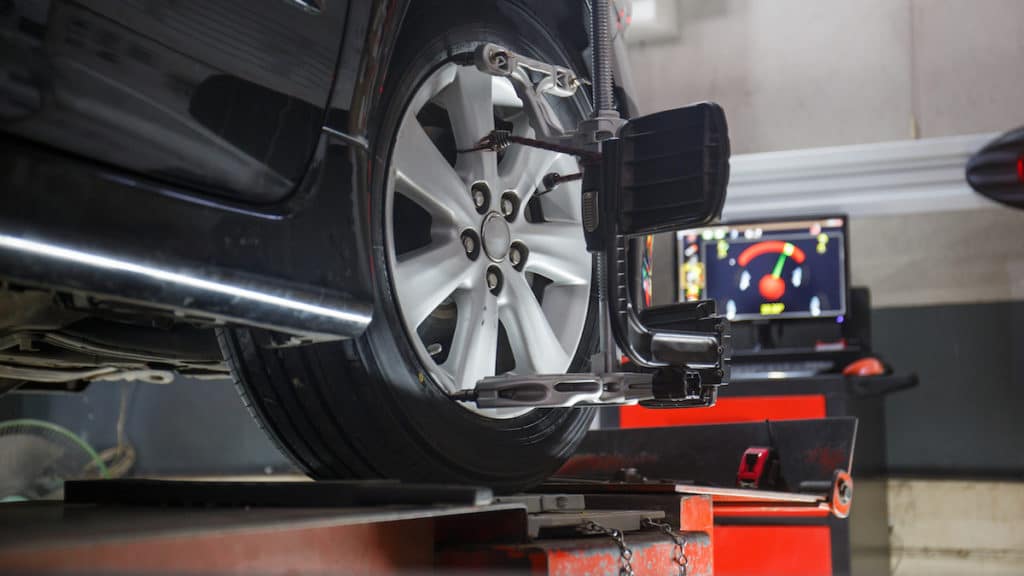
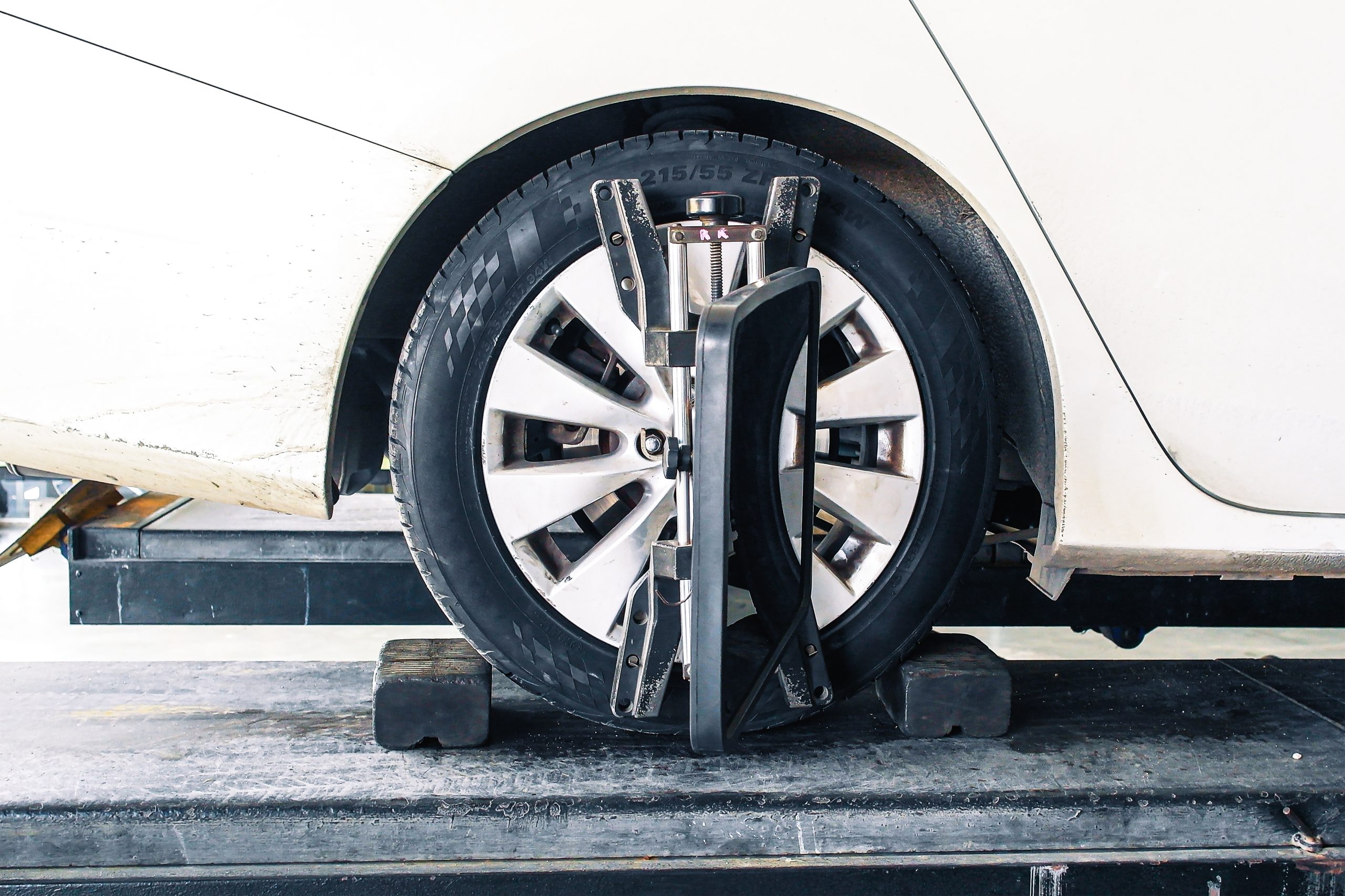
Before you understand when and why you need to schedule a wheel alignment, you need to know what one is! This auto service is when our Clermont Toyota service techs make sure that all your tires and axles are pointing in the same direction – basically, they square everything up so your vehicle tracks straight down the road. During a wheel alignment, technicians carefully adjust angles such as camber, caster, and toe to match Toyota’s factory specifications. They may also inspect certain suspension components and check to ensure your steering wheel is properly centered. Even small alignment issues can affect how your car drives, so precision is key.
Why are wheel alignments so important? Without them, you can wear out your tires faster, reduce fuel efficiency, do damage to your axles and suspension, and even compromise your vehicle’s ability to respond correctly in emergencies. Over time, driving with poor alignment can increase repair costs and shorten the lifespan of major components.
That’s why it’s so important to get them on a routine basis… but what’s a routine basis? Our Clermont auto service techs say every 2-3 years is generally a good rule of thumb unless you get into an accident, hit a curb or pothole, or install a new set of tires. When you give your car a new set of shoes, they need a wheel alignment before you get back out on the road to ensure even wear from day one.

What Can Cause Your Wheels to Fall Out of Alignment?
Wheel alignment issues don’t always happen gradually. Everyday driving conditions around Central Florida can knock things out of place faster than you might expect. Hitting potholes, driving over uneven pavement, brushing curbs while parking, or even driving on rough construction zones can all affect your alignment. Minor collisions and worn suspension components can also contribute. That’s why it’s smart to stay alert for warning signs and schedule service as soon as something feels off.
When Is It Time to Schedule This Auto Service?
However, not everyone can wait 2-3 years before scheduling a wheel alignment. In fact, many drivers experience alignment issues much sooner. Here are 4 signs you need to call Toyota of Clermont’s service center now to schedule an appointment:
1) Your Car Pulls to One Side
Does it feel like your car is pulling against the steering wheel to the left or right? Or maybe when you briefly take your hands off the wheel, your ride drifts to one side instead of continuing in a straight line. This can make driving more tiring and less predictable, especially on highways. Both are clear signs you’re due for a wheel alignment and need to get your car in ASAP.
2) Your Tires Are Wearing Unevenly
Your tires should wear evenly, especially if you schedule routine Orlando tire rotations and keep them properly inflated. If you notice excessive wear on the inside or outside edges of your tires, it usually means things are out of whack when it comes to your wheels. Uneven wear can shorten tire life dramatically, costing you money sooner than expected. Our auto service techs can realign your wheels and help protect your tire investment.
3) Your Steering Wheel is Shaking
If your steering wheel is shuddering or shaking while you’re driving – and you’re not on rough or off-road terrain – then it’s time to plan a visit to our Toyota of Clermont service center. While shaking can sometimes be caused by tire balance issues, alignment problems are a common culprit and should be checked promptly.
4) Your Tires Are Making Squealing Noises
Your tires shouldn’t make odd squealing or squeaking noises during normal driving or turning. If they are, it’s possible that things are misaligned when it comes to your wheels, causing excessive friction with the road. Let our techs explore what’s going on so you can restore smooth, quiet driving and prevent further damage.
Schedule Your Next Wheel Alignment Today!
Need to schedule service? Don’t ignore the signs – staying proactive with wheel alignment service can save you money, extend the life of your tires, and help keep you safe on the road.
Call us today to schedule your appointment. Toyota of Clermont’s service center is open seven days a week at 16851 State Road 50, just west of the Florida Turnpike. You can reach us at (352) 404-7001.
Common FAQs for Wheel Alignments
-
When is it time to replace tires?
You should replace your tires when you notice clear signs of serious damage like tears, bulges, or sidewall failures. Other signs include if your tire regularly loses air pressure and can’t hold the proper PSI, or if the tread is too thin and fails the penny-test.
-
Why is your steering wheel shaking?
There can be various causes for your Toyota’s steering wheel to shake, such as unbalanced tires, wheel misalignment, brake problems, or a worn-out or damaged part. If you notice a shaking steering wheel, bring your car to our Toyota of Clermont Service Center.
-
How is alignment different from balancing?
Balancing evens out the weight around each wheel on your Toyota so it spins smoothly without vibration. Alignment adjusts the angle of your wheels so they sit perpendicular to the road and parallel to each other for proper handling.
Connect with us


- March 2026
- February 2026
- January 2026
- December 2025
- November 2025
- October 2025
- September 2025
- August 2025
- July 2025
- June 2025
- May 2025
- April 2025
- March 2025
- February 2025
- January 2025
- December 2024
- November 2024
- October 2024
- September 2024
- August 2024
- July 2024
- June 2024
- May 2024
- April 2024
- March 2024
- February 2024
- January 2024
- December 2023
- November 2023
- October 2023
- September 2023
- August 2023
- July 2023
- June 2023
- May 2023
- April 2023
- March 2023
- February 2023
- January 2023
- December 2022
- November 2022
- October 2022
- September 2022
- August 2022
- July 2022
- June 2022
- May 2022
- April 2022
- March 2022
- February 2022
- January 2022
- December 2021
- November 2021
- October 2021
- September 2021
- August 2021
- July 2021
- June 2021
- May 2021
- April 2021
- March 2021
- February 2021
- January 2021
- December 2020
- November 2020
- October 2020
- September 2020
- August 2020
- July 2020
- June 2020
- May 2020
- April 2020
- March 2020
- February 2020
- January 2020
- December 2019
- November 2019
- October 2019
- September 2019
- August 2019
- July 2019
- June 2019
- May 2019
- April 2019
- March 2019
- February 2019
- January 2019
- December 2018
- November 2018
- October 2018
- September 2018
- August 2018
- July 2018
- June 2018
- May 2018
- April 2018
- March 2018
- February 2018
- January 2018
- December 2017
- November 2017
- October 2017