
Blog / Toyota Service

Blog

All Toyota Service Clermont Toyota Tips New Toyota Clermont Toyota News Fun Friday Used Cars Clermont Toyota Service Toyota of Clermont Service
auto service

A quick guide to car tires

Is shopping for car tires not exactly at the top of your must-do list? We get it - not only are tires not cheap, but there are also tons of options out there so choosing the right one for your vehicle AND your driving needs can be confusing, to say the least. At Toyota of Clermont, we have a great selection of affordable car tires for sale, but we also have a staff full of knowledgeable auto service techs who can ensure you choose the right ones. We sat down with them to build out a quick guide of the main types of car tires - read on. The 5 types of car tires you can shop #1: Summer tires: Summer tires were designed for milder climates that don't dip below 45 degrees in the winter. They work well in both wet and dry conditions and have unique tread patterns with orbital grooves for superior handling in dry summer conditions. They're a great bet for Clermont drivers since we rarely see harsh winter weather. #2: All season tires: All season tires are similar to summer tires - they work well in both wet and dry conditions - but they can also handle light snow and ice if you live in a location that gets milder winters. They're not cut out for climates that see heavy snow and ice, so beware if you're headed north into those types of conditions. You can typically choose from two types of all-season tires: Touring and Passenger. Touring tires offer better handling and are quieter, while Passenger tires provide a smoother ride and tend to last a bit longer. #3: Winter tires: Winter or snow tires are designed to take on seriously heavy winter conditions. They're made from a special kind of rubber that stays soft and pliable even in frigid temperatures and tend to be more durable than all season tires. Additionally, they have deep treads with lots of grooves and fissures to cut through slush or snow and provide you with the best traction possible. #4: Truck tires: If you drive a truck, you've got a lot of car tire options up for grabs. Here are the main subtypes of truck tires: Highway, which provide a smooth and quiet ride even on the highway Performance, which operate well at high speeds and in tricky handling situations Off-road, which are perfect for deep mud, loose sand, and heavy snow All-terrain, which are versatile enough to tackle a variety of terrains including gravel, light mud, and sand #5: Performance tires: Performance tires are great for the track, but they're also great if you just like the feeling of driving at high speeds with excellent cornering and handling capabilities (even if you just stick them on your sedan). You can choose from performance, high performance, ultra-high performance, and competition options. Let Toyota of Clermont help you choose the right car tires Have questions or want to shop car tires? Call Toyota of Clermont today! You can reach us seven days a week at (352) 404-7001 OR stop by and see our selection and chat with our techs in person at 16851 State Road 50. Don't forget to ask about our tire specials!

Toyota of Clermont tips

The ins and outs of car transmissions

There's a lot going on under the hood of your car the minute you turn the key in the ignition. And here at Toyota of Clermont, we think that the best way to feel confident as a car owner AND when it comes to car maintenance and repairs is to educate yourself on the inner workings of your ride! Today we're talking car transmissions and explaining the basic types of transmissions and how they work so you can understand why they're so critical to performance. The basics of car transmissions There are two main types of car transmissions - manual and automatic. Here are the main differences between the two: Manual transmissions require that the driver manually shift between gears as the car accelerates and slows, using a gear shifter and a clutch. This requires a lot of focus from the driver since they're responsible for ensuring the car speeds and slows. This type of car transmission used to be the most common, but isn't as popular anymore since it does require the driver to maintain control. Automatic transmissions are just what they sound like - the car automatically shifts up and down through the gears as the car accelerates and decelerates. These types of car transmissions are the most common nowadays because they make for such an easy drive time. However, while you'll find these types of shifts smoother and less noticeable, automatic cars usually get a bit less fuel efficiency due to a lag in between shifts. Toyota of Clermont explains the main types of car transmissions Let's break things down even further now. Automatic car transmissions actually come in four different configurations, and here they are: Conventional automatic: This type of transmission is fairly common. It uses a torque converter and electronically-controlled clutch pack to shift gears for you, so all you have to do is sit back and press the gas and brake pedals. Continuously variable transmission: We see this type of transmission (also called a CVT) pretty often amongst our Clermont Toyotas. Hear us out - it doesn't actually shift. Sounds weird, but it's true. Instead, it uses pulleys as opposed to gears to transition your car between speeds and RPMs. This reduces the "shifting" feel that you'd feel in a conventional automatic or manual, but it can be a bit noisier and also doesn't produce as much power. Automated manual: This particular type of car transmission is a mix between a manual and an automatic. It doesn't have a manual clutch; it actually uses a computer-automated clutch in place of that. These types of Clermont Toyotas usually have either manual sport modes or paddle shifters so you can let the car shift for your OR have a little fun and do the shifting yourself (without having to push a clutch pedal). Dual-clutch automated manual: This type of unique car transmission isn't too common. It has two different gear shafts - one is numbered in odd numbers and the other is numbered in even numbers, ending up with a total of 7 gears. Your car's computer will preselect the gears and automatically shift between them, disengaging them in between shifts to get you to the speed you want. Have questions about car transmission? We've got answers. Call Toyota of Clermont today at (352) 404-7001!

Clermont car engines

Gasoline vs Diesel Car Engines: The Differences

When it comes to industry-wide changes and several trends cycling simultaneously, the automotive industry is truly a poster child. Currently, strides are being made to patent more stable and sustainable alternative fuel options like electric battery power, hydrogen fuel, the evolution of hybrids, and so on. There's also a general enthusiasm within the industry to introduce self-driving technology to remove human error from driving and thereby making it much safer! With all this going on we sometimes have to remind ourselves that these technological advances are still a little ways away from appearing in your driveway. While we wait for an electric powered fully self-driving car to come our way, most of us are still working with good old petrol when it comes to power. However, even with petrol there are still choices. Many drivers are on the fence of whether to go with diesel or gasoline as fuel power for their next vehicle. If you're one of these people, Toyota of Clermont is here to cut through the noise about car engines. The Basics of How Engines Work Most of us understand the simple concept of pushing the gas pedal equals car going. To better understand what sets diesel and gasoline Clermont car engines apart (aside from their fuel type), let's go over how engines work. Clermont car engines, on a basic level, work by igniting fuel with a spark. Using belts, hoses, and pistons, engines move fluids, fuel, and more throughout the engine compartment to generate power and create motion for your car. Now the good part, what makes diesel and gasoline engines so different? A gasoline engine generates its spark for fuel ignition by using spark plugs. These small parts ignite air after its compressed by the engine. Diesel Clermont car engines lack spark plugs and instead use extreme compression to generate a high amount of heat to create a spark. Diesel engines use less parts than their internal combustion counterparts and are able to burn fuel more efficiently. Because of this, diesel engines can also produce more power with less fuel capacity and smaller size. An example of this can be found with the Toyota Mega Cruiser. This Humvee lookalike vehicle used a diesel inline 4-cylinder engine which is must smaller than the car engine in the Humvee. Because of the fuel and engine type, the Mega Cruiser produces more horsepower and torque compared to the Humvee. When it comes to price, diesel fuel is often more expensive than gasoline. Drivers also have several types of gasoline fuel available depending on budget and engine preference but there's only one type of diesel fuel available. Less is always more. Diesel engines are often more durable and require less repair because they operate with fewer components. Gasoline Clermont Toyota car engines can be found in almost every car under the sun while there aren't too many vehicles out there with diesel engines under their hoods. But, if you plan on driving on the highway more often than not, a diesel engine might prove more fuel efficient and you could repay your fuel investment over time. Still have questions about these two car engine types and how they work? Give Toyota of Clermont a call ast (352) 404 - 7000 or chat with us online!

Clermont Toyota car care tips

10 common car maintenance terms you should know

Do you feel confident when you walk in the doors of our Clermont Toyota service center? We want you to - after all, your car is in good hands when you leave it with our trained Toyota technicians. However, we know that getting car maintenance can be a little nerve-wracking, even if it's routine car care. That's why we've taken the time to come up with a list of some of the most common car maintenance terms that will help you get a firmer grasp on what goes on under the hood so you can feel more confident when it comes to your car care. Get more confident about your car maintenance #1: Oil filter: This important car part plays a big role in keeping your engine running. The oil filter prevents any dirt, debris, or anything else that can be abrasive from getting into your engine (where it can do pretty costly damage). This is why it's key to replace the oil filter routinely. #2: Catalytic converter: Your catalytic converter plays an essential role in both your safety and your environmental responsibility. It's part of the exhaust system and basically, it converts toxic gases into safer emissions before they're released by your vehicle. <span data-mce-type="bookmark" class="mce_SELRES_start"></span><span data-mce-type="bookmark" class="mce_SELRES_start"></span> #3: Air filter: Your air filter is part of the air intake system, and this part prevents dirt and debris from getting sucked into the engine when it pulls air in. #4: OEM: OEM stands for Original Equipment Manufacturer and applies to car parts. If you see an OEM part, it means that the automaker who manufactured your vehicle made the part and it's not an aftermarket part. #5: Spark plug: In order to get your car up and running, ignition has to take place... and that means you need a spark to create the internal combustion that gets your engine going. This is where your spark plugs come in - they provide that spark. #6: Fuel pump: Your fuel pump is the car part responsible for moving fuel from the gas tank to the engine, so it's critical for performance. #7: Alternator: Your alternator also plays a big role in getting your car started as this part is responsible for keeping your car battery charged and ready to go. It also powers ignition and your car's electrical systems when it's turned on. #8: Timing belt: The timing belt helps to ensure that critical parts are moving in sync with one another, which in turn ensures that valves open and close when they should to keep your engine working in top condition. #9: Head gasket: The head gasket acts as a seal between the cylinder head and engine block. It seals off the internal combustion that takes place in your engine when you start your car, and also prevents coolant and oil from mixing inside the engine (which would be a big problem). #10: Dipstick: The dipstick is a slim metal rod with a handle that you use to check your oil's level and condition. Basically, this rod reaches down into the oil reservoir and when you pull it out of the engine, you can check both the level and how clean the oil is to ensure your car can still efficiently run. Schedule car maintenance at Toyota of Clermont today Have questions? Want to get rolling on routine car maintenance? Call Toyota of Clermont! We're open seven days a week at (352) 404-7001 and you can also visit our car maintenance center at 16851 State Road 50, just west of the Florida Turnpike.

car parking brake

What you need to know about your car parking brake

When was the last time you serviced your car's parking brake? What about using it - can you recall the last time you put this important part into action? Regardless of whether or not you use it often, it's important to know the ins and outs of your car parking brake so you know when it can benefit you, HOW to use it, and what you need to do to take care of it. Toyota of Clermont is here with all the answers you need straight from our auto service techs. 4 things to know about your parking brake 1. You should never drive with the parking brake on. Driving with your car parking brake on can do major damage to your braking system. It can wear down your brake pads quickly, as well as cause excessive heat in the system that can do other types of expensive damage. You'll typically realize pretty fast if your parking brake is on when you drive - the resistance is very noticeable. However, it's also a good idea to check it to ensure it's actually off before you hit the road. 2. You shouldn't engage it before you put the car in park. Many drivers put their car in park and then engage the parking brake. You should do the opposite! When you put the car in park and then put the brake on, it causes the car to rock back, which puts weight on the transmission. Instead, find your parking spot and put the car parking brake on before you take your foot off the brake (while the car is still running). After the brake is engaged, put your car into park and switch it off. 3. There are several different types of parking brakes. There's more than one type of parking brake; it varies based on your vehicle's make and model. Some cars (like the Clermont Toyota Prius) simply have a button to engage the brake. Other cars have a hand brake. It's located in between the driver and passenger's seat (near your gear shifter). You engage it by pulling it up until it locks and then release it by pushing the button on the end and pushing it back down. Other cars still have a foot brake pedal. It's located down near the accelerator and actual brake pedal, and you push it down with your left foot to engage it. To release it, you simply push down it and then let go. 4. Your parking brake needs to be maintained and adjusted. Just like any other car part, wear and tear will take its toll on your parking brake, especially if you use it often or if your car has been sitting idle for a while. Let our Clermont Toyota service techs take a look at it so they can see if the lines need to be replaced or if corrosion has built up anywhere. Toyota of Clermont can help you care for this important car part If you have questions or think you need service for this essential part, call Toyota of Clermont at (352) 404-7001 or stop by and see us at 16851 State Road 50, just west of the Florida Turnpike.

Toyota of Clermont tips

5 brake issues to look out for

Do you feel like your car brakes aren't operating at the capacity they should be? It may be time to schedule an appointment at Toyota of Clermont to have our techs give them a once over. After all, your car brakes are critical to performance and safety and you don't want to take any chances when it comes to their capabilities. It's wise to stick to a routine brake service schedule AND be able to spot issues when they first develop so you can nip them in the bud and get back on the road. Toyota of Clermont's auto service techs are here to discuss some of the most common brake issues and what they mean. Don't let these common car brake issues keep you off the road Issue #1: Your brakes feel difficult to push down. Is it hard to engage your brakes and take more pressure than normal to put them into use? This could indicate that you've got issues with your car brake system - particularly, with the vacuum hose, a bad power booster, brake pads that are overworn, or a caliper that has seized up. Whatever it is, our Clermont auto service techs will need to see your vehicle to get you safely back on the road. Issue #2: Your brakes don't disengage properly when you release them. <span data-mce-type="bookmark" class="mce_SELRES_start"></span> Are you having an issue with your car brakes still braking even after you've released the brake pedal? This is typically caused by a problem with a pinched brake line or a seized caliper. It can also mean that you have a clog in the master cylinder or that you are having an issue with your parking brake cable. Let our Clermont car brake specialists find the root of the problem for you! Issue #3: Your brakes feel soft when you press them. Does it feel like your brakes are almost mushy when you press them, and that you have to press them a lot harder to get the desired slowing or stopping? This can indicate a multitude of issues, including: a blown brake line, a problem with your brake fluid (like it's too low or has a leak), a bad wheel bearing, or even an issue with your master cylinder. Soft brakes are unsafe, so don't delay having them inspected. Issue #4: Your car shakes or vibrates when you hit the brakes. If your car shudders, shakes, or vibrates when you hit the brake pedal, it means rotor problems. Whether your rotors have build-up them or are warped from excessive heat (which happens when your brake pads are too thin). Our car brake service techs will either have to clean, resurface, or replace them (depending on how bad the warping is). Issue #5: Your pedal sinks to the floor while it's being used. When you're holding your brake pedal down (like at a stoplight), does it feel like it's sinking to the floor and losing resistance? This can be due to a problem with your brake pressure. There's either an issue with the master cylinder - it could be a leak or a blown seal, but our Clermont Toyota service techs need to check it out to ensure it's fixed properly. Toyota of Clermont can get you safely back on the road Have questions or want to schedule car brake service at Toyota of Clermont? Call us! We're open seven days a week at (352) 404-7001.

car cleaning hacks

How to detail your car on a budget

Part of responsible car ownership is keeping your ride clean and tidy at all times. Not only does it make your drivetime that much more pleasant, but it also helps keep the resale value high. However, we know some drivers are on a budget and it can be tough to buy expensive car detailing supplies when you're trying to cut costs. Toyota of Clermont is here to help with the assistance of our car detailing experts - our auto service techs! Check out these easy ways to detail your car while still sticking to your budget. Car detailing on a budget: the interior If your fabric seats need a little bit of freshening up, try using regular dish soap, warm water, and a sponge (make sure you give them plenty of time to dry). If you have a stubborn stain, you can mix baking soda and water (1/4 cup baking soda, 1 cup warm water) to make a paste. Scrub the stain, wipe it clean, and let dry! Club soda is also a great stain remover if you're in a pinch, according to our Clermont auto service specialists. You don't have to buy expensive car detailing supplies to clean the interior of your car - believe it or not, some olive oil on a soft cloth is a great way to wipe down vinyl, SofTex, leather, and plastic and get it looking like new again. If your car has any odors lingering inside of it, they can be tough to get rid of. However, it's easy and inexpensive to get rid of them! You can put a small bag of charcoal under a front seat - charcoal is a great odor absorber. To freshen things up, putting some dryer sheets under the seats can help. Another easy fix? Sprinkle the upholstery, carpet, and any other fabric surfaces with scented baking soda, let it sit for a few hours, and then vacuum it up. Car detailing on a budget: the exterior We know that special car detailing soaps can add up - but luckily, you don't have to buy them if you're on a budget. However, resist the urge to use regular dish soap on the exterior of your Clermont Toyota. It can actually do damage to your car's paint; the chemicals in it can strip your vehicle of its protective coating. It's a much more cost-effective solution to use a bit of hair conditioner in warm water. The exterior of your car will repel water AND look super shiny! Need to give your windows a once-over? Using ammonia-based cleaners (like Windex) can do damage to the glass and your tint, so avoid it. Instead, mix vinegar with warm water and clean your windows with that mixture and crumpled newspaper. Newspaper is actually more durable than paper towels, and it won't leave those tiny white flecks all over the window after you clean. Have questions about car detailing on a budget? Call Toyota of Clermont today at (352) 404-7000!

Clermont Toyota service tips

What to expect when you schedule brake service at Toyota of Clermont

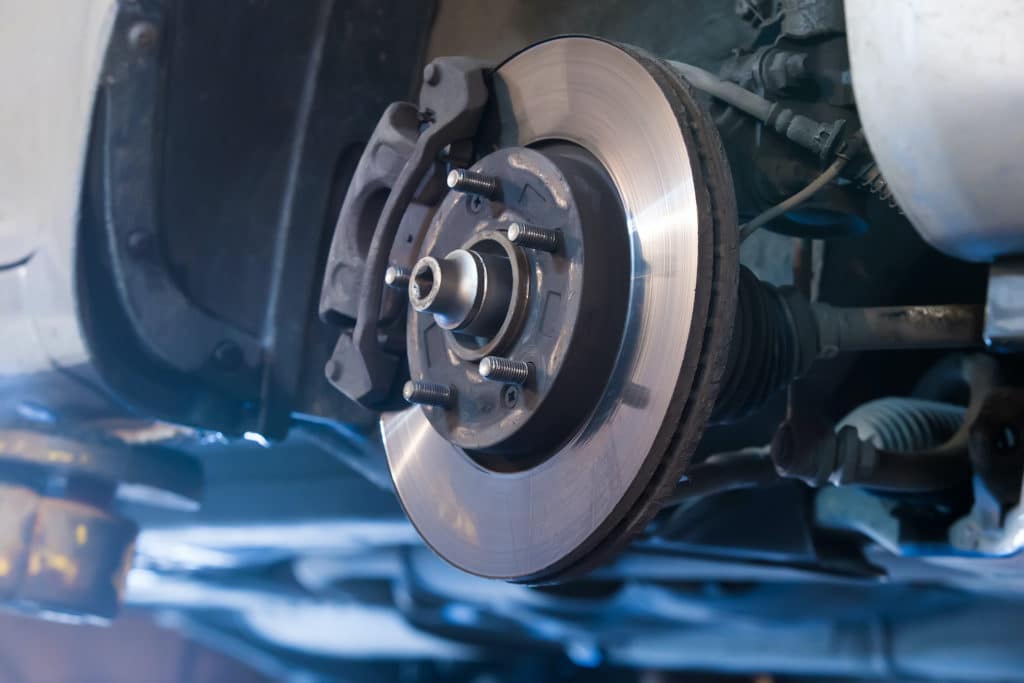
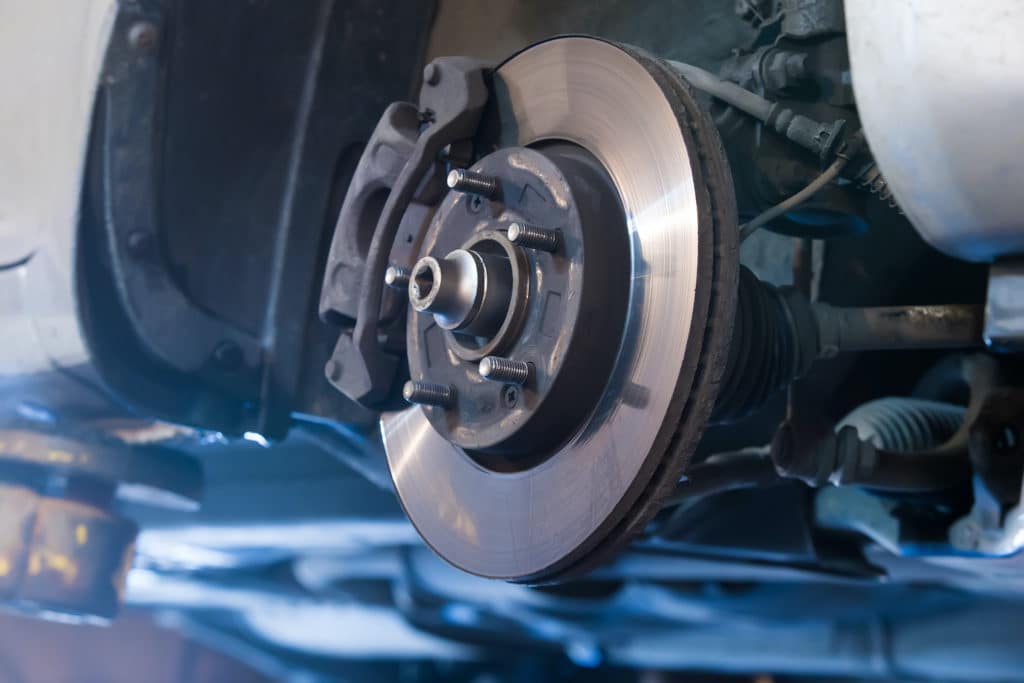
When you make your list of car care to-dos, you probably have items like oil changes, tire rotations, and detailing near the top. However, you might want to add one more item up there in the top five section of the list - brake service. This auto service is critical to performance and safety, and it should be performed regularly at our Clermont Toyota service center to ensure that you have full stopping power on your side at all times. Toyota of Clermont is here to explain what brake service is and what you can expect when you drop your car off for it at our car care center. What's in your car's braking system? Before we can properly explain what happens during brake service at our Clermont car care center, we have to go into a little more depth concerning your brake system and what's in it. Here's the basic breakdown of the main components: Brake pads: Your brake pads are thin pads that, when you press your brake pedal, press against your rotor to create friction. This friction is what slows your vehicle and brings it to a safe stop. Calipers: The calipers are metal pieces that hold your brake pads in place and when you press the brake pedal, they press the pads against the rotors to create the aforementioned friction. Rotors: The rotors are metal discs that the brake pads press against to slow and stop your vehicle. Brake lines and fluid: Your brake lines connect your brake pedal to the rest of the braking system. Brake fluid ensures that the entire system runs smoothly. What happens during brake service at Toyota of Clermont Now, let's talk about what happens when you actually bring your car to Toyota of Clermont for brake service. We're walking you through it step-by-step (courtesy of our expert brake service techs) so you have a full understanding of what's going on in the service bays. First, our techs will do an inspection of the entire braking system from top to bottom. They'll look for any existing or developing issues to ensure that your system as a whole is in good shape and doesn't need any out-of-the-ordinary repairs or service. Next, they'll take a look at your car's brake pads. If the pads are thick enough, they'll call it a day; if the pads are too thin, they'll need to be replaced to prevent damage to the rotors. The next step is to inspect the calipers. If they're dirty or rusted, our Clermont auto service techs will sand them down so they offer optimal performance in the future. If they're clean and rust-free, our techs will just lubricate them and move on. Then it's time to take a peek at the rotors. Our brake service techs will inspect them for any damage or rusting and proceed accordingly. Finally, our techs will look at the brake lines and brake fluid. If the lines are in good shape (free of leaks or excessive wear) and the fluid is full and clean, they'll move on (or perform a brake fluid flush). Need to schedule brake service at Toyota of Clermont? Call us today at (352) 404-7000 and don't forget to ask about our Toyota service specials!

cracked windshield

Auto glass repair: The things to know

Have you ever had to have auto glass repair handled for your car? It's a pretty important facet of car care - if your Clermont Toyota suffers damage to the windows or windshield, it's not something you can put off repairing or ignore for a few months. Your auto glass has an essential role in your drive time; it protects you from the elements, keeps the outside outside, and keeps you comfortable inside the cabin of your car. However, auto glass damage does occur in your day-to-day drivetime, and Toyota of Clermont is here to give you the ins and outs of it! Toyota of Clermont explains auto glass repair Auto glass damage can happen to your windows or windshield in the blink of an eye. It usually occurs because road debris flies up and hits the glass and damages it. This damage typically starts as a chip in the upper layer of the glass, but it slowly starts to weaken the glass' structure, which leads to cracks that spiderweb out from it. Even a pebble can do some serious damage to your car's glass if not attended to, which is why it's so critical to take care of auto glass repair as soon as you possibly can. Cracked or damaged glass poses a serious risk to you AND your passengers. So how do you know if you can repair the glass in your Clermont Toyota or if it needs to be replaced altogether? Here's the basic rule of thumb: if the damage is smaller than a quarter and doesn't have those spiderwebby cracks extending from it, you can usually just repair the glass. However, that may leave a small imperfection in the glass, so be sure to ask your technician if that's going to happen if you're not OK with it. If the damage is larger than a quarter or has cracks extending from it, you'll likely need an auto glass replacement. Here's the good news - in the great state of Florida, auto glass repair and replacement is FREE under your car insurance policy! That's right - you don't even have to pay a deductible. You should report the damage to your insurance company as quickly as possible and file a claim so they can direct you to or even send you a technician to repair or replace the glass in question. If you don't have insurance (by the way, you should) or live in a state that doesn't cover auto glass under insurance, you may need to pay a deductible at a Clermont body shop. It can cost upwards of $100 to repair a chip and upwards of $400 to replace a windshield, so be sure to ask your body shop what the costs will be so you're not shell-shocked when you get the bill. Call Toyota of Clermont with auto glass questions today! Have more questions? Our Clermont Toyota service center can help get you the answers you need. Call us today! We're open seven days a week at (352) 404-7000 and were conveniently located just off the Florida Turnpike at 16851 State Road 50!

protect car paint

What is ceramic coating and how can it help your car?

Are you sick of trying to keep your car clean and looking like new? It can be a challenge, we know. You face dirt, grime, road debris, sand from the beach, and water spots from the daily rain we seem to face here in Central Florida. It can be a serious challenge to keep your car's paint looking like new and requires a lot of elbow grease on your end. Plus, it's continuous upkeep that you have to stay on top of if you want to keep your car's resale value high. However, our Clermont auto service techs may have the solution - ceramic coating. Ceramic coating basics What is ceramic coating? To put it as simply as possible, it's sort of like a longer-lasting car wax. Ceramic coating is a liquid polymer that's applied by hand to your car's exterior paint; it's put on similarly to a coat of wax and requires special attention to ensure that it's applied evenly. However, it's different than wax in that it lasts A LOT longer. It's a permanent or semi-permanent bond (depending on the product you choose) and it doesn't break down easily as wax does. It won't come off when you wash your car, and you won't have to reapply it every few months as you do with a car wax. That in itself is a benefit; you won't have to spend an hour in the garage rewaxing your car every few months. However, there are multiple other benefits to ceramic coating and our Clermont auto repair techs are here to explain them to you. What are the benefits of this product for your Clermont Toyota? Benefit #1: Your car will be easier to clean. Ceramic coating is hydrophobic so it repels water. This means dirt, mud, and grime won't stick as easily to your car - instead, it'll bead up and slide off without a whole lot of effort (which means a lot more rinsing and a lot less scrubbing on your behalf). Benefit #2: You'll have a lot more protection for your paint and in turn, your car. Ceramic coating repels water, which means it repels moisture (and in turn can help ward off rust and other water-related damage). Additionally, it can protect your car's paint from fading and dulling due to UV rays and oxidization as well as chemical stains (like when you hit a cloud of lovebugs). It can even ward off some small chips and scratches from road debris. Benefit #3: Your car will just LOOK better. Ceramic coating keeps your paint's shine high so you'll always have a glossy look to it like you just drove off the lot. The different types of ceramic coating and how much they cost There are many different types of ceramic coating that you can choose from your Clermont Toyota. The different types come with different processes and prices. If you're inquiring about which type of ceramic coating is best for your Car, Toyota of Clermont experts are here to help you. Let's get into the details. Two different types of ceramic coating Professional Grade Ceramic Coatings: This kind of ceramic coating is a professional grade for your Clermont Toyota. Professional grade ceramic coatings are ones where you go to a specialist to apply this to your Car. These are usually more expensive than consumer-grade ceramic coatings, although they provide more quality and reliability. In addition, these can last up to 10 years. Consumer Grade Ceramic Coatings: These are ceramic coatings that you can do on your own. These run to be cheaper than the professional grade ceramic coatings, however, they require more work, and there's more room for possible error. There are also two types of consumer-grade ceramic coatings you can choose if you want to go the do-it-yourself route. Let's get into the details about both of these options. These can last up to one to three years. Spray Coatings: You can apply this from a spray can directly to your Car's exterior. It's similar to spray on wax, where you spray it on a clean surface and wipe it away with a microfiber cloth. DIY Ceramic Coatings: These can be purchased by anyone online on Amazon or auto detailing websites. They are more affordable options and require more detailing experience. Different areas that you can apply it: Body Paint Glass Wheel Trim How much to ceramic coat a car? Professional Grade Ceramic Coating It can cost from $250 to $3000 Consumer Grade Ceramic Coating Spray coating: $15 to 100 DIY Ceramic Coating: $50 to $100 per ceramic coating kit. However, prices may vary based on location, process, where you're getting it done, and your car model. Why it can be worth the money? Ceramic Coatings are great for protecting your Car's exterior paint and durability. Unfortunately, you may have to pay extra for this to be done to your Car. However, it's worth the money because it adds convenience to everyday driving conditions like mud on your Clermont Toyota. In addition, it protects the integrity of your exterior and sustains a better quality appearance every day and in the long run. Are you looking for a place to get your ceramic coating done? Check out Toyota of Clermont's body shop for this service. How does it affect resale value? If you're looking to trade in your Car or sell your Car, there are a few things to consider. One of those is the condition of your Car. Ceramic coatings on your Clermont Toyota keep your Car's exterior paint maintained and, in return, affects your resale value by eliminating costs. Those costs could include retouching, repairing, or replacing the Car's paint over time. Again, this keeps your Car's value high. Curious as to how this unique product can protect and restore your car? We've got all the answers you need and can help you decide if this product is right for your ride. Call Toyota of Clermont to chat with one of our auto service techs! We're here seven days a week at (352) 404-7001. You can also swing by to see us at 16851 State Road 50, just west of the Florida Turnpike!

serpentine belt

The ins and outs of your car's serpentine belt

Do you feel comfortable making decisions about car care and auto repairs? Not many drivers do. What does on under the hood is pretty much a mystery to a lot of people, and we get it - that's why we have Clermont Toyota service experts waiting to assist you with all of your car care needs. However, we feel that having a basic idea of how your car and its parts work can help you feel more confident when it comes to making decisions about your vehicle. Today we're taking on the serpentine belt - learn what it does, how to maintain it, what happens if it breaks, and be able to spot signs that you're due for a replacement. What is the purpose of the serpentine belt? Let's talk about what the serpentine belt is, first of all. This belt is essential to performance because it transports power to major accessories like your car's alternator, water pump, power steering pump, and air conditioning. Without it, you're going nowhere fast (literally, because your car won't start without a working alternator). The serpentine belt is long and winding (thus its name) and is much more efficient at driving power to all of these parts. They all used to have individual belts attached to them, but that proved to be inefficient because they all wore at different rates and had to be replaced at different times, which means way more maintenance than necessary. Obviously, the serpentine belt plays an important role in performance. So what happens if it breaks? Not only will you have a ton of performance problems as important accessories lose power, but the belt can also damage other parts of your engine when it breaks. All in all, you're in for some expensive repairs to get your car up and running again. That's why it's essential to pay attention to this part; our Clermont Toyota service techs can do a quick visual inspection of it when you come in. And even better news? You shouldn't have to replace it often. Serpentine belts are made of thick, durable rubber and should last 60,000 - 100,000 miles on average. Signs you need Clermont auto repairs for this part So how do you know if it's about to break? There are a few telltale signs you can be on the lookout for whenever you're behind the wheel: You can see cracks or wear on the belt Pieces of rubber are flaking off of it The belt has a strange shiny or glazed look to it You can't start your car due to alternator issues Your power steering goes out You have issues with your air conditioning or water pump Squealing or chirping noises start coming from underneath the hood (this is due to a loose belt, which occurs because of wear and tear, stretching, a broken pulley, or a leak inside the engine) Your check engine light comes on (this can mean a lot of things, we know - but it's worth having our Clermont auto service techs take a look, especially if it happens alongside any of these other signs) Think you might need auto repairs or replacement for your serpentine belt? Schedule today at Toyota of Clermont - we're open seven days a week at 16851 State Road 50, and you can call us at (352) 404-7001.

Toyota of Clermont tips

A seasonal car care checklist for summer

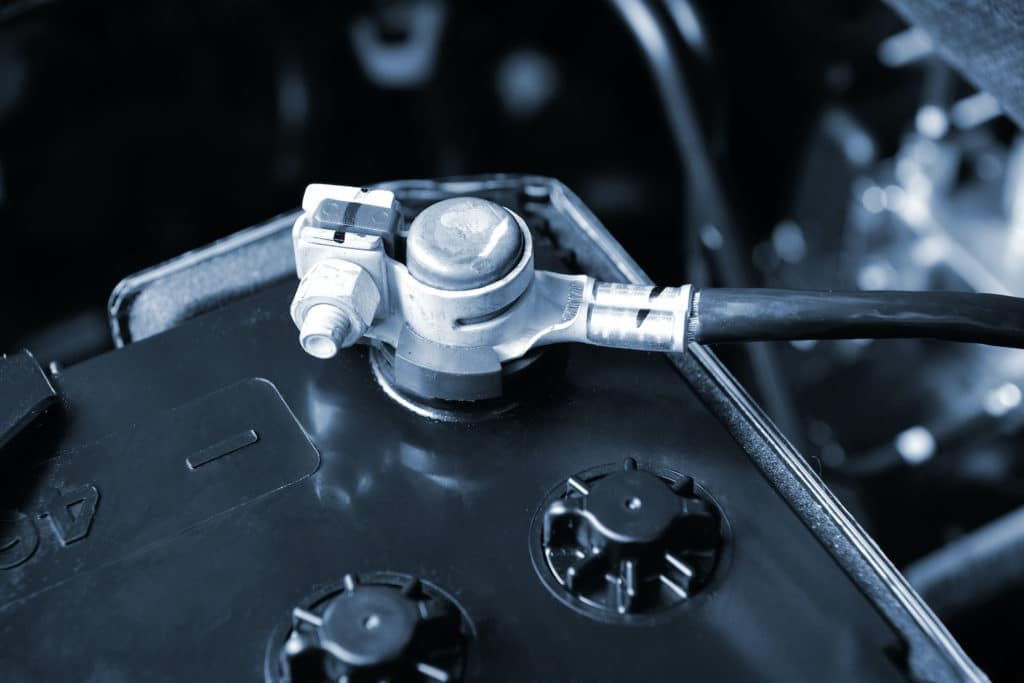
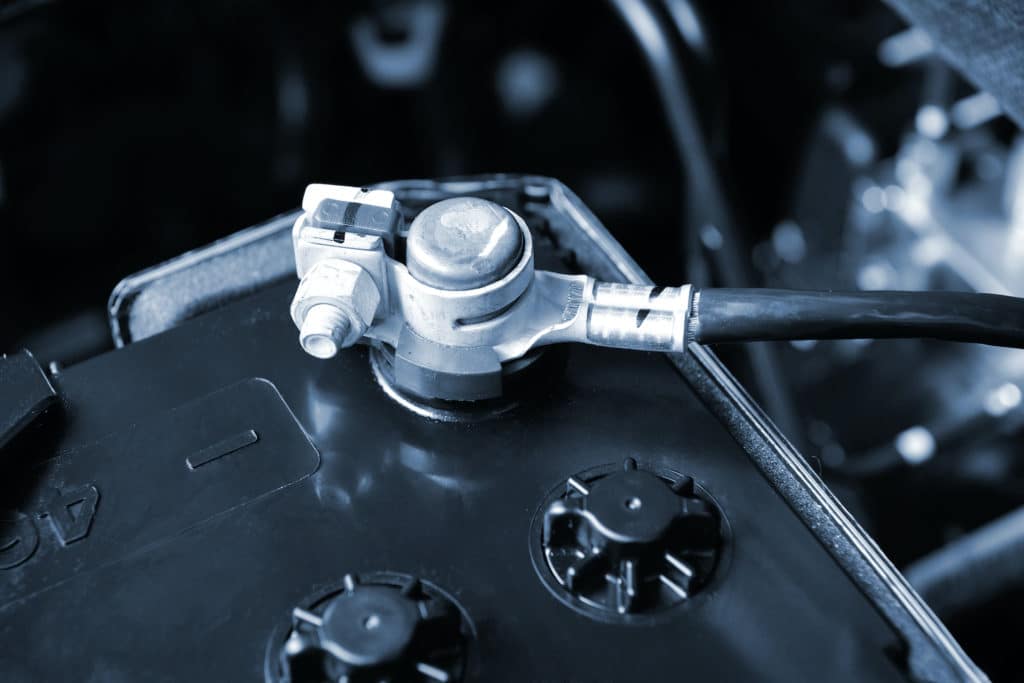
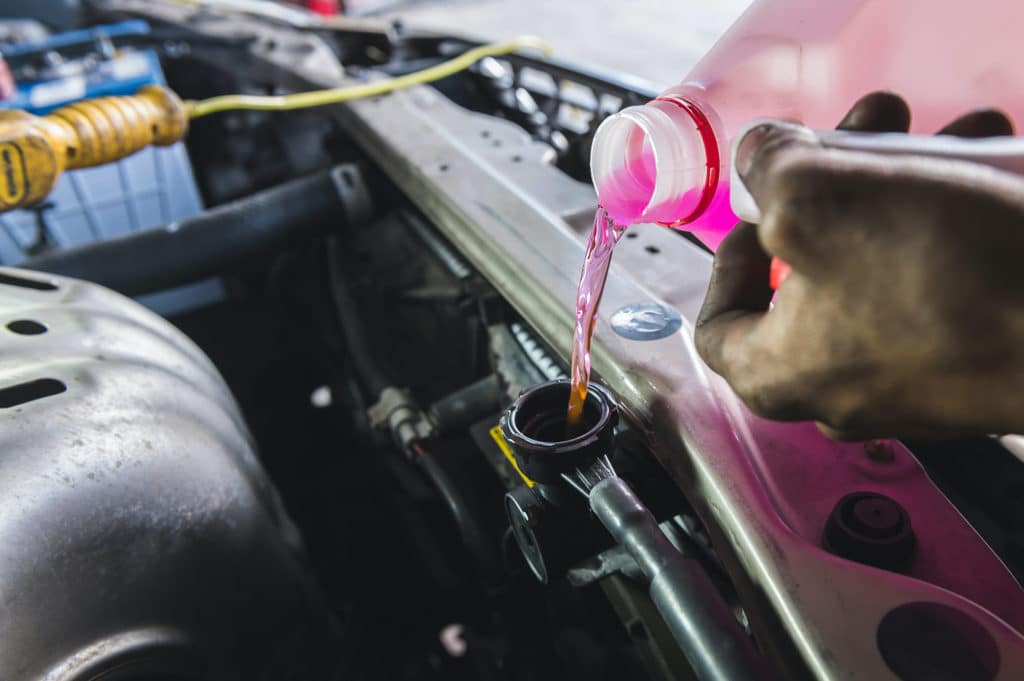
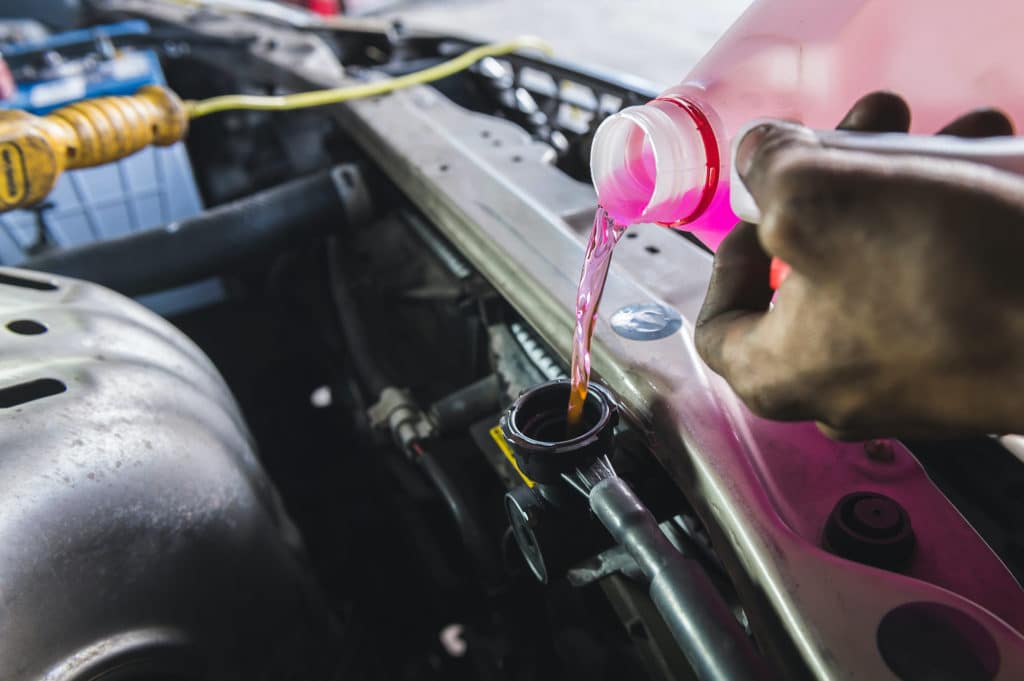
Summer is on its way - we've already seen our temperatures here in Central Florida soar into the 90s, and it's only a matter of time until they climb even higher than that. Summer here can be brutal, and it can definitely take a toll on your car. The last thing you want to be stuck with is an unreliable ride, even if you're only using it for essential errands during social distancing. Don't let the season get the best of you - prep your car with seasonal car care both at Toyota of Clermont and at home to ensure you're ready to beat the heat. 7 seasonal car care items to check off your list Tip #1: Schedule a tire rotation Your tires take a beating in the summer. It's hot outside and the pavement - which they come in direct contact with - is even hotter. This can lead to blowouts and damage if they're not in good shape. Schedule a tire rotation as part of your seasonal car care and have our Clermont Toyota service techs inspect them while you're at it to ensure they're not getting excessive wear and tear and that they're inflated to the right PSI. Tip #2: Check your wiper blades Summer means rain in Central Florida, and you need quality wiper blades to keep your field of vision clear. Your wiper blades probably incurred some wear and tear last summer so check the condition of the rubber and if necessary, replace them. You can shop for new ones at our Clermont Toyota parts store and our techs can even help you install them on your car. Tip #3: Inspect what's under the hood When was the last time you took a peek under the hood? It's a good idea to incorporate it into your seasonal car care checklist. Be on the lookout for worn hoses and belts - these will undoubtedly have issues when the weather heats up and should be replaced now. Tip #4: Get an oil change Oil is responsible for keeping your engine cool and lubricated. When it's dirty or you don't have enough of it, you run the risk of doing serious (and expensive) damage to your car's engine. Schedule an oil change at Toyota of Clermont as part of your seasonal car care. Tip #5: Check coolant levels Take a peek at your coolant - this is also an important aspect when it comes to keeping everything under the hood cool. Check the reservoir to ensure that it's full of coolant and if it's not, add more to get you through the season. Tip #6: Have your air conditioning inspected You do NOT want to take on summer without a working air conditioning system in your car - trust us. Have our Clermont auto service techs check your system to ensure it's ready to help you beat the heat all summer long (don't wait for it to break!). Tip #7: Get your battery tested Have our auto service techs check your car battery - they can test the voltage and inspect its condition to ensure it can handle the summer heat without a problem (and without leaving you stranded). Schedule your summer auto service at Toyota of Clermont Have questions or want to schedule your seasonal car care? Call Toyota of Clermont - we're open seven days a week at (352) 404-7001.

Contact Us

Fill out this form below and we'll contact you shortly
*Required Fields