
Blog / Toyota Service

Blog

All Toyota Service Clermont Toyota Tips New Toyota Clermont Toyota News Fun Friday Used Cars Clermont Toyota Service Toyota of Clermont Service
Clermont car maintenance

Is a new engine air filter REALLY necessary?

When you last visited your auto service center for either routine car care or auto repairs, did they suggest that you change your engine air filter? Many drivers actually complain about this, feeling that it's an unnecessary car care suggestion and that it's aimed at getting the bill higher. However, believe it or not, it IS necessary to change the engine air filter from time to time. But why, and how often do you *actually* need to have it changed? Toyota of Clermont is here with answers. Your engine air filter is absolutely critical to your car's continued performance. Your engine pulls in air to ignite the fuel that keeps your car out on the open road and the air filter prevents dirt and debris from being pulled into the engine along with the air. This means that over time, the filter will become dirty and no longer be able to do its job even with regular cleanings - this is typically when it needs to be replaced. But what happens if you ignore your service technician and hit the highway with a dirty or clogged engine air filter? Here are some of the side effects you'll see from not taking care of this critical car maintenance item. Your performance will suffer. A dirty air filter can prevent the correct amount of air from being pulled into the engine, which results in lowered fuel efficiency (and more money spent at the gas pump), misfiring, and a reduction in power (which translates to slow acceleration and even stalling). You could see engine damage. If it gets to the point where your air filter has been through excessive wear and tear, it could start to come apart. When this happens, pieces of it can actually get sucked into the engine and cause damage to the engine itself, resulting in costly repairs for you and time in the shop for your Clermont Toyota. So how often do you REALLY need to replace your engine air filter? Some will say that once a year will suffice, but you should actually base it on your driving habits - more specifically, your mileage. After all, not all drivers put the same amount of miles on their car in one year. A long-distance commuter will see a lot more mileage than someone who works from home. Our Clermont auto service techs recommend getting your engine air filter changed every 20,000 - 30,000 miles for maximum performance and cleaning it routinely in between changes. Also, if you notice any performance-related issues, bring your car into our service center to have our techs take a look under the hood. Need engine air filter service or have questions about your car's performance? Call Toyota of Clermont today. We're open seven days a week at (352) 404-7001 and we're conveniently located just off the Florida Turnpike at 16851 State Road 50.

tire pressure light

Toyota of Clermont explains why you should never ignore your tire pressure warning light

Have you ever slid behind the wheel of your car, turned the key in the ignition, and immediately been met by a dashboard light turning on and staying on? There aren't too many worse feelings - a light coming on in the dash almost always means that there's an auto service issue that needs attention and will require a visit to the mechanic (and money out of your pocket). However, in our experience, the longer you ignore these dashboard lights the worse (and more expensive) the problem gets. Toyota of Clermont is here to explain why you shouldn't ignore them, starting with the tire pressure warning light! Never ignore your tire pressure warning light The tire pressure warning light illuminates in your dash when one or more of your tires doesn't have enough air in it - the tire pressure is too low. Whether it's from cold weather, a leak, or damage to your tire, it needs to be remedied pretty quickly. A lot of drivers don't think it's a big deal, though - after all, the tire's not flat yet, so what's the rush? Here are three reasons you shouldn't even ignore your tire pressure warning light. Check it out! #1: You won't get the right fuel efficiency. This reason alone should be enough to have you scurrying for the air hose. Your tire pressure is directly correlated to your fuel efficiency -  if your car tires don't have the right PSI, you won't get the fuel efficiency you should in your car. This means more frequent stops at the pump and more money spent on fuel. #2: You're more likely to get a flat or have a blowout. Another issue that arises from low tire pressure is that the likelihood of having a flat tire or blowout goes up. A flat tire may seem like a minor inconvenience, but blowouts are another story altogether. If you have a tire blowout while moving at high speeds (like on a highway), you're a lot more likely to lose control of your car and possibly get into an accident or collision. It's dangerous for you AND the drivers around you. #3: Your tires are going to wear unevenly. A final reason why you should never ignore your tire pressure warning light is that your tires will wear unevenly. The tire that's too low will have more surface area on the road and wear out more quickly, and that can throw things out of balance so your other tires wear unevenly, too. Overall, this means you'll be replacing your tires more frequently and spending a ton more than you should. And it's an easy fix! To restore your tires to the right tire pressure, just head to the gas station and use their air hose (as well as a tire pressure gauge to ensure you don't overinflate the tire). And if you're not comfortable doing it DIY-style, bring your vehicle to Toyota of Clermont so our techs can take care of it for you. Toyota of Clermont can get your tires back to the right pressure today You've got questions, we've got answers. Schedule your service today at Toyota of Clermont and let us get you back on the road! Our Clermont auto service center is located just off the Florida Turnpike at 16851 State Road 50.

Supra car engine in Clermont.

Which Car Engine Type/Size is Right for You?

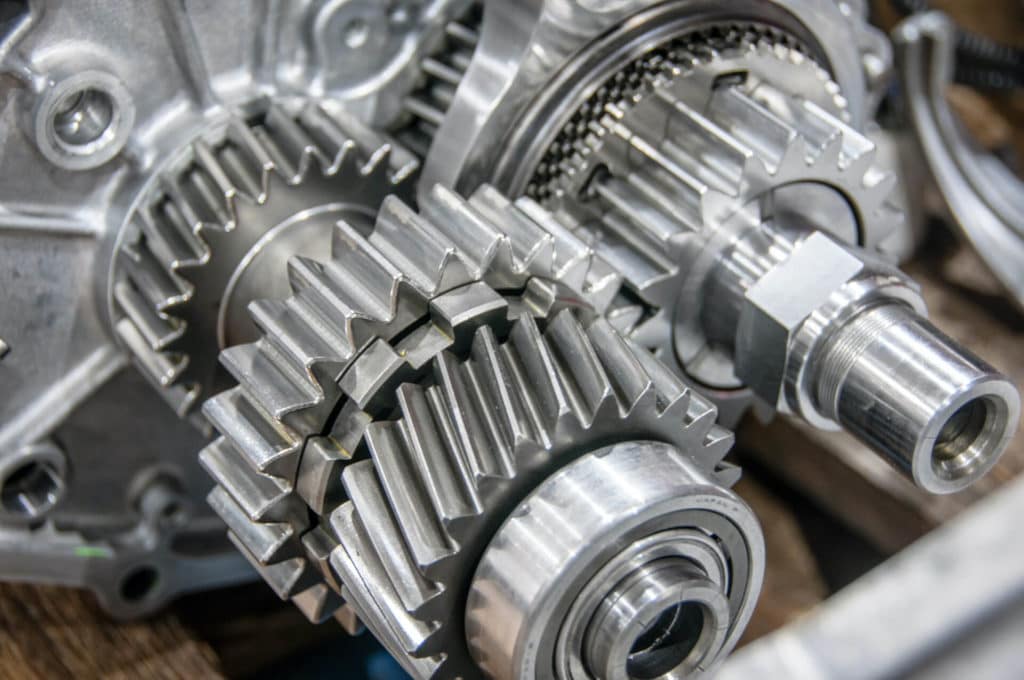
If you think about it for a moment, your car truly is a great working partner to have. They're designed to perform a job, whether that be transporting you, transporting items, pulling things, and so on, your car is made to work. Everyone on the road has a different need for their car and that's why we have so many options to choose from across a plethora of automotive brands and vehicle types. Your car is one of the best multi-tools out there and picking the right one is important if you want to get the task you need done, well, done. One factor you should probably be paying extra attention to is the size of the car engine under the hood. This auto part will greatly determine the capabilities of your ride and what your car will be able to do for you. Not sure which to pick? Toyota of Clermont is here with a few pointers to get you going! Consider Your Needs First The reason there are so many vehicle options out there and why we choose the vehicles we choose is because each of us has a specific need. Some of us need to tow and haul, some need to move a lot of passengers, some need to just get to work and wherever else. Those needs shape which Clermont Toyota car we inevitably drive. Before picking a ride with a particularly sized car engine, consider these few things: What do you need your car to do? If you need to just get from point A to point B, a smaller and more fuel efficient car engine size will do the trick. Driving more than just yourself on a regular basis might require a more powerful Clermont Toyota engine. But, it depends on your carpool size. More laborious tasks like hauling materials or towing trailers will require even more powerful car engine sizes. These will be able to handle large loads without buckling under pressure. Sporty ventures like track racing or fast acceleration will require you to find a more specialty engine with power and other features. Engine Sizes to Choose From Depending on your specific needs there are plenty of car engine sizes and features to choose from. Clermont Toyota cars are host to several different types that all serve different needs. Without getting too specific and granular, here are a few different engine sizes and what they can do: 4-Cylinder Smaller Clermont car engine that's built solely for driving and carrying light amounts of cargo. Very fuel efficient and are often paired with an electrical drivetrain in hybrid vehicles. Can be found in models like the Corolla, Camry, Yaris, RAV4, and more. 6-Cylinder, V6 Mid-sized engine with added power and capability. V6 car engines are very capable and strike an ideal balance between power and fuel efficiency. You can tow small loads and reap fair acceleration along with great fuel efficiency. This type of engine is used in the Tacoma, 4Runner, Highlander, and some models of Camry. 8-Cylinder, V8 The more powerful of the bunch. The V8 car engine is ideal to use for more labor intensive tasks like towing and hauling. With greater power comes less fuel efficiency and V8 engines are notorious gas guzzlers. Make sure you can afford the pump price over the long haul. You can find this Clermont Toyota engine on the Tundra, Land Cruiser, and Sequoia. Ready to shop? Visit Toyota of Clermont at 16851 State Road 50 today or shop our full inventory online now!

Fuel efficiency tips from Toyota of Clermont.

Why Your Fuel Efficiency is Lower Than Advertised

Car shopping is all about check marks in a never ending sea of boxes. Features you need, paint color options, engine specs, and more must all be considered before you sign your name on the line and get the keys to the whip that will carry you for miles and miles. More than likely, one feature that tops that list (or at least ranks fairly high) is fuel efficiency. And why wouldn't it? No one likes ponying up to the pump to fork over their earned money for a substance that inevitable just gets burned (and pollutes the atmosphere, but that's a topic for a later time). Most vehicles are advertised with a specific set of figures indicating their fuel economy in miles per gallon (MPG) and you might even recall those numbers well after you've driven off the lot. If you have a sinking feeling that your gas tank isn't stretching as far as it used to, you're not crazy! Toyota of Clermont is here with a few explanations as to why that's happening to you. Here's Why Your Gas Tank is Burning Fuel a Little Too Quickly You Have a Dirty Air Filter Having a dirty filter is normal and par for the course as you drive. After all, this auto part is tasked with filtering out air pollutants that could hinder the combustion process and it being dirty means its working. But, if it's affecting your fuel economy then you have some issues on your hands. It can actually cause your fuel efficiency to drop. Underinflated Tires Imagine walking around in shoes with little to no support. It hurts and it takes a while to get anywhere. The same applies to your Clermont Toyota tires. Underinflated tires can lead to loss of control but it can decrease your overall fuel economy as your ride will need to work even harder to go anywhere. Inflate your tires asap or figure out why they're so flat. Your Spark Plugs are Dated Your spark plugs play an integral role in starting your engine and can deplete your Clermont Toyota fuel efficiency as they age and stop working. We recommend visiting us to have them checked out by a professional auto service technician. <span data-mce-type="bookmark" class="mce_SELRES_start"></span> Bad Fueling System Your fuel pump, injector, and other key parts comprise your fueling system and a sudden drop in fuel efficiency could mean there's an issue. This is a major Clermont Toyota system in your car and would need to be checked out by one of our auto service techs. Don't try to solve this one on your own (unless you're a pro). You Like That Accelerator a Little too Much You can argue that the accelerator was meant to be pressed (you're not wrong), but it wasn't designed to be put to the floor whenever you drive (that's excessive). Your Clermont Toyota car might be suffering from poor fuel efficiency because you drive recklessly and slam the gas pedal down like it's your job (unless you race professionally, chill out). Try taking it easy and gradually accelerating and braking. You'll likely see a gradual rise in fuel economy over time. Still have questions? Toyota of Clermont is here to help! Visit our auto service center for all your fuel efficiency concerns at 16851 State Road 50.

catalytic converter

Four things you should know about your catalytic converter

The catalytic converter - if you're not overly familiar with what goes on under the hood of your car - can sound like a made-up part straight from Star Trek. However, this car part actually plays a critical role in your car's performance and keeps you, your vehicle, and everyone around you safe. Toyota of Clermont is here to explain the catalytic converter and also give you tips on how to troubleshoot it in case you run into any problems. What is the catalytic converter and why is it critical to performance? First, let's discuss what a catalytic converter is. This important car part actually takes the toxic gases and pollutants in your car exhaust and converts them into less harmful emissions. It does so via a redox reaction - basically a chemical reaction that alters the atoms - and ensures that you're not releasing said toxic pollutants into the air. Obviously, it's a very important part of your car's performance. But did you know it's actually illegal to drive a car without one? Here's a little backstory. Catalytic converters were first designed in France way back at the end of the 19th century, but they weren't introduced to the mainstream automotive market until the 1970s. In the 70s, the U.S. E.P.A. became more cognizant about emissions and decided that from 1975 on, catalytic converters would be required on all gasoline-powered vehicles in the United States. And not only that, but they would also become mandatory on buses, ships, trains, forklifts, motorcycles, mining equipment, and generators. Not-so-fun fact - catalytic converters are actually stolen off of cars pretty frequently. They're on the exterior of the vehicle, which makes them easy to snag, and they contain precious metals that thieves can sell for profit. Also, they do face issues from time to time. They can overheat if you're having issues with excess unburned gas (which could happen due to a bad oxygen sensor, etc.) or clog if you have a coolant or oil leak inside your engine. And whether your catalytic converter gets stolen or dies, you've got a problem on your hands. Without this part, your vehicle not only releases toxic emissions into the air but can also negatively affect your engine to the point of it dying altogether. That's why it's important to be able to troubleshoot it and recognize when something is wrong. Learn how to troubleshoot your catalytic converter for problems Here are some giveaway signs that your catalytic converter is in need of some attention from our Clermont auto service specialists: Your exhaust smoke is dark Your engine seems like it's lagging or sluggish Your car won't accelerate properly You smell rotten eggs or sulfur when you operate the car There's excess heat coming from under the car If you notice these signs, you should absolutely schedule an appointment at Toyota of Clermont to let our techs take a look at it. You can reach us seven days a week at (352) 404-7001, or stop by! Our Clermont Toyota service center is conveniently located at 16851 State Road 50, just west of the Florida Turnpike.

Clermont car care tips

Prep your car for driving in the snow with these simple tips

Are you heading north for the holidays? With the cold we've been experiencing here in Florida, it's not unlikely that you'll face snow as you head farther north. Is your car ready to take on the winter weather and get you safely to your holiday destination? Toyota of Clermont is here with tips to prepare your vehicle for driving in the snow. Five tips for driving in the snow Tip #1: Check your tire tread and PSI. Before you hit the road (regardless of weather) you should always check your tire tread. You want to ensure it's deep enough to grip the road, especially in slick conditions like rain, snow, and ice. Do a tread test with a penny - stick the penny into the tread with Abe's head down. If you can see the top of his head, your tread is too low. You should also ensure that your tires are inflated to the proper PSI, which you can find both in the well of the driver's side door and in your owner's manual. Tip #2: Make sure you have an ice scraper in your car. Make sure you have an ice scraper in your car before you head north. This will ensure you can always have a clear windshield for the best visibility possible (and you're not ruining credit cards, windshield wipers, etc. trying to get the frost off the glass). Tip #3: Ensure your heater is working. Check your heater and defroster before you head out to make sure your heater can get your cabin nice and toasty and your defroster can efficiently clear the glass of your car's windshield and rear window. Tip #4: Change your oil and your antifreeze. Before you hit the highway, check (or have our Clermont auto service techs check) your car's oil and anti-freeze. You may want to swap them out for liquids that won't freeze and will perform better in low temperatures depending on how far north you're heading. Also, don't forget to swap out your windshield wiper fluid so it doesn't freeze. You want a tank full of clean oil and a tank full of clean antifreeze before you drive long distances to ensure top performance. Tip #5: Get a battery inspection. Have our Clermont Toyota service techs check your battery before you take on driving in the snow. Cold weather can have a major impact on your car's battery (in a bad way, like preventing it from starting your car) so you should have our auto service center inspect it for both condition and voltage. Don't forget- the best way to avoid an accident or issue while driving in the snow is to prep ahead of time. You should also ensure you give yourself a little extra travel time in case of delays, drive a bit slower when you're driving in snow, and remember to never use your cruise control in slippery conditions. Check the weather before you leave home, too! Prep for your trip at Toyota of Clermont! Need to prepare your car for winter travels? Get ready for driving in the snow at Toyota of Clermont. We're conveniently located at 16851 State Road 50, just west of the Florida Turnpike. You can call today at (352) 404-7001!

post off-roading tips

Car care tips for after off-roading

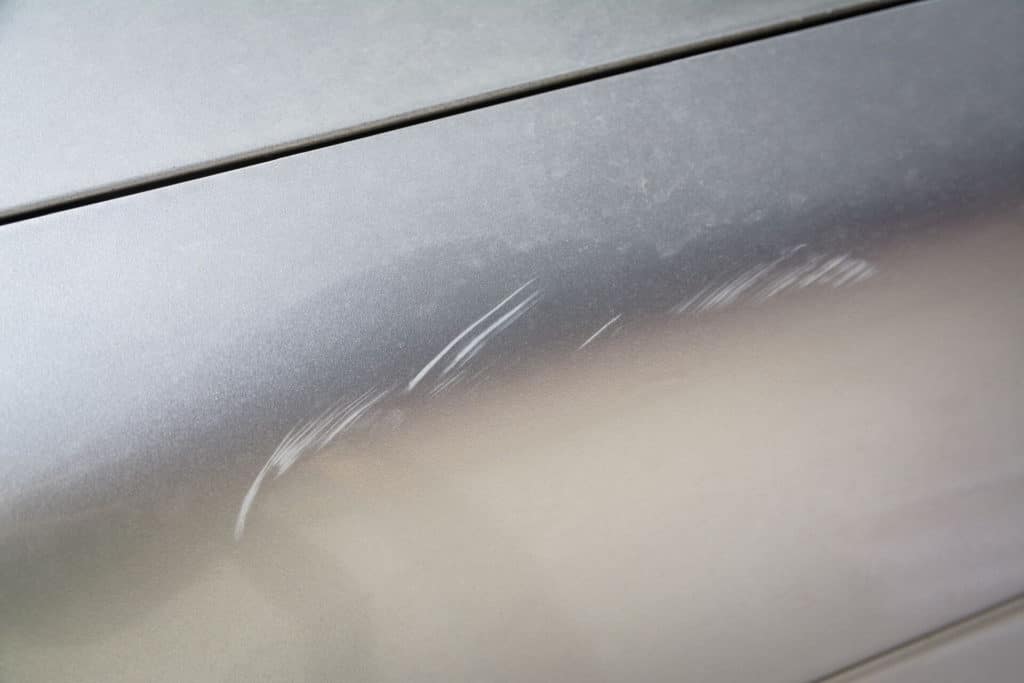
Do you like to take things into the great unknown when it comes to drive time adventures? Off-roading is a great way to get off the pavement and find the unexpected, but it also calls for a bit of extra car care when you return to civilization. Toyota of Clermont is here with tips straight from our auto service experts on how to best care for your car after off-roading adventures - save yourself the time and money and read through the list! 4 car care tips for off-roading vehicles Tip #1: Don't delay. The longer you wait to wash your car, the longer it's going to take to wash it. Leaving mud, dirt, and dust sitting on a vehicle only makes them that much harder to remove, so don't wait too long to start your car care. Tip #2: Put your pressure washer to use. Before you get to scrubbing, it's a wise idea to put your pressure washer (or at least the hose on the high setting) to use. This will help to remove caked-on dirt and mud and make your car care process easier, but it'll also help to get any leftover sand or dirt particles off the paint. If you skip this step, you risk scratching your paint and leaving swirls in it because sand can get trapped under the sponge as you scrub. Tip #3: Pick your products wisely. Are you using soap formulated for your Clermont Toyota to get the job done after off-roading? Remember, dish soap can actually harm your paint. You should choose a soap that's made for cars to give your vehicle the best wash. Our parts store at Toyota of Clermont can help you find exactly what you need. And don't forget to wax your car with a quality wax - this will help repel moisture and dirt next time you take things off the pavement, and will also make your car easier to clean next time you have to do some car care. Tip #4: Don't forget the undercarriage. It's easy to forget that the underside of your car takes a beating when you go off-roading. Make sure that you wash the undercarriage well. Quick hack for you - buy a cheap rotating sprinkler, attach it to the hose, and stick it under the car. This will help to rinse off mud and dirt with little effort on your part, leaving the rest of the cleanup a lot easier. And don't forget to clean out the brake components and suspension components. If mud and dirt work their way into these parts and aren't cleaned out, it can actually impair your car's functionality and cost you money in repairs down the road. Toyota of Clermont can get you the car care tips and supplies you need Have questions, need car care supplies, or just want some more expert advice when it comes to caring for your Clermont Toyota? Call us! Toyota of Clermont is open seven days a week at (352) 404-7001. We're conveniently located just west of the Florida Turnpike at 16851 State Road 50.

Clermont auto care tips

4 signs you might need car headlight service

When you look at the list of important car parts, your car headlights are pretty close to the top. After all, they're what lights your way in bad weather and when it's too dark to see the road. Having them working and working well is crucial to your drive time performance and safety. But just like any other part on your car, they do wear out over time due to use. Toyota of Clermont's auto service techs are here to help you spot a car headlight that's on its way out and troubleshoot any issues you might be having with them. Remember, you shouldn't delay if you're having car headlight issues. You should never drive with burnt out headlights - not only is it dangerous, it's also illegal to drive without two working headlights and you could receive a ticket if you get caught. Don't ignore these signs of car headlight issues 1. Your headlights seem dim. Do your car headlights seem like they're just not shining as brightly as they usually do? It's no cause for alarm - this is usually because the bulbs are on their way out (just like bulbs burn out in your house). They'll need to be replaced, which is an easy fix. However, if new bulbs don't restore the brightness you may have a problem with your ground wire. In that case, bring your car to Toyota of Clermont for a once over. 2. You can't turn on your brights. If you can turn on your low beams but can't get your high beams to work, it could be another bulb issue. Try replacing the high beam bulbs before you do anything else but if that doesn't work, you might have a wiring problem or even a burnt out fuse. Our Clermont Toyota service team can troubleshoot things for you and get to the root of the problem. 3. Your headlights are flickering on and off. Are your car headlights flickering on and off while you're trying to use them? This is usually indicative that they're about to burn out entirely (so don't hit the road without resolving the problem first) and the bulbs need to be replaced. If new bulbs don't stop the flickering, though, then you might have a bad harness or even a problem with your battery connection. It's worth letting our Clermont car care techs take a look. 4. Fuses keep blowing under the hood. If fuses keep blowing under the hood no matter what you do, there might be a larger issue at hand. This typically indicates a problem with wiring or your electrical system and it's not something you can DIY. Bring your car to Toyota of Clermont and let the experts get you back on the road. Toyota of Clermont can handle ALL of your car headlight issues Whether you have a smashed headlight, need headlight restoration, or just need a bit of help with a new bulb, our Clermont auto care center has you covered! Call us today at (352) 404-7001 to schedule an appointment or swing by and see us at 16851 State Road 50, just west of the Florida Turnpike.

Clermont Toyota car tires

Different Car Tire Tread Treadwear Explained

From the roads you drive on, the places you park, and the debris you run over, your car tires go through a lot before they need to be replaced. Every mile and every divet in the road leaves its mark on your tires and they're very easy to ignore. But, waiting too long to diagnose an issue with your tires can lead to drastic consequences and can leave you blind to other issues your vehicle might be experiencing. A great way to tell that you're having issues with your tires is by looking at the way your tread is wearing. Toyota of Clermont is here with an easy guide to make it make sense! Common Car Tire Treadwear Patterns Center Wear Throughout the life cycle of your tires they should wear down evenly. If you're seeing more wear going on in the center of your car tire you likely have overinflated tires. This causes bulging in different areas of the tire and subsequent wear. Side Wear The sides of your Clermont Toyota car tires' tread could be wearing down because they're under-inflated. If you're someone who makes sure to properly inflate your tires to the correct pressure level this could be caused by a bad steering arm or poor alignment. Cupping Wear This unique type of tire treadwear is caused by excessive bouncing of your tires as you drive and is most commonly seen on trailer tires. Seeing this on your actual Clermont Toyota tires is likely caused by worn shock absorbers and/or poor suspension system. Feathering While difficult to spot visually, this Clermont car tire issue can be felt by running your hand down the length of your tires' tread. It will feel like one side of your tires' tread is sharper or more shallow than the other one. This is most often an indication of poor alignment or that you have to improve your driving habits. Sidewall Wear If you've ever run into a curb while parallel parking or ran the side of your wheel into something else while parking, you've likely worn the sidewall down a bit. This is difficult to create long-term damage by doing, but if you don't improve your parallel parking skills soon you could compromise the overall structure of the tire. Flat Spot Wear A large flat spot in the middle of your car tire tread won't easily go unnoticed and most often means that you're driving too aggressively. Reign in this bad driving habit and you should see your tires lasting much longer. However, if you're someone who swears they drive carefully, this could be caused by an underlying brake system problem. Regardless of which type of treadwear pattern your tires are taking on, it's important that you consult with an auto service expert to get an accurate diagnosis, replace your tires, and fix whatever other problem is plaguing your car tires. If you need help, visit Toyota of Clermont at 16851 State Road 50 today!

car parts

Car parts: 10 you should know as a car owner

Does the sight of a light in your dash coming on make you overly apprehensive? Do you dread your routine auto service appointments because you never know how much it'll cost you to get back on the road? If so, you may be due for a new mechanic, first of all. Having a trusted relationship with your auto service provider can make those routine checkups a lot less frightening. However, it may also help to have some base knowledge of what goes on under the hood of your ride. Toyota of Clermont is here to help with ALL of your auto service and car parts needs, and we sat down with our knowledgeable techs to create a quick list of some of the most common car parts you should know about. Check it out below. You should know these 10 car parts #1: Mass airflow sensor: Your mass airflow sensor is a critical car part for performance. It gauges how much air is being pulled into the engine so the corresponding proper amount of fuel can be mixed with it. This air/fuel mixture is ignited to get your engine up and running, so you want the mass airflow sensor to be working at all times. #2: Shock absorbers: Shock absorbers help to keep you and your passengers comfortable inside the cabin of your Clermont Toyota. They absorb shock from the road (like when you're on rough terrain or hit a pothole) so you're not bouncing around on the car's springs the entire time. #3: Muffler: The muffler helps to keep your drive time quieter by doing just what it sounds like - muffling the noise from the engine. This car part keeps things much more peaceful for you, your passengers, and everyone around you. #4: A/C compressor: Your A/C compressor is responsible for ensuring that your car's A/C is working properly (a critical car part here in Clermont). If your A/C kicks out, be sure to have our Clermont auto service tech check this part. #5: Heater core: Conversely, this car part keeps your cabin warm when you need the heat on (not very often in Clermont). It's located behind your dashboard and can be tricky to get to, so repairing it is probably best left to the experts. #6: Camshaft: Your Clermont Toyota's camshaft is the car part that's crucial in opening and closing the valves in your engine. They open to let fuel and air in and let exhaust gases out, so if this part isn't working, you're going to have major performance problems. #7: Windshield wiper motor: The windshield wiper motor ensures that your wipers are working when you need it most on your Clermont Toyota. #8: Ignition coil: This car part sends voltage to the spark plugs to help them spark. In turn, this spark causes the internal combustion your engine needs to get started. #9: Axle or CV shaft: The axle or CV shaft sends power from your differential to either your front wheels or rear wheels (depending on whether your Clermont Toyota is front-wheel drive or rear-wheel drive). These car parts are encased in rubber, which can wear out over time and need to be replaced. #10: Power window switch: If you have power windows in your car - which nowadays, you probably do - you have a power window switch responsible for getting the windows up and down. It can wear out as dirt and dust work their way into it or just from excessive use. Toyota of Clermont has answers to all of your car parts questions Have questions? Need help with car parts or auto service? Visit Toyota of Clermont today at 16851 State Road 50, just west of the Florida Turnpike.

daylight savings time

Prepare your car and yourself for daylight savings time to end

We're well into October of 2020 which means daylight savings time is about to end. Are you ready to fall back an hour just as November arrives? The time change can mean a lot more driving in the dark for some, as night usually starts to fall right around rush hour. Toyota of Clermont is here with tips from our auto service experts on how to prepare your car AND yourself for daylight savings time to end so you can hit the road safely no matter the time. Check it out. Toyota of Clermont's tips for dealing with daylight savings 1. Have your lighting - all of it - checked. Before daylight savings time ends, take the time to have your lighting systems both inside and out checked. Your headlights, taillights, turn signals, and hazard lights should all be in working (and excellent) condition so you have top visibility and also so other drivers on the road can clearly see your vehicle. You should also ensure that all interior lights and dash lights are in working order before you try driving at night. Remember, your headlights should be on from dusk until dawn. 2. Bring your car in for brake service and a tire inspection. You want your brakes and tires to be in excellent condition when you're driving at night, as you very well may be after daylight savings time ends. Have our Clermont auto service techs check your entire brake system over to ensure you can come to a safe stop, even if it's a sudden one. You'll also want them to check your tire tread to make sure you can gain proper traction, as well as inspect the overall condition of your car tires to ensure you're not prone to a blowout (because who wants to change a tire in the dark?). 3. Clean your windshield and windows, inside and out. Clean your car's windshield and windows thoroughly both inside and out before driving in the dark. Any dust or smudges will reflect headlights, which can make it difficult to see and impair your visibility in a big way. 4. Do away with all distractions while driving at night. You have to pay extra attention when behind the wheel at night. Animals tend to be more active at night and are more likely to cross your path, and you also won't be able to see issues on the road as soon as you would if it were daytime. Do away with all distractions, keep your hands on the wheel and your eyes on the road, and focus on the road for the safety of you and everyone around you. 5. Take the time to let yourself adjust to the time change. We may fall back and gain an hour of sleep, but that also means you may stay up later than anticipated for a while (especially on Halloween). If you're fatigued, don't get behind the wheel! Driving while fatigued is just as bad as driving while intoxicated. Delay your drive time so you can rest up or at worst, pull over to a safe spot to take a nap. Prep your car at our Clermont auto service center today Have questions or need Toyota of Clermont to help you get your car ready for daylight savings time at our auto service center? Call us! We're open and waiting at (352) 404-7001 and you can stop by to see us at 16851 State Road 50, just west of the Florida Turnpike.

disc brakes

Toyota of Clermont explains the main types of car brakes

Does the thought of car care make you uncomfortable? If you don't really have a firm grasp of what goes on under the hood, we get it - it can be hard to hand over your car keys and hope for the best. However, there's a way around that uneasy feeling... learning the ins and outs of what's going on every time you start your car. Today, Toyota of Clermont is here to explain the basic types of car brakes. Brake service and repairs are critical to performance, and we want to ensure you feel confident when you schedule yours. The main types of car brakes Disc brakes: Disc brakes are the most common types of car brakes on modern vehicles. In this system, you'll find hydraulic fluid, calipers, brake pads, and rotors. When you press the brake pedal, hydraulic fluid is sent through the system to make the calipers come together; this action then pushes the brake pads against the rotors to slow your car's wheels and bring you to a stop. These brakes are more popular and more widely used because they have better performance capabilities than drum brakes. They dissipate heat better (which means they won't overheat and lose stopping power) and they also fare better in wet weather - they dry more quickly to ensure they work no matter the conditions you're driving in. Drum brakes: Drum brakes used to be the more common of the two, but they definitely have their disadvantages (even though they're cheaper to replace than disc brakes). These car brakes basically have a brake drum and inside of that drum, brake shoes. When you press the brake pedal, the shoes are pushed down against the drum to slow your car's wheels. The problem? There are actually two main ones. First, drum brakes can overheat if used too much and too often, leaving you without a way to stop. They also tend to collect water inside the drum when you drive in wet weather. This can lead to both braking issues and also corrosion and rust in the braking system. Parking brake: Your parking brake - also known as your emergency brake - is a brake that's hooked up to the main braking system via a cable (it's usually attached to the rear brakes). This brake is typically used to keep your car in place once it's parked, like if you park on a hill. However, it can also be a last resort should your main braking system give out and you need a way to stop your vehicle in an emergency situation. And while they may not be a type of car brake, per se, we can't not mention anti-lock brakes. Anti-lock brakes technically aren't a type of car brake, but they are a type of brake technology woven into the braking system. The anti-lock brakes sense the rotational speed of each individual wheel and can control it accordingly. If you have to come to a sudden stop, your wheels may lock up. This can cause you to skid (especially if you're driving in rain, snow, or ice). If your anti-lock brakes sense this scenario, they'll send pulses of braking power to the wheel that's locked up to help it slow down and regain traction with the road. Call Toyota of Clermont with all of your car brake questions Have questions? Need brake service or repairs? Toyota of Clermont is here to help. Call our Clermont auto service center at (352) 404-7001 or stop by and see us at 16851 State Road 50, just west of the Florida Turnpike.

Contact Us

Fill out this form below and we'll contact you shortly
*Required Fields