Blog / Toyota Service

Blog

All Toyota Service Clermont Toyota Tips New Toyota Clermont Toyota News Fun Friday Used Cars Clermont Toyota Service Toyota of Clermont Service
Electric Car Maintenance Basics

Electric Car Maintenance Basics

The good news is maintaining an electric car requires fewer maintenance efforts than a conventional gasoline-powered car or even hybrids. If you find yourself interested in buying the all-new Toyota Bz4x, or maybe you just bought an electric car, you may want to know the electric car maintenance basics. Toyota of Clermont experts are here to help guide you in learning everything you need to do to take care of your electric car. What maintenance does an electric car need? You’ll never need an oil change again Electric cars have significantly fewer parts than internal combustion engines. These motors don’t require oil changes, spark plug replacement, or gas filter changes. So, you can say goodbye to many of your routine maintenance services with a new all-electric Toyota Bz4x. Our electric car battery Your battery is the life source of your electric car. It’s responsible for charging your car and maintaining its power. Keep your Clermont Toyota regularly plugged in to keep its battery at a state of charge between 20% and 80%. You will also need to make sure that you keep your electric car away from extreme weather conditions. For example, try not to park your car out in the hot summer sun for several hours, and don’t keep your car parked out in the cold either since it will temporarily reduce its range. A 240-volt home charger Make sure that your electric car is doing its best and that a proper charger is always available. So go ahead, and buy a 240-Volt home charger to maintain your Clermont Toyota’s battery life and give yourself the most convenient option. Your electric car brakes The Bz4x uses regenerative braking, which uses the car moving to generate electricity to send to the battery. In addition, Toyota’s all-new electric car will have a one-pedal driving feature that can be switched on and off. The brakes in an EV can last well over 100,000 miles before replacing the brakes. Tire maintenance Electric cars require your attention to care for their tires. The regular tire maintenance is pretty standard like a conventional gasoline car. Tire maintenance on your Clermont Toyota includes: regular tire rotation, checking the air pressure, and ensuring they are correctly balanced and aligned. Fewer fluids It helps when it comes to electric car maintenance that you won’t have as many fluids to replace. Electric cars require fewer fluids. However, it would be best if you still kept up with your coolant, windshield wiper fluid, and brake fluid. Electric car warranties One of the main concerns of potential electric car buyers is that their car’s battery replacement will be costly. The good news is that your Clermont Toyota EV will guarantee a battery warranty that lasts ten years or 620,000 miles, with a guarantee that after ten years, your battery will retain 90% of its original battery life. Have any questions about electric car maintenance? Call Toyota of Clermont! We would love to help answer any questions you may have about electric car maintenance. So give us a call at (352)404-7000. We’re open seven days a week for your convenience at 16851 State Road 50 in Clermont, FL 34711.

Electric Car Maintenance Basics

Electric Car Maintenance Basics

The good news is maintaining an electric car requires fewer maintenance efforts than a conventional gasoline-powered car or even hybrids. If you find yourself interested in buying the all-new Toyota Bz4x, or maybe you just bought an electric car, you may want to know the electric car maintenance basics. Toyota of Clermont experts are here to help guide you in learning everything you need to do to take care of your electric car. What maintenance does an electric car need? You’ll never need an oil change again Electric cars have significantly fewer parts than internal combustion engines. These motors don’t require oil changes, spark plug replacement, or gas filter changes. So, you can say goodbye to many of your routine maintenance services with a new all-electric Toyota Bz4x. Our electric car battery Your battery is the life source of your electric car. It’s responsible for charging your car and maintaining its power. Keep your Clermont Toyota regularly plugged in to keep its battery at a state of charge between 20% and 80%. You will also need to make sure that you keep your electric car away from extreme weather conditions. For example, try not to park your car out in the hot summer sun for several hours, and don’t keep your car parked out in the cold either since it will temporarily reduce its range. A 240-volt home charger Make sure that your electric car is doing its best and that a proper charger is always available. So go ahead, and buy a 240-Volt home charger to maintain your Clermont Toyota’s battery life and give yourself the most convenient option. Your electric car brakes The Bz4x uses regenerative braking, which uses the car moving to generate electricity to send to the battery. In addition, Toyota’s all-new electric car will have a one-pedal driving feature that can be switched on and off. The brakes in an EV can last well over 100,000 miles before replacing the brakes. Tire maintenance Electric cars require your attention to care for their tires. The regular tire maintenance is pretty standard like a conventional gasoline car. Tire maintenance on your Clermont Toyota includes: regular tire rotation, checking the air pressure, and ensuring they are correctly balanced and aligned. Fewer fluids It helps when it comes to electric car maintenance that you won’t have as many fluids to replace. Electric cars require fewer fluids. However, it would be best if you still kept up with your coolant, windshield wiper fluid, and brake fluid. Electric car warranties One of the main concerns of potential electric car buyers is that their car’s battery replacement will be costly. The good news is that your Clermont Toyota EV will guarantee a battery warranty that lasts ten years or 620,000 miles, with a guarantee that after ten years, your battery will retain 90% of its original battery life. Have any questions about electric car maintenance? Call Toyota of Clermont! We would love to help answer any questions you may have about electric car maintenance. So give us a call at (352)404-7000. We’re open seven days a week for your convenience at 16851 State Road 50 in Clermont, FL 34711.

fuel injector flush

Five signs you need your fuel injector flushed

Updated on March 26, 2026 Executive Summary Fuel injector flushes keep your engine running efficiently. Over time, dirt and carbon deposits can clog fuel injectors, disrupting the precise fuel spray your engine needs. Also, a professional fuel injector flush removes buildup, restoring proper fuel delivery and improving overall engine performance. Regular fuel system maintenance improves performance and fuel economy. Cleaning the fuel injectors helps maintain optimal gas mileage, smoother acceleration, and a longer engine lifespan. In addition, most vehicles benefit from a fuel injector flush every 60,000–90,000 miles. Common warning signs indicate when a fuel injector flush may be needed. These include engine misfires, rough idling, decreased gas mileage, erratic RPM behavior, and difficulty starting your vehicle. Also, all of which can result from clogged injectors affecting fuel delivery. Preventive maintenance helps avoid costly repairs. Keeping the fuel system clean supports smoother engine operation, lower emissions, and better long-term reliability. Finally, this helps drivers avoid more expensive engine problems down the road. <span data-mce-type="bookmark" class="mce_SELRES_start"></span> Five Signs You Need a Fuel Injector Flush So you’ve taken your Clermont Toyota vehicle in for its routine car maintenance appointment and need a fuel injector flush. You may be wondering what that is? We’ve got your back! Today, our car care experts will go over what a fuel injector flush is and the signs your car needs it at Toyota of Clermont. If you’re like most drivers, you probably focus on oil changes, tire rotations, and brake service. However, your fuel system plays a huge role in how your vehicle performs every single day. When it’s clean, your car runs smoothly and efficiently. However, when it’s dirty, you’ll likely start noticing some not-so-fun issues. What is a Fuel Injector? A fuel injector is responsible for delivering your car’s fuel to the internal combustion engine. However, over time, they can become clogged by dirt and debris, leading to your vehicle not performing the way it should. Further, the fuel injectors spray a precise amount of fuel into your engine’s combustion chamber. That spray has to be perfectly timed and evenly distributed. Even a small amount of buildup can disrupt the spray pattern. When that happens, your engine may not receive the proper balance of fuel and air it needs to run efficiently. Clermont Toyota vehicles are designed with advanced fuel systems that maximize performance and fuel economy. But even with high-quality engineering, deposits from gasoline can build up over time. Heat, short trips, and stop-and-go driving can all contribute to carbon buildup inside the fuel system. Why Does Your Car Need a Fuel Injector Flush? Your Clermont Toyota car needs a fuel injector flush to clean out the build-up on its fuel injectors and fuel system. This car service helps maintain your vehicle’s gas mileage, makes it run more efficiently, and helps increase the life of your car. The rule of thumb for a fuel injector flush is every 60,000 to 90,000 miles. So, if your car is over 90,000 miles and hasn’t gotten one yet, you can schedule one with our expert techs to get it done in no time. A fuel injector flush is more than just a quick add-in treatment. At our Clermont Toyota Service Center, our trained technicians use professional-grade equipment and cleaning solutions to thoroughly remove any stubborn deposits. This process restores proper spray patterns and improves combustion efficiency for you. If you do a lot of commuting through your city or take frequent short trips where your engine doesn’t fully warm up, buildup can happen faster. Keeping up with your recommended fuel flush can help you avoid more expensive engine repairs down the road. Five Signs Your Car Needs a Fuel Injector Flush Your Engine Misfires. It’s probably not a good sign when your Clermont Toyota’s engine misfires. Also, the fuel injector probably can’t filter the balance between the fuel and air entering the engine. However, when a fuel injector is clogged, it may not deliver enough fuel to one or more cylinders. Also, this imbalance can cause hesitation, jerking, or a noticeable loss of power. You might feel it when accelerating onto the highway or even during everyday driving around. Ignoring engine misfires can potentially lead to bigger engine problems. Additionally, this is why it’s best to keep up with your car maintenance. Your Car is Showing Rough Idling If you’re at a stop sign and notice your vehicle is shaking and sputtering, your dirty fuel injectors are most likely to blame. Plus, rough idling often feels like your vehicle is struggling to stay running while stopped. Because fuel injectors control how much fuel enters the engine at idle, buildup can throw everything off. A fuel injector flush can often smooth things back out and restore that steady, quiet idle you’re used to. Your Gas Mileage isn’t Performing its Best In addition, are you stopping by the gas station more than you did in the past? Engine issues are the leading cause of your gas mileage going downhill. Fuel injectors that are clean help regulate the gas, so when they’re dirty, it will cause the process to decline in its efficiency. Clogged injectors may cause your engine to burn more fuel than necessary. If you’ve noticed you’re filling up more often while driving, your fuel system could be the culprit. Keeping your fuel injectors clean helps your engine maintain optimal fuel-to-air ratios. Your RPM Needle isn’t Working Correctly Your RPM needle helps you track your acceleration performance. Unfortunately, a dirty fuel injector will cause the RPM needle to move unpredictably or up and down for no reason. Additionally, if you see your RPMs jumping around while maintaining a steady speed, that’s often a sign that something isn’t quite right with your engine’s fuel delivery. Since fuel injectors directly affect engine performance, buildup can lead to inconsistent combustion. A professional inspection at our dealership can determine if a fuel injector flush is the right fix for you. Your Car Won’t Start In addition, fuel injectors deliver your car’s gas to the appropriate cylinders. When the ratio of air and fuel in your engine is off, your motor may not generate the combustion ratio it needs to operate, leading to your car not being able to start. Additionally, if your vehicle cranks but struggles to turn over (or won’t start at all), dirty fuel injectors could be part of the problem. While there are several possible causes for starting issues, fuel delivery is a big one. Addressing clogged injectors can restore proper fuel flow and get you back on the road. More Benefits of a Fuel Injector Flush Beyond fixing noticeable problems, a fuel flush can help your vehicle maintain peak performance long-term. Clean injectors promote smoother acceleration, improved throttle response, and a quieter engine overall. Regular maintenance also supports lower emissions, which is better for both your vehicle and the environment. When fuel burns more completely, your engine runs cleaner and more efficiently. That’s a win-win for your car and your wallet. By staying proactive with services like a fuel injector flush, you’re helping protect major engine components. Preventive maintenance is always more affordable than major repairs. Taking care of small issues now can help you avoid expensive breakdowns later. Schedule Fuel Injector Flush Services at Toyota of Clermont! Have questions about your fuel injector flush or need to schedule one? Visit Toyota of Clermont today at 16851 State Road 50. You can also call us ahead of time to set up an estimate appointment at (352) 404-7000. Our expert technicians are here to help keep your Clermont Toyota vehicle running like new. Whether you’re coming in for routine service or need help diagnosing a specific issue, our auto service center is ready to assist. FAQ’s What should I do if my car won't start? First, if your car won’t start, check simple things like whether the battery is dead, the gas tank is empty, or the key fob battery needs replacing. However, if everything seems normal and the car still won’t start, it’s best to have a technician inspect the battery, starter, and fuel system to find the issue. 2. Why is my fuel efficiency lower than it should be? Your fuel efficiency can drop if parts of your engine or fuel system get dirty (clogged fuel injectors, a dirty air filter, or underinflated tires). In addition, driving habits like lots of short trips, heavy traffic, or aggressive acceleration can also make your car burn more fuel than normal. 3. Why is my check engine light on? Finally, your check engine light can come on for many reasons, like a loose gas cap, a sensor issue, or a problem in the engine or emissions system. Further, if it stays on, it’s a good idea to have a technician run a quick diagnostic scan to find out exactly what’s causing it.

fuel injector flush

Five signs you need your fuel injector flushed

Updated on March 26, 2026 Executive Summary Fuel injector flushes keep your engine running efficiently. Over time, dirt and carbon deposits can clog fuel injectors, disrupting the precise fuel spray your engine needs. Also, a professional fuel injector flush removes buildup, restoring proper fuel delivery and improving overall engine performance. Regular fuel system maintenance improves performance and fuel economy. Cleaning the fuel injectors helps maintain optimal gas mileage, smoother acceleration, and a longer engine lifespan. In addition, most vehicles benefit from a fuel injector flush every 60,000–90,000 miles. Common warning signs indicate when a fuel injector flush may be needed. These include engine misfires, rough idling, decreased gas mileage, erratic RPM behavior, and difficulty starting your vehicle. Also, all of which can result from clogged injectors affecting fuel delivery. Preventive maintenance helps avoid costly repairs. Keeping the fuel system clean supports smoother engine operation, lower emissions, and better long-term reliability. Finally, this helps drivers avoid more expensive engine problems down the road. <span data-mce-type="bookmark" style="display: inline-block; width: 0px; overflow: hidden; line-height: 0;" class="mce_SELRES_start"></span> Five Signs You Need a Fuel Injector Flush So you’ve taken your Clermont Toyota vehicle in for its routine car maintenance appointment and need a fuel injector flush. You may be wondering what that is? We’ve got your back! Today, our car care experts will go over what a fuel injector flush is and the signs your car needs it at Toyota of Clermont. If you’re like most drivers, you probably focus on oil changes, tire rotations, and brake service. However, your fuel system plays a huge role in how your vehicle performs every single day. When it’s clean, your car runs smoothly and efficiently. However, when it’s dirty, you’ll likely start noticing some not-so-fun issues. What is a Fuel Injector? A fuel injector is responsible for delivering your car’s fuel to the internal combustion engine. However, over time, they can become clogged by dirt and debris, leading to your vehicle not performing the way it should. Further, the fuel injectors spray a precise amount of fuel into your engine’s combustion chamber. That spray has to be perfectly timed and evenly distributed. Even a small amount of buildup can disrupt the spray pattern. When that happens, your engine may not receive the proper balance of fuel and air it needs to run efficiently. Clermont Toyota vehicles are designed with advanced fuel systems that maximize performance and fuel economy. But even with high-quality engineering, deposits from gasoline can build up over time. Heat, short trips, and stop-and-go driving can all contribute to carbon buildup inside the fuel system. Why Does Your Car Need a Fuel Injector Flush? Your Clermont Toyota car needs a fuel injector flush to clean out the build-up on its fuel injectors and fuel system. This car service helps maintain your vehicle’s gas mileage, makes it run more efficiently, and helps increase the life of your car. The rule of thumb for a fuel injector flush is every 60,000 to 90,000 miles. So, if your car is over 90,000 miles and hasn’t gotten one yet, you can schedule one with our expert techs to get it done in no time. A fuel injector flush is more than just a quick add-in treatment. At our Clermont Toyota Service Center, our trained technicians use professional-grade equipment and cleaning solutions to thoroughly remove any stubborn deposits. This process restores proper spray patterns and improves combustion efficiency for you. If you do a lot of commuting through your city or take frequent short trips where your engine doesn’t fully warm up, buildup can happen faster. Keeping up with your recommended fuel flush can help you avoid more expensive engine repairs down the road. Five Signs Your Car Needs a Fuel Injector Flush Your Engine Misfires. It’s probably not a good sign when your Clermont Toyota’s engine misfires. Also, the fuel injector probably can’t filter the balance between the fuel and air entering the engine. However, when a fuel injector is clogged, it may not deliver enough fuel to one or more cylinders. Also, this imbalance can cause hesitation, jerking, or a noticeable loss of power. You might feel it when accelerating onto the highway or even during everyday driving around. Ignoring engine misfires can potentially lead to bigger engine problems. Additionally, this is why it’s best to keep up with your car maintenance. Your Car is Showing Rough Idling If you’re at a stop sign and notice your vehicle is shaking and sputtering, your dirty fuel injectors are most likely to blame. Plus, rough idling often feels like your vehicle is struggling to stay running while stopped. Because fuel injectors control how much fuel enters the engine at idle, buildup can throw everything off. A fuel injector flush can often smooth things back out and restore that steady, quiet idle you’re used to. Your Gas Mileage isn’t Performing its Best In addition, are you stopping by the gas station more than you did in the past? Engine issues are the leading cause of your gas mileage going downhill. Fuel injectors that are clean help regulate the gas, so when they’re dirty, it will cause the process to decline in its efficiency. Clogged injectors may cause your engine to burn more fuel than necessary. If you’ve noticed you’re filling up more often while driving, your fuel system could be the culprit. Keeping your fuel injectors clean helps your engine maintain optimal fuel-to-air ratios. Your RPM Needle isn’t Working Correctly Your RPM needle helps you track your acceleration performance. Unfortunately, a dirty fuel injector will cause the RPM needle to move unpredictably or up and down for no reason. Additionally, if you see your RPMs jumping around while maintaining a steady speed, that’s often a sign that something isn’t quite right with your engine’s fuel delivery. Since fuel injectors directly affect engine performance, buildup can lead to inconsistent combustion. A professional inspection at our dealership can determine if a fuel injector flush is the right fix for you. Your Car Won’t Start In addition, fuel injectors deliver your car’s gas to the appropriate cylinders. When the ratio of air and fuel in your engine is off, your motor may not generate the combustion ratio it needs to operate, leading to your car not being able to start. Additionally, if your vehicle cranks but struggles to turn over (or won’t start at all), dirty fuel injectors could be part of the problem. While there are several possible causes for starting issues, fuel delivery is a big one. Addressing clogged injectors can restore proper fuel flow and get you back on the road. More Benefits of a Fuel Injector Flush Beyond fixing noticeable problems, a fuel flush can help your vehicle maintain peak performance long-term. Clean injectors promote smoother acceleration, improved throttle response, and a quieter engine overall. Regular maintenance also supports lower emissions, which is better for both your vehicle and the environment. When fuel burns more completely, your engine runs cleaner and more efficiently. That’s a win-win for your car and your wallet. By staying proactive with services like a fuel injector flush, you’re helping protect major engine components. Preventive maintenance is always more affordable than major repairs. Taking care of small issues now can help you avoid expensive breakdowns later. Schedule Fuel Injector Flush Services at Toyota of Clermont! Have questions about your fuel injector flush or need to schedule one? Visit Toyota of Clermont today at 16851 State Road 50. You can also call us ahead of time to set up an estimate appointment at (352) 404-7000. Our expert technicians are here to help keep your Clermont Toyota vehicle running like new. Whether you’re coming in for routine service or need help diagnosing a specific issue, our auto service center is ready to assist. FAQ’s What should I do if my car won't start? First, if your car won’t start, check simple things like whether the battery is dead, the gas tank is empty, or the key fob battery needs replacing. However, if everything seems normal and the car still won’t start, it’s best to have a technician inspect the battery, starter, and fuel system to find the issue. 2. Why is my fuel efficiency lower than it should be? Your fuel efficiency can drop if parts of your engine or fuel system get dirty (clogged fuel injectors, a dirty air filter, or underinflated tires). In addition, driving habits like lots of short trips, heavy traffic, or aggressive acceleration can also make your car burn more fuel than normal. 3. Why is my check engine light on? Finally, your check engine light can come on for many reasons, like a loose gas cap, a sensor issue, or a problem in the engine or emissions system. Further, if it stays on, it’s a good idea to have a technician run a quick diagnostic scan to find out exactly what’s causing it.

Toyota of Clermont tips

Car tires: How to shop for ones best suited for the rain

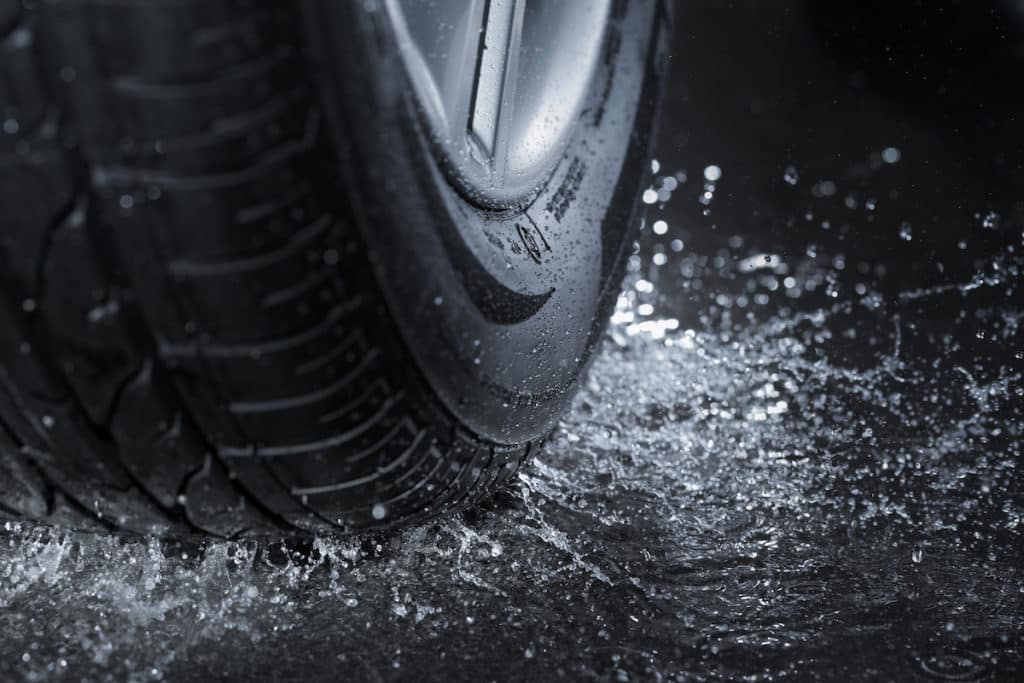
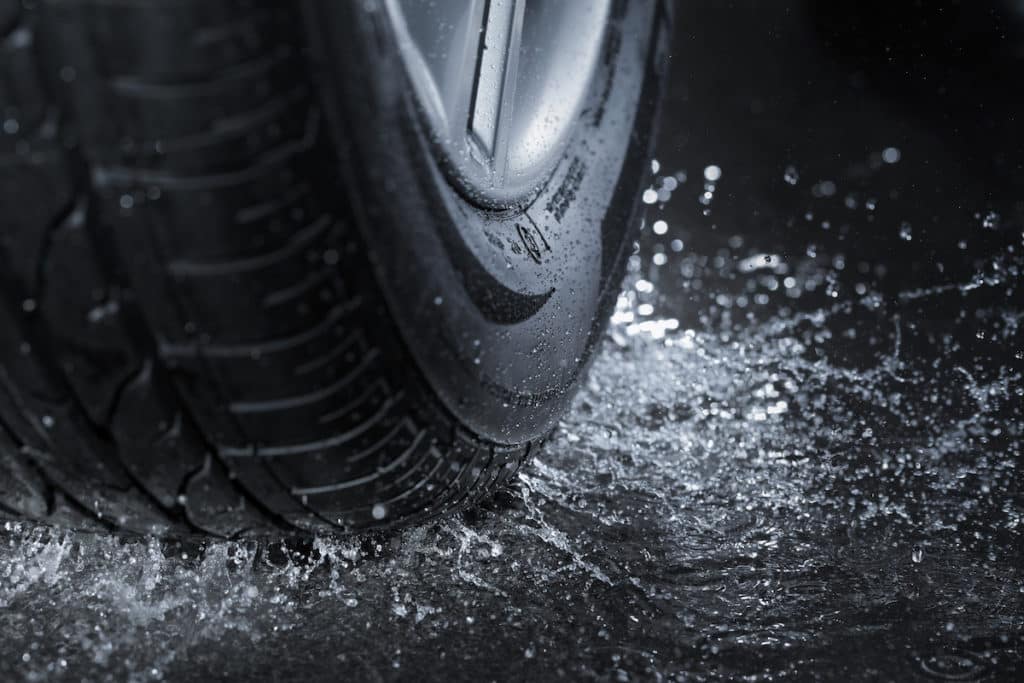
If you live in an area of the country that sees a fair amount of rain, you know just how tricky it can be to drive in it. It requires a certain degree of preparation as well as skill, and it also means your car has to be in the right shape to handle it. We've given you tons of tips on how to drive in the rain and also how to prepare your car, but today our Clermont Toyota service techs are here to explain how to choose the right car tires in the rain. Six tips for finding the right car tires for the rain #1: Know your budget. What's your budget going to be for tires? They're definitely an investment and you'll have to spend some money to get them, but you want to ensure they fit within your budget. Luckily, Toyota of Clermont's knowledgeable techs can help you find the right option in our extensive inventory. #2: Know your weather. What's the weather like where you live? Do you find yourself driving in the rain a lot? If wet weather is a constant in your area, you probably could benefit from tires that are designed for the rain. If you live in an area where you only see rain every once in a while, then it's likely you can get by with all-season tires. #3: Know your driving style. What's your driving style? Are you a road warrior who has a lot of stops, or someone who has a long commute on a daily basis? If you spend a lot of time on the road, you'll likely spend a lot more time in the rain. Factor this into your decision of which car tires to buy. #4: Know your car type. Some cars handle rainy weather better than others. For example, sports cars and front-wheel-drive cars perform better in the rain than trucks and rear-wheel-drive cars. You'll also have to buy car tires that fit your particular car, so ask our Clermont Toyota service techs which ones work best for your ride. #5: Know the rubber type. Car tires come in different types of rubber; this can affect the comfort and stability of your ride, especially if you're driving in the rain. Be sure to get the right type for your drive time needs. #6: Know the tread you need. You should also look at the treads on the car tires you're going to buy. Tires that are made for rain have special treads that push water away from the tire to improve traction and handling when the road is slippery. Shop for new car tires today at Toyota of Clermont Have questions about which car tires are best for the rain? Come on by Toyota of Clermont! We're open seven days a week at 16851 State Road 50, just west of the Florida Turnpike. You can call us to ask questions or make an appointment at (352) 404-7001.

Toyota of Clermont tips

Car tires: How to shop for ones best suited for the rain

If you live in an area of the country that sees a fair amount of rain, you know just how tricky it can be to drive in it. It requires a certain degree of preparation as well as skill, and it also means your car has to be in the right shape to handle it. We've given you tons of tips on how to drive in the rain and also how to prepare your car, but today our Clermont Toyota service techs are here to explain how to choose the right car tires in the rain. Six tips for finding the right car tires for the rain #1: Know your budget. What's your budget going to be for tires? They're definitely an investment and you'll have to spend some money to get them, but you want to ensure they fit within your budget. Luckily, Toyota of Clermont's knowledgeable techs can help you find the right option in our extensive inventory. #2: Know your weather. What's the weather like where you live? Do you find yourself driving in the rain a lot? If wet weather is a constant in your area, you probably could benefit from tires that are designed for the rain. If you live in an area where you only see rain every once in a while, then it's likely you can get by with all-season tires. #3: Know your driving style. What's your driving style? Are you a road warrior who has a lot of stops, or someone who has a long commute on a daily basis? If you spend a lot of time on the road, you'll likely spend a lot more time in the rain. Factor this into your decision of which car tires to buy. #4: Know your car type. Some cars handle rainy weather better than others. For example, sports cars and front-wheel-drive cars perform better in the rain than trucks and rear-wheel-drive cars. You'll also have to buy car tires that fit your particular car, so ask our Clermont Toyota service techs which ones work best for your ride. #5: Know the rubber type. Car tires come in different types of rubber; this can affect the comfort and stability of your ride, especially if you're driving in the rain. Be sure to get the right type for your drive time needs. #6: Know the tread you need. You should also look at the treads on the car tires you're going to buy. Tires that are made for rain have special treads that push water away from the tire to improve traction and handling when the road is slippery. Shop for new car tires today at Toyota of Clermont Have questions about which car tires are best for the rain? Come on by Toyota of Clermont! We're open seven days a week at 16851 State Road 50, just west of the Florida Turnpike. You can call us to ask questions or make an appointment at (352) 404-7001.

top off oil

Can You Top Off Your Oil Instead of Getting an Oil Change?

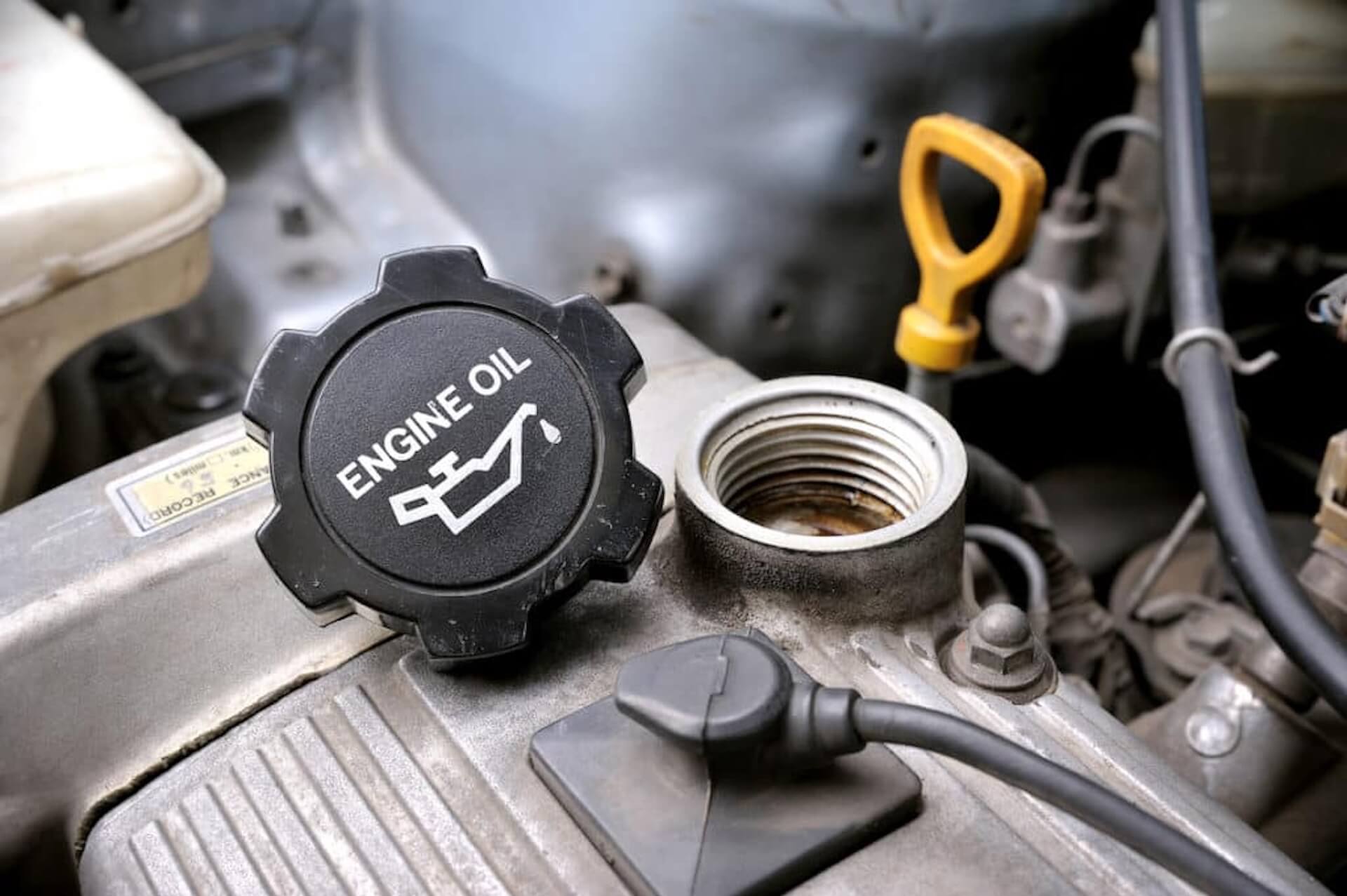
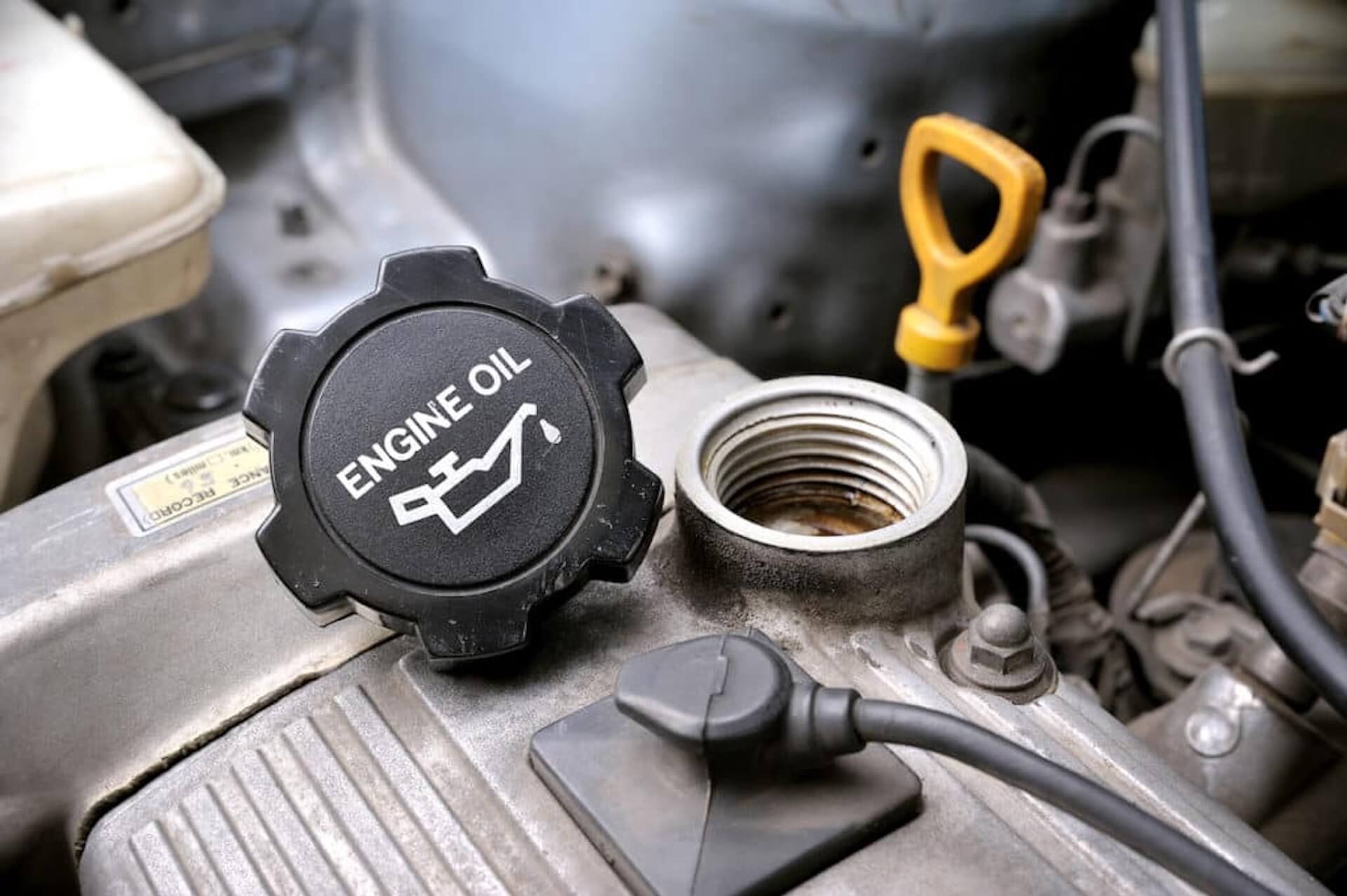
Updated On: March 19, 2026 Executive Summary Can You Top Off Your Oil? When you ask yourself, “Can You Top Off Your Oil,” the answer is no. Finally, a full change removes old oil, replaces the oil filter, and refills the engine with fresh oil for proper protection. Old engine oil becomes contaminated and less effective over time. As oil circulates through the engine, it collects dirt, metal particles, and combustion byproducts while its protective additives break down, which is why it must eventually be replaced. This is why when you ask yourself, “Can You Top Off Your Oil,” the answer is no. Topping off oil can be a short-term solution if levels are slightly low. It can help maintain proper lubrication between service intervals, but frequent top-offs may indicate leaks, oil burning, or overdue maintenance. Regular oil changes are essential for engine health and performance. Skipping oil changes can lead to reduced fuel efficiency, increased engine wear, overheating, sludge buildup, and potentially costly engine damage. Can You Top Off Your Oil Instead of Getting an Oil Change? Oil changes are one of those things that almost every car owner forgets about until the oil light suddenly pops on. When that happens, many people wonder, “Can you just top off your oil instead of getting a full change”? It might seem like a quick and cheap “fix,” but the short answer is no. Also, if you top off your oil, this is not a substitute for a proper change. We’re “Making it Simple®” what oil really does in your engine, and what you should do to keep your Clermont Toyota running smoothly. The Difference Between Topping Off Your Oil and Changing Your Oil First, let’s clarify what it means to top off your oil. Topping your oil off simply involves adding fresh Clermont Toyota motor oil to the engine because the level has dropped. This can be due to normal use, a small leak, or oil being burnt during combustion. In contrast, changing your oil involves: Draining all the old oil. Replace the oil filter. Refill with fresh oil to the correct level. That last part is important. Plus, changing your oil resets things with fresh fluid and a clean filter, while just topping off simply continues to run your engine with a mix of new and old oil. Finally, you can physically pour more oil into your engine when the level is low, but that’s not the same thing as giving your engine the car maintenance it really needs. Why You Can’t Just Top Off Old Oil Your engine oil does a ton of work. You shouldn’t just top off your oil for the following reasons: Lubricates moving parts. Carries heat away from internal components. Helps keep the engine clean by capturing contaminants. Protects against friction and wear. Over time and miles, this oil gets dirty, thick, and less effective at protecting your engine. Also, when you just top off your oil, you are adding new oil on top of oil that’s already dirty and breaking down. You’re essentially putting a Band-Aid on a problem instead of fixing it. Plus, here’s why you should reconsider to top off your oil. 1. Old Oil Gets Filthy Additionally, as your engine runs, the oil picks up dirt, metal particles, and byproducts of combustion. At some point, it becomes contaminated and can’t lubricate effectively anymore. Adding new oil doesn’t clean the old stuff out; it just dilutes it. 2. Oil Filter Needs Replacement Your Clermont Toyota oil filter’s job is to catch debris and impurities. In addition, it gets clogged and can’t do its job well anymore. Topping off your oil doesn’t replace the filter, so contaminants remain in your system, potentially circling back into your Clermont Toyota engine. 3. Chemical Additives Deplete Engine oils contain additives that help prevent wear, corrosion, and oxidation. These additives wear out over time, especially in hot engines. Even with fresh oil added, the spent additives can’t be restored without changing your oil. So while topping off might get the oil level back to where it should be, it does nothing to restore the oil’s protective qualities, and that’s the whole point of an oil change. Finally, we hope you feel confident in “Can you top off your oil?” When It Is Okay to Top Off Your Oil Additionally, there are tons of instances when it’s okay to top off your oil at Toyota of Clermont. For example, if you check your oil and it’s slightly low between service intervals, adding a bit of oil can help ensure you don’t run your engine with too little lubrication until your next scheduled oil change. This is especially true if you're heading out for a drive and don’t want to risk running too low. However, don’t make this a habit! If the oil keeps dropping quickly, or if you find yourself topping off often, that could mean the following: You have a small leak. Your engine is burning oil. The oil change interval has been exceeded. Those are signs you need real Clermont Toyota car maintenance, not just to top off your oil. The Risks of Skipping Oil Changes Skipping oil changes and relying on topping off your oil isn’t just risky. Ultimately, it can be expensive in the long run. Your engine can end up with: Decreased Fuel Efficiency Increased Engine Wear Overheating and Sludge Formation Potential Engine Failure In severe cases, neglected engine changes can lead to broken piston rings, worn cylinder walls, and even engine seizure. Finally, all of these could require costly engine repairs or replacement. While the cost of this change might sound expensive at the moment, it’s nothing compared to the cost of engine repairs if you let the oil go too long. When you think you can just top off your oil, you might want to think again. What’s a Good Oil Change Schedule? Your Clermont Toyota’s owner’s manual is the final authority, but many Toyotas using synthetic oil can go between 5,000 and 10,000 miles between oil changes depending on driving conditions and oil type. That’s why keeping routine car maintenance is so valuable. Additionally, you protect performance, extend engine life, and avoid unnecessary repairs. Finally, changing your oil based on your driving helps you stay ahead of problems before they start. How to Check Your Oil the Right Way Here’s a quick checklist on how to do this the correct way! Park on a level surface and let your engine cool for a few minutes. Pull the dipstick and wipe it clean. Reinsert the dipstick fully, then pull it again to check the level. Make sure the oil is between the minimum and maximum marks. If it’s low, add the correct type of oil (same grade your manufacturer recommends). Never overfill. Top Off You Oil at Toyota of Clermont Topping off your oil can be fine as a short-term fix if the level is just a little low, but it is not a substitute for a full oil change. Also, these remove old, dirty oil, replace the filter, and give your engine fresh protection that topping off just can’t match. Finally, if you haven’t changed your oil recently, don’t wait until the light comes on! Schedule car maintenance with us at Toyota of Clermont. Call us at (352) 404-7001 or schedule online today. Your engine will thank you. FAQ’s 1. How much do oil changes cost? The cost of changing your oil can vary depending on your vehicle, the type of oil used, and where the service is performed. On average, most oil changes range from about $40 to $100. However, synthetic oil changes typically cost more than conventional oil but offer longer-lasting protection for your engine. 2. How often do I need an oil change? Most vehicles need an oil change every 5,000 to 10,000 miles, depending on the type of oil used and your driving conditions. In addition, checking your owner’s manual and keeping up with regular maintenance helps ensure your engine stays lubricated and running efficiently. 3. What type of oil should I use? The type of oil you should use depends on your vehicle’s engine and the manufacturer’s recommendations listed in your owner’s manual. Most modern vehicles use synthetic or synthetic-blend motor oil, which provides better protection, performance, and longevity than conventional oil.

top off oil

Can You Top Off Your Oil Instead of Getting an Oil Change?

Updated On: March 19, 2026 Executive Summary Can You Top Off Your Oil? When you ask yourself, “Can You Top Off Your Oil,” the answer is no. Finally, a full change removes old oil, replaces the oil filter, and refills the engine with fresh oil for proper protection. Old engine oil becomes contaminated and less effective over time. As oil circulates through the engine, it collects dirt, metal particles, and combustion byproducts while its protective additives break down, which is why it must eventually be replaced. This is why when you ask yourself, “Can You Top Off Your Oil,” the answer is no. Topping off oil can be a short-term solution if levels are slightly low. It can help maintain proper lubrication between service intervals, but frequent top-offs may indicate leaks, oil burning, or overdue maintenance. Regular oil changes are essential for engine health and performance. Skipping oil changes can lead to reduced fuel efficiency, increased engine wear, overheating, sludge buildup, and potentially costly engine damage. Can You Top Off Your Oil Instead of Getting an Oil Change? Oil changes are one of those things that almost every car owner forgets about until the oil light suddenly pops on. When that happens, many people wonder, “Can you just top off your oil instead of getting a full change”? It might seem like a quick and cheap “fix,” but the short answer is no. Also, if you top off your oil, this is not a substitute for a proper change. We’re “Making it Simple®” what oil really does in your engine, and what you should do to keep your Clermont Toyota running smoothly. The Difference Between Topping Off Your Oil and Changing Your Oil First, let’s clarify what it means to top off your oil. Topping your oil off simply involves adding fresh Clermont Toyota motor oil to the engine because the level has dropped. This can be due to normal use, a small leak, or oil being burnt during combustion. In contrast, changing your oil involves: Draining all the old oil. Replace the oil filter. Refill with fresh oil to the correct level. That last part is important. Plus, changing your oil resets things with fresh fluid and a clean filter, while just topping off simply continues to run your engine with a mix of new and old oil. Finally, you can physically pour more oil into your engine when the level is low, but that’s not the same thing as giving your engine the car maintenance it really needs. Why You Can’t Just Top Off Old Oil Your engine oil does a ton of work. You shouldn’t just top off your oil for the following reasons: Lubricates moving parts. Carries heat away from internal components. Helps keep the engine clean by capturing contaminants. Protects against friction and wear. Over time and miles, this oil gets dirty, thick, and less effective at protecting your engine. Also, when you just top off your oil, you are adding new oil on top of oil that’s already dirty and breaking down. You’re essentially putting a Band-Aid on a problem instead of fixing it. Plus, here’s why you should reconsider to top off your oil. 1. Old Oil Gets Filthy Additionally, as your engine runs, the oil picks up dirt, metal particles, and byproducts of combustion. At some point, it becomes contaminated and can’t lubricate effectively anymore. Adding new oil doesn’t clean the old stuff out; it just dilutes it. 2. Oil Filter Needs Replacement Your Clermont Toyota oil filter’s job is to catch debris and impurities. In addition, it gets clogged and can’t do its job well anymore. Topping off your oil doesn’t replace the filter, so contaminants remain in your system, potentially circling back into your Clermont Toyota engine. 3. Chemical Additives Deplete Engine oils contain additives that help prevent wear, corrosion, and oxidation. These additives wear out over time, especially in hot engines. Even with fresh oil added, the spent additives can’t be restored without changing your oil. So while topping off might get the oil level back to where it should be, it does nothing to restore the oil’s protective qualities, and that’s the whole point of an oil change. Finally, we hope you feel confident in “Can you top off your oil?” When It Is Okay to Top Off Your Oil Additionally, there are tons of instances when it’s okay to top off your oil at Toyota of Clermont. For example, if you check your oil and it’s slightly low between service intervals, adding a bit of oil can help ensure you don’t run your engine with too little lubrication until your next scheduled oil change. This is especially true if you're heading out for a drive and don’t want to risk running too low. However, don’t make this a habit! If the oil keeps dropping quickly, or if you find yourself topping off often, that could mean the following: You have a small leak. Your engine is burning oil. The oil change interval has been exceeded. Those are signs you need real Clermont Toyota car maintenance, not just to top off your oil. The Risks of Skipping Oil Changes Skipping oil changes and relying on topping off your oil isn’t just risky. Ultimately, it can be expensive in the long run. Your engine can end up with: Decreased Fuel Efficiency Increased Engine Wear Overheating and Sludge Formation Potential Engine Failure In severe cases, neglected engine changes can lead to broken piston rings, worn cylinder walls, and even engine seizure. Finally, all of these could require costly engine repairs or replacement. While the cost of this change might sound expensive at the moment, it’s nothing compared to the cost of engine repairs if you let the oil go too long. When you think you can just top off your oil, you might want to think again. What’s a Good Oil Change Schedule? Your Clermont Toyota’s owner’s manual is the final authority, but many Toyotas using synthetic oil can go between 5,000 and 10,000 miles between oil changes depending on driving conditions and oil type. That’s why keeping routine car maintenance is so valuable. Additionally, you protect performance, extend engine life, and avoid unnecessary repairs. Finally, changing your oil based on your driving helps you stay ahead of problems before they start. How to Check Your Oil the Right Way Here’s a quick checklist on how to do this the correct way! Park on a level surface and let your engine cool for a few minutes. Pull the dipstick and wipe it clean. Reinsert the dipstick fully, then pull it again to check the level. Make sure the oil is between the minimum and maximum marks. If it’s low, add the correct type of oil (same grade your manufacturer recommends). Never overfill. Top Off You Oil at Toyota of Clermont Topping off your oil can be fine as a short-term fix if the level is just a little low, but it is not a substitute for a full oil change. Also, these remove old, dirty oil, replace the filter, and give your engine fresh protection that topping off just can’t match. Finally, if you haven’t changed your oil recently, don’t wait until the light comes on! Schedule car maintenance with us at Toyota of Clermont. Call us at (352) 404-7001 or schedule online today. Your engine will thank you. FAQ’s 1. How much do oil changes cost? The cost of changing your oil can vary depending on your vehicle, the type of oil used, and where the service is performed. On average, most oil changes range from about $40 to $100. However, synthetic oil changes typically cost more than conventional oil but offer longer-lasting protection for your engine. 2. How often do I need an oil change? Most vehicles need an oil change every 5,000 to 10,000 miles, depending on the type of oil used and your driving conditions. In addition, checking your owner’s manual and keeping up with regular maintenance helps ensure your engine stays lubricated and running efficiently. 3. What type of oil should I use? The type of oil you should use depends on your vehicle’s engine and the manufacturer’s recommendations listed in your owner’s manual. Most modern vehicles use synthetic or synthetic-blend motor oil, which provides better protection, performance, and longevity than conventional oil.

motor oil color

What does motor oil color say about your car's health?

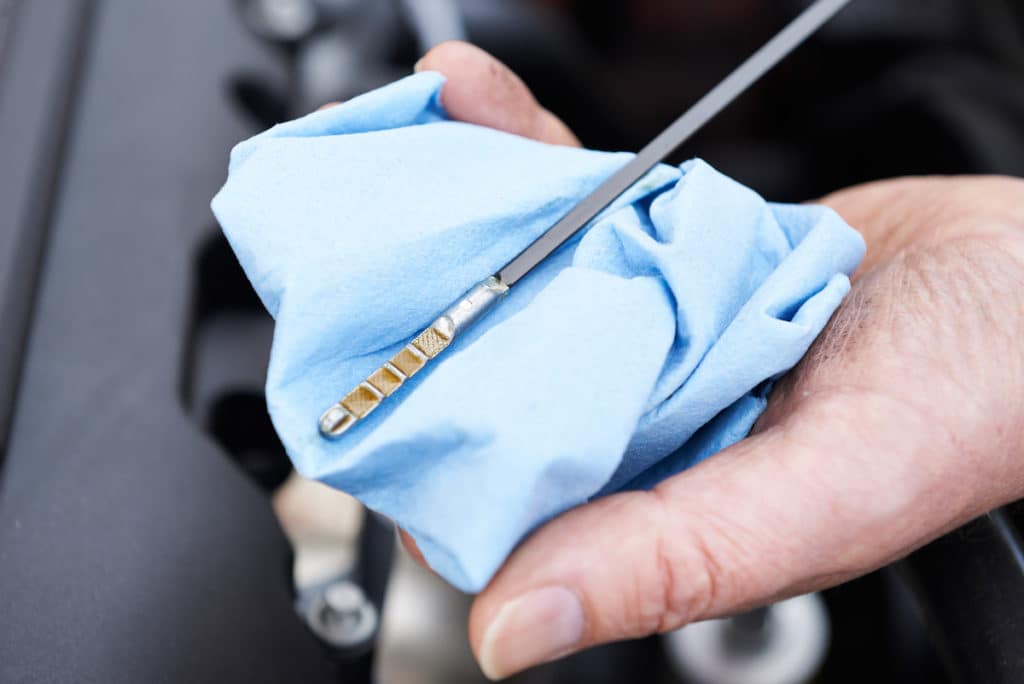
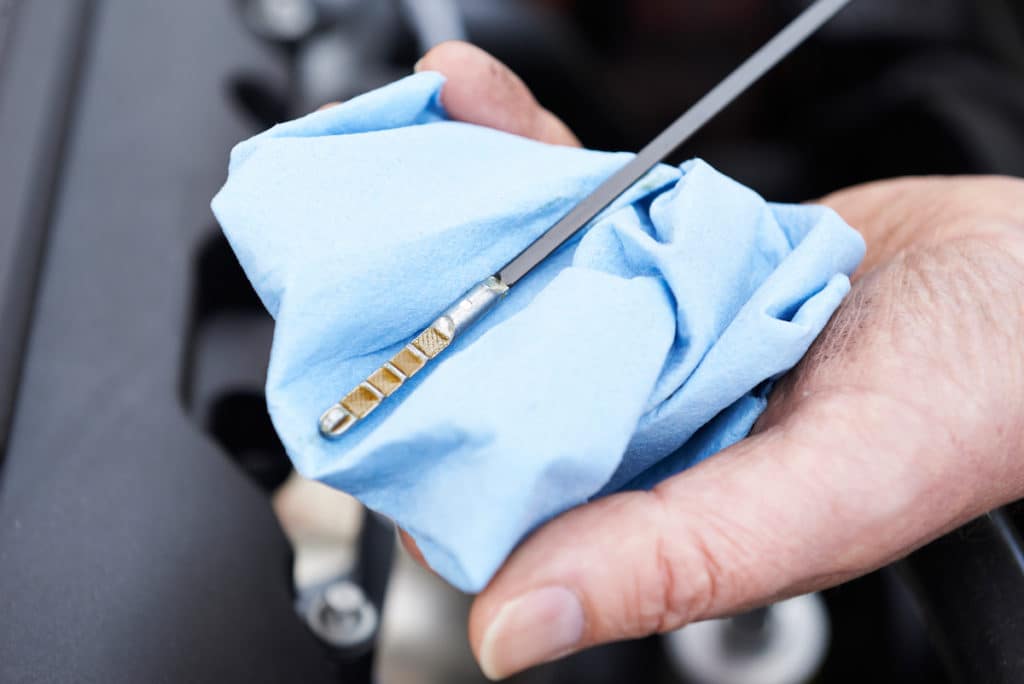
If you're on top of your car's health, then you know just how important oil changes are to its overall well-being. They're one of the most frequent auto services you'll schedule for it, right up there with tire rotations. However, even if you get on an oil change schedule with Toyota of Clermont and stick to a routine, it's still critical to pay attention to what's going on in between appointments. That's why we recommend checking your oil regularly - simply pulling out the dipstick can tell you a lot about your car's health. Check out this quick guide to motor oil color from the experts at the Toyota of Clermont service center. What your motor oil color means #1: If your motor oil is caramel, amber, or tan in color... You're in good shape. This is the motor oil color you want when you pull the dipstick out to check your oil. It's the color it is when it comes out of the bottle, so if it's still that hue, you're in good shape. As long as the level of the oil falls in between the two tic marks on the dipstick, you're fine. If it's below the bottom tic mark, the level is too low and you're due for an oil change at Toyota of Clermont. #2: If your motor oil is dark brown or black in color... You may need an oil change. Typically, if your oil is dark in color then it's either dirty or has been exposed to heat too much by being cycled through the engine too many times. This is especially true of oil that has dirt or debris in it. Running motor oil like this through the engine can cause damage, so if you spot this motor oil color, call us to schedule car maintenance. #3: If your motor oil is creamy or milky in color... There's probably some sort of moisture in it. Look for other signs - if you notice white smoke coming out of your tailpipe or that your coolant level is dropping a lot faster than normal, then you likely have a head gasket leak (which is causing the motor oil color to turn milky). If the head gasket blows you've got a major issue on your hands, so be sure to schedule auto service ASAP. #4: If your motor oil is creamy or milky in color AND frothy in texture... But don't forget to look at the texture, too. If your motor oil color is milky or creamy and has a frothy texture to it and you don't spot any signs that indicate a problem with the head gasket, you likely have water in it somehow. This can cause engine damage over time so don't ignore it - get your car checked as soon as you can. Schedule your next oil change at Toyota of Clermont Need help decoding your motor oil color? Call us today at (352) 404-7001. We're open seven days a week and can get you and your ride back on the road in the best shape possible. We're conveniently located just west of the Florida Turnpike at 16851 State Road 50!

motor oil color

What does motor oil color say about your car's health?

If you're on top of your car's health, then you know just how important oil changes are to its overall well-being. They're one of the most frequent auto services you'll schedule for it, right up there with tire rotations. However, even if you get on an oil change schedule with Toyota of Clermont and stick to a routine, it's still critical to pay attention to what's going on in between appointments. That's why we recommend checking your oil regularly - simply pulling out the dipstick can tell you a lot about your car's health. Check out this quick guide to motor oil color from the experts at the Toyota of Clermont service center. What your motor oil color means #1: If your motor oil is caramel, amber, or tan in color... You're in good shape. This is the motor oil color you want when you pull the dipstick out to check your oil. It's the color it is when it comes out of the bottle, so if it's still that hue, you're in good shape. As long as the level of the oil falls in between the two tic marks on the dipstick, you're fine. If it's below the bottom tic mark, the level is too low and you're due for an oil change at Toyota of Clermont. #2: If your motor oil is dark brown or black in color... You may need an oil change. Typically, if your oil is dark in color then it's either dirty or has been exposed to heat too much by being cycled through the engine too many times. This is especially true of oil that has dirt or debris in it. Running motor oil like this through the engine can cause damage, so if you spot this motor oil color, call us to schedule car maintenance. #3: If your motor oil is creamy or milky in color... There's probably some sort of moisture in it. Look for other signs - if you notice white smoke coming out of your tailpipe or that your coolant level is dropping a lot faster than normal, then you likely have a head gasket leak (which is causing the motor oil color to turn milky). If the head gasket blows you've got a major issue on your hands, so be sure to schedule auto service ASAP. #4: If your motor oil is creamy or milky in color AND frothy in texture... But don't forget to look at the texture, too. If your motor oil color is milky or creamy and has a frothy texture to it and you don't spot any signs that indicate a problem with the head gasket, you likely have water in it somehow. This can cause engine damage over time so don't ignore it - get your car checked as soon as you can. Schedule your next oil change at Toyota of Clermont Need help decoding your motor oil color? Call us today at (352) 404-7001. We're open seven days a week and can get you and your ride back on the road in the best shape possible. We're conveniently located just west of the Florida Turnpike at 16851 State Road 50!

gas gauge issues

What it means when your car gas gauge stops working

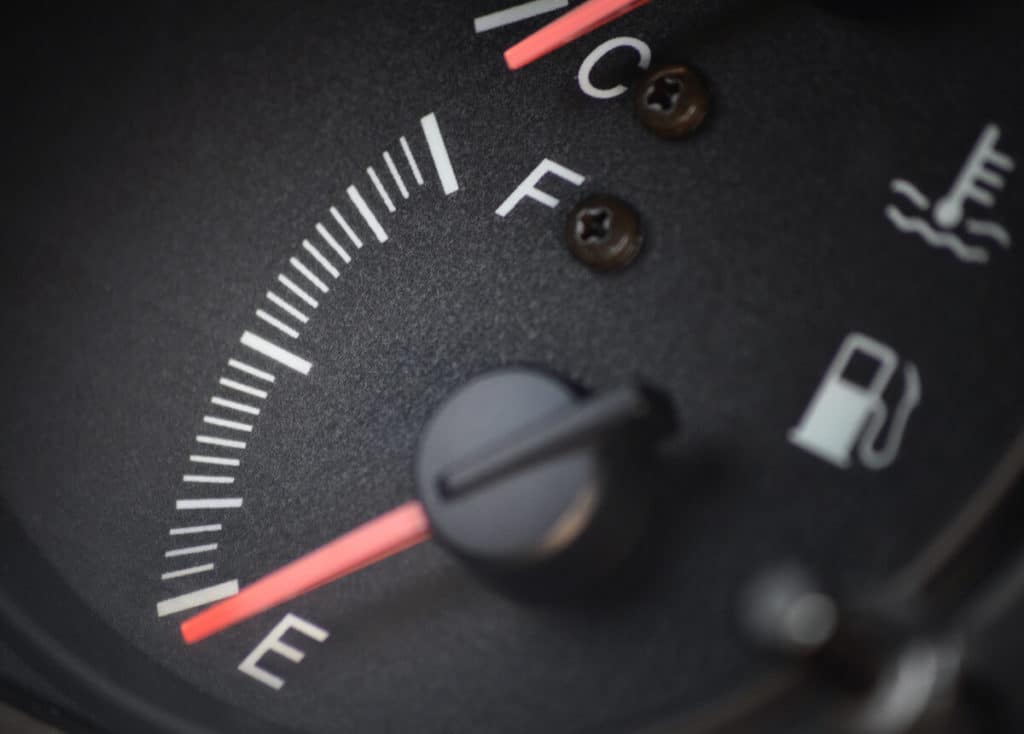
Have you ever looked down at your car gas gauge to see how much fuel you have left and realized something just isn't right? Maybe you just filled up and it's still saying empty, or maybe the fuel level swings wildly for no reason at all. What it boils down to is that you may not have an accurate idea of how much fuel is in your gas tank, which can lead to you getting stuck on the side of the road on E without even realizing it. Our Clermont Toyota service techs are here to help! Before we can discuss your gas gauge and why it might be malfunctioning, we need to give you a quick tutorial on the parts involved. Here's the basic breakdown: One of the main perpetrators when it comes to a faulty gas gauge is a malfunctioning fuel sending unit. The fuel sending unit measures the amount of gas in your fuel tank and then lets the gauge know the level so it can communicate it to you. The sending unit is composed of three parts: the float, the metal rod, and the variable resistor. The float literally floats on the fuel in your gas tank and measures how much is in there. The metal rod attaches the float to the variable resistor. The variable resistor then communicates to your gas gauge the level of fuel in the tank via wiring. Three reasons your gas gauge isn't working So what happens when these parts malfunction? Check out these three main scenarios that we most often see at Toyota of Clermont when it comes to gas gauges: #1: Your gauge swings back and forth for no reason. Is your gas gauge fluctuating wildly even though your driving habits haven't changed at all? If it's constantly changing levels, it could be because the float is "sticking" in place and then being jostled free by the movements of your car, which can result in irregular readings. This can also result from the gauge itself being faulty. Either way, you need a professional to take a look at it (so call Toyota of Clermont). #2: The gauge says your tank is empty, but you just filled it up. So you just filled up your tank (your checking account can verify this) but your gauge is still saying you're just a few miles away from empty. What gives? Basically, this results from the float - it could have separated from the metal rod and is no longer sending information to the variable resistor, or the variable resistor could be having issues. There's fuel in there, but there's no way for your gas gauge to realize it. #3: The gauge says your tank is full, but it's definitely not. If your gauge is telling you that you're ready for a road trip but you know for a fact you had less than a quarter of a tank left last time you checked, you may have an issue with your variable resistor. Problems could span from an open circuit, bad wiring, and more, so let our techs look at it and see where the issue is coming from. Schedule repairs at Toyota of Clermont Whatever your issue, we can help! Schedule service with our factory-trained techs today at Toyota of Clermont. We're open seven days a week at 16851 State Road 50, just west of the Florida Turnpike, and you can also schedule online or by calling us at (352) 404-7001.

gas gauge issues

What it means when your car gas gauge stops working

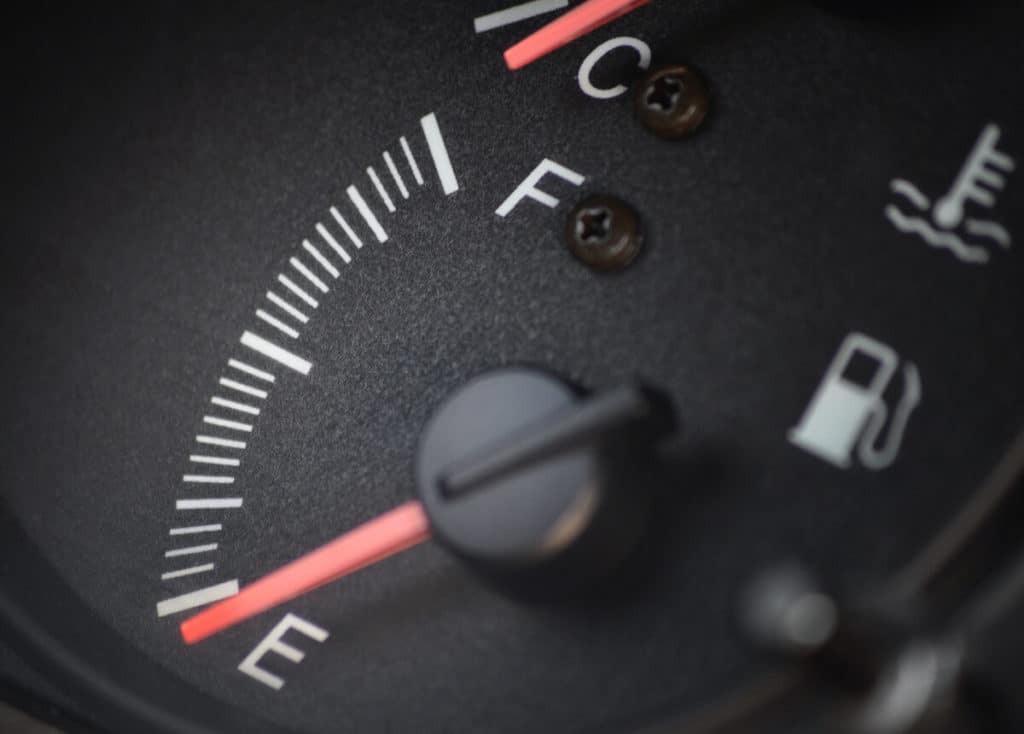
Have you ever looked down at your car gas gauge to see how much fuel you have left and realized something just isn't right? Maybe you just filled up and it's still saying empty, or maybe the fuel level swings wildly for no reason at all. What it boils down to is that you may not have an accurate idea of how much fuel is in your gas tank, which can lead to you getting stuck on the side of the road on E without even realizing it. Our Clermont Toyota service techs are here to help! Before we can discuss your gas gauge and why it might be malfunctioning, we need to give you a quick tutorial on the parts involved. Here's the basic breakdown: One of the main perpetrators when it comes to a faulty gas gauge is a malfunctioning fuel sending unit. The fuel sending unit measures the amount of gas in your fuel tank and then lets the gauge know the level so it can communicate it to you. The sending unit is composed of three parts: the float, the metal rod, and the variable resistor. The float literally floats on the fuel in your gas tank and measures how much is in there. The metal rod attaches the float to the variable resistor. The variable resistor then communicates to your gas gauge the level of fuel in the tank via wiring. Three reasons your gas gauge isn't working So what happens when these parts malfunction? Check out these three main scenarios that we most often see at Toyota of Clermont when it comes to gas gauges: #1: Your gauge swings back and forth for no reason. Is your gas gauge fluctuating wildly even though your driving habits haven't changed at all? If it's constantly changing levels, it could be because the float is "sticking" in place and then being jostled free by the movements of your car, which can result in irregular readings. This can also result from the gauge itself being faulty. Either way, you need a professional to take a look at it (so call Toyota of Clermont). #2: The gauge says your tank is empty, but you just filled it up. So you just filled up your tank (your checking account can verify this) but your gauge is still saying you're just a few miles away from empty. What gives? Basically, this results from the float - it could have separated from the metal rod and is no longer sending information to the variable resistor, or the variable resistor could be having issues. There's fuel in there, but there's no way for your gas gauge to realize it. #3: The gauge says your tank is full, but it's definitely not. If your gauge is telling you that you're ready for a road trip but you know for a fact you had less than a quarter of a tank left last time you checked, you may have an issue with your variable resistor. Problems could span from an open circuit, bad wiring, and more, so let our techs look at it and see where the issue is coming from. Schedule repairs at Toyota of Clermont Whatever your issue, we can help! Schedule service with our factory-trained techs today at Toyota of Clermont. We're open seven days a week at 16851 State Road 50, just west of the Florida Turnpike, and you can also schedule online or by calling us at (352) 404-7001.

Contact Us

Fill out this form below and we'll contact you shortly
*Required Fields