
Blog / Toyota Service

Blog

All Toyota Service Clermont Toyota Tips New Toyota Clermont Toyota News Fun Friday Used Cars Clermont Toyota Service Toyota of Clermont Service
Clermont car maintenance

Is a new engine air filter REALLY necessary?

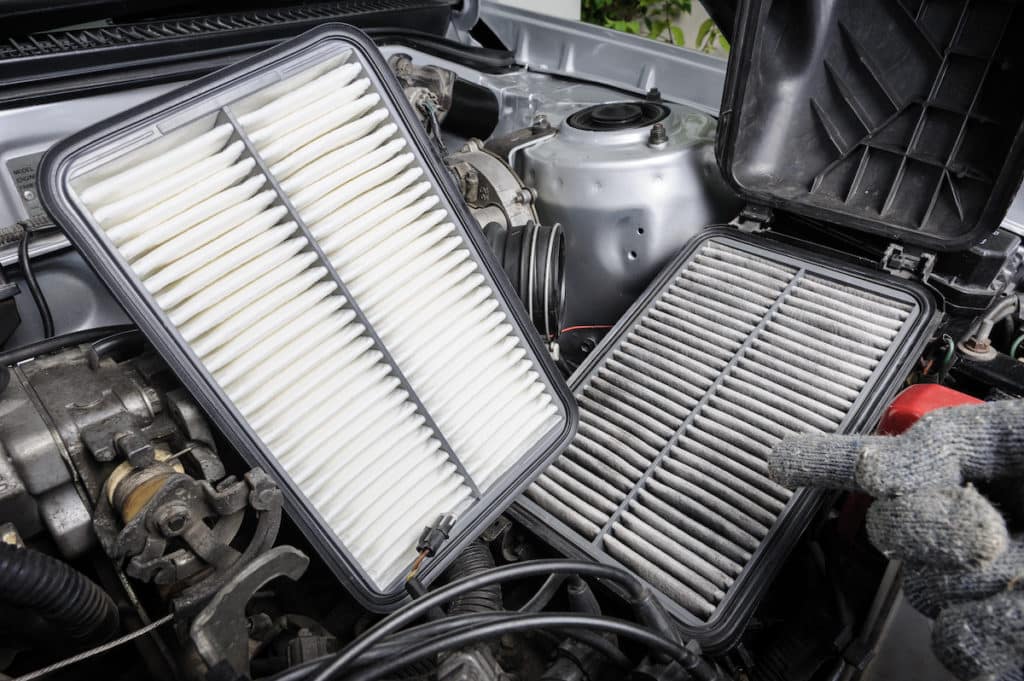
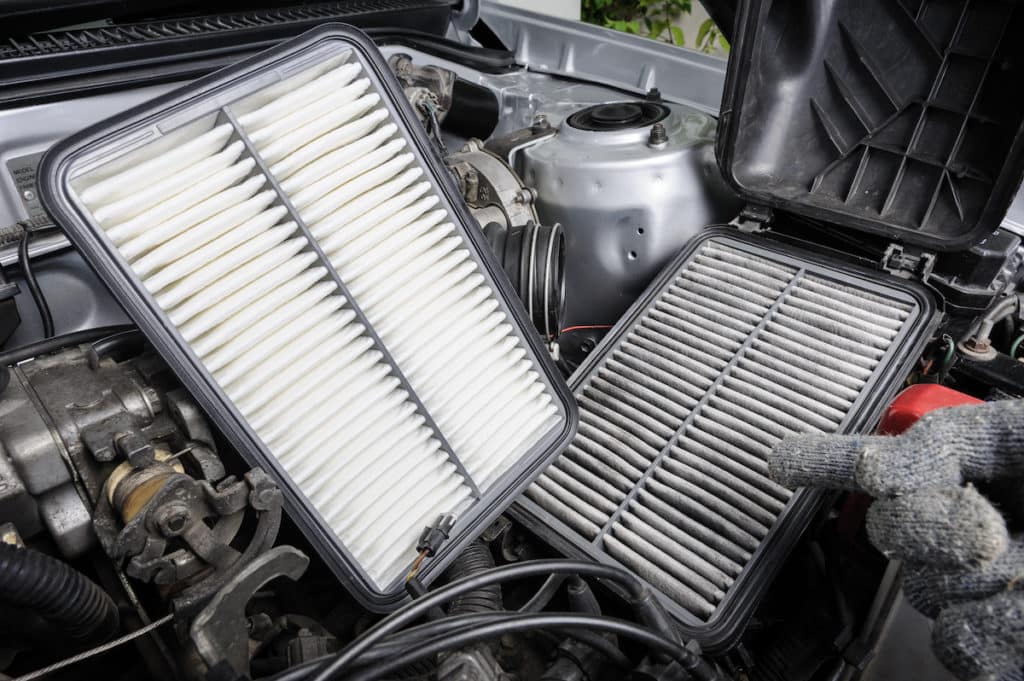
When you last visited your auto service center for either routine car care or auto repairs, did they suggest that you change your engine air filter? Many drivers actually complain about this, feeling that it's an unnecessary car care suggestion and that it's aimed at getting the bill higher. However, believe it or not, it IS necessary to change the engine air filter from time to time. But why, and how often do you *actually* need to have it changed? Toyota of Clermont is here with answers. Your engine air filter is absolutely critical to your car's continued performance. Your engine pulls in air to ignite the fuel that keeps your car out on the open road and the air filter prevents dirt and debris from being pulled into the engine along with the air. This means that over time, the filter will become dirty and no longer be able to do its job even with regular cleanings - this is typically when it needs to be replaced. But what happens if you ignore your service technician and hit the highway with a dirty or clogged engine air filter? Here are some of the side effects you'll see from not taking care of this critical car maintenance item. Your performance will suffer. A dirty air filter can prevent the correct amount of air from being pulled into the engine, which results in lowered fuel efficiency (and more money spent at the gas pump), misfiring, and a reduction in power (which translates to slow acceleration and even stalling). You could see engine damage. If it gets to the point where your air filter has been through excessive wear and tear, it could start to come apart. When this happens, pieces of it can actually get sucked into the engine and cause damage to the engine itself, resulting in costly repairs for you and time in the shop for your Clermont Toyota. So how often do you REALLY need to replace your engine air filter? Some will say that once a year will suffice, but you should actually base it on your driving habits - more specifically, your mileage. After all, not all drivers put the same amount of miles on their car in one year. A long-distance commuter will see a lot more mileage than someone who works from home. Our Clermont auto service techs recommend getting your engine air filter changed every 20,000 - 30,000 miles for maximum performance and cleaning it routinely in between changes. Also, if you notice any performance-related issues, bring your car into our service center to have our techs take a look under the hood. Need engine air filter service or have questions about your car's performance? Call Toyota of Clermont today. We're open seven days a week at (352) 404-7001 and we're conveniently located just off the Florida Turnpike at 16851 State Road 50.
Clermont car maintenance

Is a new engine air filter REALLY necessary?

When you last visited your auto service center for either routine car care or auto repairs, did they suggest that you change your engine air filter? Many drivers actually complain about this, feeling that it's an unnecessary car care suggestion and that it's aimed at getting the bill higher. However, believe it or not, it IS necessary to change the engine air filter from time to time. But why, and how often do you *actually* need to have it changed? Toyota of Clermont is here with answers. Your engine air filter is absolutely critical to your car's continued performance. Your engine pulls in air to ignite the fuel that keeps your car out on the open road and the air filter prevents dirt and debris from being pulled into the engine along with the air. This means that over time, the filter will become dirty and no longer be able to do its job even with regular cleanings - this is typically when it needs to be replaced. But what happens if you ignore your service technician and hit the highway with a dirty or clogged engine air filter? Here are some of the side effects you'll see from not taking care of this critical car maintenance item. Your performance will suffer. A dirty air filter can prevent the correct amount of air from being pulled into the engine, which results in lowered fuel efficiency (and more money spent at the gas pump), misfiring, and a reduction in power (which translates to slow acceleration and even stalling). You could see engine damage. If it gets to the point where your air filter has been through excessive wear and tear, it could start to come apart. When this happens, pieces of it can actually get sucked into the engine and cause damage to the engine itself, resulting in costly repairs for you and time in the shop for your Clermont Toyota. So how often do you REALLY need to replace your engine air filter? Some will say that once a year will suffice, but you should actually base it on your driving habits - more specifically, your mileage. After all, not all drivers put the same amount of miles on their car in one year. A long-distance commuter will see a lot more mileage than someone who works from home. Our Clermont auto service techs recommend getting your engine air filter changed every 20,000 - 30,000 miles for maximum performance and cleaning it routinely in between changes. Also, if you notice any performance-related issues, bring your car into our service center to have our techs take a look under the hood. Need engine air filter service or have questions about your car's performance? Call Toyota of Clermont today. We're open seven days a week at (352) 404-7001 and we're conveniently located just off the Florida Turnpike at 16851 State Road 50.
tire pressure light

Toyota of Clermont explains why you should never ignore your tire pressure warning light

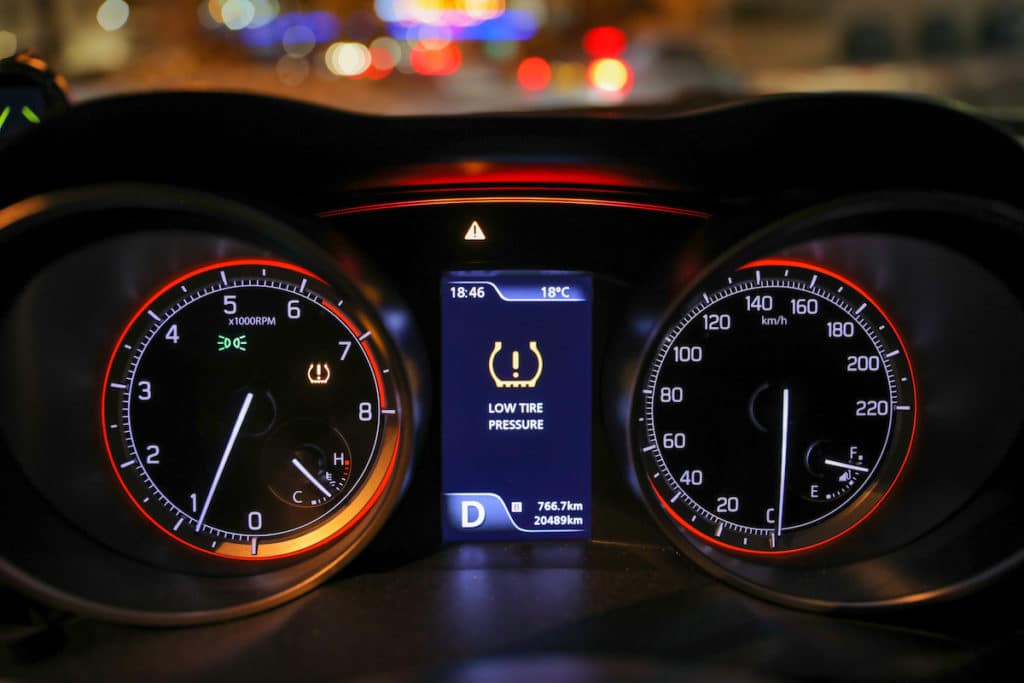
Have you ever slid behind the wheel of your car, turned the key in the ignition, and immediately been met by a dashboard light turning on and staying on? There aren't too many worse feelings - a light coming on in the dash almost always means that there's an auto service issue that needs attention and will require a visit to the mechanic (and money out of your pocket). However, in our experience, the longer you ignore these dashboard lights the worse (and more expensive) the problem gets. Toyota of Clermont is here to explain why you shouldn't ignore them, starting with the tire pressure warning light! Never ignore your tire pressure warning light The tire pressure warning light illuminates in your dash when one or more of your tires doesn't have enough air in it - the tire pressure is too low. Whether it's from cold weather, a leak, or damage to your tire, it needs to be remedied pretty quickly. A lot of drivers don't think it's a big deal, though - after all, the tire's not flat yet, so what's the rush? Here are three reasons you shouldn't even ignore your tire pressure warning light. Check it out! #1: You won't get the right fuel efficiency. This reason alone should be enough to have you scurrying for the air hose. Your tire pressure is directly correlated to your fuel efficiency -  if your car tires don't have the right PSI, you won't get the fuel efficiency you should in your car. This means more frequent stops at the pump and more money spent on fuel. #2: You're more likely to get a flat or have a blowout. Another issue that arises from low tire pressure is that the likelihood of having a flat tire or blowout goes up. A flat tire may seem like a minor inconvenience, but blowouts are another story altogether. If you have a tire blowout while moving at high speeds (like on a highway), you're a lot more likely to lose control of your car and possibly get into an accident or collision. It's dangerous for you AND the drivers around you. #3: Your tires are going to wear unevenly. A final reason why you should never ignore your tire pressure warning light is that your tires will wear unevenly. The tire that's too low will have more surface area on the road and wear out more quickly, and that can throw things out of balance so your other tires wear unevenly, too. Overall, this means you'll be replacing your tires more frequently and spending a ton more than you should. And it's an easy fix! To restore your tires to the right tire pressure, just head to the gas station and use their air hose (as well as a tire pressure gauge to ensure you don't overinflate the tire). And if you're not comfortable doing it DIY-style, bring your vehicle to Toyota of Clermont so our techs can take care of it for you. Toyota of Clermont can get your tires back to the right pressure today You've got questions, we've got answers. Schedule your service today at Toyota of Clermont and let us get you back on the road! Our Clermont auto service center is located just off the Florida Turnpike at 16851 State Road 50.
tire pressure light

Toyota of Clermont explains why you should never ignore your tire pressure warning light

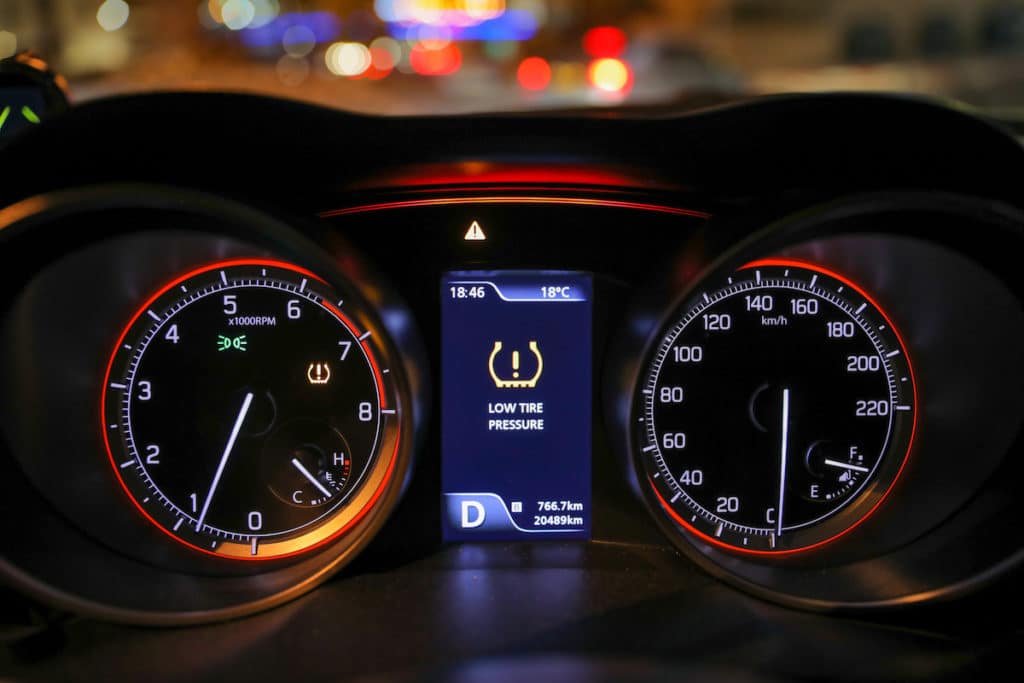
Have you ever slid behind the wheel of your car, turned the key in the ignition, and immediately been met by a dashboard light turning on and staying on? There aren't too many worse feelings - a light coming on in the dash almost always means that there's an auto service issue that needs attention and will require a visit to the mechanic (and money out of your pocket). However, in our experience, the longer you ignore these dashboard lights the worse (and more expensive) the problem gets. Toyota of Clermont is here to explain why you shouldn't ignore them, starting with the tire pressure warning light! Never ignore your tire pressure warning light The tire pressure warning light illuminates in your dash when one or more of your tires doesn't have enough air in it - the tire pressure is too low. Whether it's from cold weather, a leak, or damage to your tire, it needs to be remedied pretty quickly. A lot of drivers don't think it's a big deal, though - after all, the tire's not flat yet, so what's the rush? Here are three reasons you shouldn't even ignore your tire pressure warning light. Check it out! #1: You won't get the right fuel efficiency. This reason alone should be enough to have you scurrying for the air hose. Your tire pressure is directly correlated to your fuel efficiency -  if your car tires don't have the right PSI, you won't get the fuel efficiency you should in your car. This means more frequent stops at the pump and more money spent on fuel. #2: You're more likely to get a flat or have a blowout. Another issue that arises from low tire pressure is that the likelihood of having a flat tire or blowout goes up. A flat tire may seem like a minor inconvenience, but blowouts are another story altogether. If you have a tire blowout while moving at high speeds (like on a highway), you're a lot more likely to lose control of your car and possibly get into an accident or collision. It's dangerous for you AND the drivers around you. #3: Your tires are going to wear unevenly. A final reason why you should never ignore your tire pressure warning light is that your tires will wear unevenly. The tire that's too low will have more surface area on the road and wear out more quickly, and that can throw things out of balance so your other tires wear unevenly, too. Overall, this means you'll be replacing your tires more frequently and spending a ton more than you should. And it's an easy fix! To restore your tires to the right tire pressure, just head to the gas station and use their air hose (as well as a tire pressure gauge to ensure you don't overinflate the tire). And if you're not comfortable doing it DIY-style, bring your vehicle to Toyota of Clermont so our techs can take care of it for you. Toyota of Clermont can get your tires back to the right pressure today You've got questions, we've got answers. Schedule your service today at Toyota of Clermont and let us get you back on the road! Our Clermont auto service center is located just off the Florida Turnpike at 16851 State Road 50.
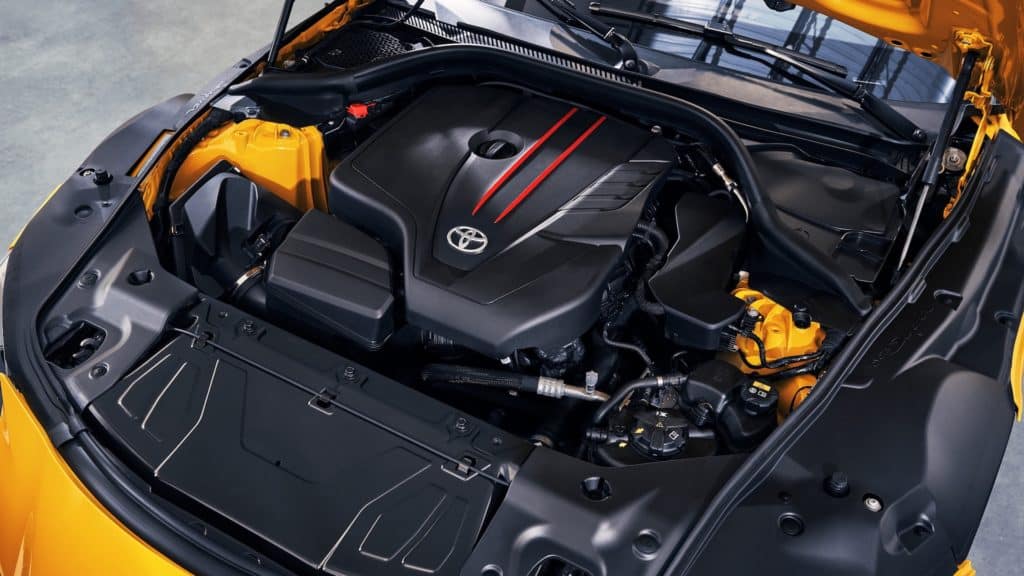
Supra car engine in Clermont.

Which Car Engine Type/Size is Right for You?

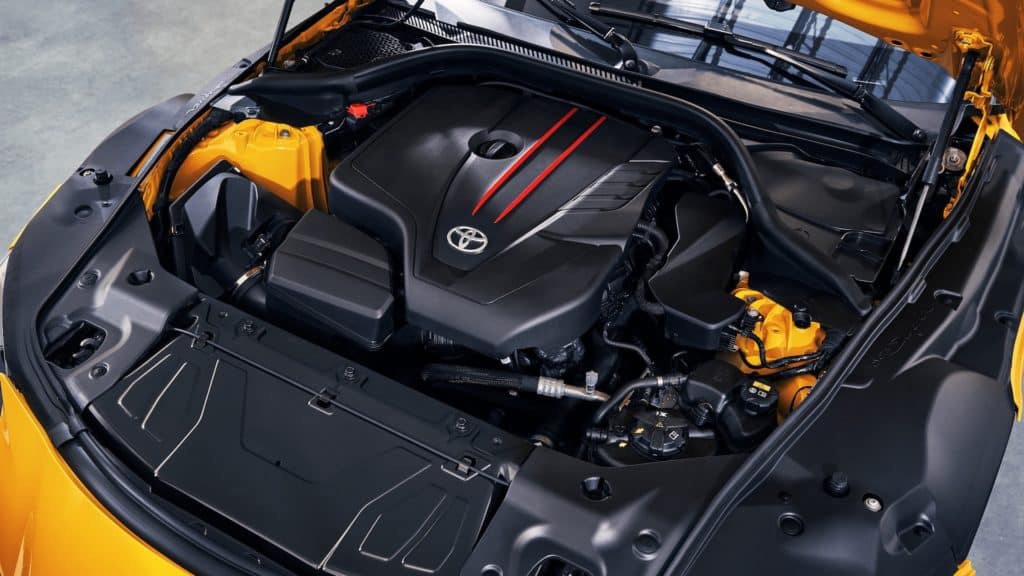
If you think about it for a moment, your car truly is a great working partner to have. They're designed to perform a job, whether that be transporting you, transporting items, pulling things, and so on, your car is made to work. Everyone on the road has a different need for their car and that's why we have so many options to choose from across a plethora of automotive brands and vehicle types. Your car is one of the best multi-tools out there and picking the right one is important if you want to get the task you need done, well, done. One factor you should probably be paying extra attention to is the size of the car engine under the hood. This auto part will greatly determine the capabilities of your ride and what your car will be able to do for you. Not sure which to pick? Toyota of Clermont is here with a few pointers to get you going! Consider Your Needs First The reason there are so many vehicle options out there and why we choose the vehicles we choose is because each of us has a specific need. Some of us need to tow and haul, some need to move a lot of passengers, some need to just get to work and wherever else. Those needs shape which Clermont Toyota car we inevitably drive. Before picking a ride with a particularly sized car engine, consider these few things: What do you need your car to do? If you need to just get from point A to point B, a smaller and more fuel efficient car engine size will do the trick. Driving more than just yourself on a regular basis might require a more powerful Clermont Toyota engine. But, it depends on your carpool size. More laborious tasks like hauling materials or towing trailers will require even more powerful car engine sizes. These will be able to handle large loads without buckling under pressure. Sporty ventures like track racing or fast acceleration will require you to find a more specialty engine with power and other features. Engine Sizes to Choose From Depending on your specific needs there are plenty of car engine sizes and features to choose from. Clermont Toyota cars are host to several different types that all serve different needs. Without getting too specific and granular, here are a few different engine sizes and what they can do: 4-Cylinder Smaller Clermont car engine that's built solely for driving and carrying light amounts of cargo. Very fuel efficient and are often paired with an electrical drivetrain in hybrid vehicles. Can be found in models like the Corolla, Camry, Yaris, RAV4, and more. 6-Cylinder, V6 Mid-sized engine with added power and capability. V6 car engines are very capable and strike an ideal balance between power and fuel efficiency. You can tow small loads and reap fair acceleration along with great fuel efficiency. This type of engine is used in the Tacoma, 4Runner, Highlander, and some models of Camry. 8-Cylinder, V8 The more powerful of the bunch. The V8 car engine is ideal to use for more labor intensive tasks like towing and hauling. With greater power comes less fuel efficiency and V8 engines are notorious gas guzzlers. Make sure you can afford the pump price over the long haul. You can find this Clermont Toyota engine on the Tundra, Land Cruiser, and Sequoia. Ready to shop? Visit Toyota of Clermont at 16851 State Road 50 today or shop our full inventory online now!

Supra car engine in Clermont.

Which Car Engine Type/Size is Right for You?

If you think about it for a moment, your car truly is a great working partner to have. They're designed to perform a job, whether that be transporting you, transporting items, pulling things, and so on, your car is made to work. Everyone on the road has a different need for their car and that's why we have so many options to choose from across a plethora of automotive brands and vehicle types. Your car is one of the best multi-tools out there and picking the right one is important if you want to get the task you need done, well, done. One factor you should probably be paying extra attention to is the size of the car engine under the hood. This auto part will greatly determine the capabilities of your ride and what your car will be able to do for you. Not sure which to pick? Toyota of Clermont is here with a few pointers to get you going! Consider Your Needs First The reason there are so many vehicle options out there and why we choose the vehicles we choose is because each of us has a specific need. Some of us need to tow and haul, some need to move a lot of passengers, some need to just get to work and wherever else. Those needs shape which Clermont Toyota car we inevitably drive. Before picking a ride with a particularly sized car engine, consider these few things: What do you need your car to do? If you need to just get from point A to point B, a smaller and more fuel efficient car engine size will do the trick. Driving more than just yourself on a regular basis might require a more powerful Clermont Toyota engine. But, it depends on your carpool size. More laborious tasks like hauling materials or towing trailers will require even more powerful car engine sizes. These will be able to handle large loads without buckling under pressure. Sporty ventures like track racing or fast acceleration will require you to find a more specialty engine with power and other features. Engine Sizes to Choose From Depending on your specific needs there are plenty of car engine sizes and features to choose from. Clermont Toyota cars are host to several different types that all serve different needs. Without getting too specific and granular, here are a few different engine sizes and what they can do: 4-Cylinder Smaller Clermont car engine that's built solely for driving and carrying light amounts of cargo. Very fuel efficient and are often paired with an electrical drivetrain in hybrid vehicles. Can be found in models like the Corolla, Camry, Yaris, RAV4, and more. 6-Cylinder, V6 Mid-sized engine with added power and capability. V6 car engines are very capable and strike an ideal balance between power and fuel efficiency. You can tow small loads and reap fair acceleration along with great fuel efficiency. This type of engine is used in the Tacoma, 4Runner, Highlander, and some models of Camry. 8-Cylinder, V8 The more powerful of the bunch. The V8 car engine is ideal to use for more labor intensive tasks like towing and hauling. With greater power comes less fuel efficiency and V8 engines are notorious gas guzzlers. Make sure you can afford the pump price over the long haul. You can find this Clermont Toyota engine on the Tundra, Land Cruiser, and Sequoia. Ready to shop? Visit Toyota of Clermont at 16851 State Road 50 today or shop our full inventory online now!

Fuel efficiency tips from Toyota of Clermont.

Why Your Fuel Efficiency is Lower Than Advertised

Car shopping is all about check marks in a never ending sea of boxes. Features you need, paint color options, engine specs, and more must all be considered before you sign your name on the line and get the keys to the whip that will carry you for miles and miles. More than likely, one feature that tops that list (or at least ranks fairly high) is fuel efficiency. And why wouldn't it? No one likes ponying up to the pump to fork over their earned money for a substance that inevitable just gets burned (and pollutes the atmosphere, but that's a topic for a later time). Most vehicles are advertised with a specific set of figures indicating their fuel economy in miles per gallon (MPG) and you might even recall those numbers well after you've driven off the lot. If you have a sinking feeling that your gas tank isn't stretching as far as it used to, you're not crazy! Toyota of Clermont is here with a few explanations as to why that's happening to you. Here's Why Your Gas Tank is Burning Fuel a Little Too Quickly You Have a Dirty Air Filter Having a dirty filter is normal and par for the course as you drive. After all, this auto part is tasked with filtering out air pollutants that could hinder the combustion process and it being dirty means its working. But, if it's affecting your fuel economy then you have some issues on your hands. It can actually cause your fuel efficiency to drop. Underinflated Tires Imagine walking around in shoes with little to no support. It hurts and it takes a while to get anywhere. The same applies to your Clermont Toyota tires. Underinflated tires can lead to loss of control but it can decrease your overall fuel economy as your ride will need to work even harder to go anywhere. Inflate your tires asap or figure out why they're so flat. Your Spark Plugs are Dated Your spark plugs play an integral role in starting your engine and can deplete your Clermont Toyota fuel efficiency as they age and stop working. We recommend visiting us to have them checked out by a professional auto service technician. <span data-mce-type="bookmark" style="display: inline-block; width: 0px; overflow: hidden; line-height: 0;" class="mce_SELRES_start"></span> Bad Fueling System Your fuel pump, injector, and other key parts comprise your fueling system and a sudden drop in fuel efficiency could mean there's an issue. This is a major Clermont Toyota system in your car and would need to be checked out by one of our auto service techs. Don't try to solve this one on your own (unless you're a pro). You Like That Accelerator a Little too Much You can argue that the accelerator was meant to be pressed (you're not wrong), but it wasn't designed to be put to the floor whenever you drive (that's excessive). Your Clermont Toyota car might be suffering from poor fuel efficiency because you drive recklessly and slam the gas pedal down like it's your job (unless you race professionally, chill out). Try taking it easy and gradually accelerating and braking. You'll likely see a gradual rise in fuel economy over time. Still have questions? Toyota of Clermont is here to help! Visit our auto service center for all your fuel efficiency concerns at 16851 State Road 50.

Fuel efficiency tips from Toyota of Clermont.

Why Your Fuel Efficiency is Lower Than Advertised

Car shopping is all about check marks in a never ending sea of boxes. Features you need, paint color options, engine specs, and more must all be considered before you sign your name on the line and get the keys to the whip that will carry you for miles and miles. More than likely, one feature that tops that list (or at least ranks fairly high) is fuel efficiency. And why wouldn't it? No one likes ponying up to the pump to fork over their earned money for a substance that inevitable just gets burned (and pollutes the atmosphere, but that's a topic for a later time). Most vehicles are advertised with a specific set of figures indicating their fuel economy in miles per gallon (MPG) and you might even recall those numbers well after you've driven off the lot. If you have a sinking feeling that your gas tank isn't stretching as far as it used to, you're not crazy! Toyota of Clermont is here with a few explanations as to why that's happening to you. Here's Why Your Gas Tank is Burning Fuel a Little Too Quickly You Have a Dirty Air Filter Having a dirty filter is normal and par for the course as you drive. After all, this auto part is tasked with filtering out air pollutants that could hinder the combustion process and it being dirty means its working. But, if it's affecting your fuel economy then you have some issues on your hands. It can actually cause your fuel efficiency to drop. Underinflated Tires Imagine walking around in shoes with little to no support. It hurts and it takes a while to get anywhere. The same applies to your Clermont Toyota tires. Underinflated tires can lead to loss of control but it can decrease your overall fuel economy as your ride will need to work even harder to go anywhere. Inflate your tires asap or figure out why they're so flat. Your Spark Plugs are Dated Your spark plugs play an integral role in starting your engine and can deplete your Clermont Toyota fuel efficiency as they age and stop working. We recommend visiting us to have them checked out by a professional auto service technician. <span data-mce-type="bookmark" class="mce_SELRES_start"></span> Bad Fueling System Your fuel pump, injector, and other key parts comprise your fueling system and a sudden drop in fuel efficiency could mean there's an issue. This is a major Clermont Toyota system in your car and would need to be checked out by one of our auto service techs. Don't try to solve this one on your own (unless you're a pro). You Like That Accelerator a Little too Much You can argue that the accelerator was meant to be pressed (you're not wrong), but it wasn't designed to be put to the floor whenever you drive (that's excessive). Your Clermont Toyota car might be suffering from poor fuel efficiency because you drive recklessly and slam the gas pedal down like it's your job (unless you race professionally, chill out). Try taking it easy and gradually accelerating and braking. You'll likely see a gradual rise in fuel economy over time. Still have questions? Toyota of Clermont is here to help! Visit our auto service center for all your fuel efficiency concerns at 16851 State Road 50.

catalytic converter

Four things you should know about your catalytic converter

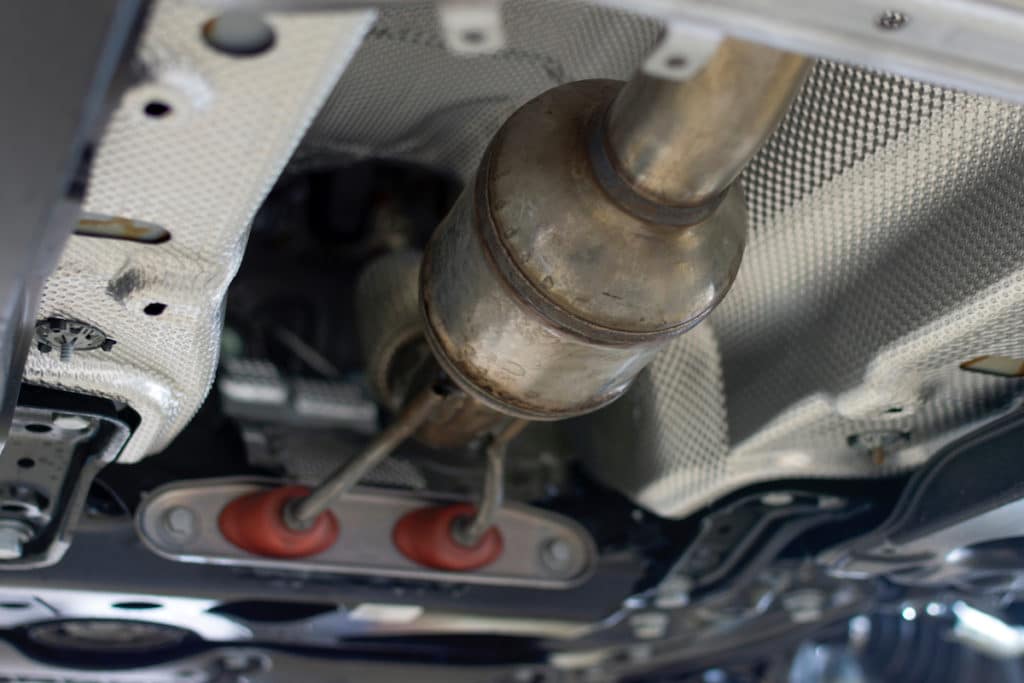
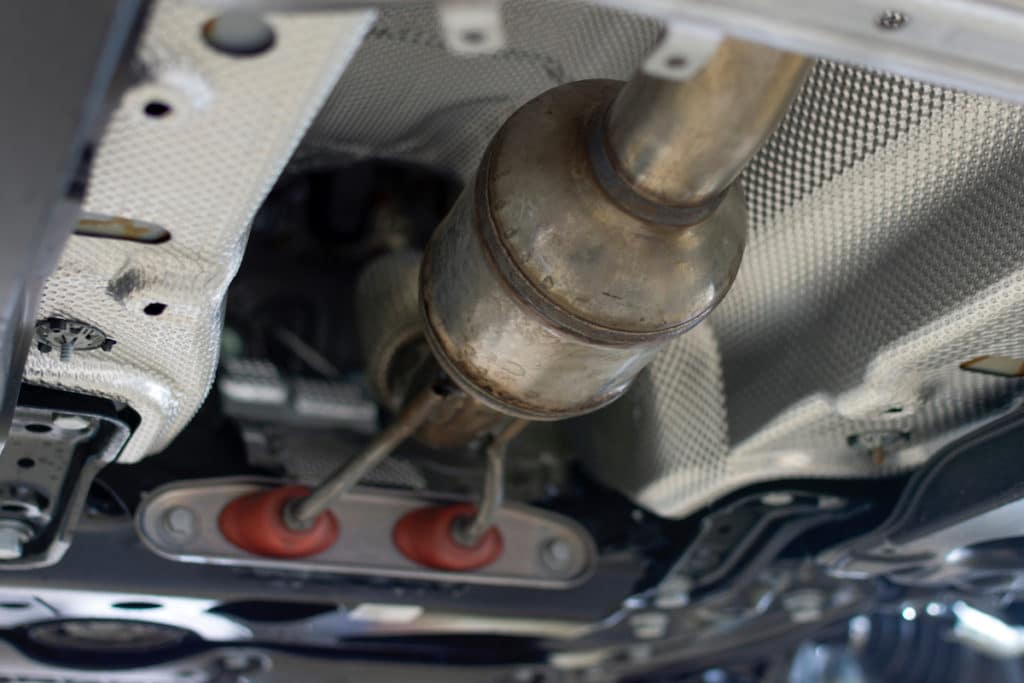
The catalytic converter - if you're not overly familiar with what goes on under the hood of your car - can sound like a made-up part straight from Star Trek. However, this car part actually plays a critical role in your car's performance and keeps you, your vehicle, and everyone around you safe. Toyota of Clermont is here to explain the catalytic converter and also give you tips on how to troubleshoot it in case you run into any problems. What is the catalytic converter and why is it critical to performance? First, let's discuss what a catalytic converter is. This important car part actually takes the toxic gases and pollutants in your car exhaust and converts them into less harmful emissions. It does so via a redox reaction - basically a chemical reaction that alters the atoms - and ensures that you're not releasing said toxic pollutants into the air. Obviously, it's a very important part of your car's performance. But did you know it's actually illegal to drive a car without one? Here's a little backstory. Catalytic converters were first designed in France way back at the end of the 19th century, but they weren't introduced to the mainstream automotive market until the 1970s. In the 70s, the U.S. E.P.A. became more cognizant about emissions and decided that from 1975 on, catalytic converters would be required on all gasoline-powered vehicles in the United States. And not only that, but they would also become mandatory on buses, ships, trains, forklifts, motorcycles, mining equipment, and generators. Not-so-fun fact - catalytic converters are actually stolen off of cars pretty frequently. They're on the exterior of the vehicle, which makes them easy to snag, and they contain precious metals that thieves can sell for profit. Also, they do face issues from time to time. They can overheat if you're having issues with excess unburned gas (which could happen due to a bad oxygen sensor, etc.) or clog if you have a coolant or oil leak inside your engine. And whether your catalytic converter gets stolen or dies, you've got a problem on your hands. Without this part, your vehicle not only releases toxic emissions into the air but can also negatively affect your engine to the point of it dying altogether. That's why it's important to be able to troubleshoot it and recognize when something is wrong. Learn how to troubleshoot your catalytic converter for problems Here are some giveaway signs that your catalytic converter is in need of some attention from our Clermont auto service specialists: Your exhaust smoke is dark Your engine seems like it's lagging or sluggish Your car won't accelerate properly You smell rotten eggs or sulfur when you operate the car There's excess heat coming from under the car If you notice these signs, you should absolutely schedule an appointment at Toyota of Clermont to let our techs take a look at it. You can reach us seven days a week at (352) 404-7001, or stop by! Our Clermont Toyota service center is conveniently located at 16851 State Road 50, just west of the Florida Turnpike.

catalytic converter

Four things you should know about your catalytic converter

The catalytic converter - if you're not overly familiar with what goes on under the hood of your car - can sound like a made-up part straight from Star Trek. However, this car part actually plays a critical role in your car's performance and keeps you, your vehicle, and everyone around you safe. Toyota of Clermont is here to explain the catalytic converter and also give you tips on how to troubleshoot it in case you run into any problems. What is the catalytic converter and why is it critical to performance? First, let's discuss what a catalytic converter is. This important car part actually takes the toxic gases and pollutants in your car exhaust and converts them into less harmful emissions. It does so via a redox reaction - basically a chemical reaction that alters the atoms - and ensures that you're not releasing said toxic pollutants into the air. Obviously, it's a very important part of your car's performance. But did you know it's actually illegal to drive a car without one? Here's a little backstory. Catalytic converters were first designed in France way back at the end of the 19th century, but they weren't introduced to the mainstream automotive market until the 1970s. In the 70s, the U.S. E.P.A. became more cognizant about emissions and decided that from 1975 on, catalytic converters would be required on all gasoline-powered vehicles in the United States. And not only that, but they would also become mandatory on buses, ships, trains, forklifts, motorcycles, mining equipment, and generators. Not-so-fun fact - catalytic converters are actually stolen off of cars pretty frequently. They're on the exterior of the vehicle, which makes them easy to snag, and they contain precious metals that thieves can sell for profit. Also, they do face issues from time to time. They can overheat if you're having issues with excess unburned gas (which could happen due to a bad oxygen sensor, etc.) or clog if you have a coolant or oil leak inside your engine. And whether your catalytic converter gets stolen or dies, you've got a problem on your hands. Without this part, your vehicle not only releases toxic emissions into the air but can also negatively affect your engine to the point of it dying altogether. That's why it's important to be able to troubleshoot it and recognize when something is wrong. Learn how to troubleshoot your catalytic converter for problems Here are some giveaway signs that your catalytic converter is in need of some attention from our Clermont auto service specialists: Your exhaust smoke is dark Your engine seems like it's lagging or sluggish Your car won't accelerate properly You smell rotten eggs or sulfur when you operate the car There's excess heat coming from under the car If you notice these signs, you should absolutely schedule an appointment at Toyota of Clermont to let our techs take a look at it. You can reach us seven days a week at (352) 404-7001, or stop by! Our Clermont Toyota service center is conveniently located at 16851 State Road 50, just west of the Florida Turnpike.

Clermont car care tips

Prep your car for driving in the snow with these simple tips

Are you heading north for the holidays? With the cold we've been experiencing here in Florida, it's not unlikely that you'll face snow as you head farther north. Is your car ready to take on the winter weather and get you safely to your holiday destination? Toyota of Clermont is here with tips to prepare your vehicle for driving in the snow. Five tips for driving in the snow Tip #1: Check your tire tread and PSI. Before you hit the road (regardless of weather) you should always check your tire tread. You want to ensure it's deep enough to grip the road, especially in slick conditions like rain, snow, and ice. Do a tread test with a penny - stick the penny into the tread with Abe's head down. If you can see the top of his head, your tread is too low. You should also ensure that your tires are inflated to the proper PSI, which you can find both in the well of the driver's side door and in your owner's manual. Tip #2: Make sure you have an ice scraper in your car. Make sure you have an ice scraper in your car before you head north. This will ensure you can always have a clear windshield for the best visibility possible (and you're not ruining credit cards, windshield wipers, etc. trying to get the frost off the glass). Tip #3: Ensure your heater is working. Check your heater and defroster before you head out to make sure your heater can get your cabin nice and toasty and your defroster can efficiently clear the glass of your car's windshield and rear window. Tip #4: Change your oil and your antifreeze. Before you hit the highway, check (or have our Clermont auto service techs check) your car's oil and anti-freeze. You may want to swap them out for liquids that won't freeze and will perform better in low temperatures depending on how far north you're heading. Also, don't forget to swap out your windshield wiper fluid so it doesn't freeze. You want a tank full of clean oil and a tank full of clean antifreeze before you drive long distances to ensure top performance. Tip #5: Get a battery inspection. Have our Clermont Toyota service techs check your battery before you take on driving in the snow. Cold weather can have a major impact on your car's battery (in a bad way, like preventing it from starting your car) so you should have our auto service center inspect it for both condition and voltage. Don't forget- the best way to avoid an accident or issue while driving in the snow is to prep ahead of time. You should also ensure you give yourself a little extra travel time in case of delays, drive a bit slower when you're driving in snow, and remember to never use your cruise control in slippery conditions. Check the weather before you leave home, too! Prep for your trip at Toyota of Clermont! Need to prepare your car for winter travels? Get ready for driving in the snow at Toyota of Clermont. We're conveniently located at 16851 State Road 50, just west of the Florida Turnpike. You can call today at (352) 404-7001!

Clermont car care tips

Prep your car for driving in the snow with these simple tips

Are you heading north for the holidays? With the cold we've been experiencing here in Florida, it's not unlikely that you'll face snow as you head farther north. Is your car ready to take on the winter weather and get you safely to your holiday destination? Toyota of Clermont is here with tips to prepare your vehicle for driving in the snow. Five tips for driving in the snow Tip #1: Check your tire tread and PSI. Before you hit the road (regardless of weather) you should always check your tire tread. You want to ensure it's deep enough to grip the road, especially in slick conditions like rain, snow, and ice. Do a tread test with a penny - stick the penny into the tread with Abe's head down. If you can see the top of his head, your tread is too low. You should also ensure that your tires are inflated to the proper PSI, which you can find both in the well of the driver's side door and in your owner's manual. Tip #2: Make sure you have an ice scraper in your car. Make sure you have an ice scraper in your car before you head north. This will ensure you can always have a clear windshield for the best visibility possible (and you're not ruining credit cards, windshield wipers, etc. trying to get the frost off the glass). Tip #3: Ensure your heater is working. Check your heater and defroster before you head out to make sure your heater can get your cabin nice and toasty and your defroster can efficiently clear the glass of your car's windshield and rear window. Tip #4: Change your oil and your antifreeze. Before you hit the highway, check (or have our Clermont auto service techs check) your car's oil and anti-freeze. You may want to swap them out for liquids that won't freeze and will perform better in low temperatures depending on how far north you're heading. Also, don't forget to swap out your windshield wiper fluid so it doesn't freeze. You want a tank full of clean oil and a tank full of clean antifreeze before you drive long distances to ensure top performance. Tip #5: Get a battery inspection. Have our Clermont Toyota service techs check your battery before you take on driving in the snow. Cold weather can have a major impact on your car's battery (in a bad way, like preventing it from starting your car) so you should have our auto service center inspect it for both condition and voltage. Don't forget- the best way to avoid an accident or issue while driving in the snow is to prep ahead of time. You should also ensure you give yourself a little extra travel time in case of delays, drive a bit slower when you're driving in snow, and remember to never use your cruise control in slippery conditions. Check the weather before you leave home, too! Prep for your trip at Toyota of Clermont! Need to prepare your car for winter travels? Get ready for driving in the snow at Toyota of Clermont. We're conveniently located at 16851 State Road 50, just west of the Florida Turnpike. You can call today at (352) 404-7001!

Contact Us

Fill out this form below and we'll contact you shortly
*Required Fields