
Blog / Toyota Service

Blog

All Toyota Service Clermont Toyota Tips New Toyota Clermont Toyota News Fun Friday Used Cars Clermont Toyota Service Toyota of Clermont Service
post off-roading tips

Car care tips for after off-roading

Do you like to take things into the great unknown when it comes to drive time adventures? Off-roading is a great way to get off the pavement and find the unexpected, but it also calls for a bit of extra car care when you return to civilization. Toyota of Clermont is here with tips straight from our auto service experts on how to best care for your car after off-roading adventures - save yourself the time and money and read through the list! 4 car care tips for off-roading vehicles Tip #1: Don't delay. The longer you wait to wash your car, the longer it's going to take to wash it. Leaving mud, dirt, and dust sitting on a vehicle only makes them that much harder to remove, so don't wait too long to start your car care. Tip #2: Put your pressure washer to use. Before you get to scrubbing, it's a wise idea to put your pressure washer (or at least the hose on the high setting) to use. This will help to remove caked-on dirt and mud and make your car care process easier, but it'll also help to get any leftover sand or dirt particles off the paint. If you skip this step, you risk scratching your paint and leaving swirls in it because sand can get trapped under the sponge as you scrub. Tip #3: Pick your products wisely. Are you using soap formulated for your Clermont Toyota to get the job done after off-roading? Remember, dish soap can actually harm your paint. You should choose a soap that's made for cars to give your vehicle the best wash. Our parts store at Toyota of Clermont can help you find exactly what you need. And don't forget to wax your car with a quality wax - this will help repel moisture and dirt next time you take things off the pavement, and will also make your car easier to clean next time you have to do some car care. Tip #4: Don't forget the undercarriage. It's easy to forget that the underside of your car takes a beating when you go off-roading. Make sure that you wash the undercarriage well. Quick hack for you - buy a cheap rotating sprinkler, attach it to the hose, and stick it under the car. This will help to rinse off mud and dirt with little effort on your part, leaving the rest of the cleanup a lot easier. And don't forget to clean out the brake components and suspension components. If mud and dirt work their way into these parts and aren't cleaned out, it can actually impair your car's functionality and cost you money in repairs down the road. Toyota of Clermont can get you the car care tips and supplies you need Have questions, need car care supplies, or just want some more expert advice when it comes to caring for your Clermont Toyota? Call us! Toyota of Clermont is open seven days a week at (352) 404-7001. We're conveniently located just west of the Florida Turnpike at 16851 State Road 50.


post off-roading tips

Car care tips for after off-roading

Do you like to take things into the great unknown when it comes to drive time adventures? Off-roading is a great way to get off the pavement and find the unexpected, but it also calls for a bit of extra car care when you return to civilization. Toyota of Clermont is here with tips straight from our auto service experts on how to best care for your car after off-roading adventures - save yourself the time and money and read through the list! 4 car care tips for off-roading vehicles Tip #1: Don't delay. The longer you wait to wash your car, the longer it's going to take to wash it. Leaving mud, dirt, and dust sitting on a vehicle only makes them that much harder to remove, so don't wait too long to start your car care. Tip #2: Put your pressure washer to use. Before you get to scrubbing, it's a wise idea to put your pressure washer (or at least the hose on the high setting) to use. This will help to remove caked-on dirt and mud and make your car care process easier, but it'll also help to get any leftover sand or dirt particles off the paint. If you skip this step, you risk scratching your paint and leaving swirls in it because sand can get trapped under the sponge as you scrub. Tip #3: Pick your products wisely. Are you using soap formulated for your Clermont Toyota to get the job done after off-roading? Remember, dish soap can actually harm your paint. You should choose a soap that's made for cars to give your vehicle the best wash. Our parts store at Toyota of Clermont can help you find exactly what you need. And don't forget to wax your car with a quality wax - this will help repel moisture and dirt next time you take things off the pavement, and will also make your car easier to clean next time you have to do some car care. Tip #4: Don't forget the undercarriage. It's easy to forget that the underside of your car takes a beating when you go off-roading. Make sure that you wash the undercarriage well. Quick hack for you - buy a cheap rotating sprinkler, attach it to the hose, and stick it under the car. This will help to rinse off mud and dirt with little effort on your part, leaving the rest of the cleanup a lot easier. And don't forget to clean out the brake components and suspension components. If mud and dirt work their way into these parts and aren't cleaned out, it can actually impair your car's functionality and cost you money in repairs down the road. Toyota of Clermont can get you the car care tips and supplies you need Have questions, need car care supplies, or just want some more expert advice when it comes to caring for your Clermont Toyota? Call us! Toyota of Clermont is open seven days a week at (352) 404-7001. We're conveniently located just west of the Florida Turnpike at 16851 State Road 50.

Clermont auto care tips

4 signs you might need car headlight service

When you look at the list of important car parts, your car headlights are pretty close to the top. After all, they're what lights your way in bad weather and when it's too dark to see the road. Having them working and working well is crucial to your drive time performance and safety. But just like any other part on your car, they do wear out over time due to use. Toyota of Clermont's auto service techs are here to help you spot a car headlight that's on its way out and troubleshoot any issues you might be having with them. Remember, you shouldn't delay if you're having car headlight issues. You should never drive with burnt out headlights - not only is it dangerous, it's also illegal to drive without two working headlights and you could receive a ticket if you get caught. Don't ignore these signs of car headlight issues 1. Your headlights seem dim. Do your car headlights seem like they're just not shining as brightly as they usually do? It's no cause for alarm - this is usually because the bulbs are on their way out (just like bulbs burn out in your house). They'll need to be replaced, which is an easy fix. However, if new bulbs don't restore the brightness you may have a problem with your ground wire. In that case, bring your car to Toyota of Clermont for a once over. 2. You can't turn on your brights. If you can turn on your low beams but can't get your high beams to work, it could be another bulb issue. Try replacing the high beam bulbs before you do anything else but if that doesn't work, you might have a wiring problem or even a burnt out fuse. Our Clermont Toyota service team can troubleshoot things for you and get to the root of the problem. 3. Your headlights are flickering on and off. Are your car headlights flickering on and off while you're trying to use them? This is usually indicative that they're about to burn out entirely (so don't hit the road without resolving the problem first) and the bulbs need to be replaced. If new bulbs don't stop the flickering, though, then you might have a bad harness or even a problem with your battery connection. It's worth letting our Clermont car care techs take a look. 4. Fuses keep blowing under the hood. If fuses keep blowing under the hood no matter what you do, there might be a larger issue at hand. This typically indicates a problem with wiring or your electrical system and it's not something you can DIY. Bring your car to Toyota of Clermont and let the experts get you back on the road. Toyota of Clermont can handle ALL of your car headlight issues Whether you have a smashed headlight, need headlight restoration, or just need a bit of help with a new bulb, our Clermont auto care center has you covered! Call us today at (352) 404-7001 to schedule an appointment or swing by and see us at 16851 State Road 50, just west of the Florida Turnpike.

Clermont auto care tips

4 signs you might need car headlight service

When you look at the list of important car parts, your car headlights are pretty close to the top. After all, they're what lights your way in bad weather and when it's too dark to see the road. Having them working and working well is crucial to your drive time performance and safety. But just like any other part on your car, they do wear out over time due to use. Toyota of Clermont's auto service techs are here to help you spot a car headlight that's on its way out and troubleshoot any issues you might be having with them. Remember, you shouldn't delay if you're having car headlight issues. You should never drive with burnt out headlights - not only is it dangerous, it's also illegal to drive without two working headlights and you could receive a ticket if you get caught. Don't ignore these signs of car headlight issues 1. Your headlights seem dim. Do your car headlights seem like they're just not shining as brightly as they usually do? It's no cause for alarm - this is usually because the bulbs are on their way out (just like bulbs burn out in your house). They'll need to be replaced, which is an easy fix. However, if new bulbs don't restore the brightness you may have a problem with your ground wire. In that case, bring your car to Toyota of Clermont for a once over. 2. You can't turn on your brights. If you can turn on your low beams but can't get your high beams to work, it could be another bulb issue. Try replacing the high beam bulbs before you do anything else but if that doesn't work, you might have a wiring problem or even a burnt out fuse. Our Clermont Toyota service team can troubleshoot things for you and get to the root of the problem. 3. Your headlights are flickering on and off. Are your car headlights flickering on and off while you're trying to use them? This is usually indicative that they're about to burn out entirely (so don't hit the road without resolving the problem first) and the bulbs need to be replaced. If new bulbs don't stop the flickering, though, then you might have a bad harness or even a problem with your battery connection. It's worth letting our Clermont car care techs take a look. 4. Fuses keep blowing under the hood. If fuses keep blowing under the hood no matter what you do, there might be a larger issue at hand. This typically indicates a problem with wiring or your electrical system and it's not something you can DIY. Bring your car to Toyota of Clermont and let the experts get you back on the road. Toyota of Clermont can handle ALL of your car headlight issues Whether you have a smashed headlight, need headlight restoration, or just need a bit of help with a new bulb, our Clermont auto care center has you covered! Call us today at (352) 404-7001 to schedule an appointment or swing by and see us at 16851 State Road 50, just west of the Florida Turnpike.

Clermont Toyota car tires

Different Car Tire Tread Treadwear Explained

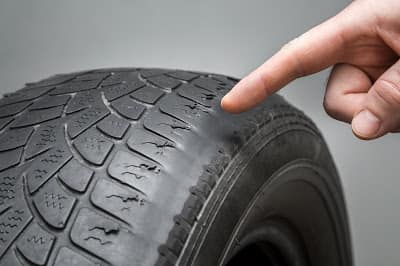
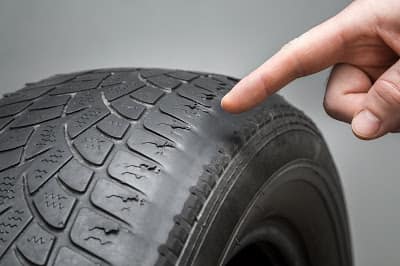
From the roads you drive on, the places you park, and the debris you run over, your car tires go through a lot before they need to be replaced. Every mile and every divet in the road leaves its mark on your tires and they're very easy to ignore. But, waiting too long to diagnose an issue with your tires can lead to drastic consequences and can leave you blind to other issues your vehicle might be experiencing. A great way to tell that you're having issues with your tires is by looking at the way your tread is wearing. Toyota of Clermont is here with an easy guide to make it make sense! Common Car Tire Treadwear Patterns Center Wear Throughout the life cycle of your tires they should wear down evenly. If you're seeing more wear going on in the center of your car tire you likely have overinflated tires. This causes bulging in different areas of the tire and subsequent wear. Side Wear The sides of your Clermont Toyota car tires' tread could be wearing down because they're under-inflated. If you're someone who makes sure to properly inflate your tires to the correct pressure level this could be caused by a bad steering arm or poor alignment. Cupping Wear This unique type of tire treadwear is caused by excessive bouncing of your tires as you drive and is most commonly seen on trailer tires. Seeing this on your actual Clermont Toyota tires is likely caused by worn shock absorbers and/or poor suspension system. Feathering While difficult to spot visually, this Clermont car tire issue can be felt by running your hand down the length of your tires' tread. It will feel like one side of your tires' tread is sharper or more shallow than the other one. This is most often an indication of poor alignment or that you have to improve your driving habits. Sidewall Wear If you've ever run into a curb while parallel parking or ran the side of your wheel into something else while parking, you've likely worn the sidewall down a bit. This is difficult to create long-term damage by doing, but if you don't improve your parallel parking skills soon you could compromise the overall structure of the tire. Flat Spot Wear A large flat spot in the middle of your car tire tread won't easily go unnoticed and most often means that you're driving too aggressively. Reign in this bad driving habit and you should see your tires lasting much longer. However, if you're someone who swears they drive carefully, this could be caused by an underlying brake system problem. Regardless of which type of treadwear pattern your tires are taking on, it's important that you consult with an auto service expert to get an accurate diagnosis, replace your tires, and fix whatever other problem is plaguing your car tires. If you need help, visit Toyota of Clermont at 16851 State Road 50 today!

Clermont Toyota car tires

Different Car Tire Tread Treadwear Explained

From the roads you drive on, the places you park, and the debris you run over, your car tires go through a lot before they need to be replaced. Every mile and every divet in the road leaves its mark on your tires and they're very easy to ignore. But, waiting too long to diagnose an issue with your tires can lead to drastic consequences and can leave you blind to other issues your vehicle might be experiencing. A great way to tell that you're having issues with your tires is by looking at the way your tread is wearing. Toyota of Clermont is here with an easy guide to make it make sense! Common Car Tire Treadwear Patterns Center Wear Throughout the life cycle of your tires they should wear down evenly. If you're seeing more wear going on in the center of your car tire you likely have overinflated tires. This causes bulging in different areas of the tire and subsequent wear. Side Wear The sides of your Clermont Toyota car tires' tread could be wearing down because they're under-inflated. If you're someone who makes sure to properly inflate your tires to the correct pressure level this could be caused by a bad steering arm or poor alignment. Cupping Wear This unique type of tire treadwear is caused by excessive bouncing of your tires as you drive and is most commonly seen on trailer tires. Seeing this on your actual Clermont Toyota tires is likely caused by worn shock absorbers and/or poor suspension system. Feathering While difficult to spot visually, this Clermont car tire issue can be felt by running your hand down the length of your tires' tread. It will feel like one side of your tires' tread is sharper or more shallow than the other one. This is most often an indication of poor alignment or that you have to improve your driving habits. Sidewall Wear If you've ever run into a curb while parallel parking or ran the side of your wheel into something else while parking, you've likely worn the sidewall down a bit. This is difficult to create long-term damage by doing, but if you don't improve your parallel parking skills soon you could compromise the overall structure of the tire. Flat Spot Wear A large flat spot in the middle of your car tire tread won't easily go unnoticed and most often means that you're driving too aggressively. Reign in this bad driving habit and you should see your tires lasting much longer. However, if you're someone who swears they drive carefully, this could be caused by an underlying brake system problem. Regardless of which type of treadwear pattern your tires are taking on, it's important that you consult with an auto service expert to get an accurate diagnosis, replace your tires, and fix whatever other problem is plaguing your car tires. If you need help, visit Toyota of Clermont at 16851 State Road 50 today!

car parts

Car parts: 10 you should know as a car owner

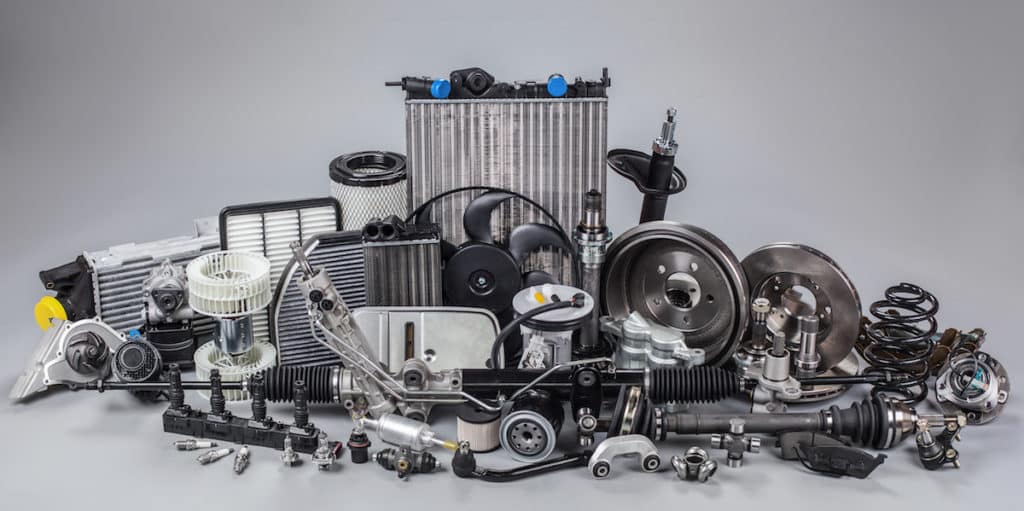
Does the sight of a light in your dash coming on make you overly apprehensive? Do you dread your routine auto service appointments because you never know how much it'll cost you to get back on the road? If so, you may be due for a new mechanic, first of all. Having a trusted relationship with your auto service provider can make those routine checkups a lot less frightening. However, it may also help to have some base knowledge of what goes on under the hood of your ride. Toyota of Clermont is here to help with ALL of your auto service and car parts needs, and we sat down with our knowledgeable techs to create a quick list of some of the most common car parts you should know about. Check it out below. You should know these 10 car parts #1: Mass airflow sensor: Your mass airflow sensor is a critical car part for performance. It gauges how much air is being pulled into the engine so the corresponding proper amount of fuel can be mixed with it. This air/fuel mixture is ignited to get your engine up and running, so you want the mass airflow sensor to be working at all times. #2: Shock absorbers: Shock absorbers help to keep you and your passengers comfortable inside the cabin of your Clermont Toyota. They absorb shock from the road (like when you're on rough terrain or hit a pothole) so you're not bouncing around on the car's springs the entire time. #3: Muffler: The muffler helps to keep your drive time quieter by doing just what it sounds like - muffling the noise from the engine. This car part keeps things much more peaceful for you, your passengers, and everyone around you. #4: A/C compressor: Your A/C compressor is responsible for ensuring that your car's A/C is working properly (a critical car part here in Clermont). If your A/C kicks out, be sure to have our Clermont auto service tech check this part. #5: Heater core: Conversely, this car part keeps your cabin warm when you need the heat on (not very often in Clermont). It's located behind your dashboard and can be tricky to get to, so repairing it is probably best left to the experts. #6: Camshaft: Your Clermont Toyota's camshaft is the car part that's crucial in opening and closing the valves in your engine. They open to let fuel and air in and let exhaust gases out, so if this part isn't working, you're going to have major performance problems. #7: Windshield wiper motor: The windshield wiper motor ensures that your wipers are working when you need it most on your Clermont Toyota. #8: Ignition coil: This car part sends voltage to the spark plugs to help them spark. In turn, this spark causes the internal combustion your engine needs to get started. #9: Axle or CV shaft: The axle or CV shaft sends power from your differential to either your front wheels or rear wheels (depending on whether your Clermont Toyota is front-wheel drive or rear-wheel drive). These car parts are encased in rubber, which can wear out over time and need to be replaced. #10: Power window switch: If you have power windows in your car - which nowadays, you probably do - you have a power window switch responsible for getting the windows up and down. It can wear out as dirt and dust work their way into it or just from excessive use. Toyota of Clermont has answers to all of your car parts questions Have questions? Need help with car parts or auto service? Visit Toyota of Clermont today at 16851 State Road 50, just west of the Florida Turnpike.

car parts

Car parts: 10 you should know as a car owner

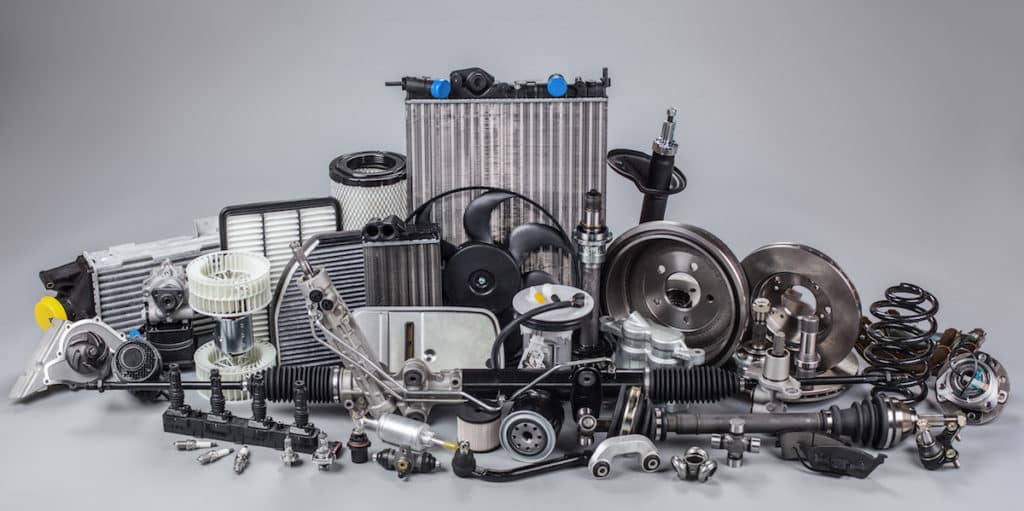
Does the sight of a light in your dash coming on make you overly apprehensive? Do you dread your routine auto service appointments because you never know how much it'll cost you to get back on the road? If so, you may be due for a new mechanic, first of all. Having a trusted relationship with your auto service provider can make those routine checkups a lot less frightening. However, it may also help to have some base knowledge of what goes on under the hood of your ride. Toyota of Clermont is here to help with ALL of your auto service and car parts needs, and we sat down with our knowledgeable techs to create a quick list of some of the most common car parts you should know about. Check it out below. You should know these 10 car parts #1: Mass airflow sensor: Your mass airflow sensor is a critical car part for performance. It gauges how much air is being pulled into the engine so the corresponding proper amount of fuel can be mixed with it. This air/fuel mixture is ignited to get your engine up and running, so you want the mass airflow sensor to be working at all times. #2: Shock absorbers: Shock absorbers help to keep you and your passengers comfortable inside the cabin of your Clermont Toyota. They absorb shock from the road (like when you're on rough terrain or hit a pothole) so you're not bouncing around on the car's springs the entire time. #3: Muffler: The muffler helps to keep your drive time quieter by doing just what it sounds like - muffling the noise from the engine. This car part keeps things much more peaceful for you, your passengers, and everyone around you. #4: A/C compressor: Your A/C compressor is responsible for ensuring that your car's A/C is working properly (a critical car part here in Clermont). If your A/C kicks out, be sure to have our Clermont auto service tech check this part. #5: Heater core: Conversely, this car part keeps your cabin warm when you need the heat on (not very often in Clermont). It's located behind your dashboard and can be tricky to get to, so repairing it is probably best left to the experts. #6: Camshaft: Your Clermont Toyota's camshaft is the car part that's crucial in opening and closing the valves in your engine. They open to let fuel and air in and let exhaust gases out, so if this part isn't working, you're going to have major performance problems. #7: Windshield wiper motor: The windshield wiper motor ensures that your wipers are working when you need it most on your Clermont Toyota. #8: Ignition coil: This car part sends voltage to the spark plugs to help them spark. In turn, this spark causes the internal combustion your engine needs to get started. #9: Axle or CV shaft: The axle or CV shaft sends power from your differential to either your front wheels or rear wheels (depending on whether your Clermont Toyota is front-wheel drive or rear-wheel drive). These car parts are encased in rubber, which can wear out over time and need to be replaced. #10: Power window switch: If you have power windows in your car - which nowadays, you probably do - you have a power window switch responsible for getting the windows up and down. It can wear out as dirt and dust work their way into it or just from excessive use. Toyota of Clermont has answers to all of your car parts questions Have questions? Need help with car parts or auto service? Visit Toyota of Clermont today at 16851 State Road 50, just west of the Florida Turnpike.

daylight savings time

Prepare your car and yourself for daylight savings time to end

We're well into October of 2020 which means daylight savings time is about to end. Are you ready to fall back an hour just as November arrives? The time change can mean a lot more driving in the dark for some, as night usually starts to fall right around rush hour. Toyota of Clermont is here with tips from our auto service experts on how to prepare your car AND yourself for daylight savings time to end so you can hit the road safely no matter the time. Check it out. Toyota of Clermont's tips for dealing with daylight savings 1. Have your lighting - all of it - checked. Before daylight savings time ends, take the time to have your lighting systems both inside and out checked. Your headlights, taillights, turn signals, and hazard lights should all be in working (and excellent) condition so you have top visibility and also so other drivers on the road can clearly see your vehicle. You should also ensure that all interior lights and dash lights are in working order before you try driving at night. Remember, your headlights should be on from dusk until dawn. 2. Bring your car in for brake service and a tire inspection. You want your brakes and tires to be in excellent condition when you're driving at night, as you very well may be after daylight savings time ends. Have our Clermont auto service techs check your entire brake system over to ensure you can come to a safe stop, even if it's a sudden one. You'll also want them to check your tire tread to make sure you can gain proper traction, as well as inspect the overall condition of your car tires to ensure you're not prone to a blowout (because who wants to change a tire in the dark?). 3. Clean your windshield and windows, inside and out. Clean your car's windshield and windows thoroughly both inside and out before driving in the dark. Any dust or smudges will reflect headlights, which can make it difficult to see and impair your visibility in a big way. 4. Do away with all distractions while driving at night. You have to pay extra attention when behind the wheel at night. Animals tend to be more active at night and are more likely to cross your path, and you also won't be able to see issues on the road as soon as you would if it were daytime. Do away with all distractions, keep your hands on the wheel and your eyes on the road, and focus on the road for the safety of you and everyone around you. 5. Take the time to let yourself adjust to the time change. We may fall back and gain an hour of sleep, but that also means you may stay up later than anticipated for a while (especially on Halloween). If you're fatigued, don't get behind the wheel! Driving while fatigued is just as bad as driving while intoxicated. Delay your drive time so you can rest up or at worst, pull over to a safe spot to take a nap. Prep your car at our Clermont auto service center today Have questions or need Toyota of Clermont to help you get your car ready for daylight savings time at our auto service center? Call us! We're open and waiting at (352) 404-7001 and you can stop by to see us at 16851 State Road 50, just west of the Florida Turnpike.

daylight savings time

Prepare your car and yourself for daylight savings time to end

We're well into October of 2020 which means daylight savings time is about to end. Are you ready to fall back an hour just as November arrives? The time change can mean a lot more driving in the dark for some, as night usually starts to fall right around rush hour. Toyota of Clermont is here with tips from our auto service experts on how to prepare your car AND yourself for daylight savings time to end so you can hit the road safely no matter the time. Check it out. Toyota of Clermont's tips for dealing with daylight savings 1. Have your lighting - all of it - checked. Before daylight savings time ends, take the time to have your lighting systems both inside and out checked. Your headlights, taillights, turn signals, and hazard lights should all be in working (and excellent) condition so you have top visibility and also so other drivers on the road can clearly see your vehicle. You should also ensure that all interior lights and dash lights are in working order before you try driving at night. Remember, your headlights should be on from dusk until dawn. 2. Bring your car in for brake service and a tire inspection. You want your brakes and tires to be in excellent condition when you're driving at night, as you very well may be after daylight savings time ends. Have our Clermont auto service techs check your entire brake system over to ensure you can come to a safe stop, even if it's a sudden one. You'll also want them to check your tire tread to make sure you can gain proper traction, as well as inspect the overall condition of your car tires to ensure you're not prone to a blowout (because who wants to change a tire in the dark?). 3. Clean your windshield and windows, inside and out. Clean your car's windshield and windows thoroughly both inside and out before driving in the dark. Any dust or smudges will reflect headlights, which can make it difficult to see and impair your visibility in a big way. 4. Do away with all distractions while driving at night. You have to pay extra attention when behind the wheel at night. Animals tend to be more active at night and are more likely to cross your path, and you also won't be able to see issues on the road as soon as you would if it were daytime. Do away with all distractions, keep your hands on the wheel and your eyes on the road, and focus on the road for the safety of you and everyone around you. 5. Take the time to let yourself adjust to the time change. We may fall back and gain an hour of sleep, but that also means you may stay up later than anticipated for a while (especially on Halloween). If you're fatigued, don't get behind the wheel! Driving while fatigued is just as bad as driving while intoxicated. Delay your drive time so you can rest up or at worst, pull over to a safe spot to take a nap. Prep your car at our Clermont auto service center today Have questions or need Toyota of Clermont to help you get your car ready for daylight savings time at our auto service center? Call us! We're open and waiting at (352) 404-7001 and you can stop by to see us at 16851 State Road 50, just west of the Florida Turnpike.

disc brakes

Toyota of Clermont explains the main types of car brakes

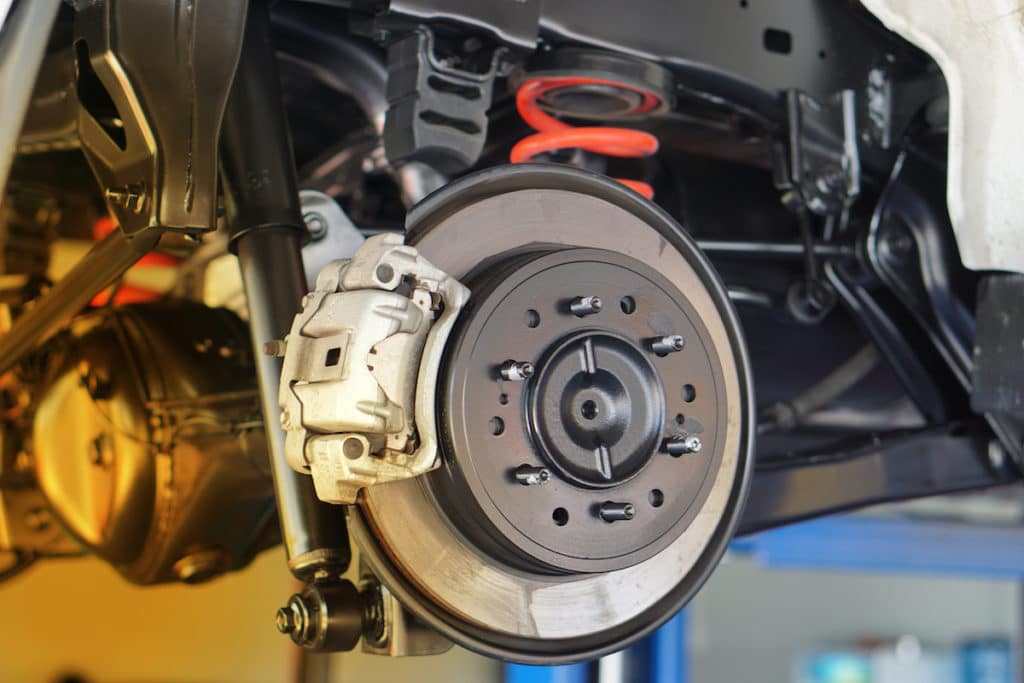
Does the thought of car care make you uncomfortable? If you don't really have a firm grasp of what goes on under the hood, we get it - it can be hard to hand over your car keys and hope for the best. However, there's a way around that uneasy feeling... learning the ins and outs of what's going on every time you start your car. Today, Toyota of Clermont is here to explain the basic types of car brakes. Brake service and repairs are critical to performance, and we want to ensure you feel confident when you schedule yours. The main types of car brakes Disc brakes: Disc brakes are the most common types of car brakes on modern vehicles. In this system, you'll find hydraulic fluid, calipers, brake pads, and rotors. When you press the brake pedal, hydraulic fluid is sent through the system to make the calipers come together; this action then pushes the brake pads against the rotors to slow your car's wheels and bring you to a stop. These brakes are more popular and more widely used because they have better performance capabilities than drum brakes. They dissipate heat better (which means they won't overheat and lose stopping power) and they also fare better in wet weather - they dry more quickly to ensure they work no matter the conditions you're driving in. Drum brakes: Drum brakes used to be the more common of the two, but they definitely have their disadvantages (even though they're cheaper to replace than disc brakes). These car brakes basically have a brake drum and inside of that drum, brake shoes. When you press the brake pedal, the shoes are pushed down against the drum to slow your car's wheels. The problem? There are actually two main ones. First, drum brakes can overheat if used too much and too often, leaving you without a way to stop. They also tend to collect water inside the drum when you drive in wet weather. This can lead to both braking issues and also corrosion and rust in the braking system. Parking brake: Your parking brake - also known as your emergency brake - is a brake that's hooked up to the main braking system via a cable (it's usually attached to the rear brakes). This brake is typically used to keep your car in place once it's parked, like if you park on a hill. However, it can also be a last resort should your main braking system give out and you need a way to stop your vehicle in an emergency situation. And while they may not be a type of car brake, per se, we can't not mention anti-lock brakes. Anti-lock brakes technically aren't a type of car brake, but they are a type of brake technology woven into the braking system. The anti-lock brakes sense the rotational speed of each individual wheel and can control it accordingly. If you have to come to a sudden stop, your wheels may lock up. This can cause you to skid (especially if you're driving in rain, snow, or ice). If your anti-lock brakes sense this scenario, they'll send pulses of braking power to the wheel that's locked up to help it slow down and regain traction with the road. Call Toyota of Clermont with all of your car brake questions Have questions? Need brake service or repairs? Toyota of Clermont is here to help. Call our Clermont auto service center at (352) 404-7001 or stop by and see us at 16851 State Road 50, just west of the Florida Turnpike.

disc brakes

Toyota of Clermont explains the main types of car brakes

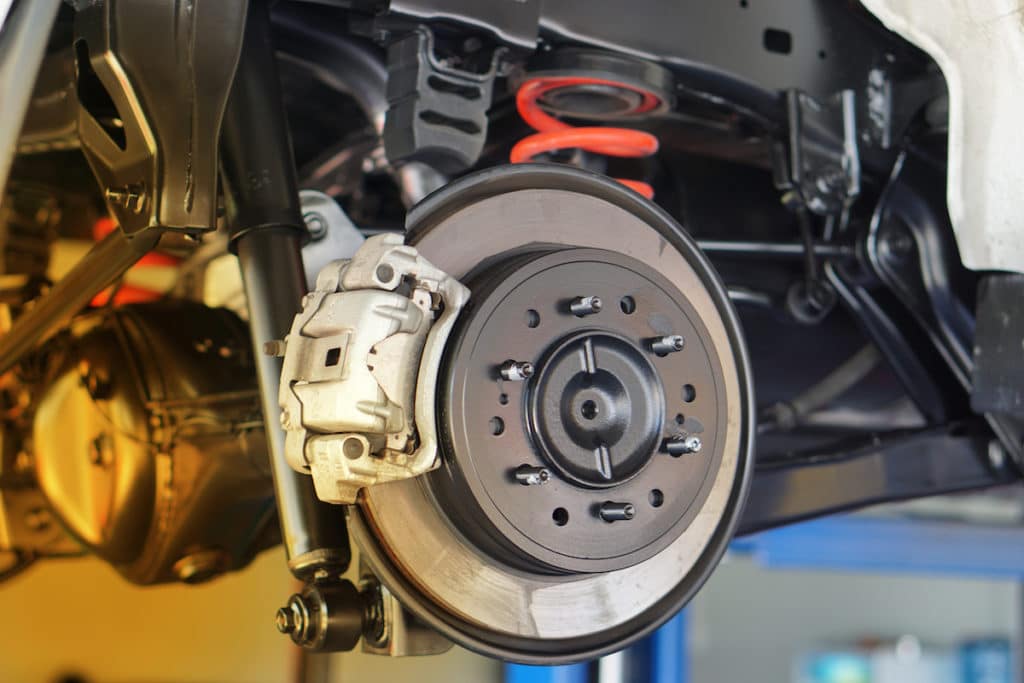
Does the thought of car care make you uncomfortable? If you don't really have a firm grasp of what goes on under the hood, we get it - it can be hard to hand over your car keys and hope for the best. However, there's a way around that uneasy feeling... learning the ins and outs of what's going on every time you start your car. Today, Toyota of Clermont is here to explain the basic types of car brakes. Brake service and repairs are critical to performance, and we want to ensure you feel confident when you schedule yours. The main types of car brakes Disc brakes: Disc brakes are the most common types of car brakes on modern vehicles. In this system, you'll find hydraulic fluid, calipers, brake pads, and rotors. When you press the brake pedal, hydraulic fluid is sent through the system to make the calipers come together; this action then pushes the brake pads against the rotors to slow your car's wheels and bring you to a stop. These brakes are more popular and more widely used because they have better performance capabilities than drum brakes. They dissipate heat better (which means they won't overheat and lose stopping power) and they also fare better in wet weather - they dry more quickly to ensure they work no matter the conditions you're driving in. Drum brakes: Drum brakes used to be the more common of the two, but they definitely have their disadvantages (even though they're cheaper to replace than disc brakes). These car brakes basically have a brake drum and inside of that drum, brake shoes. When you press the brake pedal, the shoes are pushed down against the drum to slow your car's wheels. The problem? There are actually two main ones. First, drum brakes can overheat if used too much and too often, leaving you without a way to stop. They also tend to collect water inside the drum when you drive in wet weather. This can lead to both braking issues and also corrosion and rust in the braking system. Parking brake: Your parking brake - also known as your emergency brake - is a brake that's hooked up to the main braking system via a cable (it's usually attached to the rear brakes). This brake is typically used to keep your car in place once it's parked, like if you park on a hill. However, it can also be a last resort should your main braking system give out and you need a way to stop your vehicle in an emergency situation. And while they may not be a type of car brake, per se, we can't not mention anti-lock brakes. Anti-lock brakes technically aren't a type of car brake, but they are a type of brake technology woven into the braking system. The anti-lock brakes sense the rotational speed of each individual wheel and can control it accordingly. If you have to come to a sudden stop, your wheels may lock up. This can cause you to skid (especially if you're driving in rain, snow, or ice). If your anti-lock brakes sense this scenario, they'll send pulses of braking power to the wheel that's locked up to help it slow down and regain traction with the road. Call Toyota of Clermont with all of your car brake questions Have questions? Need brake service or repairs? Toyota of Clermont is here to help. Call our Clermont auto service center at (352) 404-7001 or stop by and see us at 16851 State Road 50, just west of the Florida Turnpike.

Contact Us

Fill out this form below and we'll contact you shortly
*Required Fields