
Blog / Toyota Service

Blog

All Toyota Service Clermont Toyota Tips New Toyota Clermont Toyota News Fun Friday Used Cars Clermont Toyota Service Toyota of Clermont Service
Clermont Toyota towing tips

A Guide on Toyota Towing for Your Car

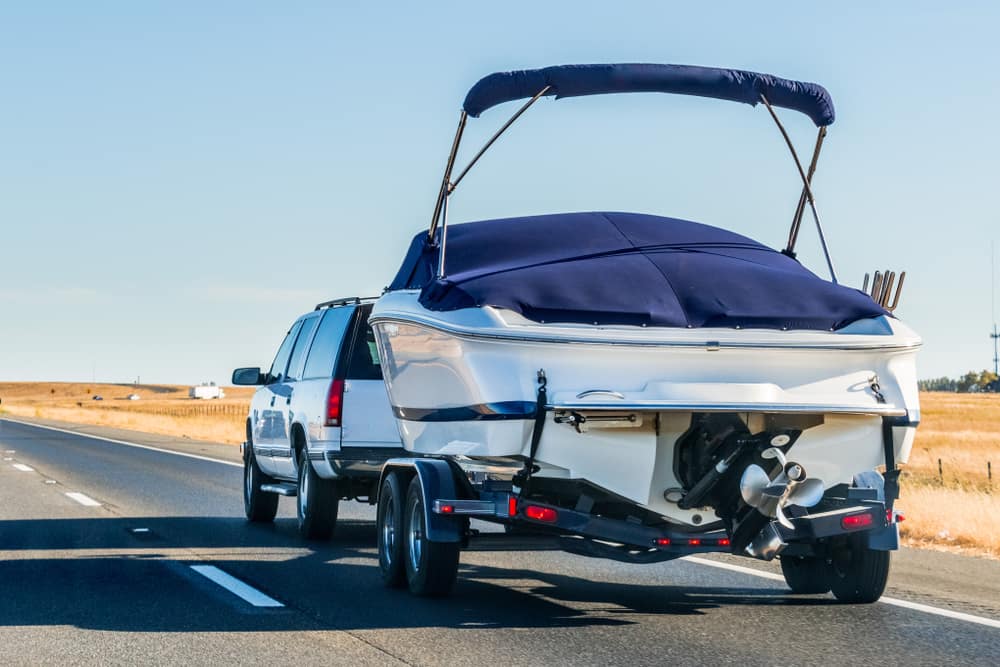
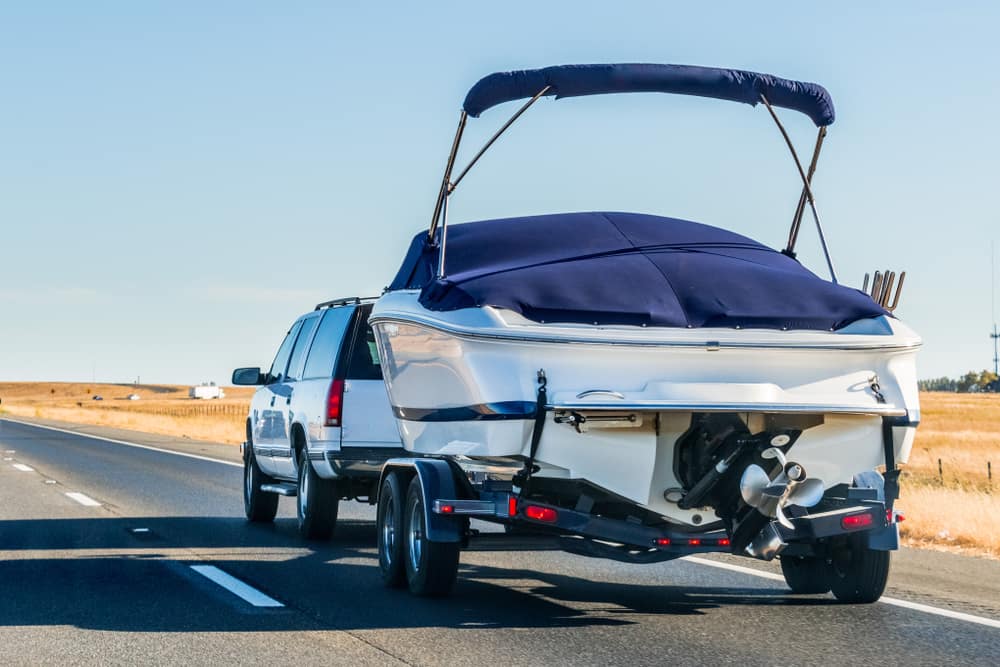
Driving is an immensely helpful task that gets us almost anywhere we want to go. Without the power of four wheels and an engine, who knows what we would do. But, what if you could move more than just yourself, passengers, and what fits in your trunk? In comes Toyota towing! Having towing accessories equipped on your vehicle opens up a world of possibility when it comes to transporting cargo and other things during your commute or lengthy road trip. As good as it sounds, there's a whole world to consider when it comes to towing and Toyota of Clermont is here to help you make sense of it all. Check it out right here! The Ins and Outs of Toyota Towing While your Clermont Toyota truck, like the Toyota Tacoma and Tundra, might be equipped with standard Toyota towing accessories, you can always outfit other vehicles with aftermarket towing equipment. Before you get started on your towing adventure, here are some tips and factors to consider: 1) Start By Knowing How Much You Can Tow Toyota towing is extremely useful, but you're limited by how much you can tow depending on the vehicle you drive. For example, a Toyota 4Runner outfitted with towing accessories will be able to two several thousand pounds while the Tundra can tow up to 10,000 pounds. Before you hitch something to your tow kit, make sure you know just how much your ride can handle. Terms like base curb weight (the weight of your Clermont Toyota vehicle), cargo weight (weight of passengers and anything in your trunk), allowable payload (maximum weight a vehicle can carry) will be important in determining how much your car can handle. 2) Mirrors, Mirrors, Mirrors Most of the time we enjoy the luxury of being able to see out the rear windshield of our Clermont Toyota car. But, with Toyota towing accessories and a trailer in tow, your visibility from behind is all but gone. Before you tow anything, make sure your ride is equipped with mirrors that can improve your visibility as much as possible. 3) Practice Braking with Toyota Towing Equipment Braking in your Clermont Toyota car is one thing. Once you start to add Toyota towing equipment braking becomes much more challenging. The weight from behind your vehicle will continue to move forward even as you apply the brakes. Before you drive anywhere, try practicing braking and synchronizing with the movement of whatever you have in tow. Give yourself more space to come to a complete stop and read traffic to anticipate sudden stops. 4) Make Sure You Have the Right Toyota Towing Hitch Whether your vehicle comes equipped with standard towing equipment or you had aftermarket equipment installed, you need to make sure your equipment is up to tow what you want it to. Toyota towing hitches can be categorized into weight carrying and weight distributing. Carrying hitches are recommended for towing weight with a combined cargo and trailer load of 3,500 pounds while weight distributing is for heavier loads. Brush up on the specs of the Clermont Toyota towing equipment you're using so as to not overexert it and damage your ride. Have more questions about Toyota towing or want to install a tow hitch on your car? Toyota of Clermont is here to help! Visit us at 16851 State Road 50 today.
Clermont Toyota towing tips

A Guide on Toyota Towing for Your Car

Driving is an immensely helpful task that gets us almost anywhere we want to go. Without the power of four wheels and an engine, who knows what we would do. But, what if you could move more than just yourself, passengers, and what fits in your trunk? In comes Toyota towing! Having towing accessories equipped on your vehicle opens up a world of possibility when it comes to transporting cargo and other things during your commute or lengthy road trip. As good as it sounds, there's a whole world to consider when it comes to towing and Toyota of Clermont is here to help you make sense of it all. Check it out right here! The Ins and Outs of Toyota Towing While your Clermont Toyota truck, like the Toyota Tacoma and Tundra, might be equipped with standard Toyota towing accessories, you can always outfit other vehicles with aftermarket towing equipment. Before you get started on your towing adventure, here are some tips and factors to consider: 1) Start By Knowing How Much You Can Tow Toyota towing is extremely useful, but you're limited by how much you can tow depending on the vehicle you drive. For example, a Toyota 4Runner outfitted with towing accessories will be able to two several thousand pounds while the Tundra can tow up to 10,000 pounds. Before you hitch something to your tow kit, make sure you know just how much your ride can handle. Terms like base curb weight (the weight of your Clermont Toyota vehicle), cargo weight (weight of passengers and anything in your trunk), allowable payload (maximum weight a vehicle can carry) will be important in determining how much your car can handle. 2) Mirrors, Mirrors, Mirrors Most of the time we enjoy the luxury of being able to see out the rear windshield of our Clermont Toyota car. But, with Toyota towing accessories and a trailer in tow, your visibility from behind is all but gone. Before you tow anything, make sure your ride is equipped with mirrors that can improve your visibility as much as possible. 3) Practice Braking with Toyota Towing Equipment Braking in your Clermont Toyota car is one thing. Once you start to add Toyota towing equipment braking becomes much more challenging. The weight from behind your vehicle will continue to move forward even as you apply the brakes. Before you drive anywhere, try practicing braking and synchronizing with the movement of whatever you have in tow. Give yourself more space to come to a complete stop and read traffic to anticipate sudden stops. 4) Make Sure You Have the Right Toyota Towing Hitch Whether your vehicle comes equipped with standard towing equipment or you had aftermarket equipment installed, you need to make sure your equipment is up to tow what you want it to. Toyota towing hitches can be categorized into weight carrying and weight distributing. Carrying hitches are recommended for towing weight with a combined cargo and trailer load of 3,500 pounds while weight distributing is for heavier loads. Brush up on the specs of the Clermont Toyota towing equipment you're using so as to not overexert it and damage your ride. Have more questions about Toyota towing or want to install a tow hitch on your car? Toyota of Clermont is here to help! Visit us at 16851 State Road 50 today.
Toyota of Clermont tips

Six signs you need to schedule alternator repairs

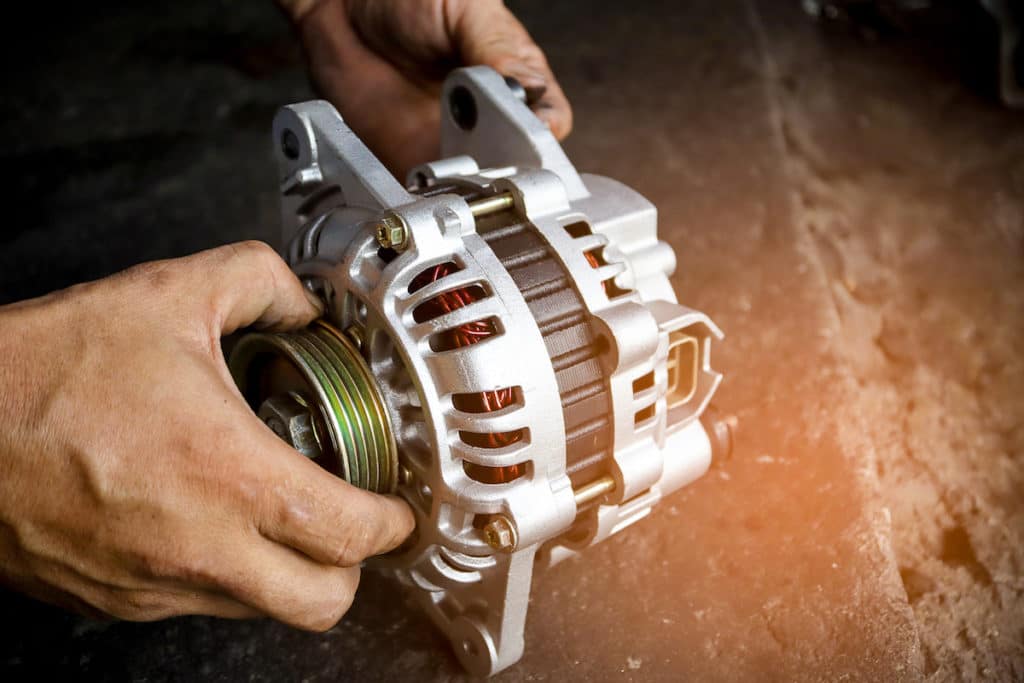
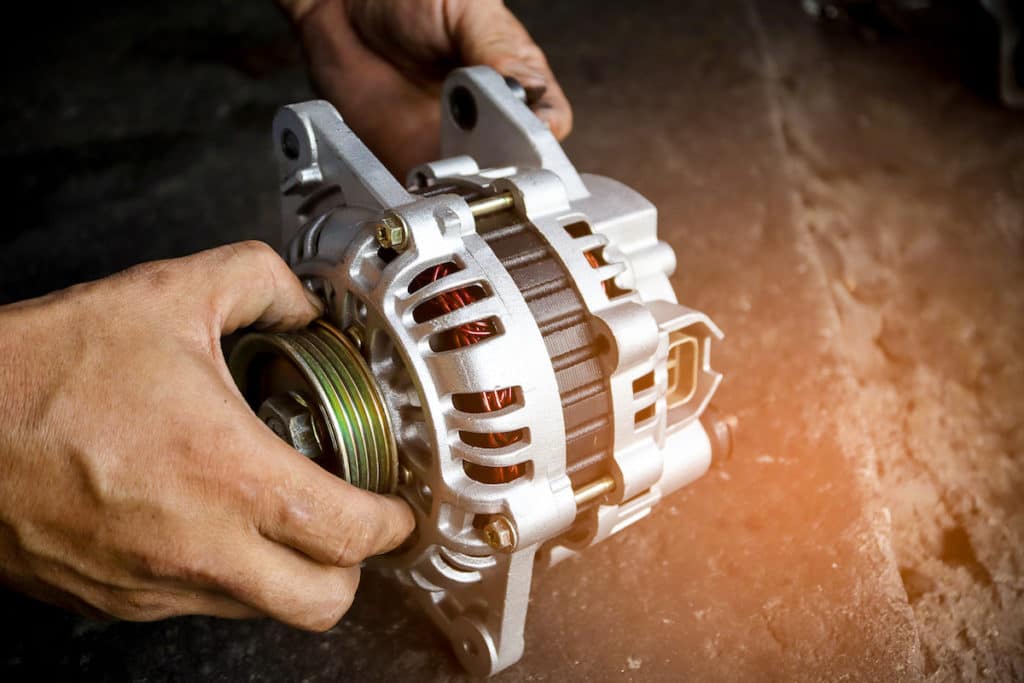
Everyone knows how important the car battery is to performance. Without it, you wouldn't be able to start your car OR keep it running. However, in order to get you where you need to go, your battery has to use a tremendous amount of power... and it can't do it alone. That's where your car alternator comes in! Your car alternator is responsible for recycling power while your car is in motion so that it can charge the battery and keep it from draining. Without a working car alternator, you'll find your battery dies pretty quickly, leaving you stranded. That's why it's essential that you're able to spot alternator problems before they become bigger issues, and Toyota of Clermont's expert service techs are here to tell you how. Use our handy checklist to figure out if it's time to schedule auto repairs. Six signs you need to visit Toyota of Clermont for repairs 1. Your car alternator light is on. There's a warning light for this essential part in some cars; it's usually shaped like a car battery and will say ALT or GEN underneath. If it illuminates, then you need to schedule Clermont auto service to get things taken care of and get you back out on the road. The car battery light is another good indicator that you're having issues with this VIP part, so don't delay diagnosing the problem! 2. You notice that your lights are dimmer than usual. Are your car's interior and exterior lights dimmer than usual? Or maybe you start your vehicle and they're nice and bright, but as you drive they start to get dimmer? Not only is this dangerous for you and other drivers, it's also a sign that your car needs alternator repairs ASAP. Remember, this part helps power the electrical system of the car so when your lights dim, that system isn't getting the juice it needs to work properly. 3. Your car won't start properly. If you're having trouble getting your car started or it's dead altogether and you KNOW you have (or at least, had) a good battery, your car alternator is likely the issue. If it's not working, it's not recharging your battery, which means that battery is going to drain fairly quickly. Let Toyota of Clermont take a peek under the hood. 4. You hear odd noises coming from the engine. If you hear weird noises like grinding or whining noises, it can be an indication of an issue with this important part. The car alternator has a lot of moving pieces and when one of them breaks, it can cause a cacophony of noise under the hood. Combine this with any of the other signs in this list, and you need auto repairs, stat. 5. You smell "electrical fire" smell. Your car alternator works in conjunction with belts to stay in motion. If the belts aren't working properly, they can create excess friction and in turn, make that "electrical fire" smell because of the heat. Call our Clermont auto service center to pinpoint the problem and fix it. 6. You can see a broken belt inside the engine bay. If you can actually see a broken belt inside of your engine bay, it's time to visit us for repairs! Without working belts, this essential auto part is going nowhere fast. Let us fix your car alternator today Need to schedule repairs? Call Toyota of Clermont today at (352) 404-7001. You can also stop by for repairs and service at 16851 State Road 50, just west of the Florida Turnpike.

Toyota of Clermont tips

Six signs you need to schedule alternator repairs

Everyone knows how important the car battery is to performance. Without it, you wouldn't be able to start your car OR keep it running. However, in order to get you where you need to go, your battery has to use a tremendous amount of power... and it can't do it alone. That's where your car alternator comes in! Your car alternator is responsible for recycling power while your car is in motion so that it can charge the battery and keep it from draining. Without a working car alternator, you'll find your battery dies pretty quickly, leaving you stranded. That's why it's essential that you're able to spot alternator problems before they become bigger issues, and Toyota of Clermont's expert service techs are here to tell you how. Use our handy checklist to figure out if it's time to schedule auto repairs. Six signs you need to visit Toyota of Clermont for repairs 1. Your car alternator light is on. There's a warning light for this essential part in some cars; it's usually shaped like a car battery and will say ALT or GEN underneath. If it illuminates, then you need to schedule Clermont auto service to get things taken care of and get you back out on the road. The car battery light is another good indicator that you're having issues with this VIP part, so don't delay diagnosing the problem! 2. You notice that your lights are dimmer than usual. Are your car's interior and exterior lights dimmer than usual? Or maybe you start your vehicle and they're nice and bright, but as you drive they start to get dimmer? Not only is this dangerous for you and other drivers, it's also a sign that your car needs alternator repairs ASAP. Remember, this part helps power the electrical system of the car so when your lights dim, that system isn't getting the juice it needs to work properly. 3. Your car won't start properly. If you're having trouble getting your car started or it's dead altogether and you KNOW you have (or at least, had) a good battery, your car alternator is likely the issue. If it's not working, it's not recharging your battery, which means that battery is going to drain fairly quickly. Let Toyota of Clermont take a peek under the hood. 4. You hear odd noises coming from the engine. If you hear weird noises like grinding or whining noises, it can be an indication of an issue with this important part. The car alternator has a lot of moving pieces and when one of them breaks, it can cause a cacophony of noise under the hood. Combine this with any of the other signs in this list, and you need auto repairs, stat. 5. You smell "electrical fire" smell. Your car alternator works in conjunction with belts to stay in motion. If the belts aren't working properly, they can create excess friction and in turn, make that "electrical fire" smell because of the heat. Call our Clermont auto service center to pinpoint the problem and fix it. 6. You can see a broken belt inside the engine bay. If you can actually see a broken belt inside of your engine bay, it's time to visit us for repairs! Without working belts, this essential auto part is going nowhere fast. Let us fix your car alternator today Need to schedule repairs? Call Toyota of Clermont today at (352) 404-7001. You can also stop by for repairs and service at 16851 State Road 50, just west of the Florida Turnpike.

Toyota of Clermont tips

5 car care tips for removing stickers from your vehicle

Do you have a stubborn sticker on your vehicle that you've been meaning to get rid of? Unfortunately, it's not as simple as just peeling it off (usually). Stickers require a little more elbow grease to remove from your car, especially if it's on the paint - you don't want to damage your vehicle's paint job and end up in the body shop. Toyota of Clermont is here with 5 quick car care tips to help you remove pesky stickers and leave your car looking like-new! Toyota of Clermont can help you remove stubborn stickers Tip #1: Try heat Did you know that using a hair dryer can actually make a sticker a lot easier to remove? Plug your hair dryer into an extension cord and bring it out to your vehicle. You'll want to hold it close to the sticker for about a minute; this will help melt the adhesive and make it softer so it's easier to peel. Pull up a corner of the sticker and from there, peel. Our Clermont car care techs recommend using a rubber spatula to help peel the entire sticker off of the paint. Tip #2: Try cold On the other hand, extreme cold can also help you get rid of stubborn sticker on your Clermont Toyota. Hold an ice cube on the sticker for a minute or two; then, choose a corner and get to work. This method may require you to use a credit card or a razor blade, so it's best reserved for stickers on glass. You never want to use a razor blade on any painted surface of your vehicle - it can do major damage to the paint. If you're using a razor blade on glass, our Clermont car care techs recommend you choose a dull one and hold it at an angle to avoid any scratches. Tip #3: Try Goo Gone The whole purpose of Goo Gone is to remove stubborn stickiness, so it's a great way to get a sticker off of your car. Pour it over the sticker and let it sit for a few minutes, then start to peel. You can use more Goo Gone to remove any residue left on your vehicle. Tip #4: Rubbing alcohol Rubbing alcohol will actually break up the adhesive on the back of the sticker and make it easier to remove (and will also get rid of any residue left on your Clermont Toyota). Soak the sticker with alcohol, let it sit, and then peel. Tip #5: White vinegar White vinegar offers similar results to rubbing alcohol but without the chemicals. If you want to go this more natural route, you should soak a sponge in white vinegar and hold it over the sticker for 60-90 seconds before starting to peel. Let our car care experts help you out! And a word to the wise - if you put more stickers on your vehicle, our car care experts recommend that you only place them on glass. It's easier to remove them from this surface, and you won't damage your car's paint. Have questions? Let our car care team help! You can reach us seven days a week at (352) 404-7001, or stop by our service center. We're conveniently located just off the Florida Turnpike at 16851 State Road 50.

Toyota of Clermont tips

5 car care tips for removing stickers from your vehicle

Do you have a stubborn sticker on your vehicle that you've been meaning to get rid of? Unfortunately, it's not as simple as just peeling it off (usually). Stickers require a little more elbow grease to remove from your car, especially if it's on the paint - you don't want to damage your vehicle's paint job and end up in the body shop. Toyota of Clermont is here with 5 quick car care tips to help you remove pesky stickers and leave your car looking like-new! Toyota of Clermont can help you remove stubborn stickers Tip #1: Try heat Did you know that using a hair dryer can actually make a sticker a lot easier to remove? Plug your hair dryer into an extension cord and bring it out to your vehicle. You'll want to hold it close to the sticker for about a minute; this will help melt the adhesive and make it softer so it's easier to peel. Pull up a corner of the sticker and from there, peel. Our Clermont car care techs recommend using a rubber spatula to help peel the entire sticker off of the paint. Tip #2: Try cold On the other hand, extreme cold can also help you get rid of stubborn sticker on your Clermont Toyota. Hold an ice cube on the sticker for a minute or two; then, choose a corner and get to work. This method may require you to use a credit card or a razor blade, so it's best reserved for stickers on glass. You never want to use a razor blade on any painted surface of your vehicle - it can do major damage to the paint. If you're using a razor blade on glass, our Clermont car care techs recommend you choose a dull one and hold it at an angle to avoid any scratches. Tip #3: Try Goo Gone The whole purpose of Goo Gone is to remove stubborn stickiness, so it's a great way to get a sticker off of your car. Pour it over the sticker and let it sit for a few minutes, then start to peel. You can use more Goo Gone to remove any residue left on your vehicle. Tip #4: Rubbing alcohol Rubbing alcohol will actually break up the adhesive on the back of the sticker and make it easier to remove (and will also get rid of any residue left on your Clermont Toyota). Soak the sticker with alcohol, let it sit, and then peel. Tip #5: White vinegar White vinegar offers similar results to rubbing alcohol but without the chemicals. If you want to go this more natural route, you should soak a sponge in white vinegar and hold it over the sticker for 60-90 seconds before starting to peel. Let our car care experts help you out! And a word to the wise - if you put more stickers on your vehicle, our car care experts recommend that you only place them on glass. It's easier to remove them from this surface, and you won't damage your car's paint. Have questions? Let our car care team help! You can reach us seven days a week at (352) 404-7001, or stop by our service center. We're conveniently located just off the Florida Turnpike at 16851 State Road 50.

check your motor oil

Use this checklist to decide if you're due for an oil change

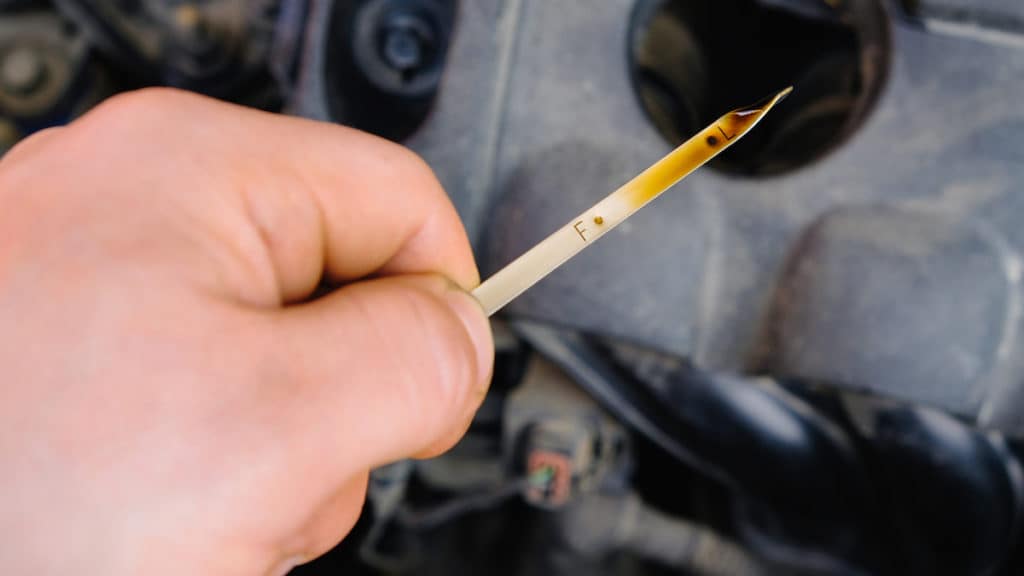
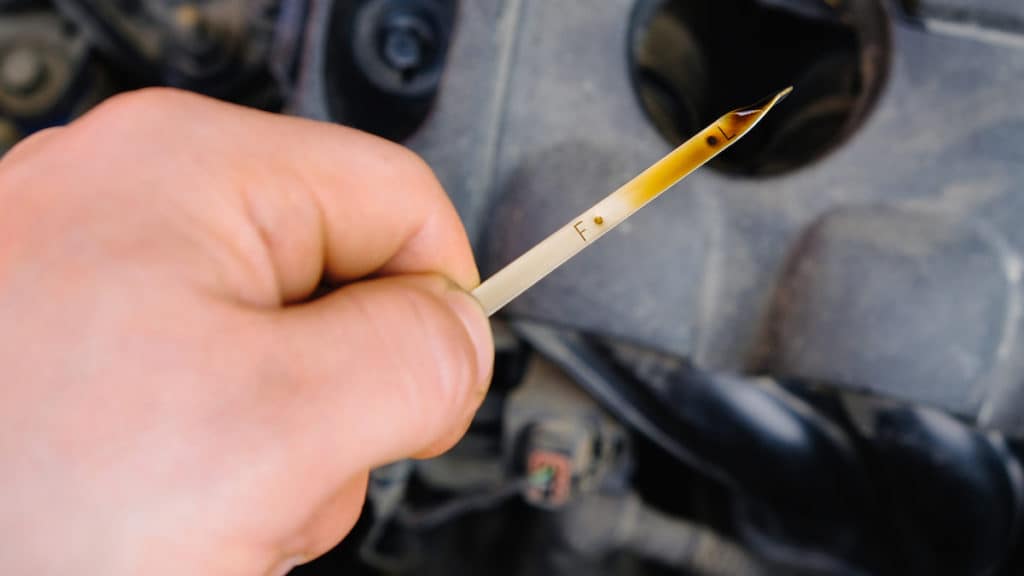
Is your car on a routine oil change schedule? It should be - your engine needs a tank full of clean oil in order to stay cool and keep things running without issue. When you don't have enough oil or the oil is too dirty to do its job, you run the risk of big problems (engine overheating, parts breaking, engine seizing up and having to be replaced... you're getting the gist, right?). That's why it's important to know when you're due for an oil change, and our Clermont Toyota service techs are here with a quick checklist for you to run through when you think it's time but you're not sure. 6 signs it's time to schedule a Clermont oil change Sign 1: The oil level isn't in between the two tic marks. When you pull the oil dipstick out of the engine, the oil level should be somewhere between the two tic marks on the stick. If it falls below the bottom tic mark, then you're running low on oil (which means your engine is at risk). If you see this, it's time to either add oil to the system or schedule an oil change at Toyota of Clermont. Sign 2: The oil is dark in color or has flecks of dirt in it. Your motor oil should be tan or caramel in color - that's the standard for clean oil. If it's darker in hue (dark brown or black) or you can see tiny flecks of dirt in it, you need to schedule an oil change. Dark and dirty oil can't properly cool and lubricate your car's engine so you're putting your engine at risk. Sign 3: You have exhaust smoke. It's find to see vapor coming out of your car's exhaust, especially when it's cold out. However, if you see actual smoke coming out of your car's exhaust, it may be because you have a problem with your car's oil. Let our auto service mechanics look under the hood to see what's going on. Sign 4: You can smell oil inside of your Clermont Toyota. Do you smell engine oil inside of your car's cabin? This can signify an oil leak, which can lead to low oil levels pretty quickly. Bring your car in for an oil change and a system inspection to pinpoint and fix the leak. Sign 5: You hear knocking or rumbling sounds inside your engine. Knocking or rumbling noises inside of your car's engine are a bad sign - typically, this means something is loose and knocking around, or metal is touching metal without lubrication (remember, the oil keeps things moving smoothly). Schedule oil change auto service immediately. Sign 6: Your oil change light comes on in your dash. Sign 6 is pretty obvious, but it's surefire indicator that you're due to visit us. If the oil light illuminates in your dash, bring your ride in for a quick car care appointment to get things back on track! Let Toyota of Clermont get your ride back on track Need to schedule a Clermont oil change? Call us at (352) 404-7001 OR stop by and see us at 16851 State Road 50, just west of the Florida Turnpike.

check your motor oil

Use this checklist to decide if you're due for an oil change

Is your car on a routine oil change schedule? It should be - your engine needs a tank full of clean oil in order to stay cool and keep things running without issue. When you don't have enough oil or the oil is too dirty to do its job, you run the risk of big problems (engine overheating, parts breaking, engine seizing up and having to be replaced... you're getting the gist, right?). That's why it's important to know when you're due for an oil change, and our Clermont Toyota service techs are here with a quick checklist for you to run through when you think it's time but you're not sure. 6 signs it's time to schedule a Clermont oil change Sign 1: The oil level isn't in between the two tic marks. When you pull the oil dipstick out of the engine, the oil level should be somewhere between the two tic marks on the stick. If it falls below the bottom tic mark, then you're running low on oil (which means your engine is at risk). If you see this, it's time to either add oil to the system or schedule an oil change at Toyota of Clermont. Sign 2: The oil is dark in color or has flecks of dirt in it. Your motor oil should be tan or caramel in color - that's the standard for clean oil. If it's darker in hue (dark brown or black) or you can see tiny flecks of dirt in it, you need to schedule an oil change. Dark and dirty oil can't properly cool and lubricate your car's engine so you're putting your engine at risk. Sign 3: You have exhaust smoke. It's find to see vapor coming out of your car's exhaust, especially when it's cold out. However, if you see actual smoke coming out of your car's exhaust, it may be because you have a problem with your car's oil. Let our auto service mechanics look under the hood to see what's going on. Sign 4: You can smell oil inside of your Clermont Toyota. Do you smell engine oil inside of your car's cabin? This can signify an oil leak, which can lead to low oil levels pretty quickly. Bring your car in for an oil change and a system inspection to pinpoint and fix the leak. Sign 5: You hear knocking or rumbling sounds inside your engine. Knocking or rumbling noises inside of your car's engine are a bad sign - typically, this means something is loose and knocking around, or metal is touching metal without lubrication (remember, the oil keeps things moving smoothly). Schedule oil change auto service immediately. Sign 6: Your oil change light comes on in your dash. Sign 6 is pretty obvious, but it's surefire indicator that you're due to visit us. If the oil light illuminates in your dash, bring your ride in for a quick car care appointment to get things back on track! Let Toyota of Clermont get your ride back on track Need to schedule a Clermont oil change? Call us at (352) 404-7001 OR stop by and see us at 16851 State Road 50, just west of the Florida Turnpike.

Why is my car overheating

Why is my car overheating? What to do

We face some pretty intense heat here in Central Florida, especially over the summer. That alone can take a toll on your vehicle, but it can have even more of an effect on your car when you combine it with highway driving, towing, or any other type of driving that puts more stress on your car. Unfortunately, if you're not up to date on your routine car care then this can lead to you asking yourself "Why is my car overheating?". Toyota of Orlando is here with tips straight from our service techs to help you deal with the stressful situation with a cool head. Why is my car overheating? The main reasons Your car overheating can happen for a multitude of reasons, but the most common occurs because things simply aren't staying cool enough under the hood. This can happen because of a lack of coolant or a leak in the cooling system, a broken water pump, problems with your radiator, or blocked hoses. When these issues arise, your engine gets too hot to function and typically will shut down. The damage can be fixable or permanent, but either way, it'll cost money to repair. Here's how you should proceed when you face your car overheating. Why is my car overheating: How to deal with this car care emergency 1) Pull over. Never try to keep driving, hoping that you'll make it home, if you see the temperature gauge rising. This can do serious and irreparable damage to your vehicle - the minute it starts to overheat, you should pull over and park in a safe space. Turn your car off, but don't open the hood until the temperature gauge has dropped back down to cool and the engine block is cooled off. You risk serious injury otherwise. 2) See what's going on under the hood. Once your vehicle has cooled off, open the hood to take a peek and see what's going on. You should check the coolant reservoir to see if there's any coolant left and if not, look for any leaks or broken/disconnected hoses that could be preventing the coolant from getting where it needs to go. You can add coolant to the radiator, but be very careful taking the radiator cap off as hot steam may escape and could burn you (our Clermont Toyota service techs recommend using a towel or rag to take the cap off). 3) Restart your car. Once you've checked things out under the hood and the temperature gauge is on cool, restart your car. If the gauge stays on cool after a few minutes of running, you can try to hit the road again (especially if you added coolant to the system) but watch the gauge carefully to ensure the temperatures don't shoot up again. You should also book an auto service appointment as soon as you can to let our Clermont Toyota service techs get to the bottom of the issue. 4) Call a tow truck. If your car immediately overheats when you turn it on or you see the temperature gauge climbing after you've restarted it and hit the road, pull over again and call a tow truck to have your vehicle brought to Toyota of Clermont's service center. Still asking yourself why your car is overheating? Let us get you back on the road in no time - call us at (352) 404-7001.

Why is my car overheating

Why is my car overheating? What to do

We face some pretty intense heat here in Central Florida, especially over the summer. That alone can take a toll on your vehicle, but it can have even more of an effect on your car when you combine it with highway driving, towing, or any other type of driving that puts more stress on your car. Unfortunately, if you're not up to date on your routine car care then this can lead to you asking yourself "Why is my car overheating?". Toyota of Orlando is here with tips straight from our service techs to help you deal with the stressful situation with a cool head. Why is my car overheating? The main reasons Your car overheating can happen for a multitude of reasons, but the most common occurs because things simply aren't staying cool enough under the hood. This can happen because of a lack of coolant or a leak in the cooling system, a broken water pump, problems with your radiator, or blocked hoses. When these issues arise, your engine gets too hot to function and typically will shut down. The damage can be fixable or permanent, but either way, it'll cost money to repair. Here's how you should proceed when you face your car overheating. Why is my car overheating: How to deal with this car care emergency 1) Pull over. Never try to keep driving, hoping that you'll make it home, if you see the temperature gauge rising. This can do serious and irreparable damage to your vehicle - the minute it starts to overheat, you should pull over and park in a safe space. Turn your car off, but don't open the hood until the temperature gauge has dropped back down to cool and the engine block is cooled off. You risk serious injury otherwise. 2) See what's going on under the hood. Once your vehicle has cooled off, open the hood to take a peek and see what's going on. You should check the coolant reservoir to see if there's any coolant left and if not, look for any leaks or broken/disconnected hoses that could be preventing the coolant from getting where it needs to go. You can add coolant to the radiator, but be very careful taking the radiator cap off as hot steam may escape and could burn you (our Clermont Toyota service techs recommend using a towel or rag to take the cap off). 3) Restart your car. Once you've checked things out under the hood and the temperature gauge is on cool, restart your car. If the gauge stays on cool after a few minutes of running, you can try to hit the road again (especially if you added coolant to the system) but watch the gauge carefully to ensure the temperatures don't shoot up again. You should also book an auto service appointment as soon as you can to let our Clermont Toyota service techs get to the bottom of the issue. 4) Call a tow truck. If your car immediately overheats when you turn it on or you see the temperature gauge climbing after you've restarted it and hit the road, pull over again and call a tow truck to have your vehicle brought to Toyota of Clermont's service center. Still asking yourself why your car is overheating? Let us get you back on the road in no time - call us at (352) 404-7001.

car tire care

Wheel balancing, wheel alignments, and tire rotations: the main differences

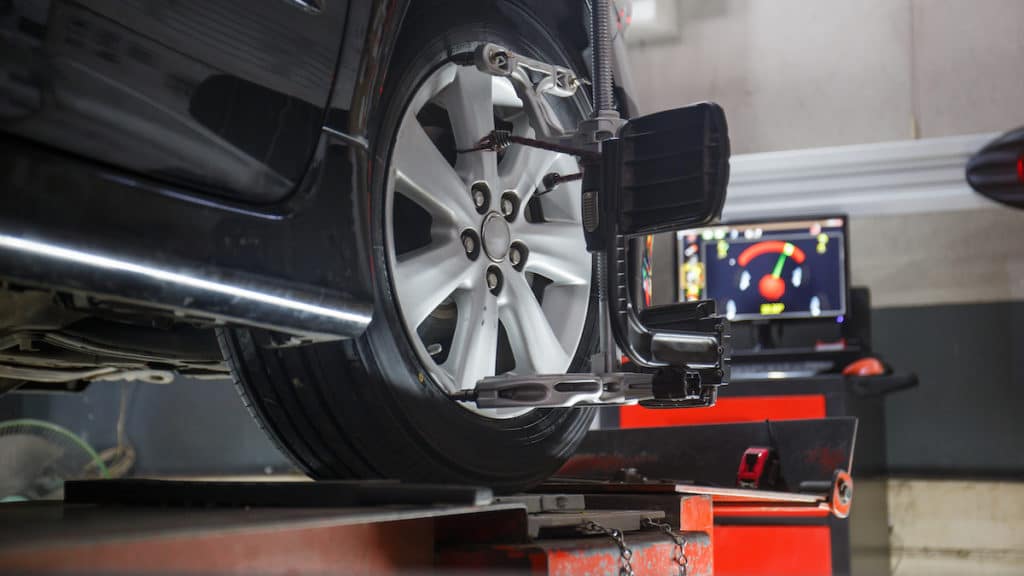
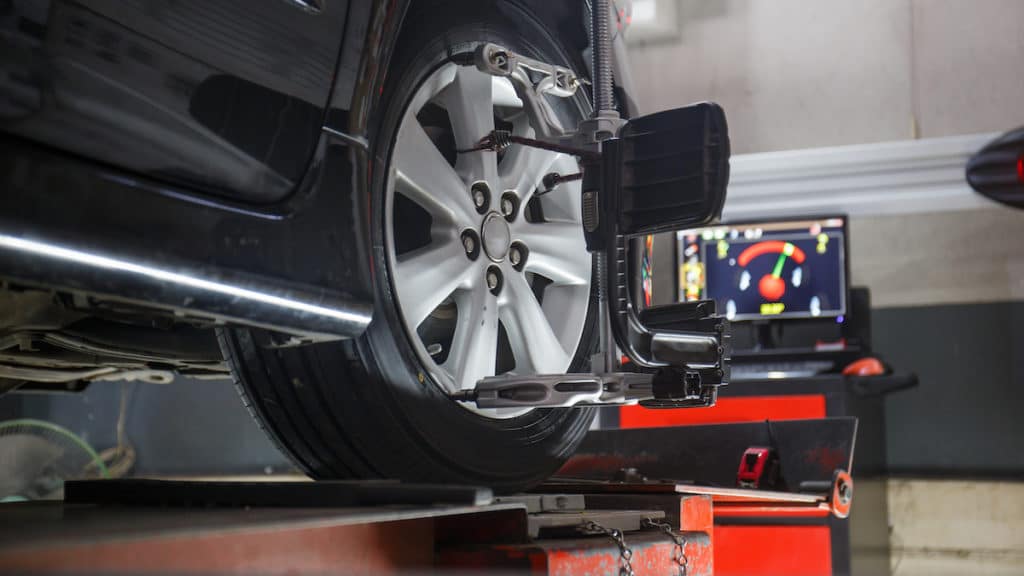
In order to get the best possible performance and the longest life out of your car tires, you need to keep them on a routine maintenance schedule that includes tire rotations, wheel balances, and wheel alignments. However, not too many people are aware of how these three services differ and why each is important for the health of your car tires. Toyota of Clermont is here with a quick guide to these three car maintenances - read on. Which of these car tire services should you be scheduling? Tire rotations Tire rotations are essential and are the most frequently performed of these three car tire services. Basically, our Clermont Toyota techs will rotate your tires from left to right AND from front to back. This ensures that all four tires are wearing evenly and will last the length of time they're supposed to. You should schedule tire rotations for your ride every six months or every 6,000 - 8,000 miles for the best results. Wheel balancing Wheel balancing also helps to ensure great performance from your car tires but the process is nothing like tire rotations. When your tires meet the road, the undergo a certain amount of wear and tear that causes blemishes and imperfections in the rubber. Additionally, accident and collisions can damage the tire and the rims. All of this leads to imbalanced weight with a tire that has "heavier" spots than others. This uneven weight distribution makes your car wobble or bounce when you hit the road, and you'll notice vibrations in your steering wheel, seat, and floor boards. You might also see scalloped or cupped marks on your tires. This leads to uneven wear, bad performance, and issues with your tires in terms of flats and blowouts. The solution? Our Clermont Toyota techs will use weight to counterbalance the "heavy" spots and even things out when the tire is in motion, giving you a smooth performance. You should schedule wheel balancing every time you get a tire rotation or tire repairs performed. Wheel alignments Unlike wheel balancing and using weights to fix an issue, wheel alignments are all about using angles. When you get your new car, the factory has aligned the wheels with certain angles to ensure that all tires are perpendicular to the road and parallel to one another. Over time, wear and tear (and accidents, collisions, and even hitting a curb) can knock your car out of alignment. During a wheel alignment our Clermont auto service techs will realign your tires to the proper angles. This ensures that they wear evenly so you don't have to replace them frequently. You should schedule a wheel alignment every two years or so, or if you get into an accident or get new tires. Schedule your car care at Toyota of Clermont Need to schedule any of these three auto services? Call us today! Our service techs are waiting to get you on the calendar at (352) 404-7001 and we're open seven days a week for your convenience. You can also stop by our dealership to chat with one of our techs at 16851 State Road 50, just off the Florida Turnpike.

car tire care

Wheel balancing, wheel alignments, and tire rotations: the main differences

In order to get the best possible performance and the longest life out of your car tires, you need to keep them on a routine maintenance schedule that includes tire rotations, wheel balances, and wheel alignments. However, not too many people are aware of how these three services differ and why each is important for the health of your car tires. Toyota of Clermont is here with a quick guide to these three car maintenances - read on. Which of these car tire services should you be scheduling? Tire rotations Tire rotations are essential and are the most frequently performed of these three car tire services. Basically, our Clermont Toyota techs will rotate your tires from left to right AND from front to back. This ensures that all four tires are wearing evenly and will last the length of time they're supposed to. You should schedule tire rotations for your ride every six months or every 6,000 - 8,000 miles for the best results. Wheel balancing Wheel balancing also helps to ensure great performance from your car tires but the process is nothing like tire rotations. When your tires meet the road, the undergo a certain amount of wear and tear that causes blemishes and imperfections in the rubber. Additionally, accident and collisions can damage the tire and the rims. All of this leads to imbalanced weight with a tire that has "heavier" spots than others. This uneven weight distribution makes your car wobble or bounce when you hit the road, and you'll notice vibrations in your steering wheel, seat, and floor boards. You might also see scalloped or cupped marks on your tires. This leads to uneven wear, bad performance, and issues with your tires in terms of flats and blowouts. The solution? Our Clermont Toyota techs will use weight to counterbalance the "heavy" spots and even things out when the tire is in motion, giving you a smooth performance. You should schedule wheel balancing every time you get a tire rotation or tire repairs performed. Wheel alignments Unlike wheel balancing and using weights to fix an issue, wheel alignments are all about using angles. When you get your new car, the factory has aligned the wheels with certain angles to ensure that all tires are perpendicular to the road and parallel to one another. Over time, wear and tear (and accidents, collisions, and even hitting a curb) can knock your car out of alignment. During a wheel alignment our Clermont auto service techs will realign your tires to the proper angles. This ensures that they wear evenly so you don't have to replace them frequently. You should schedule a wheel alignment every two years or so, or if you get into an accident or get new tires. Schedule your car care at Toyota of Clermont Need to schedule any of these three auto services? Call us today! Our service techs are waiting to get you on the calendar at (352) 404-7001 and we're open seven days a week for your convenience. You can also stop by our dealership to chat with one of our techs at 16851 State Road 50, just off the Florida Turnpike.

Contact Us

Fill out this form below and we'll contact you shortly
*Required Fields