Blog / Toyota Service

Blog

All Toyota Service Clermont Toyota Tips New Toyota Clermont Toyota News Fun Friday Used Cars Clermont Toyota Service Toyota of Clermont Service
How to Avoid Flat Tires

7 Ways to Prevent Flat Tires

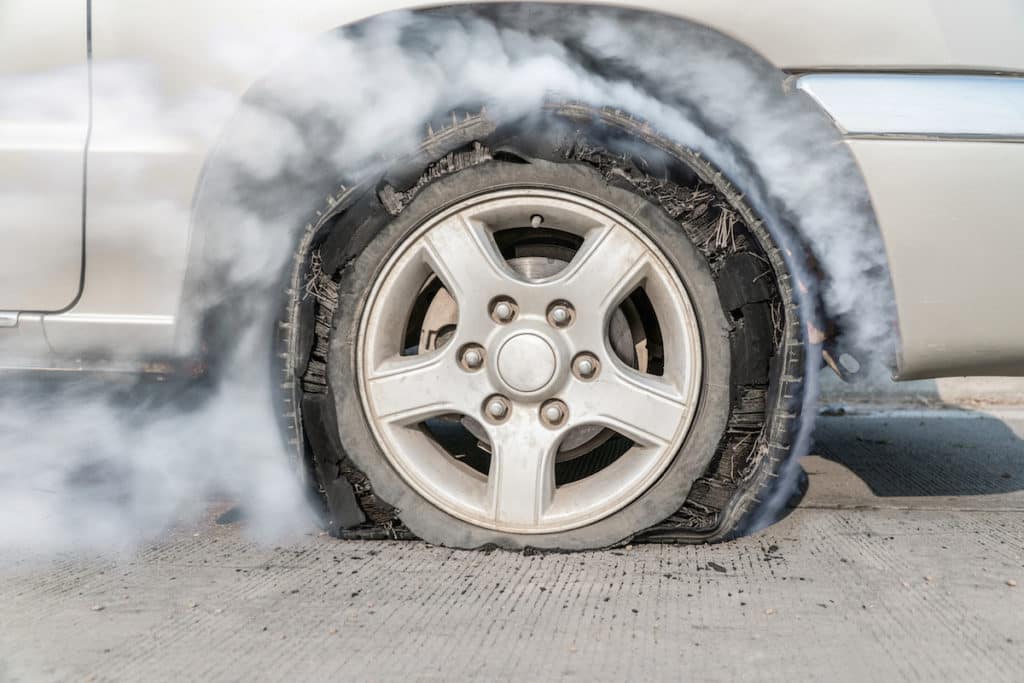
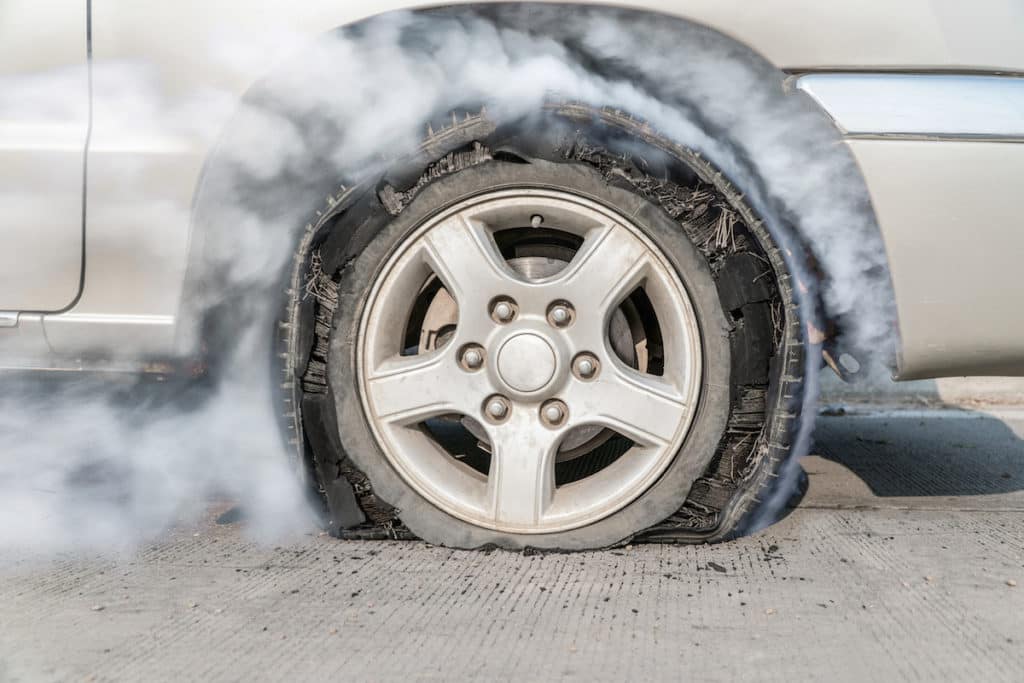
Any driver who’s experienced a flat tire can tell you it’s not a fun experience. Whether you’re running late to work or on your way to an important event, they always seem to happen at the worst possible times. The good news is there are preventative measures you can take to avoid your car tires failing and Toyota of Clermont is here to fill you in. Check out these 7 ways to avoid a flat. Expert care for your car tires It’s a no-brainer that tires are very important. After all, they’re the only part of your car in contact with the road, hence why they’re so vulnerable. Studies show flats and blowouts are a leading cause of highway traffic accidents. That being said, keeping up with your tires not only can convenience you but can also help avoid potential collisions. Check out these tips from our Clermont Toyota techs: Regularly check air pressure One of the most common causes of blowouts and flats is underinflated tires. When car tires are below their set PSI (pounds per square inch) they expand and produce more friction. That friction turns into excessive heat which usually leads to a blowout. To avoid this, check your air pressure regularly. You can easily do this at your local gas station. Watch for uneven wear Inspect your tread regularly for uneven wear. Frequent fast starts and sudden stops break down tread more quickly and cause the rubber to break down irregularly. Avoid construction sites If possible, find alternative routes to avoid active construction sites and poorly maintained roads. Nails, glass, metal, rocks, potholes, among other debris, are common in these areas and put you at risk of puncturing your car tires. Purchase high-quality tires When you’re in the market for new tires, be sure to pay attention to tread. You want to purchase tires with a thick, puncture resistant build. Our Clermont service techs recommend looking for tires with good wear warranties. Don’t overload Keep your tires’ maximum load rafting number in mind when loading up. You can find this number on the sidewall of your car tires near the center. By never exceeding this number you avoid potential tire failure from overloaded tires. Keep up with tire recalls Tire recalls are not unheard of. Faulty materials and manufacturing defects can lead to tread separation, flats, and blowouts. Sign up for the NHTSA’s Tire and Vehicle Recall Information email alerts to stay in the know about tire recalls. Take special precautions with spares If you find yourself with a flat tire and having to drive on your spare, exercise extreme caution. Spare tires are not meant for high speeds or long distances. Do not exceed 50 mph and drive straight to our Clermont dealership to get an affordable new car tire. Tire matching at Toyota of Clermont If despite all of these efforts you still manage to get a flat tire, come to Toyota of Clermont. We will match any tire price to ensure you get the best deal on the best tire for your ride. Find us at 16851 State Road 50 just off the Florida Turnpike.

Car Brakes Maintenance

How to Check Brake Pads

Your car brakes are a very important part of your vehicle that tends to get overlooked. Routinely checking on your brake pads is a sure-fire way to extend the longevity of your car’s life. Toyota of Clermont is here to expand your car maintenance knowledge by explaining when and how to check brake pads without removing the wheel to replace them. Do you and your car a favor and keep on reading! <span data-mce-type="bookmark" class="mce_SELRES_start"></span> Do you know how to check your Toyota brake pads? There’s no set timeline for when you need to replace your Toyota brake pads, it all depends on where you drive and your driving style. If you’re more of a city dweller, you’ll probably have to change your pads sooner than someone who is a backroads driver. This is due to the start and stop nature of city traffic. A good rule of thumb is to check your brake pads every time you come in for a tire rotation, about every 6 months. Be sure to check your owner’s manual as well to see if there are any specifications for your car brakes. Signs you need to check your brake pads Your Clermont Toyota’s brakes are designed to give signals to let you know when they need car maintenance. Here are the most common ones to look out for: Squeaking or whining when you brake Delayed stops More pedal movement than normal when brakes are applied Pulsing or vibrating in the brake pedal How to check your brake pads without removing the wheel If you notice any of these symptoms, take a minute and check your car brakes. Learn how to check brake pads without removing your wheel with our experts' tips. Our Clermont service techs recommend bringing your car to a professional, but you can do a quick inspection yourself by following these steps: Listen to your brakes. As mentioned above, your Toyota brake pads will make noise if they need to be replaced. Roll down your windows and test out your brakes to see if you hear any whining, squeaking, or metal scraping. Inspect the brake pad. Brake pads are visible on most vehicles. You can observe them by looking through your wheels. When looking at the pads, take note of the thickness. Your Toyota brake pads should never be less than about a quarter inch thick. Some vehicles come with a wear indicator. Typically, the indicator will appear as a slot in the center of the pad. If the slot is almost gone you’re in need of a replacement. Observe your wheels. A normal set of wheels should accumulate a good amount of brake dust. However, if your brake pads are worn there will be significantly less dust. Too clean of wheels with no brake dust usually points to worn pads. Feel the steering wheel and brake pedal. If your Toyota brake pads are worn, your pedal and steering wheel will shake when you brake. Trust Toyota of Clermont with your car brake care needs If you notice any of these symptoms or your Toyota brake pads are due for a checkup, stop by our Clermont Toyota service center. We are open seven days a week and are located at 16851 State Road 50, just off the Florida Turnpike. Call (352) 404-7001 and schedule your appointment today!

change transmission fluid

Six Signs Your Toyota Transmission Fluid is Low

Updated on March 13, 2026 Transmission fluid is essential for vehicle performance, lubricating internal parts, cooling the transmission, enabling smooth shifting, and preventing premature wear that can lead to expensive repairs. Drivers can often check transmission fluid themselves by warming the engine, parking on a level surface, locating the dipstick (if equipped), and checking the fluid’s level, color, and smell to assess its condition. Warning signs that fluid may need changing include delayed or rough shifting, slipping gears, unusual noises, a burning smell, or dashboard warning lights. Service intervals vary by transmission type, with many automatics needing changes around 60,000-100,000 miles, CVTs around 30,000–60,000 miles, and manuals typically every 30,000-60,000 miles, though the owner’s manual should always be the final guide. Professional service is often recommended, especially for sealed transmissions or contaminated fluid, since certified technicians can properly inspect, drain, refill, or flush the system using manufacturer-approved methods and genuine Toyota fluids. If you own a Toyota - whether it’s a Corolla cruising around Clermont, a Tacoma hitting the trails, or a Highlander hauling family and gear - one thing’s for sure: you want it running smoothly for years to come. A critical, but often overlooked part of that is taking care of your transmission fluid. This guide will walk you through everything you need to know about checking your transmission fluid, spotting warning signs, understanding proper intervals, and when to bring your Toyota to the pros at Toyota of Clermont. What Does Transmission Fluid Do? Your transmission fluid is one of the unsung heroes of your vehicle’s drivetrain. It: Lubricates internal parts so gears and bearings don’t grind against each other Helps cool your transmission, which can get hot under stress Supports hydraulic function for smooth shifting and power delivery Prevents premature wear of transmission components Without healthy fluid, shifting can grow rough, gears may hesitate, and in the worst cases, your transmission could suffer costly damage. Step-by-Step: How to Check Your Transmission Fluid Knowing how to check your fluid level and quality is one of the easiest ways to stay on top of transmission health. Here’s more good news - it’s something you can often do yourself on a regular basis. 1. Warm Up the Engine Start by warming up your Clermont Toyota. Transmission fluid expands and flows better at normal operating temperature, and this makes your reading more accurate. 2. Park on a Level Surface Make sure the car is on a flat, level surface. For automatic transmissions, set the parking brake and leave the car running in “Park” (or idle in Neutral on some models). 3. Locate the Transmission Dipstick (If Your Toyota Has One) Some older and many traditional automatics have a dipstick near the back of the engine bay labeled for transmission fluid. However, many newer Toyotas, especially those with sealed transmissions, do not have a dipstick. In these cases, checking fluid levels requires a technician’s tools and we’ve got your back at Toyota of Clermont. 4. Pull the Dipstick and Check Level If your Toyota has a dipstick: Pull it out and wipe it clean Reinsert it fully, then remove and check The fluid should sit between the “Low” and “Full” marks If it’s low, you may need to add Toyota-approved fluid 5. Check the Color and Smell Transmission fluid’s appearance tells you a lot: Healthy fluid: usually bright red or pink Old or dirty fluid: dark brown/black Burnt smell: indicates overheating or breakdown If you see dark fluid or smell burning, it’s time for a professional inspection and perhaps a transmission fluid service at Toyota of Clermont. Important: If your Toyota doesn’t have a dipstick, don’t try to DIY. A sealed system requires special tools and know-how, and guessing at fluid levels can do more harm than good. Signs It’s Time for a Transmission Fluid Change Even if levels look OK, your Toyota could still be telling you something. Here are common symptoms that transmission fluid might need attention and a service appointment at Toyota of Clermont. Delayed or Rough Shifts If your Toyota hesitates going into gear or you feel jolts when changing gears, old or degraded fluid could be the culprit. Transmission Slipping Your vehicle slipping out of gear or struggling to stay in gear at speed often signals worn or contaminated fluid. Unusual Noises If gear changes come with whining or grinding sounds, transmission fluid may no longer be providing proper lubrication. Burning Smell A burnt scent represents fluid overheating, and that’s your cue to have it checked right away. Dashboard Warnings Many newer Toyotas will alert you with a transmission-related warning light before major issues arise. Always pay attention to dashboard alerts and bring your ride to our Clermont auto service center. How Often Should You Change Your Transmission Fluid? Unlike engine oil, which usually changes every 5,000–10,000 miles, transmission fluid intervals can vary widely based on your Toyota model and how you drive. Here’s what our Clermont Toyota automotive experts and Toyota guidance generally recommend: Automatic Transmissions Every 60,000-100,000 miles is a common interval for many automatic Toyota models, especially newer ones with “lifetime” fluids. Continuously Variable Transmissions (CVT) CVTs often require fluid changes around 30,000-60,000 miles, depending on usage and driving conditions. Manual Transmissions Manual fluid or gear oil generally lasts longer, but changes every 30,000-60,000 miles are still recommended for smooth shifting under load. Always Refer to Your Owner’s Manual Toyota’s Maintenance Guide has exact intervals for your specific vehicle, and that’s always the best source of truth. Professional Service vs. DIY DIY Transmission Check This is great for quick inspections like checking dipstick level, color, and smell. But… Professional Fluid Service This is your best choice if: Your Toyota has a sealed transmission The fluid is dark or contaminated You’re nearing your service interval You want peace of mind Certified technicians can accurately measure, drain, fill, and perform a transmission flush or fluid change that removes more old fluid than DIY methods. Transmission Fluid Change vs. Transmission Flush Fluid Change: Removes most old fluid, replaces with fresh fluid Flush: Uses specialized equipment to remove all the old fluid from the system A flush can be helpful for very dirty fluid, but in some situations (especially older transmissions), it may dislodge debris and cause problems. A trained service advisor at Toyota of Clermont can recommend the best choice for your car. Why This Maintenance Matters Ignoring transmission fluid maintenance can: Increase your car’s wear and tear Reduce your fuel efficiency Cause rough or delayed shifting Lead to major, expensive transmission problems Routine checks and timely changes help your Toyota shift smoother, run longer, and save you money in the long run. Visit Toyota of Clermont for Expert Service If you’re near Clermont, FL and think your Toyota might need a transmission fluid inspection or service, our trained technicians are ready to help. We’ll: Check your car’s fluid level and condition Use Genuine Toyota Fluids Follow manufacturer-approved procedures Provide honest recommendations Stop by 16851 State Road 50, Clermont, FL 34711, call us at (352) 404-7001, or schedule online today! FAQs 1. What are the most common car transmission problems? The most common car transmission problems include slipping gears, delayed or rough shifting, transmission fluid leaks, and unusual noises like grinding or whining. These issues often occur due to low or dirty transmission fluid, worn internal components, overheating, or faulty sensors in modern vehicles. If ignored, transmission problems can lead to more serious damage and costly repairs, so early inspection and maintenance are important. 2. How do you know if you need a transmission fluid change? Signs you may need a transmission fluid change include rough or delayed shifting, slipping gears, grinding noises, or a burning smell while driving. You may also notice dark, dirty transmission fluid or low fluid levels when checked. Regular fluid changes help keep the transmission lubricated and prevent costly damage. 3. What is a car transmission, and what does it do? A car transmission is a system that transfers power from the engine to the wheels, allowing the vehicle to move at different speeds. It works by shifting gears to control torque and speed, helping the engine operate efficiently whether you’re accelerating, cruising, or climbing hills. Without a transmission, the engine’s power wouldn’t be usable for driving.

Better fuel efficiency

8 tips to improve fuel efficiency

Toyota of Clermont wants to help you put some extra time between your gas stations visits with our eight most effective fuel efficiency tips. These are easy-to-follow tricks you can start today. Keep reading to start saving! Steps towards better fuel efficiency When gas prices are skyrocketing and it seems as if your car is running out of gas far too quickly these are the steps our Clermont service center recommends taking. Following these fuel efficiency tips guarantees better gas mileage and big-time savings. Tip 1: Obey the speed limit. Fast and furious is not the way to go when trying to conserve gas. When you push the RPM’s to the max and consistently drive above the speed limit, you dramatically decrease the fuel economy of your vehicle. Tip 2: Take advantage of cruise control. Use Cruise control to avoid speed fluctuation. Jumping from high to low speeds is proven to wreak havoc on your fuel utilization. Tip 3: Avoid aggressive driving If your driving is characterized by constant accelerations, decelerations, and lane weaving, you’re probably to blame for your frequent trips to the pump.  As mentioned before, spiking RPM’s are detrimental to your fuel economy. <span data-mce-type="bookmark" class="mce_SELRES_start"></span><span data-mce-type="bookmark" class="mce_SELRES_start"></span> Tip 4: Keep heavy cargo at a minimum Hauling heavy cargo around, especially on the roof, makes it harder for your Clermont Toyota to move forward. When it’s more difficult for your car to move, it has to use more gasoline to drive properly. Therefore, avoid driving with heavy cargo whenever possible. Tip 5: Keep up with engine maintenance Ignored engine problems are a sure-fire way to lower your vehicle’s fuel efficiency. If you ever experience symptoms such as a loss of power, engine stalling, strange odors, choppy startups, or your check engine light is illuminated, don’t sweep it under the rug. Tip 6: Declutter your vehicle As discussed earlier, heavier loads automatically make your car use up more gas. However, you may not realize that all of the small items in your truck can have the same effect as heavy cargo. Make it a point to remove unnecessary items and watch your gas mileage improve. Tip 7: Plan your drives ahead of time When you have a full day of driving ahead of you, our Clermont techs advise taking five minutes to map out your routes. You will avoid driving back and forth and heavy traffic if you plan ahead. Plus, you could significantly cut your drive time. Tip 8: Start a carpool If you’re close with a neighbor or live near a coworker suggest starting a carpool. Carpools are a great way to save extra miles and a long commute is always better with good conversation.  Plus, this will help you make the streets a little greener. Toyota of Clermont can help you save Follow these eight easy steps and watch your fuel efficiency climb and your wallet grow. When you stay consistent you’ll see how small changes lead to big improvements. However, if you take this advice and still find your gas station visits come around too quickly, stop by Toyota of Clermont. We’ll take a look at your ride and diagnose the problem. We’re open seven days a week for your convenience and are just a quick stop off the Florida Turnpike at 16851 State Road 50.

Prepare your car for the holidays

Prepare Your Car for the Holidays With Auto Service

The holidays are here! Hanukkah officially starts the December holiday season next week. With other celebrations like Christmas and Kwanzaa, you’re more than likely pretty busy. With everything from getting dinner plans ready to get your house decorated, there may be a couple of things you’ll forget. Something to make sure you DON’T forget is getting needed winter auto service for your Clermont Toyota. Our team has put together a list of things you should make sure you get checked out before the holidays hit. How to prep for the holidays with auto service Get an oil change We know we say it a lot, but getting an oil change is one of the most important auto service tasks out there! It keeps your engine well lubricated, which means your car will run at optimal functionality. If you plan on driving a lot this holiday season, make sure you aren’t due for an oil change. Check your wipers and headlights It’s important to have maximum visibility while you’re on the road. This is especially important when you’re driving this month! There may be a lot of people out of town, and even the risk of people driving while under the influence this season. That’s why you’ll want your wipers to be able to push away any rain, and your headlights to be bright enough to see in even the darkest of nights. Take a look at your auto fluids When getting auto service in Clermont to prepare for a holiday trip, you won’t want to forget about getting your auto fluids checked. This is especially true for winter! That’s because auto fluids tend to thicken in colder climates. This thickening can cause performance issues for your car, which could put a real damper on your holiday travels. So be sure to get things like your antifreeze, power steering, brake, and transmission fluids checked out. Keep track of your tires Before the temperature starts dropping too low in Clermont, we suggest making sure your car tires are in good condition. Not only will you want to make sure they’re properly inflated, you’ll also want to make sure their tread is in good shape. If you head up to areas where roads are slick with ice or water, a bare tread could spell disaster for your holiday trip. Get ready for winter with help from Toyota of Clermont! When preparing for this season, you’ll want to make sure your car can reliably take you where you need to go. That’s why you should bring your car to our Toyota service center in Clermont to make sure you’re car is ready for the holiday season! You can schedule an appointment with our auto service team by calling us (866) 454-1614. We’re located at 16851 State Road 50 in between the Florida Turnpike and Highway 27.

Contact Us

Fill out this form below and we'll contact you shortly
*Required Fields