Blog / Toyota Service

Blog

All Toyota Service Clermont Toyota Tips New Toyota Clermont Toyota News Fun Friday Used Cars Clermont Toyota Service Toyota of Clermont Service
Tips to warm up your car from Toyota of Clermont

How to warm up your Clermont Toyota

It’s been a little over a month into the fall already and we’ve gone over a plethora of topics that are a must for this season! Clermont has been feeling the cool morning breeze lately, do you know what that means? It means it’s getting close to the winter—the most wonderful time of year—no offense if you’re a PSL lover. When driving your ClermontToyota in the cool air gives a magical feeling, but when the temperature continues to go down you’ll want to start warming up your car. One of the best ways to beat the cold is to start warming up your car before you leave the house. Toyota of Clermont has a guide with tips on the best practice for warming up your car, take a look! Warming Up Your Car 101 The topic of warming up your car has been a strange debate for a while. There’s been contention in the automotive industry as to whether its necessary or not to turn on your Clermont Toyota beforehand. Some drivers consider warming up your car essential to help the fluids and fuel stay warm and not freeze when the temperatures drop. Modern cars however can skip this step because engines and fluids are designed to be resistant to low temperatures. In addition, the interior of your Clermont Toyota can heat up pretty quickly once you start driving. Nevertheless if you’re driving an older vehicle then the step will be necessary. Older engines and engineering are prone to slushing and freezing, thus starting the engines prior to leaving the driveway is necessary. If you drive an older Clermont Toyota model or you want warm eats before you head out on the road, check out these three tips that’ll help make this process as easy as possible. Run your ride for a couple of minutes: Again, modern Clermont Toyotas are resistant to cold temperatures so warming up your car is made significantly easier. Not too much time is required in the cabin to get the ideal temperature. To stay warm, our auto service experts recommend running the engine a couple of minutes before leaving home. This will also keep your car from wasting gas. 2. DON’T warm up your car in the garage: Hopefully you already know the reason behind this. The idea of starting up your car from the comfort of your garage sounds appealing, but it’s highly dangerous. It can create carbon monoxide which can accumulate in your home and cause fatalities. It’s tasteless and odorless which is what makes it even worse. Avoid this by opening your garage door or star warming up your car outside. 3. Have a way to get back into your ride Many modern cars have anti-theft devices like auto-locking. This means your doors lock after a certain amount of time has passed. So when you’re getting your car to warm up, make sure you don’t stay locked out outside. Avoid this by having a spare key or just heating your car up for a couple of minutes. Looking for the perfect car for the fall and winter road trips? Stop by Toyota of Clermont today! We’re located at 16851 State Rd 50 just off the Florida Turnpike.

Tips to warm up your car from Toyota of Clermont

How to warm up your Clermont Toyota

It’s been a little over a month into the fall already and we’ve gone over a plethora of topics that are a must for this season! Clermont has been feeling the cool morning breeze lately, do you know what that means? It means it’s getting close to the winter—the most wonderful time of year—no offense if you’re a PSL lover. When driving your ClermontToyota in the cool air gives a magical feeling, but when the temperature continues to go down you’ll want to start warming up your car. One of the best ways to beat the cold is to start warming up your car before you leave the house. Toyota of Clermont has a guide with tips on the best practice for warming up your car, take a look! Warming Up Your Car 101 The topic of warming up your car has been a strange debate for a while. There’s been contention in the automotive industry as to whether its necessary or not to turn on your Clermont Toyota beforehand. Some drivers consider warming up your car essential to help the fluids and fuel stay warm and not freeze when the temperatures drop. Modern cars however can skip this step because engines and fluids are designed to be resistant to low temperatures. In addition, the interior of your Clermont Toyota can heat up pretty quickly once you start driving. Nevertheless if you’re driving an older vehicle then the step will be necessary. Older engines and engineering are prone to slushing and freezing, thus starting the engines prior to leaving the driveway is necessary. If you drive an older Clermont Toyota model or you want warm eats before you head out on the road, check out these three tips that’ll help make this process as easy as possible. Run your ride for a couple of minutes: Again, modern Clermont Toyotas are resistant to cold temperatures so warming up your car is made significantly easier. Not too much time is required in the cabin to get the ideal temperature. To stay warm, our auto service experts recommend running the engine a couple of minutes before leaving home. This will also keep your car from wasting gas. 2. DON’T warm up your car in the garage: Hopefully you already know the reason behind this. The idea of starting up your car from the comfort of your garage sounds appealing, but it’s highly dangerous. It can create carbon monoxide which can accumulate in your home and cause fatalities. It’s tasteless and odorless which is what makes it even worse. Avoid this by opening your garage door or star warming up your car outside. 3. Have a way to get back into your ride Many modern cars have anti-theft devices like auto-locking. This means your doors lock after a certain amount of time has passed. So when you’re getting your car to warm up, make sure you don’t stay locked out outside. Avoid this by having a spare key or just heating your car up for a couple of minutes. Looking for the perfect car for the fall and winter road trips? Stop by Toyota of Clermont today! We’re located at 16851 State Rd 50 just off the Florida Turnpike.

Information on car brakes from Toyota of Clermont

Parts of your Car Brake

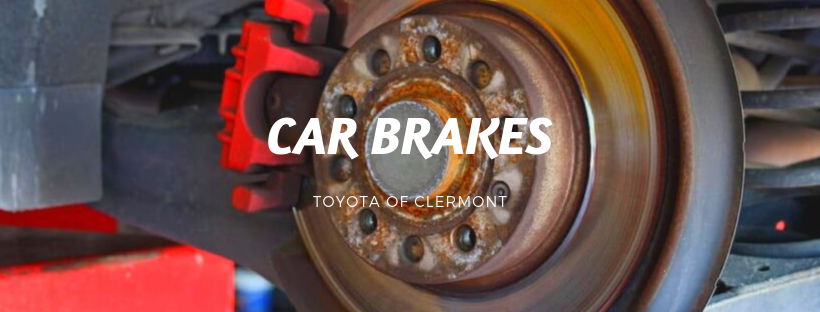
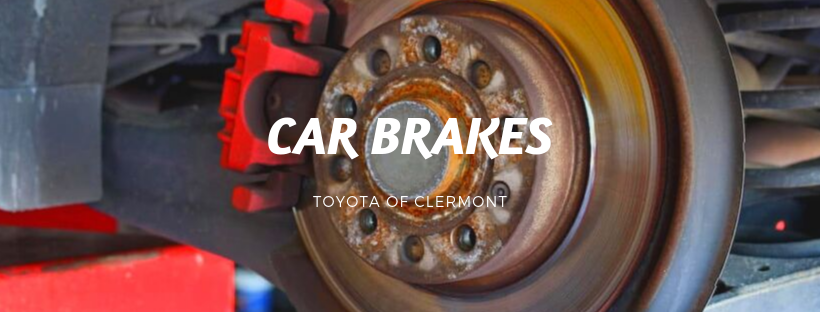
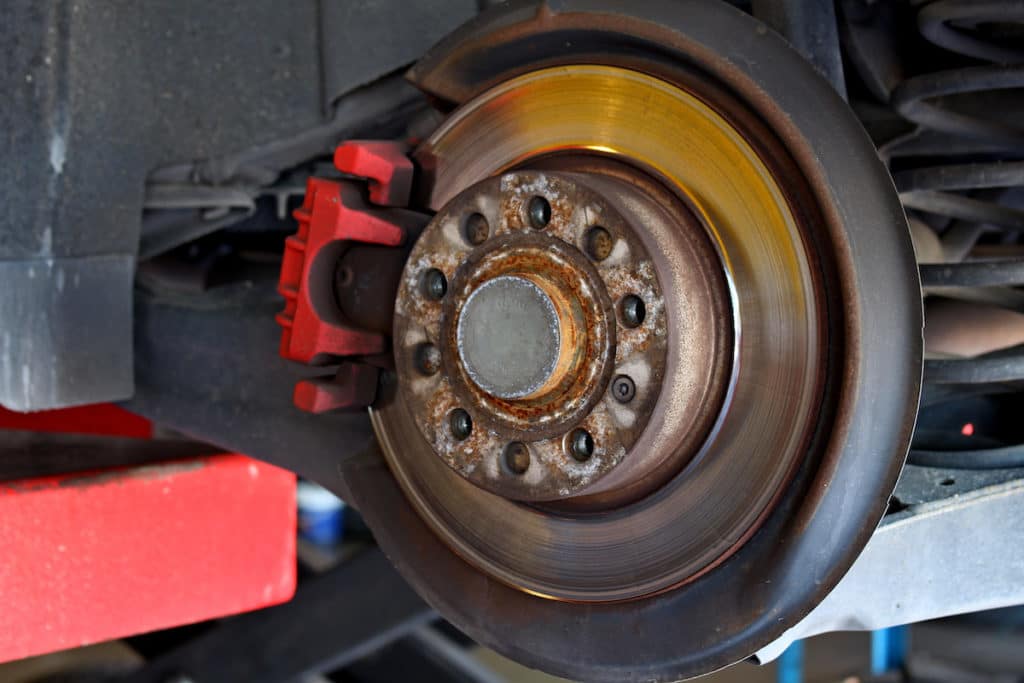
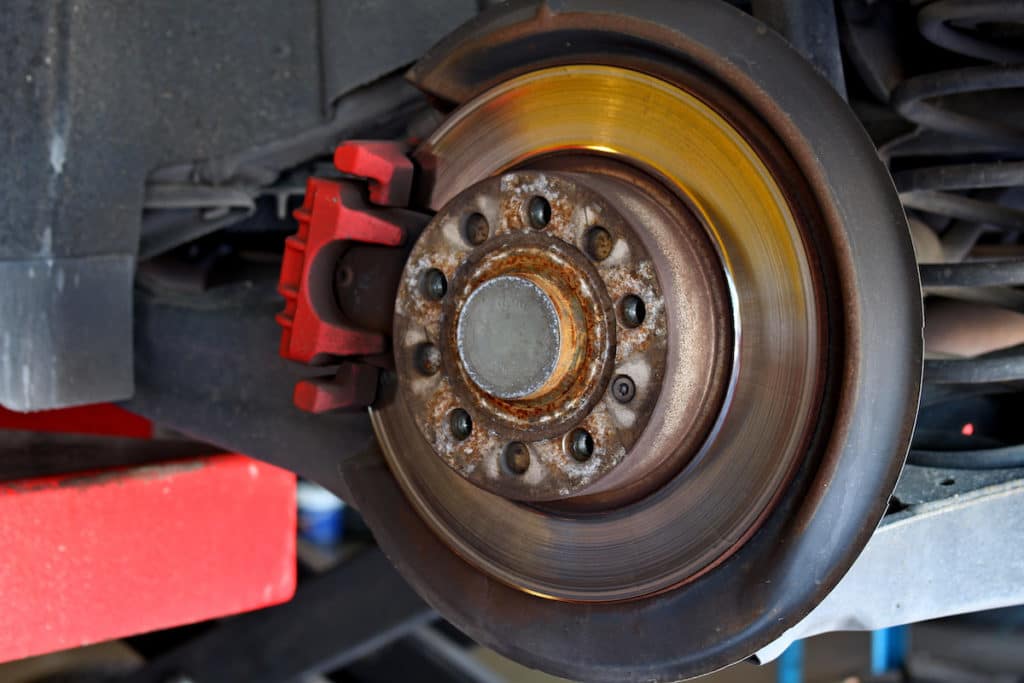
Stepping on the gas pedal of your Clermont Toyota is arguably the most fun and necessary part of the driving experience. As for the other half of the experience many people forget about—stopping, also plays a vital role in the act of driving. Take a moment to think about what would happen if your Clermont Toyota couldn’t stop. It’d be a disaster. Car breaks are one of the most important parts of your car that help it bring it to a stop when needed. If you’re not too familiar with this feature, no need to worry! Toyota of Clermont is here for you with a simplified guide on the parts of the car brakes, as well as how they work and keep you safe. Parts of Your Clermont Toyota Car Brakes Master Cylinder This part of your car brake is essentially what delegates how much power is routed to which brakes. It begins from the moment you step on the pedal. The master cylinder is located right under the pedal and it will apply the appropriate amount of pressure based on how hard you push the pedal to bring your Toyota to a stop. There’s typically two master cylinders in a housing in the event that one fails. Car Brake Fluid This is the source of pressure the master cylinder and car brakes use to bring your car to a complete stop.The fluid travels back and forth through the brake lines and pretty much used by your car like motor oil. The place where this fluid is usually visible in your car’s engine compartment. This is so that you can keep track of its level. If you do notice a significant drop in fluid, then bring in your car for service at Toyota of Clermont and have it inspected by one of our auto service techs. Brake Line The master cylinder applies pressure to the car brake assembly by sending brake fluid through the brake line. What makes up the brake line are hoses and tubes that move fluid from the master cylinder to the brakes to make your vehicle come to a stop. Based on the wheels your vehicle users for driving and steering, those wheels are what usually have rubber tubing while the others use steel. Rotors and Pads Another important part to your car brakes is the caliper. This is the home of other parts like the piston and pads that wrap around the rotor (the large disk behind your wheel). Rotors are there for the brake pads to rub against that’ll create friction to help in stopping your vehicle. Friction is created by the car brake pads by gripping and rubbing against the rotor when the caliper is active when braking. Pads needs to be replaced every once in a while, while rotors can be resurfaced to ensure a smooth surface for pad contact. They do need to be replaced once it has a significant amount of wear and tear. Your brakes work hard to make sure your Clermont Toyota comes to a complete stop when commanded. If you need them serviced, visit Toyota of Clermont today at 16851 State Rd 50 just off the Florida Turnpike.

Information on car brakes from Toyota of Clermont

Parts of your Car Brake

Stepping on the gas pedal of your Clermont Toyota is arguably the most fun and necessary part of the driving experience. As for the other half of the experience many people forget about—stopping, also plays a vital role in the act of driving. Take a moment to think about what would happen if your Clermont Toyota couldn’t stop. It’d be a disaster. Car breaks are one of the most important parts of your car that help it bring it to a stop when needed. If you’re not too familiar with this feature, no need to worry! Toyota of Clermont is here for you with a simplified guide on the parts of the car brakes, as well as how they work and keep you safe. Parts of Your Clermont Toyota Car Brakes Master Cylinder This part of your car brake is essentially what delegates how much power is routed to which brakes. It begins from the moment you step on the pedal. The master cylinder is located right under the pedal and it will apply the appropriate amount of pressure based on how hard you push the pedal to bring your Toyota to a stop. There’s typically two master cylinders in a housing in the event that one fails. Car Brake Fluid This is the source of pressure the master cylinder and car brakes use to bring your car to a complete stop.The fluid travels back and forth through the brake lines and pretty much used by your car like motor oil. The place where this fluid is usually visible in your car’s engine compartment. This is so that you can keep track of its level. If you do notice a significant drop in fluid, then bring in your car for service at Toyota of Clermont and have it inspected by one of our auto service techs. Brake Line The master cylinder applies pressure to the car brake assembly by sending brake fluid through the brake line. What makes up the brake line are hoses and tubes that move fluid from the master cylinder to the brakes to make your vehicle come to a stop. Based on the wheels your vehicle users for driving and steering, those wheels are what usually have rubber tubing while the others use steel. Rotors and Pads Another important part to your car brakes is the caliper. This is the home of other parts like the piston and pads that wrap around the rotor (the large disk behind your wheel). Rotors are there for the brake pads to rub against that’ll create friction to help in stopping your vehicle. Friction is created by the car brake pads by gripping and rubbing against the rotor when the caliper is active when braking. Pads needs to be replaced every once in a while, while rotors can be resurfaced to ensure a smooth surface for pad contact. They do need to be replaced once it has a significant amount of wear and tear. Your brakes work hard to make sure your Clermont Toyota comes to a complete stop when commanded. If you need them serviced, visit Toyota of Clermont today at 16851 State Rd 50 just off the Florida Turnpike.

Check out the function behind car brakes

The Physics of Car Brakes

You drive your Clermont Toyota everyday, make sure it always has gas, detail it every once in a while, and even get oil changes and tire rotations. Something many Clermont Toyota customers fail to remember is the fact when it comes to driving, half of it is focused on the accelerator, but the other half is focused on the brake. Without stopping, you’ll get into car accidents and collisions. Think of your life without car brakes! It’d be a disaster. No matter how durable car brakes are, they still need to be replaced just like any other part of the vehicle. The unique things about them is that they could be replaced in pairs as opposed to having to replace all of them at once. If you’ve paid a visit to our expert auto service department for a brake replacement, you may have been wondering exactly why your car brakes need only be replaced in pairs rather than all at once. If this conundrum applies to you, don’t worry! Toyota of Clermont is here to help explain car brake replacements. Why Car Brakes are Replaced in Pairs Have you ever noticed that when you bring in your Clermont Toyota to our auto service techs, they usually recommend just replacing the front or rear car brakes? The reason behind this is because the front car brakes do the majority of the work when you stop the vehicle. So what do the rear brakes do? Check out this explanation behind the physics of Clermont Toyota brakes. If you’ve ever felt you’re moving forward when applying the car brakes, this means you felt the weight distribution. Voila, you learned something new in physics! Now back to the lesson, the brake system in your Clermont Toyota is designed this way to increase friction in the front wheel by applying additional weight and force. This creates a more efficient stop. The majority of Clermont Toyotas today had their engines in the front of the vehicle. Therefore the weight of the vehicle is in the front so your front brakes need to create more friction to bear the weight and bring the vehicle to a complete stop. When you press the car brake pedal, they receive the corresponding fluid from the master brake cylinder. Most of the fluid is diverted to the front brakes because if the fluid were to be routed to the rear brakes, the brakes would lock before the front brakes. This would result in very erratic movement from your vehicle. Evidently your Clermont Toyota car brakes work extra hard to make sure your car comes to a complete stop. Nevertheless, the front brakes put in more work than the others and if it weren’t for it, there’d be a lot more car accidents happening out in the streets. If you have any further questions as to how your car brakes work or want to bring your car in for service, call (352)404-7001. We’re located at 16851 State Rd 50 just off the Florida Turnpike.

Check out the function behind car brakes

The Physics of Car Brakes

You drive your Clermont Toyota everyday, make sure it always has gas, detail it every once in a while, and even get oil changes and tire rotations. Something many Clermont Toyota customers fail to remember is the fact when it comes to driving, half of it is focused on the accelerator, but the other half is focused on the brake. Without stopping, you’ll get into car accidents and collisions. Think of your life without car brakes! It’d be a disaster. No matter how durable car brakes are, they still need to be replaced just like any other part of the vehicle. The unique things about them is that they could be replaced in pairs as opposed to having to replace all of them at once. If you’ve paid a visit to our expert auto service department for a brake replacement, you may have been wondering exactly why your car brakes need only be replaced in pairs rather than all at once. If this conundrum applies to you, don’t worry! Toyota of Clermont is here to help explain car brake replacements. Why Car Brakes are Replaced in Pairs Have you ever noticed that when you bring in your Clermont Toyota to our auto service techs, they usually recommend just replacing the front or rear car brakes? The reason behind this is because the front car brakes do the majority of the work when you stop the vehicle. So what do the rear brakes do? Check out this explanation behind the physics of Clermont Toyota brakes. If you’ve ever felt you’re moving forward when applying the car brakes, this means you felt the weight distribution. Voila, you learned something new in physics! Now back to the lesson, the brake system in your Clermont Toyota is designed this way to increase friction in the front wheel by applying additional weight and force. This creates a more efficient stop. The majority of Clermont Toyotas today had their engines in the front of the vehicle. Therefore the weight of the vehicle is in the front so your front brakes need to create more friction to bear the weight and bring the vehicle to a complete stop. When you press the car brake pedal, they receive the corresponding fluid from the master brake cylinder. Most of the fluid is diverted to the front brakes because if the fluid were to be routed to the rear brakes, the brakes would lock before the front brakes. This would result in very erratic movement from your vehicle. Evidently your Clermont Toyota car brakes work extra hard to make sure your car comes to a complete stop. Nevertheless, the front brakes put in more work than the others and if it weren’t for it, there’d be a lot more car accidents happening out in the streets. If you have any further questions as to how your car brakes work or want to bring your car in for service, call (352)404-7001. We’re located at 16851 State Rd 50 just off the Florida Turnpike.

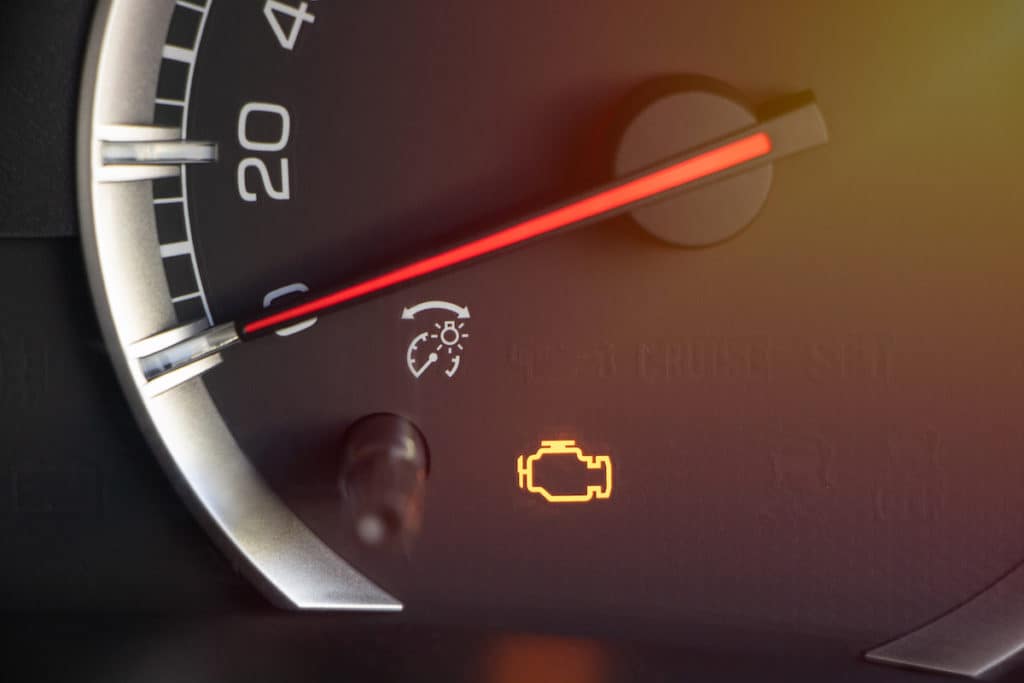
Check engine light

5 Reasons Your Check Engine Light May Be On (& What To Do)

Updated February 18, 2026 Executive Summary Your vehicle’s OBD-II system triggers the check engine light, and it doesn’t automatically mean a major repair -it signals that something in the engine or emissions system needs attention. Common causes include a faulty mass airflow (MAF) sensor, a bad oxygen (O 2) sensor, worn spark plugs, a failing catalytic converter, or even a loose gas cap; some simple, others more serious. Symptoms like rough idling, reduced fuel economy, poor acceleration, strange exhaust smells, or trouble starting can help narrow down the issue. Ignoring the check engine light can lead to larger, more expensive repairs over time and may impact performance, emissions, and overall vehicle lifespan. If you’ve ever seen the little check engine light appear on your dashboard, you’re definitely not alone. It’s one of the most common things drivers see, and it can cause a lot of confusion. Here’s the good news: it doesn’t automatically mean a huge repair bill is necessary! Sometimes it is super simple, but there may be the occasional larger issue. Either way, it’s important to know the common reasons behind the light appearing that can save you time, stress, and money. At Toyota of Clermont’s service center, we see this light all the time. Today, we’re Making It Simple® and explaining what might be causing the check engine light to turn on and what to do to make the best decision for your vehicle and budget! What The Check Engine Light Means The check engine light is part of your car’s On-Board Diagnostics (OBD-II) system, which is basically how your vehicle tells you something is operating within its normal parameters. This can cover any issue from emissions to engine performance to a loose gas cap. Just keep in mind the light itself doesn’t exactly tell you what’s wrong, but instead something triggered the vehicle’s internal system to flag a concern. That’s where knowing the common causes comes in handy, so let’s get into the top five reasons! A Check Engine Light Indicates: You Need A New Mass Airflow (MAF) Sensor The mass airflow sensor helps your vehicle determine how much air is coming into the engine so it can balance fuel and air for optimal combustion. If the sensor notices something wrong (such as it's dirty, failing, or damaged), then it can end up throwing your engine’s balance. Symptoms besides the check engine light coming on may include: Trouble with acceleration Hesitation during normal driving Reduced fuel economy The sensor can get dirty over time, which then sends inaccurate readings to your engine’s system. In some cases, cleaning the sensor will solve the issue, but often a new MAF sensor is needed for long-term performance. Lucky for you, our technicians at Toyota of Clermont can run a sensor test and let you know if cleaning or replacing it is the best option. A Check Engine Light Indicates: Your Catalytic Converter Has Gone Bad Your Toyota’s catalytic converter is a key emissions component in your exhaust system. It converts harmful gases into less harmful ones before they exit the tailpipe. If it fails, your vehicle may still run, but it won’t run efficiently. You might notice other issues such as: Reduced fuel economy Higher exhaust heat Trouble passing emissions tests Strange smells (sometimes like rotten eggs) A failing catalytic converter is one of the more serious reasons your check engine light may come on. Since it’s so closely tied to emissions and overall engine efficiency, you’ll need to address this problem sooner rather than later to prevent it from escalating into something worse. At the Toyota of Clermont Service Center, we can verify if your catalytic converter is the culprit for your check engine light popping on, as well as help you understand your options and what replacement may involve. A Check Engine Light Indicates: Your Spark Plugs Need Replacing Spark plugs are important for your engine to start and run smoothly. They’re responsible for igniting the fuel-air mixture inside the engine combustion chamber. When they wear out, it can negatively impact everything from starting your car to maintaining speed on the road. Signs your spark plugs might be the cause behind your check engine light include: A rough idle state Trouble starting your car Reduced fuel efficiency Stalling or misfires Worn spark plugs also put extra stress on other components in your car, such as the catalytic converter and oxygen sensors. What may start as a spark plug problem may snowball into something much larger, so getting your regular car maintenance helps keep your engine performing well (and your check engine light off). A Check Engine Light Indicates: You Have A Bad Oxygen (O 2) Sensor Your oxygen sensor (also known as the O 2 sensor) plays a crucial role in monitoring the amount of unburned oxygen in your car’s exhaust. This data helps your vehicle determine if it’s running a rich or lean fuel mixture! When the oxygen sensor fails, the engine’s computer can't make accurate adjustments and will turn on the check engine light as a heads-up. You may also notice indicators such as: Inefficient engine performance Poor fuel mileage Increased emissions The O 2 sensor directly impacts your car’s burn efficiency and emissions control, so catching the issue before it grows worse is important. If you think there’s an issue with this sensor, bring your Toyota in for our technicians to check it out to help you avoid higher fuel costs and protect other components from damage. A Check Engine Light Indicates: Your Gas Cap Isn’t Tightened All The Way Believe it or not, this is often the simplest and most common cause of the check engine light turning on. Your gas cap helps to maintain the pressure inside your fuel tank and prevents fuel vapors from escaping into the air. If it’s loose or not sealed properly, your vehicle’s emissions system can interpret it as a leak and illuminate the check engine light. This is the easiest indicator to fix. Just safely pull over, turn your car off, then check your gas cap to see if it's tightened (make sure to hear it click at least a couple times). Usually, the light will turn off once you start driving again. What If You Ignore Your Check Engine Light? You might be tempted to ignore your check engine light if your car seems to be running fine, but modern vehicles are incredibly connected. One small problem left unchecked can lead to bigger, more costly issues over time. Even more importantly, ignoring warning lights can put extra stress on your engine and reduce the lifespan of key components in your Toyota. It can also lead to issues that affect performance and safety, which can be a greater risk. Visit our Service Center With Any Issue Today! Now you know what to do the next time your check engine light turns on, so no need to panic! If you need a technician to check out your engine, Toyota of Clermont is here to help. Schedule an appointment at our Service Center to get your car checked out by giving us a call at 352-404-7001 or booking online. Or, come visit us in person at 16851 State Road 50. Common FAQs for Check Engine Lights What is a catalytic converter? A catalytic converter is a crucial part of your car’s exhaust system that takes the toxic gases and pollutants from the engine’s exhaust and turns them into less harmful emissions through a chemical (redox) reaction. It helps reduce the amount of dangerous pollution released into the air and is required on gasoline-powered vehicles by law in many places. Why won’t my car start? Your car might not start for several reasons: the battery is dead and can’t power anything, the starter is broken so it can’t turn the engine over, the fuel filter is clogged and preventing gasoline from reaching the engine, the alternator isn’t charging the battery, or the spark plugs are worn out and can’t ignite the fuel. What are spark plugs? A spark plug is a small part that fits into your engine’s cylinder and creates a tiny electrical spark to ignite the air-and-fuel mixture so the engine can start and run. Without that spark to start combustion, your car wouldn’t be able to begin moving.

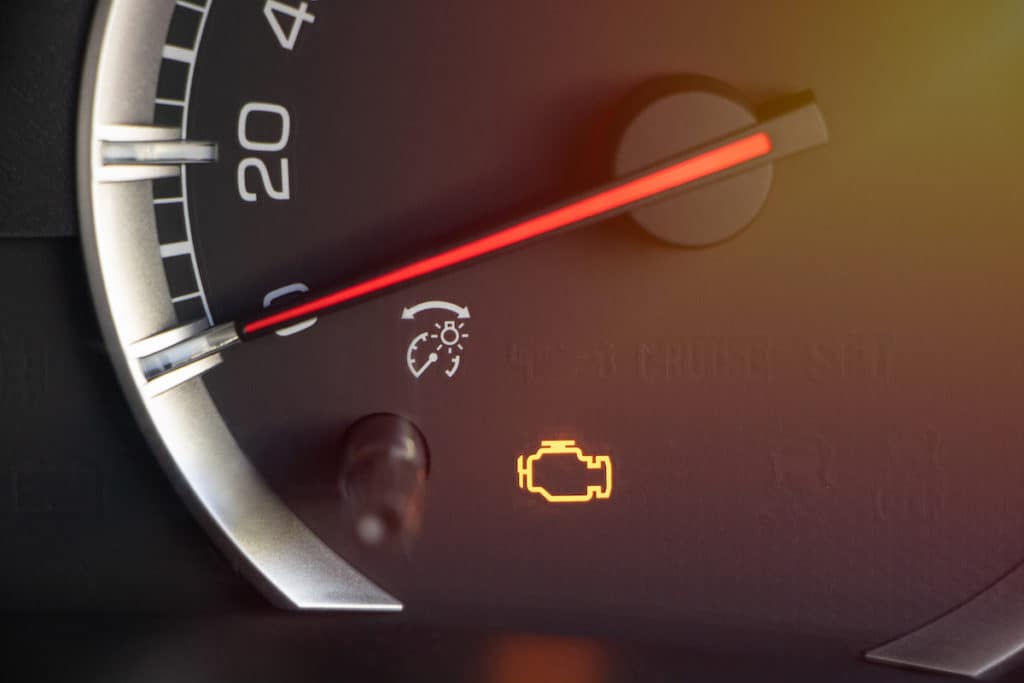
Check engine light

5 Reasons Your Check Engine Light May Be On (& What To Do)

Updated February 18, 2026 Executive Summary Your vehicle’s OBD-II system triggers the check engine light, and it doesn’t automatically mean a major repair -it signals that something in the engine or emissions system needs attention. Common causes include a faulty mass airflow (MAF) sensor, a bad oxygen (O 2) sensor, worn spark plugs, a failing catalytic converter, or even a loose gas cap; some simple, others more serious. Symptoms like rough idling, reduced fuel economy, poor acceleration, strange exhaust smells, or trouble starting can help narrow down the issue. Ignoring the check engine light can lead to larger, more expensive repairs over time and may impact performance, emissions, and overall vehicle lifespan. If you’ve ever seen the little check engine light appear on your dashboard, you’re definitely not alone. It’s one of the most common things drivers see, and it can cause a lot of confusion. Here’s the good news: it doesn’t automatically mean a huge repair bill is necessary! Sometimes it is super simple, but there may be the occasional larger issue. Either way, it’s important to know the common reasons behind the light appearing that can save you time, stress, and money. At Toyota of Clermont’s service center, we see this light all the time. Today, we’re Making It Simple® and explaining what might be causing the check engine light to turn on and what to do to make the best decision for your vehicle and budget! What The Check Engine Light Means The check engine light is part of your car’s On-Board Diagnostics (OBD-II) system, which is basically how your vehicle tells you something is operating within its normal parameters. This can cover any issue from emissions to engine performance to a loose gas cap. Just keep in mind the light itself doesn’t exactly tell you what’s wrong, but instead something triggered the vehicle’s internal system to flag a concern. That’s where knowing the common causes comes in handy, so let’s get into the top five reasons! A Check Engine Light Indicates: You Need A New Mass Airflow (MAF) Sensor The mass airflow sensor helps your vehicle determine how much air is coming into the engine so it can balance fuel and air for optimal combustion. If the sensor notices something wrong (such as it's dirty, failing, or damaged), then it can end up throwing your engine’s balance. Symptoms besides the check engine light coming on may include: Trouble with acceleration Hesitation during normal driving Reduced fuel economy The sensor can get dirty over time, which then sends inaccurate readings to your engine’s system. In some cases, cleaning the sensor will solve the issue, but often a new MAF sensor is needed for long-term performance. Lucky for you, our technicians at Toyota of Clermont can run a sensor test and let you know if cleaning or replacing it is the best option. A Check Engine Light Indicates: Your Catalytic Converter Has Gone Bad Your Toyota’s catalytic converter is a key emissions component in your exhaust system. It converts harmful gases into less harmful ones before they exit the tailpipe. If it fails, your vehicle may still run, but it won’t run efficiently. You might notice other issues such as: Reduced fuel economy Higher exhaust heat Trouble passing emissions tests Strange smells (sometimes like rotten eggs) A failing catalytic converter is one of the more serious reasons your check engine light may come on. Since it’s so closely tied to emissions and overall engine efficiency, you’ll need to address this problem sooner rather than later to prevent it from escalating into something worse. At the Toyota of Clermont Service Center, we can verify if your catalytic converter is the culprit for your check engine light popping on, as well as help you understand your options and what replacement may involve. A Check Engine Light Indicates: Your Spark Plugs Need Replacing Spark plugs are important for your engine to start and run smoothly. They’re responsible for igniting the fuel-air mixture inside the engine combustion chamber. When they wear out, it can negatively impact everything from starting your car to maintaining speed on the road. Signs your spark plugs might be the cause behind your check engine light include: A rough idle state Trouble starting your car Reduced fuel efficiency Stalling or misfires Worn spark plugs also put extra stress on other components in your car, such as the catalytic converter and oxygen sensors. What may start as a spark plug problem may snowball into something much larger, so getting your regular car maintenance helps keep your engine performing well (and your check engine light off). A Check Engine Light Indicates: You Have A Bad Oxygen (O 2) Sensor Your oxygen sensor (also known as the O 2 sensor) plays a crucial role in monitoring the amount of unburned oxygen in your car’s exhaust. This data helps your vehicle determine if it’s running a rich or lean fuel mixture! When the oxygen sensor fails, the engine’s computer can't make accurate adjustments and will turn on the check engine light as a heads-up. You may also notice indicators such as: Inefficient engine performance Poor fuel mileage Increased emissions The O 2 sensor directly impacts your car’s burn efficiency and emissions control, so catching the issue before it grows worse is important. If you think there’s an issue with this sensor, bring your Toyota in for our technicians to check it out to help you avoid higher fuel costs and protect other components from damage. A Check Engine Light Indicates: Your Gas Cap Isn’t Tightened All The Way Believe it or not, this is often the simplest and most common cause of the check engine light turning on. Your gas cap helps to maintain the pressure inside your fuel tank and prevents fuel vapors from escaping into the air. If it’s loose or not sealed properly, your vehicle’s emissions system can interpret it as a leak and illuminate the check engine light. This is the easiest indicator to fix. Just safely pull over, turn your car off, then check your gas cap to see if it's tightened (make sure to hear it click at least a couple times). Usually, the light will turn off once you start driving again. What If You Ignore Your Check Engine Light? You might be tempted to ignore your check engine light if your car seems to be running fine, but modern vehicles are incredibly connected. One small problem left unchecked can lead to bigger, more costly issues over time. Even more importantly, ignoring warning lights can put extra stress on your engine and reduce the lifespan of key components in your Toyota. It can also lead to issues that affect performance and safety, which can be a greater risk. Visit our Service Center With Any Issue Today! Now you know what to do the next time your check engine light turns on, so no need to panic! If you need a technician to check out your engine, Toyota of Clermont is here to help. Schedule an appointment at our Service Center to get your car checked out by giving us a call at 352-404-7001 or booking online. Or, come visit us in person at 16851 State Road 50. Common FAQs for Check Engine Lights What is a catalytic converter? A catalytic converter is a crucial part of your car’s exhaust system that takes the toxic gases and pollutants from the engine’s exhaust and turns them into less harmful emissions through a chemical (redox) reaction. It helps reduce the amount of dangerous pollution released into the air and is required on gasoline-powered vehicles by law in many places. Why won’t my car start? Your car might not start for several reasons: the battery is dead and can’t power anything, the starter is broken so it can’t turn the engine over, the fuel filter is clogged and preventing gasoline from reaching the engine, the alternator isn’t charging the battery, or the spark plugs are worn out and can’t ignite the fuel. What are spark plugs? A spark plug is a small part that fits into your engine’s cylinder and creates a tiny electrical spark to ignite the air-and-fuel mixture so the engine can start and run. Without that spark to start combustion, your car wouldn’t be able to begin moving.

defensive driver tips

What car care do you need to schedule to be a better defensive driver?

Do you have aspirations to become a better defensive driver? Honing this skill when you're behind the wheel is important - defensive driving basically means that instead of reacting to an accident or collision as it's happening, you use your skills to avoid it before it even becomes an issue. It takes practice and focus, but becoming a better defensive driver doesn't rest solely on you - it also requires that your vehicle has the tools you need for a safe drive time. Our Clermont auto service techs are here to explain and give you four car care suggestions to enhance your defensive driver skills. Schedule these car care appointments to improve your drive time safety 1) Brake service Being able to bring your vehicle to a quick, safe, and efficient stop is a huge part of being a great defensive driver, especially when you're driving in slick conditions like rain, snow, or icy weather, or even in heavy traffic. However, it's impossible to do so if your brake system isn't in top shape. Bring your ride to Toyota of Clermont for routine brake service. Our techs will check and fill brake fluid, replace worn-out brake pads, repair or replace worn rotors, and inspect the system as a whole to ensure you have stopping power on your side. 2) Wiper replacement You need your wipers to clear your windshield fully with every swipe when you're driving in rain or snow so you have a clear field of vision in front of you. If your wiper blades are worse for the wear, you'll be left with streaks, smears, and impaired vision. To be a good defensive driver, get them replaced routinely! Our techs can inspect the blades for wear and then you can shop our parts store for a replacement set that fits your needs and your budget. 3) Headlight check How are your headlights looking these days? Remember, not only do they illuminate your path so you can be a safe driver, but they also let other drivers see you out on the road. Our Toyota of Clermont service techs can assist you with bulb replacement, casing repairs and replacement, and even headlight restoration to ensure they're shining brightly when you need them to. You should have your headlights on from dusk until dawn, as well as if it's raining or snowing. 4) Tire inspections and rotations To be a safe driver, you need tires that can help you get the job done. They should have the proper amount of tread and be inflated to the right PSI, as well as be free of damage or defects that leave them prone to blowouts. Our techs can help - not only can they conduct tire rotations and balancing on a routine basis to ensure your tires are wearing evenly, but they can also inspect your tires for excessive wear and tear and worn-down tread. They can even get them inflated to the right level again. Become a better defensive driver with Toyota of Clermont! Ready to schedule car maintenance to become a better defensive driver? Call us today - we're open seven days a week at (352) 404-7001.

defensive driver tips

What car care do you need to schedule to be a better defensive driver?

Do you have aspirations to become a better defensive driver? Honing this skill when you're behind the wheel is important - defensive driving basically means that instead of reacting to an accident or collision as it's happening, you use your skills to avoid it before it even becomes an issue. It takes practice and focus, but becoming a better defensive driver doesn't rest solely on you - it also requires that your vehicle has the tools you need for a safe drive time. Our Clermont auto service techs are here to explain and give you four car care suggestions to enhance your defensive driver skills. Schedule these car care appointments to improve your drive time safety 1) Brake service Being able to bring your vehicle to a quick, safe, and efficient stop is a huge part of being a great defensive driver, especially when you're driving in slick conditions like rain, snow, or icy weather, or even in heavy traffic. However, it's impossible to do so if your brake system isn't in top shape. Bring your ride to Toyota of Clermont for routine brake service. Our techs will check and fill brake fluid, replace worn-out brake pads, repair or replace worn rotors, and inspect the system as a whole to ensure you have stopping power on your side. 2) Wiper replacement You need your wipers to clear your windshield fully with every swipe when you're driving in rain or snow so you have a clear field of vision in front of you. If your wiper blades are worse for the wear, you'll be left with streaks, smears, and impaired vision. To be a good defensive driver, get them replaced routinely! Our techs can inspect the blades for wear and then you can shop our parts store for a replacement set that fits your needs and your budget. 3) Headlight check How are your headlights looking these days? Remember, not only do they illuminate your path so you can be a safe driver, but they also let other drivers see you out on the road. Our Toyota of Clermont service techs can assist you with bulb replacement, casing repairs and replacement, and even headlight restoration to ensure they're shining brightly when you need them to. You should have your headlights on from dusk until dawn, as well as if it's raining or snowing. 4) Tire inspections and rotations To be a safe driver, you need tires that can help you get the job done. They should have the proper amount of tread and be inflated to the right PSI, as well as be free of damage or defects that leave them prone to blowouts. Our techs can help - not only can they conduct tire rotations and balancing on a routine basis to ensure your tires are wearing evenly, but they can also inspect your tires for excessive wear and tear and worn-down tread. They can even get them inflated to the right level again. Become a better defensive driver with Toyota of Clermont! Ready to schedule car maintenance to become a better defensive driver? Call us today - we're open seven days a week at (352) 404-7001.

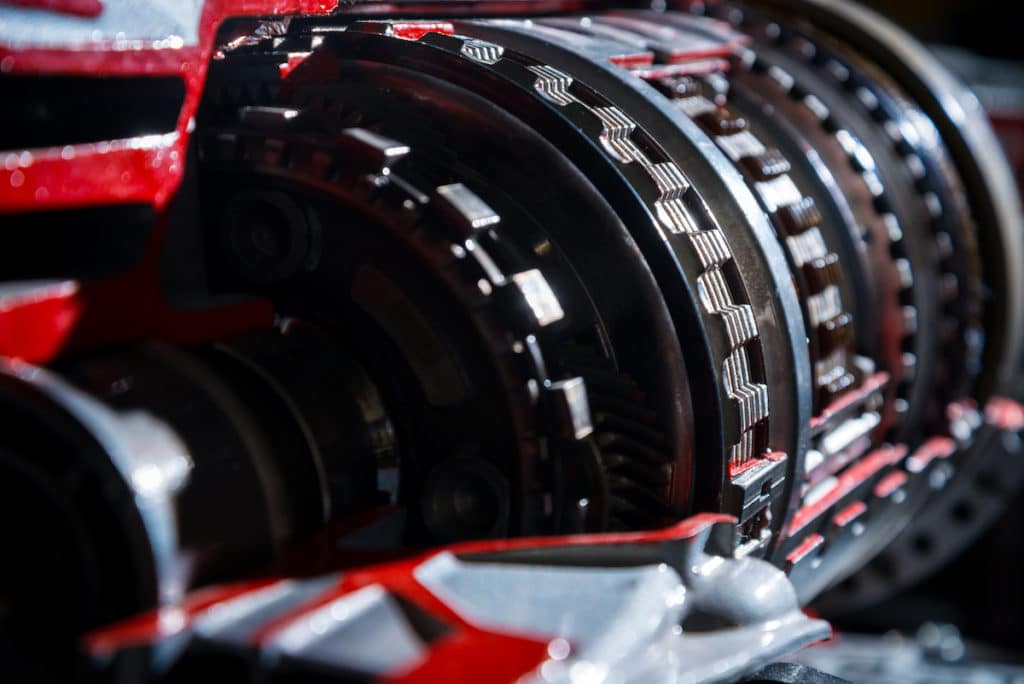
Clermont Toyota service

4 of the most common car transmission issues

Do you consider yourself to be knowledgeable when it comes to making your way around under the hood of your car? Not many people do - it's intimidating under there, and if you're not an expert at maintenance and repairs, it's easy to make a mistake that can cost you a pretty penny down the road. One car part that drivers are especially intimidated by is the car transmission. This very important part is crucial to your car's performance, which is why Toyota of Clermont is here to help. What are the most common car transmission issues? When asked, most drivers will admit that they know one basic thing about transmissions - they come in manual and automatic. Obviously there's a lot more to it than that, and if you're going to be a responsible car owner it's important to know how to troubleshoot this essential part. Check out these four common issues we often see in this arena and how to spot them... and then let Toyota of Clermont get on top of the repairs for you. #1: Leaks Luckily, car transmission leaks are pretty easy to spot. The fluid is reddish in color, so if you see a puddle of that hue underneath your ride, it's time to visit Toyota of Clermont's service center. They can locate where the leak is in the system, quickly repair it, and refill the fluid so you can efficiently and safely get back on the road. #2: Burning smell Do you smell something burning coming from under the hood? This can be caused by a host of things, but it can indicate an issue with the car's transmission. Specifically, it can indicate that you're either out of fluid or you're using the wrong kind for your ride. Either way, it can cause expensive repairs in your future, so it's best to have the issue addressed with a mechanic before you try to hit the road again. #3: Grinding or vibrating When your car shifts - whether you're shifting it manually yourself or letting an automatic do its work - you shouldn't really feel it. Sure, you'll notice it, but it shouldn't be to the extent that it calls your attention away from the task at hand. If you feel your car's transmission vibrating or grinding when it changes gears, then you've got an issue. This can damage your ride and cause big-time repairs, so bring it in to have it inspected ASAP. #4: Delayed or missing response When you shift your car into park, drive, or neutral, you expect a response. Same goes when you shift gears as you accelerate and decelerate. If your car seems like it's lagging when it shifts or it doesn't respond to your requests to shift or change gears, you've got transmission problems. Get them fixed immediately to avoid a bigger and costlier issue. Let Toyota of Clermont get you back on the road Think you might have something going on under the hood? DIY repairs aren't recommended in this instance unless you're an expert, so bring your ride to Toyota of Clermont. We're open seven days a week at 16851 State Road 50, and you can call ahead of time to make an appointment at (352) 404-7001.

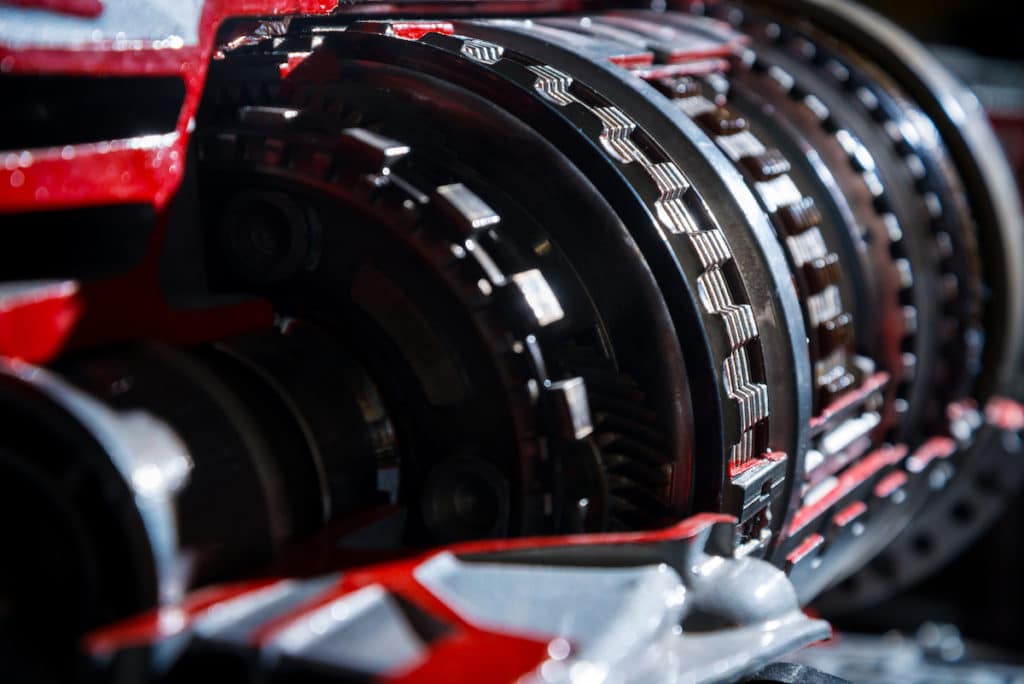
Clermont Toyota service

4 of the most common car transmission issues

Do you consider yourself to be knowledgeable when it comes to making your way around under the hood of your car? Not many people do - it's intimidating under there, and if you're not an expert at maintenance and repairs, it's easy to make a mistake that can cost you a pretty penny down the road. One car part that drivers are especially intimidated by is the car transmission. This very important part is crucial to your car's performance, which is why Toyota of Clermont is here to help. What are the most common car transmission issues? When asked, most drivers will admit that they know one basic thing about transmissions - they come in manual and automatic. Obviously there's a lot more to it than that, and if you're going to be a responsible car owner it's important to know how to troubleshoot this essential part. Check out these four common issues we often see in this arena and how to spot them... and then let Toyota of Clermont get on top of the repairs for you. #1: Leaks Luckily, car transmission leaks are pretty easy to spot. The fluid is reddish in color, so if you see a puddle of that hue underneath your ride, it's time to visit Toyota of Clermont's service center. They can locate where the leak is in the system, quickly repair it, and refill the fluid so you can efficiently and safely get back on the road. #2: Burning smell Do you smell something burning coming from under the hood? This can be caused by a host of things, but it can indicate an issue with the car's transmission. Specifically, it can indicate that you're either out of fluid or you're using the wrong kind for your ride. Either way, it can cause expensive repairs in your future, so it's best to have the issue addressed with a mechanic before you try to hit the road again. #3: Grinding or vibrating When your car shifts - whether you're shifting it manually yourself or letting an automatic do its work - you shouldn't really feel it. Sure, you'll notice it, but it shouldn't be to the extent that it calls your attention away from the task at hand. If you feel your car's transmission vibrating or grinding when it changes gears, then you've got an issue. This can damage your ride and cause big-time repairs, so bring it in to have it inspected ASAP. #4: Delayed or missing response When you shift your car into park, drive, or neutral, you expect a response. Same goes when you shift gears as you accelerate and decelerate. If your car seems like it's lagging when it shifts or it doesn't respond to your requests to shift or change gears, you've got transmission problems. Get them fixed immediately to avoid a bigger and costlier issue. Let Toyota of Clermont get you back on the road Think you might have something going on under the hood? DIY repairs aren't recommended in this instance unless you're an expert, so bring your ride to Toyota of Clermont. We're open seven days a week at 16851 State Road 50, and you can call ahead of time to make an appointment at (352) 404-7001.

Contact Us

Fill out this form below and we'll contact you shortly
*Required Fields