
Blog

All Clermont Toyota Tips New Toyota Clermont Toyota News Toyota Service Fun Friday Used Cars Clermont Toyota Service Toyota of Clermont Service
Kids standing in a door way getting candy

The Best Places to Go Trick-or-Treating in Clermont in 2026

Updated on July 17, 2026 It's officially a spooky season, and that means it’s time to pull out the costumes, stock up on glow sticks, and prepare for one of the most exciting nights of the year. Whether your little ones are dressing up as superheroes, princesses, witches, or dinosaurs, Halloween is all about making memories, collecting candy, and having fun with family and friends. If you’re looking for the best places to go trick or treating in Clermont, you’ve come to the right place. Toyota of Clermont has put together a guide to some of the most popular neighborhoods and family friendly Halloween events throughout the area. From neighborhoods with hundreds of homes handing out candy to organized Halloween parties that offer a safe environment for younger children, there are plenty of ways to enjoy Halloween 2026 in Clermont. So grab your candy bag, hop into your Clermont Toyota, and let’s explore some of the best destinations for trick or treating in Clermont this Halloween season. Executive Summary Discover the Best Trick-or-Treating Neighborhoods: Explore some of the top places to go trick or treating in Clermont, including Reserve at Minneola, Kings Ridge, Magnolia Pointe, Oak Valley, and other family-friendly communities known for festive decorations and generous candy. Find Family-Friendly Halloween Events: Learn about popular Halloween celebrations near Clermont, including Minneola Safe Night Out, Downtown Winter Garden's Halloween festivities, and local trunk-or-treat events that provide safe fun for children of all ages. Stay Safe on Halloween Night: Follow simple trick-or-treating safety tips like wearing reflective gear, bringing a flashlight, inspecting candy, staying with a trusted adult, and driving cautiously through residential neighborhoods. Celebrate Halloween in Clermont: See why Clermont's welcoming neighborhoods, active communities, and variety of Halloween events make it one of the best places in Central Florida for families to enjoy a fun, safe, and memorable Halloween. Best Neighborhoods for Trick or Treating in Clermont Reserve at Minneola Main Area: Wax Myrtle Avenue The reserve at Minneola remains one of the most popular locations for trick or treating in Clermont. This large, family oriented community offers hundreds of homes, meaning plenty of opportunities to fill up your candy buckets before the end of the night. Reserve at Minneola features: Sidewalks Parks Open green spaces Welcoming atmosphere Many residents decorate their homes with pumpkins, inflatables, skeletons, and themed displays that add to the Halloween excitement. With so many participating homes, it’s easy to spend the entire night exploring the neighborhood. Oak Valley Main Area: Oak Valley Boulevard Oak Valley continues to be a favorite Halloween destination to go trick or treating in Clermont. Its family friendly atmosphere and active community participation remains popular amongst the locals. Oak Valley features: All out festive decorations Fun and inviting environment Easy to navigate neighborhood Well populated Often reported excellent candy hauls If you’re searching for a traditional neighborhood Halloween experience, Oak Valley should definitely be on your list. Park Ridge at Lake Minneola Main Area: Park Ridge Boulevard Located near beautiful Lake Minneola, Park Ridge combines scenic surroundings with plenty of Halloween fun. This neighborhood has become increasingly popular for trick or treating in Clermont because: Safe streets Family oriented atmosphere Strong community involvement Extensively decorated homes This area is perfect for Clermont families to enjoy a relaxed evening while collecting plenty of candy. Ardmore Reserve Main Area: Blarney Street When Halloween arrives, Ardmore Reserve transforms into one of Clermont's most festive communities. You will find homes decorated with: Jack-o’-lanterns Skeleton displays Spider webs Inflatable characters Creative lighting effects Many Clermont families choose Ardmore Reserve because of its walkability and active participation from homeowners. Be sure to bring a large candy bag as you may need the extra space before the night is over. Hunters Run Main Area: Longbow Drive Hunters Run is another excellent destination for families to go trick or treating in Clermont. The neighborhood offers: Wide streets Sidewalks Good lighting Generous portions of candy The family friendly atmosphere makes Hunters Run particularly appealing for younger trick or treaters who may be experiencing Halloween for the first time. Kings Ridge Main Area: Kings Ridge Boulevard Kings Ridge is one of Clermont’s largest residential neighborhoods and continues to be a popular location for Halloween celebrations. The community offers: Wide streets Well-maintained sidewalks Active community participation Plenty of decorated homes Because of the size of this community, families can spend hours exploring the different sections while collecting treats along the way. Its central location also makes it convenient for residents through Clermont and Minneola. Magnolia Pointe Main Area: Near Highway 50 and Florida’s Turnpike Magnolia Pointe has been a local favorite for years, and Halloween is no exception. The neighborhood features: Beautiful homes Tree lines streets Enthusiastic community Extensive decorations Located near John’s Lake, Magnolia Pointe offers a scenic setting for a memorable Halloween evening trick or treating in Clermont. Family-Friendly Halloween Events Around Clermont In addition to neighborhood trick or treating in Clermont, there are often several organized events throughout South Lake County that provide safe and fun alternatives for families. Minneola Safe Night Out Location: Minneola Trailhead Park The City of Minneola’s annual Safe Night Out has become a Halloween tradition for many local families. Activities can include: Candy stations Costume contests Games Food vendors Music Family entertainment Community organizations handing out treats This event provides a safe, controlled environment for younger children while still delivering all the excitements of Halloween. Check the City of Minneola website closer to October 31 for updated event information and schedules. Downtown Winter Garden Halloween Experience Just a short drive from Clermont, Downtown Winter Garden typically hosts one of the area’s most popular Halloween celebrations. Visitors can enjoy: Halloween-themed entertainment Seasonal decorations Street performers Costume contests Family activities Trick-or-treat opportunities at participating businesses The ecstatic downtown atmosphere makes this event a favorite amongst Clermont families. Local Trunk-or-Treat Events Throughout the month of October, churches, schools, community centers, and local businesses often host trunk-or-treat events throughout Clermont and South Lake County. These events are very popular for families with younger children since they offer: Easy walking routes Controlled environments Plenty of candy Games and activities Opportunities to show off costumes Keep an eye out for local community calendars and social media pages for announcements as Halloween approaches. Tips and Tricks for Trick or Treating in Clermont Whether you’re heading to Kings Ridge, Minneola, or Winter Garden, following a few simple safety tips can help ensure everyone has an amazing time. Wear reflective gear Many Halloween costumes are dark, making it very hard for Clermont drivers to see trick or treaters after sunset. Add reflective tape, glow sticks, or flashing accessories whenever possible. Bring a flashlight Flashlights not only help you see where you’re walking at night, but they also help make you more visible to vehicles Inspect candy before eating Clermont parents should always check candy and treats before allowing children to enjoy them. Stay together Young children should remain with a trusted adult throughout the evening. Drive carefully If you’re driving through residential communities on Halloween night, slow down and remain alert. Excited children may cross streets unexpectedly. Why Clermont is the Perfect Place to Celebrate Halloween One of the many reasons my families love trick or treating in Clermont is the area’s strong sense of community. Many communities actively participate in Halloween festivities, creating welcoming environments for local families and visitors. Whether you prefer traditional neighborhood trick or treating, community events, trunk-or-treat celebrations, or a combination of all three, Clermont offers plenty of opportunities to celebrate Halloween safety and make lasting memories. Happy Halloween from Toyota of Clermont! From all of us at Toyota of Clermont, we wish you a fun, safe, and candy filled Halloween in 2026. Whether you’re exploring Reserve at Minneola, Kings Ridge, Magnolia Pointe, or one of the many other fantastic neighborhoods in the area, we hope your evening is packed with treats, laughter, and unforgettable memories. And if you are looking to join trunk-or-treat events and need a vehicle to do so, call us today at (352) 404-7000 or visit us in person at 16851 State Road 50, just West of the Florida Turnpike. FAQs 1. Where is the best place for trick or treating in Clermont? Some of the best places for trick or treating in Clermont include Reserve at Minneola, Kings Ridge, Magnolia Pointe, Oak Valley, Park Ridge at Lake Minneola, Ardmore Reserve, and Hunters Run. These neighborhoods are known for their festive decorations, active community participation, and plenty of homes handing out candy. 2. Is Clermont a good place for family-friendly Halloween activities? Yes! Clermont offers a variety of family-friendly Halloween activities, including neighborhood trick-or-treating, trunk-or-treat events, and community celebrations like Minneola Safe Night Out. Many local neighborhoods and organizations create safe, welcoming environments where families can enjoy Halloween together. 3. What should families bring when trick or treating in Clermont? Families should bring a sturdy candy bag or bucket, a flashlight, glow sticks or reflective gear to improve visibility, and comfortable walking shoes. It's also a good idea to bring water, keep a phone charged, and inspect all candy before children eat it to help ensure a safe and enjoyable Halloween.

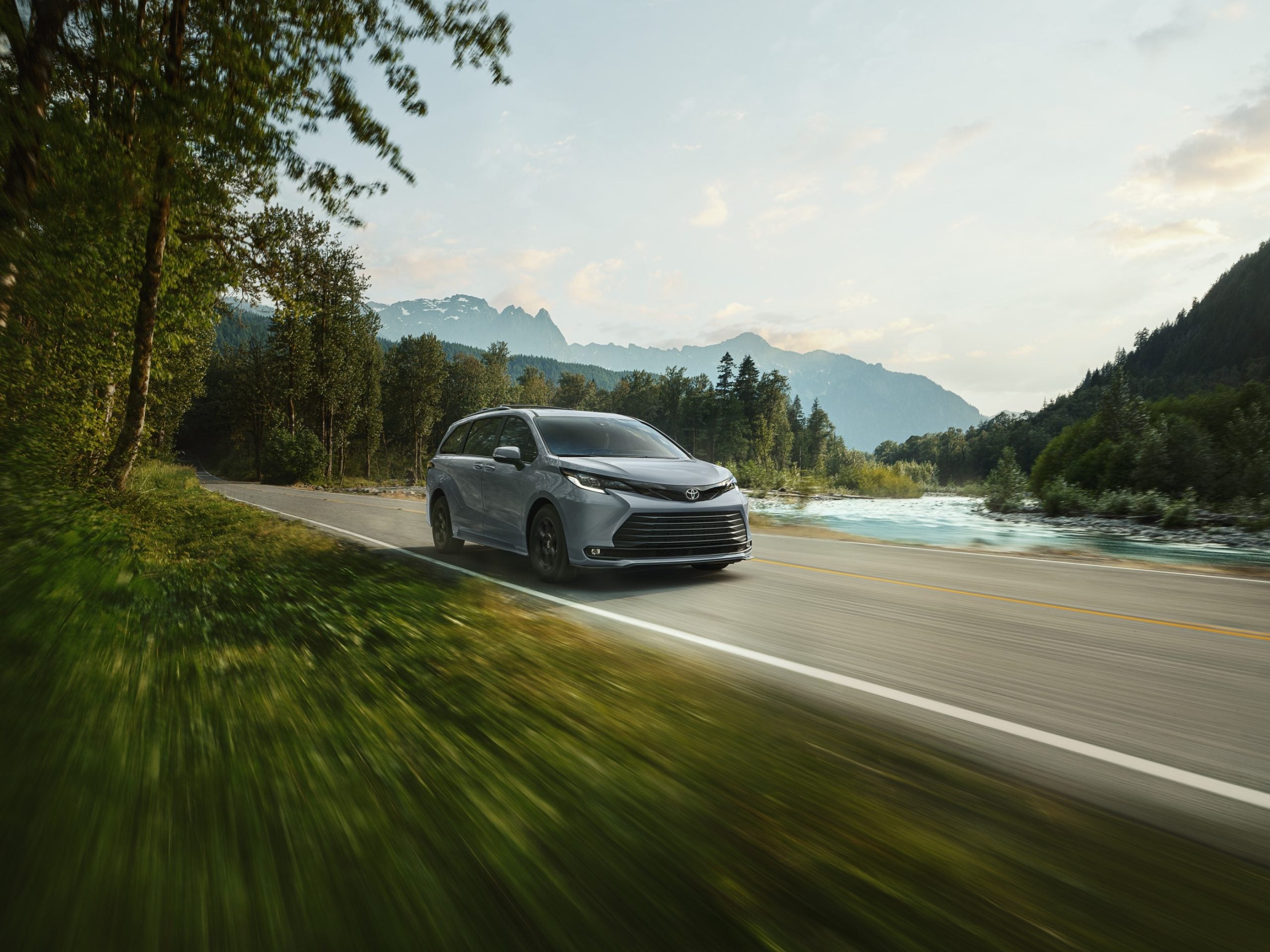
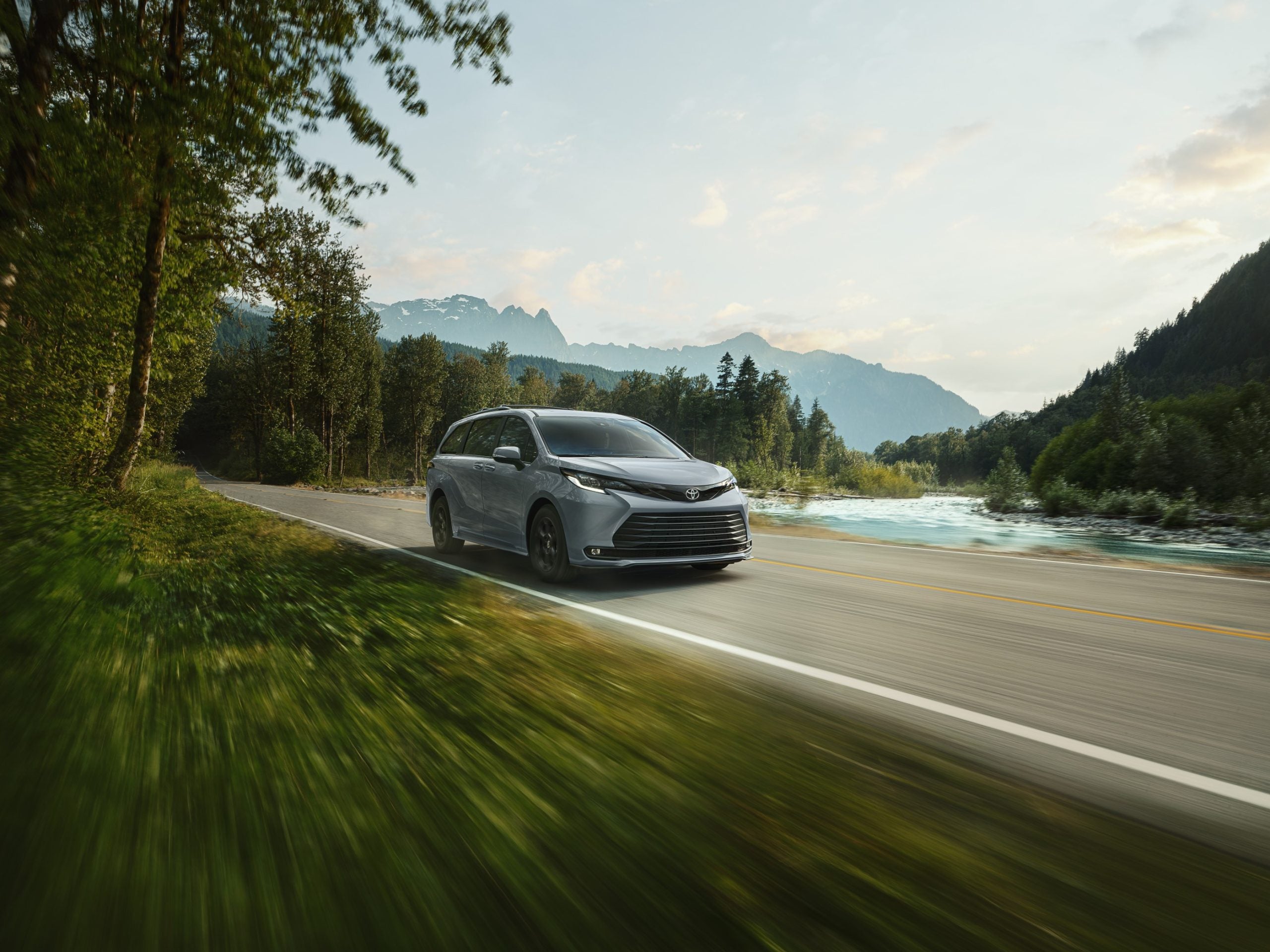
2026 Toyota Sienna driving through a scenic background

2026 Toyota Sienna vs Honda Odyssey: Which Minivan Is Right for You?

For Clermont families shopping for a three row vehicle with maximum passenger space, very few options compete with the 2026 Toyota Sienna and Honda Odyssey. Both minivans offer roomy interiors, family friendly technology, and seating for up to eight passengers. However, both minivans take on very different approaches to meeting the needs of modern Clermont families. The 2026 Toyota Sienna continues Toyota’s hybrid only strategy, delivering exceptional fuel economy and available all wheel drive. The 2026 Honda Odyssey relies on a traditional V6 engine and remains focused on interior, flexibility, and strong acceleration. If you’re trying to decide between these two Clermont family favorites, here’s how they compare in pricing, performance, interior comfort, technology, safety, and fuel efficiency. Executive Summary Standard Hybrid Powertrain: Every 2026 Toyota Sienna comes standard with a fuel-efficient hybrid powertrain, while the Honda Odyssey is powered by a traditional V6 engine, helping the Sienna deliver significantly better fuel economy and lower long-term ownership costs. Performance & Capability: The Honda Odyssey offers more horsepower and quicker acceleration, but the Toyota Sienna provides smooth hybrid performance and available all-wheel drive, giving Clermont families added confidence in changing road conditions. Interior & Family Features: Both minivans seat up to eight passengers and offer spacious, family-friendly interiors. The Odyssey's Magic Slide® seats improve cabin flexibility, while the Sienna offers premium comfort features like available ottoman-style second-row seating and practical storage throughout the cabin. Technology & Safety: The 2026 Toyota Sienna features Toyota's latest Audio Multimedia system, wireless smartphone connectivity, and Toyota Safety Sense™ 2.0. Both minivans include comprehensive driver-assistance technologies, though the Sienna earned stronger performance in recent IIHS crash testing. Overall Verdict: While both minivans are excellent choices for families, the 2026 Toyota Sienna stands out thanks to its standard hybrid powertrain, superior fuel economy, available all-wheel drive, competitive pricing, and lower long-term ownership costs, making it the better all-around choice for many Clermont families. Pricing and Value When comparing these Clermont family vehicles, value goes way beyond the initial purchase price. While the 2026 Toyota Sienna and Honda Odyssey are priced relatively close together, the 2026 Toyota Sienna’s standard hybrid powertrain and lower long term operating costs help it deliver greater overall value for many Clermont families. 2026 Toyota Sienna Starting MSRP: ~$40,120 Powertrain: Standard 2.5 liter hybrid system on every trim Value: Hybrid technology comes standard, helping Clermont families save money at the pump without paying extra 2026 Honda Odyssey Starting MSRP: ~$42,795 Powertrain: Standard 3.5 liter V6 engine Value: Offers strong family friendly features and performance, but lacks the fuel saving benefits of a standard hybrid powertrain. Final Verdict: While both minivans are relatively similar in MSRP, the fuel savings on the 2026 Toyota Sienna give it the edge against the Honda Odyssey. Performance and Driving Experience The biggest difference between these two family minivans lies under the hood. 2026 Toyota Sienna 2.5 liter four cylinder hybrid powertrain 245 total system horsepower Electronically controlled continuously variable transmission (eCVT) Front wheel drive or available Electronic On-Demand AWD Toyota designed the 2026 Toyota Sienna to prioritize efficiency, smooth operation, and everyday family comfort. The hybrid system provides instant electric torque for smooth starts and quiet operation around Clermont. 2026 Honda Odyssey 3.5 liter V6 engine 280 horsepower 262 Ib-ft of torque 10 speed automatic transmission Front wheel drive only The Honda Odyssey is unquestionably quicker when accelerating. Clermont families who prioritize stronger passing power or a more traditional driving feel, may appreciate Honda’s V6. Final Verdict: The Honda Odyssey has strong horsepower, torque, and is quicker when accelerating. However, if you are commuting around Clermont, going to school drop offs, or going on road trips, many Clermont drivers will find the 2026 Toyota Sienna’s smooth hybrid power delivery and all wheel drive availability is more than sufficient. Interior Space and Family Comfort Both minivans are amongst the most spacious family vehicles on the market today. 2026 Toyota Sienna Interior Seating for seven or eight passengers depending on configuration Available captain's chairs Available ottoman-style second-row seating on select trims Multiple USB ports throughout the cabin Available panoramic moonroof Premium materials on higher trim levels The 2026 Toyota Sienna’s interior focuses on practicality and comfort, with numerous storage solutions and family friendly features throughout the cabin. 2026 Honda Odyssey Interior Magic Slide® second-row seats Eight-passenger seating Flexible seat positioning options Easy third-row access Honda’s Magic Slide seating system makes it very easy to move passengers between rows and configure the cabin for various family needs. This feature remains as one of the Odyssey’s strongest advantages. Cargo Capacity Both minivans provide excellent cargo space. The Honda Odyssey offers more maximum cargo volume when the seats are folded down, while the SIenna provides competitive storage behind the third row and plenty of room for luggage, groceries, sports equipment, and family gear. For most Clermont families, either vehicle will suffice and provide more than enough cargo capability for everyday life and vacation travel. Final Verdict: While both vehicles have their advantages and unique features, there is no clear winner when it comes to the interior and comfort. Either minivan will provide enough comfort and cargo space depending on your Clermont lifestyle. Technology Features Modern Clermont families expect their vehicles to function as mobile command centers, and both minivans deliver that experience. 2026 Toyota Sienna Technology Toyota Audio Multimedia system 8 inch touchscreen display Available 12.3 inch touchscreen display Wireless Apple CarPlay® Wireless Android Auto™ Available JBL® premium audio system Multiple USB-C charging ports Available digital rearview mirror Available rear-seat entertainment system Available wireless charging Toyota also added additional standard equipment to the 2026 Toyota Sienna lineup, increasing overall value. 2026 Honda Odyssey Technology 9-inch touchscreen Wireless Apple CarPlay® Wireless Android Auto™ CabinWatch® CabinTalk® Rear entertainment system Family-focused communication features Honda’s interior technology is specifically geared towards Clermont parents monitoring and communicating with rear seat passengers. Final Verdict: While both systems are highly functional, Toyota’s newer platform feels more modern and family friendly. Safety Features Safety is naturally one of the most important considerations for minivan shoppers in Clermont. Toyota Safety Sense™ 2.0 The 2026 Toyota Sienna includes Toyota Safety Sense as standard equipment, featuring: Pre-Collision System with Pedestrian Detection Lane Departure Alert Lane Tracing Assist Full-Speed Range Dynamic Radar Cruise Control Road Sign Assist Automatic High Beams Toyota also includes numerous airbags, stability systems, and advanced driver assistance technologies across the lineup. Honda Sensing® The Honda Odyssey comes standard with: Collision Mitigation Braking System™ Road Departure Mitigation System Adaptive Cruise Control Lane Keeping Assist System Forward Collision Warning Lane Departure Warning Final Verdict: Both minivans offer comprehensive safety technology packages. However, recent IIHS testing shows that the 2026 Toyota Sienna earns a better rating in the updated moderate overlap front crash test than the Odyssey. Fuel Efficiency Fuel economy is where the 2026 Toyota Sienna creates the largest separation from the Honda Odyssey. 2026 Toyota Sienna Fuel Economy ~36 MPG combined (FWD) ~35 MPG combined (AWD) Every 2026 Toyota Sienna benefits from hybrid efficiency without requiring Clermont owners to plug in or change their driving habits. 2026 Honda Odyssey Fuel Economy ~19 MPG city ~28 MPG highway ~22 MPG combined While respectable for a V6 minivan, these numbers do not compete with the 2026 Toyota Sienna’s hybrid efficiency Final Verdict: For Clermont families driving thousands of miles each month, the 2026 Toyota Sienna will not only offer better fuel efficiency, but will provide you with much more fuel savings as well. Final Verdict: 2026 Toyota Sienna vs Honda Odyssey The 2026 Honda Odyssey remains one of the most family friendly minivans on the market. It’s powerful V6 engine, Magic Slide seating system, and flexible interior makes it an excellent choice for many households. However, the 2026 Toyota Sienna delivers a more complete package for today’s family buyers With its standard hybrid powertrain, dramatically better fuel economy, available all wheel drive, lower starting price, strong technology offerings, and excellent safety features, the 2026 Toyota Sienna offers advantages that impact ownership every single day. For Clermont families seeking maximum efficiency, lower operating costs, and year round capability, the 2026 Toyota Sienna is the minivan that stands out. Explore the 2026 Toyota Sienna at Toyota of Clermont! If you're in the market for a family friendly minivan that offers exceptional fuel efficiency, advanced safety features, and plenty of room for passengers and cargo, the 2026 Toyota Sienna is worth a closer look. You can call us at (352) 404-7000 or visit us in person at 16851 State Road 50, just West of the Florida Turnpike! FAQs Is the 2026 Toyota Sienna more fuel-efficient than the 2026 Honda Odyssey? Yes. The 2026 Toyota Sienna comes standard with a hybrid powertrain that delivers an EPA-estimated 36 MPG combined (FWD) or 35 MPG combined (AWD). By comparison, the 2026 Honda Odyssey is rated at approximately 22 MPG combined, making the Sienna the more fuel-efficient choice for families looking to save money on gas. Does the 2026 Honda Odyssey offer all-wheel drive? No. The 2026 Honda Odyssey is available only with front-wheel drive. The 2026 Toyota Sienna, on the other hand, offers Electronic On-Demand All-Wheel Drive on select trims, providing additional traction and confidence during rainy weather or road trips. Which minivan is better for long family road trips? Both the 2026 Toyota Sienna and Honda Odyssey are excellent road-trip vehicles thanks to their spacious interiors, comfortable seating, and family-friendly technology. However, the 2026 Toyota Sienna has the edge for many families because its standard hybrid powertrain provides outstanding fuel economy, helping reduce fuel stops and travel costs on longer drives.

2026 Toyota Sienna driving through a scenic background

2026 Toyota Sienna vs Honda Odyssey: Which Minivan Is Right for You?

For Clermont families shopping for a three row vehicle with maximum passenger space, very few options compete with the 2026 Toyota Sienna and Honda Odyssey. Both minivans offer roomy interiors, family friendly technology, and seating for up to eight passengers. However, both minivans take on very different approaches to meeting the needs of modern Clermont families. The 2026 Toyota Sienna continues Toyota’s hybrid only strategy, delivering exceptional fuel economy and available all wheel drive. The 2026 Honda Odyssey relies on a traditional V6 engine and remains focused on interior, flexibility, and strong acceleration. If you’re trying to decide between these two Clermont family favorites, here’s how they compare in pricing, performance, interior comfort, technology, safety, and fuel efficiency. Executive Summary Standard Hybrid Powertrain: Every 2026 Toyota Sienna comes standard with a fuel-efficient hybrid powertrain, while the Honda Odyssey is powered by a traditional V6 engine, helping the Sienna deliver significantly better fuel economy and lower long-term ownership costs. Performance & Capability: The Honda Odyssey offers more horsepower and quicker acceleration, but the Toyota Sienna provides smooth hybrid performance and available all-wheel drive, giving Clermont families added confidence in changing road conditions. Interior & Family Features: Both minivans seat up to eight passengers and offer spacious, family-friendly interiors. The Odyssey's Magic Slide® seats improve cabin flexibility, while the Sienna offers premium comfort features like available ottoman-style second-row seating and practical storage throughout the cabin. Technology & Safety: The 2026 Toyota Sienna features Toyota's latest Audio Multimedia system, wireless smartphone connectivity, and Toyota Safety Sense™ 2.0. Both minivans include comprehensive driver-assistance technologies, though the Sienna earned stronger performance in recent IIHS crash testing. Overall Verdict: While both minivans are excellent choices for families, the 2026 Toyota Sienna stands out thanks to its standard hybrid powertrain, superior fuel economy, available all-wheel drive, competitive pricing, and lower long-term ownership costs, making it the better all-around choice for many Clermont families. Pricing and Value When comparing these Clermont family vehicles, value goes way beyond the initial purchase price. While the 2026 Toyota Sienna and Honda Odyssey are priced relatively close together, the 2026 Toyota Sienna’s standard hybrid powertrain and lower long term operating costs help it deliver greater overall value for many Clermont families. 2026 Toyota Sienna Starting MSRP: ~$40,120 Powertrain: Standard 2.5 liter hybrid system on every trim Value: Hybrid technology comes standard, helping Clermont families save money at the pump without paying extra 2026 Honda Odyssey Starting MSRP: ~$42,795 Powertrain: Standard 3.5 liter V6 engine Value: Offers strong family friendly features and performance, but lacks the fuel saving benefits of a standard hybrid powertrain. Final Verdict: While both minivans are relatively similar in MSRP, the fuel savings on the 2026 Toyota Sienna give it the edge against the Honda Odyssey. Performance and Driving Experience The biggest difference between these two family minivans lies under the hood. 2026 Toyota Sienna 2.5 liter four cylinder hybrid powertrain 245 total system horsepower Electronically controlled continuously variable transmission (eCVT) Front wheel drive or available Electronic On-Demand AWD Toyota designed the 2026 Toyota Sienna to prioritize efficiency, smooth operation, and everyday family comfort. The hybrid system provides instant electric torque for smooth starts and quiet operation around Clermont. 2026 Honda Odyssey 3.5 liter V6 engine 280 horsepower 262 Ib-ft of torque 10 speed automatic transmission Front wheel drive only The Honda Odyssey is unquestionably quicker when accelerating. Clermont families who prioritize stronger passing power or a more traditional driving feel, may appreciate Honda’s V6. Final Verdict: The Honda Odyssey has strong horsepower, torque, and is quicker when accelerating. However, if you are commuting around Clermont, going to school drop offs, or going on road trips, many Clermont drivers will find the 2026 Toyota Sienna’s smooth hybrid power delivery and all wheel drive availability is more than sufficient. Interior Space and Family Comfort Both minivans are amongst the most spacious family vehicles on the market today. 2026 Toyota Sienna Interior Seating for seven or eight passengers depending on configuration Available captain's chairs Available ottoman-style second-row seating on select trims Multiple USB ports throughout the cabin Available panoramic moonroof Premium materials on higher trim levels The 2026 Toyota Sienna’s interior focuses on practicality and comfort, with numerous storage solutions and family friendly features throughout the cabin. 2026 Honda Odyssey Interior Magic Slide® second-row seats Eight-passenger seating Flexible seat positioning options Easy third-row access Honda’s Magic Slide seating system makes it very easy to move passengers between rows and configure the cabin for various family needs. This feature remains as one of the Odyssey’s strongest advantages. Cargo Capacity Both minivans provide excellent cargo space. The Honda Odyssey offers more maximum cargo volume when the seats are folded down, while the SIenna provides competitive storage behind the third row and plenty of room for luggage, groceries, sports equipment, and family gear. For most Clermont families, either vehicle will suffice and provide more than enough cargo capability for everyday life and vacation travel. Final Verdict: While both vehicles have their advantages and unique features, there is no clear winner when it comes to the interior and comfort. Either minivan will provide enough comfort and cargo space depending on your Clermont lifestyle. Technology Features Modern Clermont families expect their vehicles to function as mobile command centers, and both minivans deliver that experience. 2026 Toyota Sienna Technology Toyota Audio Multimedia system 8 inch touchscreen display Available 12.3 inch touchscreen display Wireless Apple CarPlay® Wireless Android Auto™ Available JBL® premium audio system Multiple USB-C charging ports Available digital rearview mirror Available rear-seat entertainment system Available wireless charging Toyota also added additional standard equipment to the 2026 Toyota Sienna lineup, increasing overall value. 2026 Honda Odyssey Technology 9-inch touchscreen Wireless Apple CarPlay® Wireless Android Auto™ CabinWatch® CabinTalk® Rear entertainment system Family-focused communication features Honda’s interior technology is specifically geared towards Clermont parents monitoring and communicating with rear seat passengers. Final Verdict: While both systems are highly functional, Toyota’s newer platform feels more modern and family friendly. Safety Features Safety is naturally one of the most important considerations for minivan shoppers in Clermont. Toyota Safety Sense™ 2.0 The 2026 Toyota Sienna includes Toyota Safety Sense as standard equipment, featuring: Pre-Collision System with Pedestrian Detection Lane Departure Alert Lane Tracing Assist Full-Speed Range Dynamic Radar Cruise Control Road Sign Assist Automatic High Beams Toyota also includes numerous airbags, stability systems, and advanced driver assistance technologies across the lineup. Honda Sensing® The Honda Odyssey comes standard with: Collision Mitigation Braking System™ Road Departure Mitigation System Adaptive Cruise Control Lane Keeping Assist System Forward Collision Warning Lane Departure Warning Final Verdict: Both minivans offer comprehensive safety technology packages. However, recent IIHS testing shows that the 2026 Toyota Sienna earns a better rating in the updated moderate overlap front crash test than the Odyssey. Fuel Efficiency Fuel economy is where the 2026 Toyota Sienna creates the largest separation from the Honda Odyssey. 2026 Toyota Sienna Fuel Economy ~36 MPG combined (FWD) ~35 MPG combined (AWD) Every 2026 Toyota Sienna benefits from hybrid efficiency without requiring Clermont owners to plug in or change their driving habits. 2026 Honda Odyssey Fuel Economy ~19 MPG city ~28 MPG highway ~22 MPG combined While respectable for a V6 minivan, these numbers do not compete with the 2026 Toyota Sienna’s hybrid efficiency Final Verdict: For Clermont families driving thousands of miles each month, the 2026 Toyota Sienna will not only offer better fuel efficiency, but will provide you with much more fuel savings as well. Final Verdict: 2026 Toyota Sienna vs Honda Odyssey The 2026 Honda Odyssey remains one of the most family friendly minivans on the market. It’s powerful V6 engine, Magic Slide seating system, and flexible interior makes it an excellent choice for many households. However, the 2026 Toyota Sienna delivers a more complete package for today’s family buyers With its standard hybrid powertrain, dramatically better fuel economy, available all wheel drive, lower starting price, strong technology offerings, and excellent safety features, the 2026 Toyota Sienna offers advantages that impact ownership every single day. For Clermont families seeking maximum efficiency, lower operating costs, and year round capability, the 2026 Toyota Sienna is the minivan that stands out. Explore the 2026 Toyota Sienna at Toyota of Clermont! If you're in the market for a family friendly minivan that offers exceptional fuel efficiency, advanced safety features, and plenty of room for passengers and cargo, the 2026 Toyota Sienna is worth a closer look. You can call us at (352) 404-7000 or visit us in person at 16851 State Road 50, just West of the Florida Turnpike! FAQs Is the 2026 Toyota Sienna more fuel-efficient than the 2026 Honda Odyssey? Yes. The 2026 Toyota Sienna comes standard with a hybrid powertrain that delivers an EPA-estimated 36 MPG combined (FWD) or 35 MPG combined (AWD). By comparison, the 2026 Honda Odyssey is rated at approximately 22 MPG combined, making the Sienna the more fuel-efficient choice for families looking to save money on gas. Does the 2026 Honda Odyssey offer all-wheel drive? No. The 2026 Honda Odyssey is available only with front-wheel drive. The 2026 Toyota Sienna, on the other hand, offers Electronic On-Demand All-Wheel Drive on select trims, providing additional traction and confidence during rainy weather or road trips. Which minivan is better for long family road trips? Both the 2026 Toyota Sienna and Honda Odyssey are excellent road-trip vehicles thanks to their spacious interiors, comfortable seating, and family-friendly technology. However, the 2026 Toyota Sienna has the edge for many families because its standard hybrid powertrain provides outstanding fuel economy, helping reduce fuel stops and travel costs on longer drives.

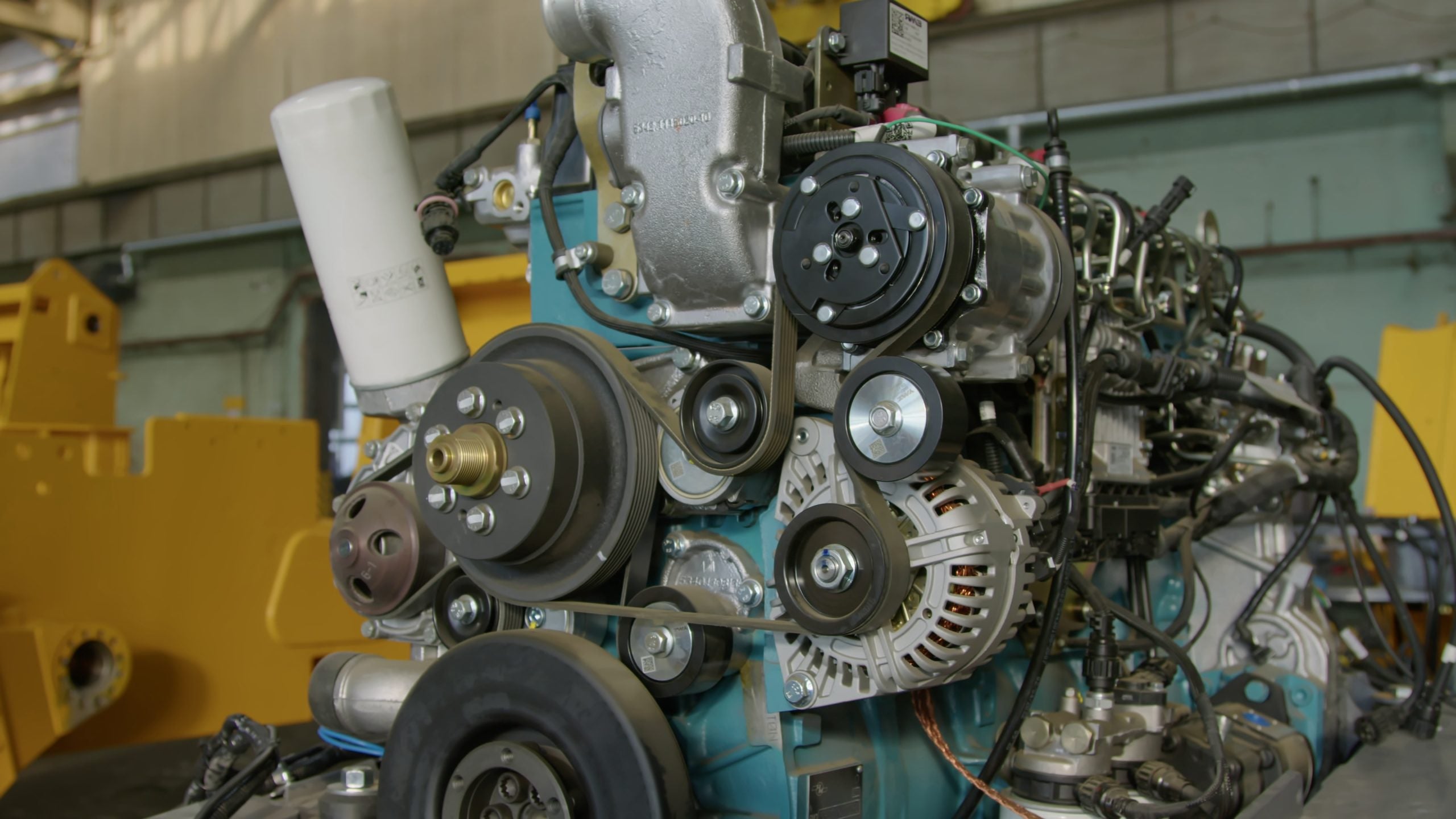
Car engine with exposed car belts

Car Belts Explained: A Beginner’s Guide

When it comes to vehicle maintenance, most Clermont drivers know about oil changes, tire rotations, and brake service. But what about car belts? Car belts play a critical role in keeping your engine and many of its essential systems running properly. While they may not get much attention, a worn or damaged car belt can leave you stranded on the side of the road, or even lead to costly repairs. At Toyota of Clermont, we believe every Clermont driver should have a basic understanding of the parts that keep their vehicle moving. Here’s a beginner friendly guide to the different car belts you may find under the hood, what they do, how to spot signs of wear, and when it’s time to have them inspected. Executive Summary Car belts keep your vehicle running smoothly: Car belts such as the serpentine belt and timing belt play essential roles in powering key engine components and maintaining proper engine performance. Different belts serve different purposes: The serpentine belt powers accessories like the alternator, air conditioning compressor, and power steering pump, while the timing belt keeps your engine's internal components synchronized. Recognize the warning signs of belt wear: Squealing noises, cracks, fraying, dashboard warning lights, engine overheating, and steering issues can all indicate it's time for a professional inspection. Routine inspections help prevent costly repairs: Replacing worn car belts before they fail can reduce the risk of breakdowns and expensive engine damage, especially in Florida's hot climate. Toyota of Clermont can help keep your vehicle reliable: Our factory-trained technicians can inspect your car belts during routine maintenance and recommend replacements when necessary to help keep your Toyota running its best. An Introduction to Car Belts Car belts are reinforced rubber belts designed to transfer power from your engine to other important components. As your engine runs, these belts spin pulleys that power various systems, helping everything operate smoothly. Modern engine belts are built to withstand heat, friction, and thousands of miles of driving, but they won’t last forever. As time passes, they can crack, stretch, wear down, or become damaged by the Clermont heat and age. Depending on your vehicle, you may have one or more of the following: Serpentine belt Timing belt (or a timing chain on many newer Toyota models) Drive belt Alternator belt Although some of these names are used interchangeably, each serves a different purpose. The Serpentine Belt: Powering Your Vehicle’s Essential Systems The serpentine belt is one of the most important car belts in modern vehicles. Unlike older vehicles that used separate belts, today’s cars often use a single serpentine belt to power multiple engine accessories. Your serpentine belt may power: The alternator The air conditioning compressor The power steering pump (when equipped) The water pump on some vehicles It’s called a serpentine belt because it snakes around several pulleys throughout the engine compartment. If your serpentine belt breaks while you’re driving, you’ll most likely notice problems almost immediately. Your battery may stop charging because the alternator is no longer operating. Your steering could become much more difficult if your vehicle uses hydraulic power steering, and your engine could overheat if the water pump is belt-driven. Most serpentine belts last between 60,000 and 100,000 miles, but regular inspections are the best way to determine their condition. Understanding the Time Belt While the serpentine belt powers accessories outside the engine, the timing belt has an entirely different job. A timing belt keeps the crankshaft and camshaft synchronized so your engine's valves open and close at exactly the right time. This precise timing is critical for proper engine performance. Unlike the serpentine belt, the timing belt can be found inside the engine behind protective covers, making it impossible to inspect during a quick glance under the hood. If a timing belt fails, the consequences can be serious. On many occasions, a broken timing belt can allow internal engine components to collide, potentially causing expensive engine damage. It’s worth noting that many newer Toyota models use a timing chain instead of a timing belt. Timing chains are generally designed to last much longer and often require less routine maintenance. Your owner’s manual or a Toyota service specialist can tell you whether your vehicle has a timing belt or timing chain. What’s the Difference Between a Drive Belt and an Alternator Belt? If you’ve heard someone mention a drive belt or alternator belt, don’t be confused. The term drive belt is often another name for the serpentine belt because it drives several engine accessories. Similarly, the term alternator belt comes from older vehicles that used a dedicated belt to power only the alternator. Today, most vehicles, including many Toyotas, use a single serpentine belt to power the alternator along with several other components. Although these names are still commonly used, they often refer to the same belt on modern vehicles. How to Tell If Your Car Belts Need Attention Since car belts wear gradually over time, it’s important to recognize the warning signs before one fails completely. Common symptoms of worn car belts include: Squealing or chirping noises from the engine Visible cracks or fraying Missing ribs on the belt A shiny or glazed appearance Dashboard battery warning light Air conditioning that suddenly stops working Difficulty steering (on vehicles with hydraulic power steering) Engine overheating Many of these symptoms don’t necessarily mean that the belt itself has failed. Sometimes the problem lies with a belt tensioner or pulley. That’s why it’s important to have your vehicle professionally inspected if you come across any unusual noises or warning signs. How Long Do Car Belts Last? There isn’t a single replacement schedule that applies to every vehicle. A serpentine belt should be inspected during routine maintenance and replaced whenever it shows signs of excessive wear and tear or it reaches the manufacturer’s recommended service interval. If your vehicle has a timing belt, it’s important to replace it according to the schedule listed in your owner’s manual. Waiting too long can increase the risk of major engine damage. Regular inspections are especially important in Clermont, where the high temperatures can cause rubber components to age more quickly over time. Why You Shouldn’t Ignore Car Belt Problems It can be very tempting to ignore a squealing belt for a few days or weeks, however, skipping these auto services can become much bigger ones if left unaddressed. A worn car belt can eventually snap without much warning, leaving you with a disabled vehicle and an unexpected repair bill. Replacing a car belt before it fails is almost always less expensive and more convenient, than dealing with a roadside breakdown. Schedule a Car Belt Inspection at Toyota of Clermont Whether you’re hearing an unusual noise or simply want peace of mind, our factory trained technicians at Toyota of Clermont are here to help. During routine maintenance, we can inspect your car belts, look for signs of wear and tear, and recommend replacements if needed. You can schedule service today by calling us at (352) 404-7000 or visit us in person just West of the Florida Turnpike at 16851 State Road 50. FAQs What does a serpentine belt do? A serpentine belt powers several important engine components, including the alternator, air conditioning compressor, power steering pump on many vehicles, and, in some models, the water pump. Is a drive belt the same as a serpentine belt? In most modern vehicles, yes. The term "drive belt" is commonly used to refer to the serpentine belt because it drives multiple engine accessories with a single car belt. Does every Toyota have a timing belt? No. Many newer Toyota models use a timing chain instead of a timing belt. Your owner's manual or a Toyota service technician can help you determine which system your vehicle has.

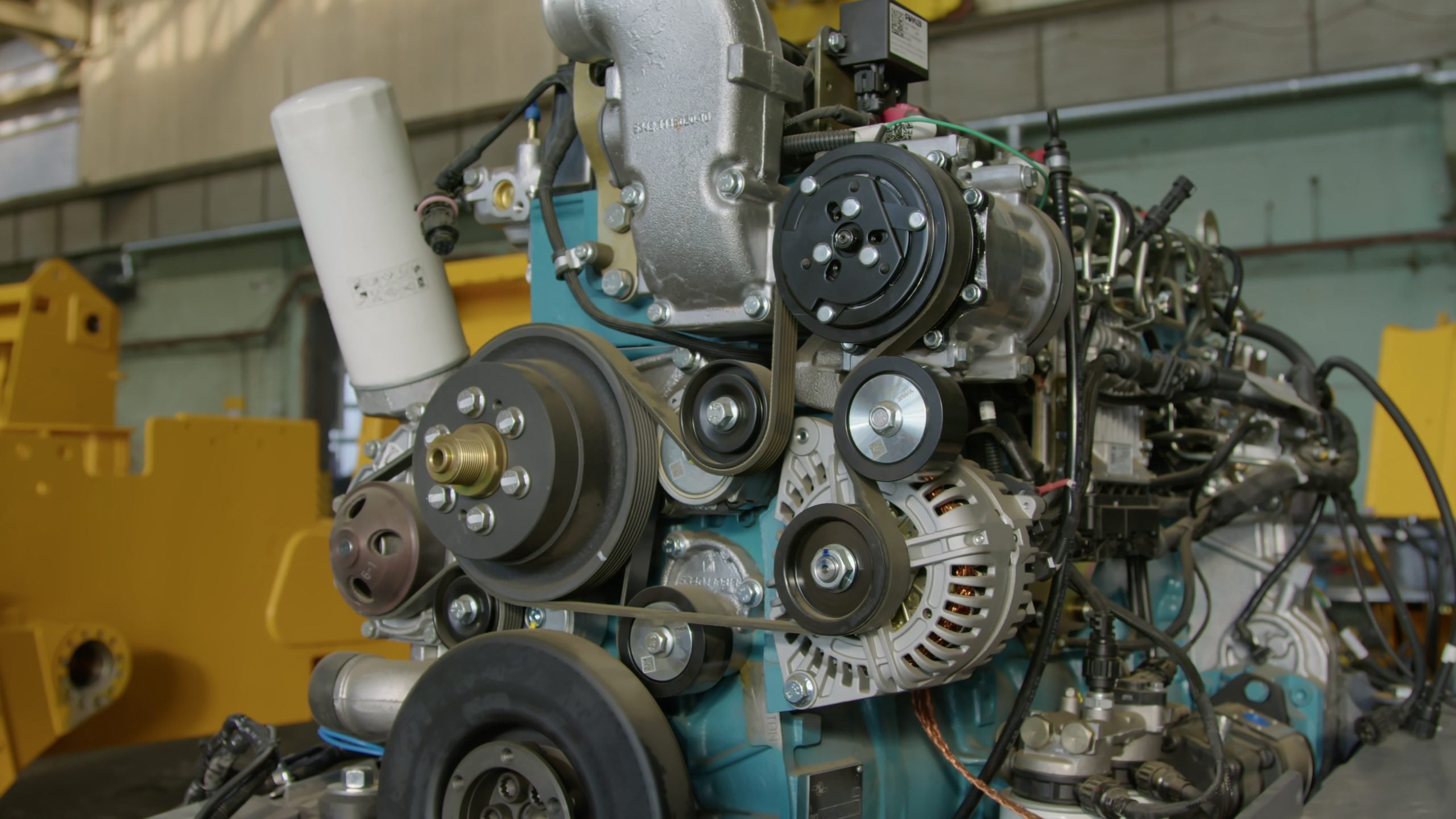
Car engine with exposed car belts

Car Belts Explained: A Beginner’s Guide

When it comes to vehicle maintenance, most Clermont drivers know about oil changes, tire rotations, and brake service. But what about car belts? Car belts play a critical role in keeping your engine and many of its essential systems running properly. While they may not get much attention, a worn or damaged car belt can leave you stranded on the side of the road, or even lead to costly repairs. At Toyota of Clermont, we believe every Clermont driver should have a basic understanding of the parts that keep their vehicle moving. Here’s a beginner friendly guide to the different car belts you may find under the hood, what they do, how to spot signs of wear, and when it’s time to have them inspected. Executive Summary Car belts keep your vehicle running smoothly: Car belts such as the serpentine belt and timing belt play essential roles in powering key engine components and maintaining proper engine performance. Different belts serve different purposes: The serpentine belt powers accessories like the alternator, air conditioning compressor, and power steering pump, while the timing belt keeps your engine's internal components synchronized. Recognize the warning signs of belt wear: Squealing noises, cracks, fraying, dashboard warning lights, engine overheating, and steering issues can all indicate it's time for a professional inspection. Routine inspections help prevent costly repairs: Replacing worn car belts before they fail can reduce the risk of breakdowns and expensive engine damage, especially in Florida's hot climate. Toyota of Clermont can help keep your vehicle reliable: Our factory-trained technicians can inspect your car belts during routine maintenance and recommend replacements when necessary to help keep your Toyota running its best. An Introduction to Car Belts Car belts are reinforced rubber belts designed to transfer power from your engine to other important components. As your engine runs, these belts spin pulleys that power various systems, helping everything operate smoothly. Modern engine belts are built to withstand heat, friction, and thousands of miles of driving, but they won’t last forever. As time passes, they can crack, stretch, wear down, or become damaged by the Clermont heat and age. Depending on your vehicle, you may have one or more of the following: Serpentine belt Timing belt (or a timing chain on many newer Toyota models) Drive belt Alternator belt Although some of these names are used interchangeably, each serves a different purpose. The Serpentine Belt: Powering Your Vehicle’s Essential Systems The serpentine belt is one of the most important car belts in modern vehicles. Unlike older vehicles that used separate belts, today’s cars often use a single serpentine belt to power multiple engine accessories. Your serpentine belt may power: The alternator The air conditioning compressor The power steering pump (when equipped) The water pump on some vehicles It’s called a serpentine belt because it snakes around several pulleys throughout the engine compartment. If your serpentine belt breaks while you’re driving, you’ll most likely notice problems almost immediately. Your battery may stop charging because the alternator is no longer operating. Your steering could become much more difficult if your vehicle uses hydraulic power steering, and your engine could overheat if the water pump is belt-driven. Most serpentine belts last between 60,000 and 100,000 miles, but regular inspections are the best way to determine their condition. Understanding the Time Belt While the serpentine belt powers accessories outside the engine, the timing belt has an entirely different job. A timing belt keeps the crankshaft and camshaft synchronized so your engine's valves open and close at exactly the right time. This precise timing is critical for proper engine performance. Unlike the serpentine belt, the timing belt can be found inside the engine behind protective covers, making it impossible to inspect during a quick glance under the hood. If a timing belt fails, the consequences can be serious. On many occasions, a broken timing belt can allow internal engine components to collide, potentially causing expensive engine damage. It’s worth noting that many newer Toyota models use a timing chain instead of a timing belt. Timing chains are generally designed to last much longer and often require less routine maintenance. Your owner’s manual or a Toyota service specialist can tell you whether your vehicle has a timing belt or timing chain. What’s the Difference Between a Drive Belt and an Alternator Belt? If you’ve heard someone mention a drive belt or alternator belt, don’t be confused. The term drive belt is often another name for the serpentine belt because it drives several engine accessories. Similarly, the term alternator belt comes from older vehicles that used a dedicated belt to power only the alternator. Today, most vehicles, including many Toyotas, use a single serpentine belt to power the alternator along with several other components. Although these names are still commonly used, they often refer to the same belt on modern vehicles. How to Tell If Your Car Belts Need Attention Since car belts wear gradually over time, it’s important to recognize the warning signs before one fails completely. Common symptoms of worn car belts include: Squealing or chirping noises from the engine Visible cracks or fraying Missing ribs on the belt A shiny or glazed appearance Dashboard battery warning light Air conditioning that suddenly stops working Difficulty steering (on vehicles with hydraulic power steering) Engine overheating Many of these symptoms don’t necessarily mean that the belt itself has failed. Sometimes the problem lies with a belt tensioner or pulley. That’s why it’s important to have your vehicle professionally inspected if you come across any unusual noises or warning signs. How Long Do Car Belts Last? There isn’t a single replacement schedule that applies to every vehicle. A serpentine belt should be inspected during routine maintenance and replaced whenever it shows signs of excessive wear and tear or it reaches the manufacturer’s recommended service interval. If your vehicle has a timing belt, it’s important to replace it according to the schedule listed in your owner’s manual. Waiting too long can increase the risk of major engine damage. Regular inspections are especially important in Clermont, where the high temperatures can cause rubber components to age more quickly over time. Why You Shouldn’t Ignore Car Belt Problems It can be very tempting to ignore a squealing belt for a few days or weeks, however, skipping these auto services can become much bigger ones if left unaddressed. A worn car belt can eventually snap without much warning, leaving you with a disabled vehicle and an unexpected repair bill. Replacing a car belt before it fails is almost always less expensive and more convenient, than dealing with a roadside breakdown. Schedule a Car Belt Inspection at Toyota of Clermont Whether you’re hearing an unusual noise or simply want peace of mind, our factory trained technicians at Toyota of Clermont are here to help. During routine maintenance, we can inspect your car belts, look for signs of wear and tear, and recommend replacements if needed. You can schedule service today by calling us at (352) 404-7000 or visit us in person just West of the Florida Turnpike at 16851 State Road 50. FAQs What does a serpentine belt do? A serpentine belt powers several important engine components, including the alternator, air conditioning compressor, power steering pump on many vehicles, and, in some models, the water pump. Is a drive belt the same as a serpentine belt? In most modern vehicles, yes. The term "drive belt" is commonly used to refer to the serpentine belt because it drives multiple engine accessories with a single car belt. Does every Toyota have a timing belt? No. Many newer Toyota models use a timing chain instead of a timing belt. Your owner's manual or a Toyota service technician can help you determine which system your vehicle has.

Toyota GR Supra driving on a race track

How Does a Turbocharger Work? Here’s Everything You Need To Know!

Updated on July 10, 2026 When you hear the word turbocharged, there’s a very good change you immediately think of speed, performance, and exciting acceleration. While that’s definitely part of the story, there is much more to a turbocharger than simply making a vehicle faster. Modern turbocharged engines are designed to improve both performance and efficiency, which is why they’ve become increasingly popular across the automotive industry. If you have ever wondered how a turbocharger works, or whether a turbocharged engine is right for your daily Clermont commute, Toyota of Clermont is here to break it all down. Executive Summary How Turbochargers Work: Learn how a turbocharger uses exhaust gases to compress incoming air, allowing the engine to produce more horsepower and torque without increasing its size. Performance and Efficiency Benefits: Discover why turbocharged engines offer quicker acceleration, improved towing capability, and the potential for better fuel economy compared to larger naturally aspirated engines. Turbocharger Comparisons: Explore the differences between turbocharged and naturally aspirated engines, as well as turbochargers vs. superchargers, to understand which technology best fits your driving needs. Reliability and Ownership: Find out how modern turbochargers are built for long-term reliability, what causes turbo lag, and the simple maintenance practices that help maximize engine life. Toyota Turbocharged Models: See how Toyota uses turbocharger technology to deliver an ideal balance of performance and efficiency across vehicles like the GR Supra and other modern Toyota models. Turbocharged Engines Explained Turbocharged engines have long been associated with performance vehicles like the Toyota GR Supra, but today you’ll find turbochargers in everything from sports cars to family SUVs and trucks. A turbocharger is a device that helps an engine produce more power by forcing extra compressed air into the combustion chamber. Since engines need a mixture of air and fuel to create power, increasing the amount of air available allows the engine to burn more fuel efficiently and generate more horsepower. This process allows manufacturers to build smaller engines than can deliver the performance of a larger engine while often maintaining better fuel economy. The Science Behind a Turbocharger One of the most common questions Clermont drivers ask is, how does a turbocharger work? The answer starts with your vehicle's exhaust system. When fuel burns inside the engine, exhaust gases are produced, In a naturally aspirated engine, those gases exit through the exhaust system. However, a turbocharged engine puts those gases to work. Here’s a breakdown of how a turbocharger works: The engine produces exhaust gases during combustion Those exhaust gases spin a turbine inside the turbocharger The turbine is connected to a compressor wheel The compressor pulls in outside air and compresses it The compressed air is forced into the engine’s combustion chambers More air allows more fuel to burn, creating additional power Essentially, the turbocharger recycles energy that would otherwise be wasted through the exhaust system. Why Do So Many Vehicles Use Turbochargers? Turbochargers has become increasingly popular because they help manufacturers achieve two main goals: Improved Performance The biggest benefit of a turbocharger is increased power. By forcing more air into the engine, the vehicles can produce significantly more horsepower and torque than a similarly sized naturally aspirated engine. This often results in: Faster acceleration Improved passing power Better towing capability Stronger overall performance Better Fuel Efficiency While many Clermont drivers focus on the performance aspect, turbochargers can also improve fuel economy. A smaller turbocharged engine often uses less fuel during everyday driving than a larger naturally aspirated engine because it doesn’t need as much displacement to create similar power levels. This concept is commonly referred to as “engine downsizing.” Turbocharged Engines vs. Naturally Aspirated Engines: What’s the Difference? To better understand the advantages of a turbocharger, it helps to compare it to a naturally aspirated engine. Naturally Aspirated Engines A naturally aspirated engine relies solely on atmospheric pressure to bring air into the combustion chambers. There are no devices compressing the incoming air. Benefits include: Simpler design Predictable power delivery Potentially lower maintenance costs over time Turbocharged Engines A turbocharged engine actively compresses incoming air using exhaust driven turbines. Benefits include: More power from a smaller engine Better torque at lower RPMs Potential fuel-efficiency gains Improved high-altitude performance Both engine types have their advantages, however turbocharged powertrains have become increasingly popular because they offer a strong balance between performance and efficiency. Turbocharger vs. Supercharger: What’s the Difference? Many Clermont drivers confuse turbochargers and superchargers because both are forms of forced induction. Historically, the term “supercharger” refers to any device that compresses air before it enters the engine. Today, turbochargers and superchargers are considered separate technologies. Turbocharger A turbocharger is powered by engine exhaust gases. Advantages: Uses otherwise wasted energy Generally more fuel efficient Produces significant power gains Disadvantages: Can experience turbo lag More complex plumbing and cooling systems Supercharger A supercharger is mechanically driven by the engine, usually through a belt connected to the crankshaft. Advantages: Instant power delivery No noticeable lag Disadvantages: Consumes engine power to operate Can reduce fuel efficiency Creates additional heat Twincharging Some specialty vehicles use both a turbocharger and a supercharger. This setup is known as twincharging and is designed to maximize power throughout the RPM range. Understanding Turbo Lag One of the biggest criticisms of turbocharged engines has traditionally been turbo lag. Turbo lag is the slight delay between pressing the accelerator pedal and the turbocharger producing its full boost. So why does this happen? Since a turbocharger relies on exhaust gases to spin its turbine, it takes a brief moment for enough exhaust pressure to build and generate maximum boost. Fortunately, modern turbocharger technology has greatly reduced this issue through: Smaller, faster-spooling turbos Variable geometry turbochargers Twin-scroll turbo designs Advanced engine management systems Many Clermont drivers barely notice turbo lag in today’s vehicles. Are Turbocharged Engines Built to Last? A common concern amongst Clermont shoppers is whether turbocharged engines are reliable. The good news is that modern turbochargers are engineered to last for many years when properly maintained. To help maximize turbocharger lifespan: Follow recommended oil change intervals Use the manufacturer-recommended oil grade Allow the engine to warm up before aggressive driving Keep up with routine maintenance Address check engine lights promptly Many turbocharged engines now regularly exceed 150,000 miles or more with proper maintenance and care. Benefits of a Turbocharged Engine If you’re considering a vehicle equipped with a turbocharger, here are some benefits you may notice behind the wheel: Stronger Acceleration Turbocharged engines often provide more low-end torque, making them feel responsive during city drives around Clermont and highway merging. Better Towing Capability Extra torque can be especially helpful when hauling cargo or towing trailers. Improved High-Altitude Performance Naturally aspirated engines lose power at higher elevations due to thinner air. Since turbochargers compress incoming air, it helps maintain performance in mountainous regions. Potential Fuel Savings Many turbocharged engines can deliver impressive fuel economy when driven conservatively. Toyota’s Turbocharger Performance Toyota enthusiasts often associate turbocharger performance with vehicles like the Toyota GR Supra. The current GR Supra utilizes a turbocharged inline-six engine that delivers impressive horsepower, quick acceleration, and engaging driving dynamics. However, turbocharging isn’t limited to sports cars. Across the automotive industry, turbocharged engines have become a key technology for balancing efficiency, emissions requirements, and performance expectations. Explore Turbocharged Toyota Models at Toyota of Clermont! Now that you know how does a turbocharger work, it’s easy to see why this technology has become so popular. A modern turbocharger helps deliver the best of both worlds: stronger performance and improved efficiency. Whether you’re interested in learning more about performance vehicles like the Toyota GR Supra or simply want expert advice about engine technology, come visit us in person at 16851 State Road 50 or give us a call at (352) 404-7000. FAQs 1. Does a turbocharger make a car faster? Yes, a turbocharger can make a car faster by forcing more compressed air into the engine, allowing it to burn more fuel and produce more horsepower and torque. This often results in quicker acceleration, stronger passing power, and improved overall performance compared to a similar naturally aspirated engine. 2. How does a turbocharger work differently from a supercharger? The biggest difference is how they're powered. A turbocharger uses exhaust gases to spin a turbine that compresses incoming air, while a supercharger is driven directly by the engine through a belt. Turbochargers are generally more fuel-efficient because they use otherwise wasted exhaust energy, while superchargers deliver instant power but place an additional load on the engine. 3. Do turbocharged engines require special maintenance? Turbocharged engines don't require extensive special maintenance, but they do benefit from consistent care. Following the manufacturer's recommended oil change intervals, using the correct oil grade, and keeping up with routine maintenance can help extend the life of both the turbocharger and the engine.

Toyota GR Supra driving on a race track

How Does a Turbocharger Work? Here’s Everything You Need To Know!

Updated on July 10, 2026 When you hear the word turbocharged, there’s a very good change you immediately think of speed, performance, and exciting acceleration. While that’s definitely part of the story, there is much more to a turbocharger than simply making a vehicle faster. Modern turbocharged engines are designed to improve both performance and efficiency, which is why they’ve become increasingly popular across the automotive industry. If you have ever wondered how a turbocharger works, or whether a turbocharged engine is right for your daily Clermont commute, Toyota of Clermont is here to break it all down. Executive Summary How Turbochargers Work: Learn how a turbocharger uses exhaust gases to compress incoming air, allowing the engine to produce more horsepower and torque without increasing its size. Performance and Efficiency Benefits: Discover why turbocharged engines offer quicker acceleration, improved towing capability, and the potential for better fuel economy compared to larger naturally aspirated engines. Turbocharger Comparisons: Explore the differences between turbocharged and naturally aspirated engines, as well as turbochargers vs. superchargers, to understand which technology best fits your driving needs. Reliability and Ownership: Find out how modern turbochargers are built for long-term reliability, what causes turbo lag, and the simple maintenance practices that help maximize engine life. Toyota Turbocharged Models: See how Toyota uses turbocharger technology to deliver an ideal balance of performance and efficiency across vehicles like the GR Supra and other modern Toyota models. Turbocharged Engines Explained Turbocharged engines have long been associated with performance vehicles like the Toyota GR Supra, but today you’ll find turbochargers in everything from sports cars to family SUVs and trucks. A turbocharger is a device that helps an engine produce more power by forcing extra compressed air into the combustion chamber. Since engines need a mixture of air and fuel to create power, increasing the amount of air available allows the engine to burn more fuel efficiently and generate more horsepower. This process allows manufacturers to build smaller engines than can deliver the performance of a larger engine while often maintaining better fuel economy. The Science Behind a Turbocharger One of the most common questions Clermont drivers ask is, how does a turbocharger work? The answer starts with your vehicle's exhaust system. When fuel burns inside the engine, exhaust gases are produced, In a naturally aspirated engine, those gases exit through the exhaust system. However, a turbocharged engine puts those gases to work. Here’s a breakdown of how a turbocharger works: The engine produces exhaust gases during combustion Those exhaust gases spin a turbine inside the turbocharger The turbine is connected to a compressor wheel The compressor pulls in outside air and compresses it The compressed air is forced into the engine’s combustion chambers More air allows more fuel to burn, creating additional power Essentially, the turbocharger recycles energy that would otherwise be wasted through the exhaust system. Why Do So Many Vehicles Use Turbochargers? Turbochargers has become increasingly popular because they help manufacturers achieve two main goals: Improved Performance The biggest benefit of a turbocharger is increased power. By forcing more air into the engine, the vehicles can produce significantly more horsepower and torque than a similarly sized naturally aspirated engine. This often results in: Faster acceleration Improved passing power Better towing capability Stronger overall performance Better Fuel Efficiency While many Clermont drivers focus on the performance aspect, turbochargers can also improve fuel economy. A smaller turbocharged engine often uses less fuel during everyday driving than a larger naturally aspirated engine because it doesn’t need as much displacement to create similar power levels. This concept is commonly referred to as “engine downsizing.” Turbocharged Engines vs. Naturally Aspirated Engines: What’s the Difference? To better understand the advantages of a turbocharger, it helps to compare it to a naturally aspirated engine. Naturally Aspirated Engines A naturally aspirated engine relies solely on atmospheric pressure to bring air into the combustion chambers. There are no devices compressing the incoming air. Benefits include: Simpler design Predictable power delivery Potentially lower maintenance costs over time Turbocharged Engines A turbocharged engine actively compresses incoming air using exhaust driven turbines. Benefits include: More power from a smaller engine Better torque at lower RPMs Potential fuel-efficiency gains Improved high-altitude performance Both engine types have their advantages, however turbocharged powertrains have become increasingly popular because they offer a strong balance between performance and efficiency. Turbocharger vs. Supercharger: What’s the Difference? Many Clermont drivers confuse turbochargers and superchargers because both are forms of forced induction. Historically, the term “supercharger” refers to any device that compresses air before it enters the engine. Today, turbochargers and superchargers are considered separate technologies. Turbocharger A turbocharger is powered by engine exhaust gases. Advantages: Uses otherwise wasted energy Generally more fuel efficient Produces significant power gains Disadvantages: Can experience turbo lag More complex plumbing and cooling systems Supercharger A supercharger is mechanically driven by the engine, usually through a belt connected to the crankshaft. Advantages: Instant power delivery No noticeable lag Disadvantages: Consumes engine power to operate Can reduce fuel efficiency Creates additional heat Twincharging Some specialty vehicles use both a turbocharger and a supercharger. This setup is known as twincharging and is designed to maximize power throughout the RPM range. Understanding Turbo Lag One of the biggest criticisms of turbocharged engines has traditionally been turbo lag. Turbo lag is the slight delay between pressing the accelerator pedal and the turbocharger producing its full boost. So why does this happen? Since a turbocharger relies on exhaust gases to spin its turbine, it takes a brief moment for enough exhaust pressure to build and generate maximum boost. Fortunately, modern turbocharger technology has greatly reduced this issue through: Smaller, faster-spooling turbos Variable geometry turbochargers Twin-scroll turbo designs Advanced engine management systems Many Clermont drivers barely notice turbo lag in today’s vehicles. Are Turbocharged Engines Built to Last? A common concern amongst Clermont shoppers is whether turbocharged engines are reliable. The good news is that modern turbochargers are engineered to last for many years when properly maintained. To help maximize turbocharger lifespan: Follow recommended oil change intervals Use the manufacturer-recommended oil grade Allow the engine to warm up before aggressive driving Keep up with routine maintenance Address check engine lights promptly Many turbocharged engines now regularly exceed 150,000 miles or more with proper maintenance and care. Benefits of a Turbocharged Engine If you’re considering a vehicle equipped with a turbocharger, here are some benefits you may notice behind the wheel: Stronger Acceleration Turbocharged engines often provide more low-end torque, making them feel responsive during city drives around Clermont and highway merging. Better Towing Capability Extra torque can be especially helpful when hauling cargo or towing trailers. Improved High-Altitude Performance Naturally aspirated engines lose power at higher elevations due to thinner air. Since turbochargers compress incoming air, it helps maintain performance in mountainous regions. Potential Fuel Savings Many turbocharged engines can deliver impressive fuel economy when driven conservatively. Toyota’s Turbocharger Performance Toyota enthusiasts often associate turbocharger performance with vehicles like the Toyota GR Supra. The current GR Supra utilizes a turbocharged inline-six engine that delivers impressive horsepower, quick acceleration, and engaging driving dynamics. However, turbocharging isn’t limited to sports cars. Across the automotive industry, turbocharged engines have become a key technology for balancing efficiency, emissions requirements, and performance expectations. Explore Turbocharged Toyota Models at Toyota of Clermont! Now that you know how does a turbocharger work, it’s easy to see why this technology has become so popular. A modern turbocharger helps deliver the best of both worlds: stronger performance and improved efficiency. Whether you’re interested in learning more about performance vehicles like the Toyota GR Supra or simply want expert advice about engine technology, come visit us in person at 16851 State Road 50 or give us a call at (352) 404-7000. FAQs 1. Does a turbocharger make a car faster? Yes, a turbocharger can make a car faster by forcing more compressed air into the engine, allowing it to burn more fuel and produce more horsepower and torque. This often results in quicker acceleration, stronger passing power, and improved overall performance compared to a similar naturally aspirated engine. 2. How does a turbocharger work differently from a supercharger? The biggest difference is how they're powered. A turbocharger uses exhaust gases to spin a turbine that compresses incoming air, while a supercharger is driven directly by the engine through a belt. Turbochargers are generally more fuel-efficient because they use otherwise wasted exhaust energy, while superchargers deliver instant power but place an additional load on the engine. 3. Do turbocharged engines require special maintenance? Turbocharged engines don't require extensive special maintenance, but they do benefit from consistent care. Following the manufacturer's recommended oil change intervals, using the correct oil grade, and keeping up with routine maintenance can help extend the life of both the turbocharger and the engine.

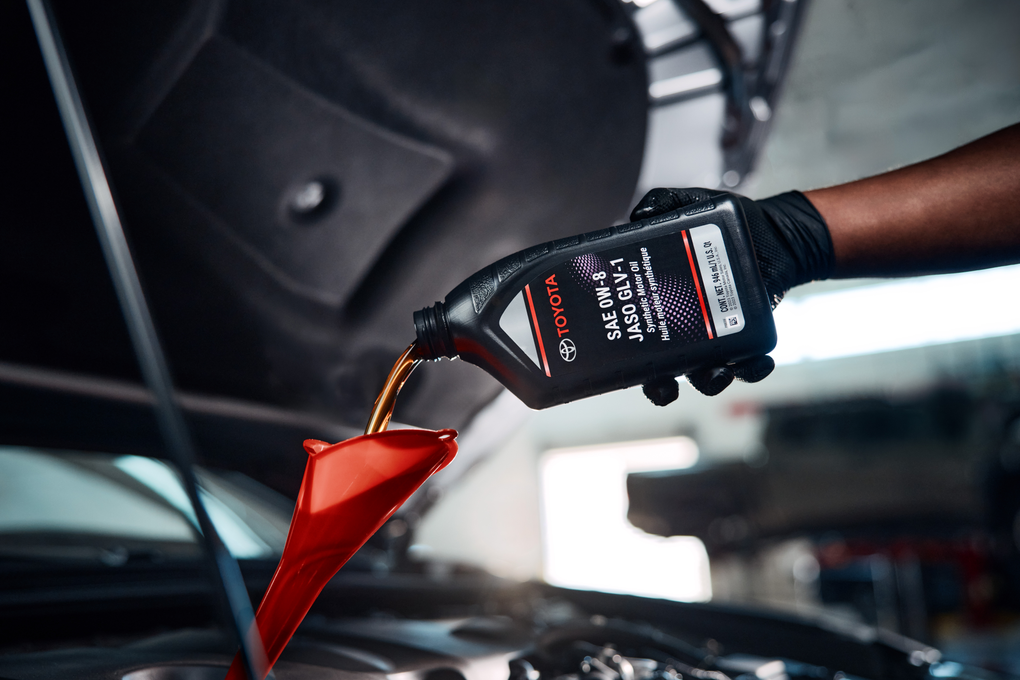
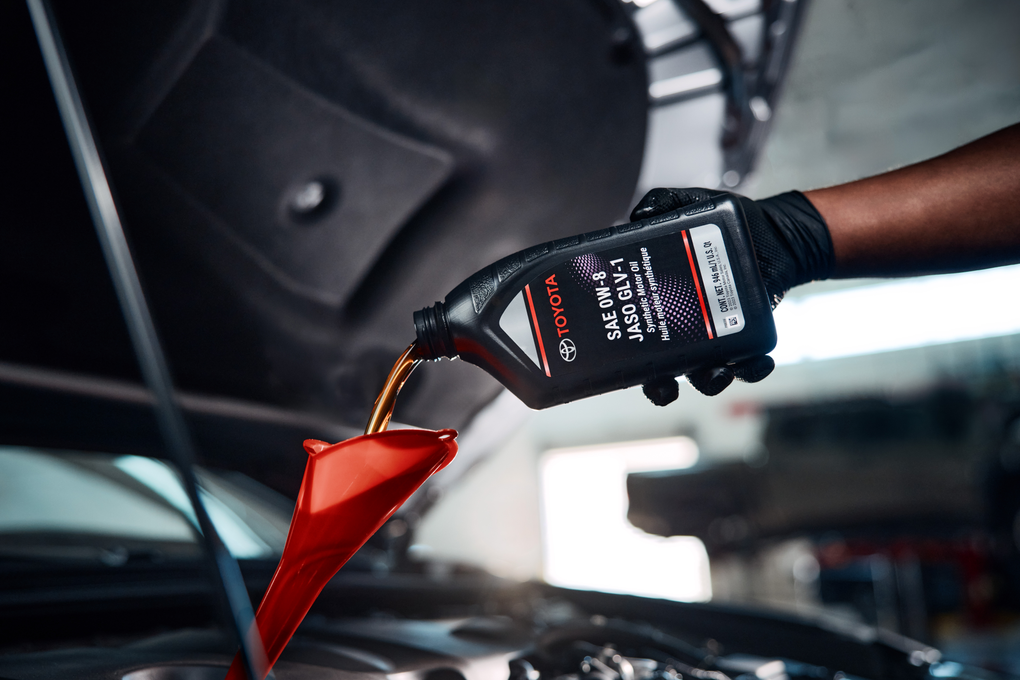
Close up shot of someone pouring engine oil

What Does Your Engine Oil Color Say About Your Vehicle’s Health?

Updated on July 3, 2026 If you’re constantly staying on top of your car’s health, then you know how important oil changes are for its overall well being. Oil changes are one of the most frequent auto services you’ll schedule for your vehicles. However, even if you get an oil change schedule with Toyota of Clermont and stick to a routine, it’s still very crucial to pay attention to what's happening in between your appointments. By checking up on your engine oil regularly and pulling out the dipstick, you can learn a lot about your car’s health. One of the easiest clues to spot is your engine oil color. While color alone won’t tell you the whole story, it can provide valuable insight into your engine’s condition and whether or not it's time to come in for service at Toyota of Clermont. Executive Summary Engine Oil Color Can Reveal Engine Health: Learn what different engine oil colors mean and how they can help identify potential maintenance needs or early signs of engine problems. Know What Each Oil Color Indicates: Discover the difference between healthy amber oil, dark or black oil, milky oil caused by coolant contamination, and frothy oil that may signal water intrusion. Watch for Other Warning Signs: Engine noise, reduced fuel economy, burning oil smells, exhaust smoke, and dashboard warning lights can all indicate it's time for an oil change or inspection. Regular Oil Checks Help Prevent Costly Repairs: Checking your engine oil level and color once a month or before long Clermont road trips can help catch issues early and keep your engine running smoothly. Follow Your Recommended Oil Change Schedule: While oil color is a helpful indicator, always follow your vehicle's maintenance schedule and consult the Toyota of Clermont service team for expert care. How to Read Your Engine Oil Color Engine oil has one of the toughest jobs in your vehicle. It lubricates moving engine components, helps regulate temperature, reduces friction, and captures dirt and contaminants. As time passes, heat and debris naturally change the appearance of your engine oil color. Understanding what different engine oil color changes mean can help you identify potential problems before they become expensive repairs. #1: Caramel, Amber or Tan Engine Oil Color Caramel, Amber or Tan engine oil means you're in good shape. This is the engine oil color you want to see when you pull out the dipstick. Fresh motor oil typically starts out as a clear amber, caramel, or honey like color. As long as the oil level falls between the two marks on the dipstick, your vehicle is likely operating normally. Different oil brands and formulations may vary slightly in appearance, but a clean amber engine oil color is a sign that your oil is still doing its job effectively. It’s still important to follow your manufacturer's recommended oil change intervals, even if the engine oil color is healthy. Modern synthetic oils can last much longer than conventional oils, but they eventually break down over time. #2 Dark Brown or Black Engine Oil Color If your engine oil color looks dark brown or black, it might be time for an oil change. Many Clermont drivers panic when they see dark oil, but darker oil isn’t always bad. In fact, oil naturally darkens as it circulates through your engine and collects contaminants. However, if your engine oil color is very dark and appears gritty, thick, or dirty, it could indicate that the oil is overdue for a replacement. Some signs that accompany dirty oil include: Increased engine noise Reduced fuel efficiency Rough engine performance Oil warning lights Burnt oil smell Running dirty oil through your engine can increase the wear on critical components. If your engine oil color appears extremely dark or contains visible debris, it’s a good idea to schedule service at Toyota of Clermont. #3 Creamy or Milky Engine Oil Color If your engine oil color is creamy or milky, there’s probably moisture mixing with the oil. A creamy, tan, or milkshake like engine oil color is never something you want to see. This often means coolant is leaking into the engine oil system. One of the most common causes of this creamy or milky engine oil color is a failing head gasket. The head gasket seals the engine block and cylinder head, which prevents coolant and oil from mixing. When it begins to fail, coolant can enter the oil passages, creating a milky appearance. Other symptoms may include: White smoke from the exhaust Overheating Rapid coolant loss Sweet smell from the exhaust Poor engine performance Since coolant contaminations can cause severe engine damage, you should schedule service immediately if you notice this type of engine oil color. #4 Milky and Frothy Engine Oil Color If you see a milky and frothy engine oil color, then water contamination may be present. Texture matters just as much as color. If your motor oil looks creamy and also has a frothy or foamy consistency, moisture has likely entered your vehicle's lubrication system. In some cases, short trips around Clermont don't allow the engine to fully warm up and can create condensation inside the engine. However, excessive foaming and forth can indicate a larger issue that requires professional diagnosis. Potential causes include: Water contamination Coolant leaks Condensation buildup Faulty engine seals Ignoring contaminated motor oil can lead to corrosion, poor lubrication, and premature engine wear. When in doubt, have your vehicle inspected by a certified technician. Why You Should Monitor Your Engine Oil Color Checking your engine oil color only takes a few minutes and can provide an early warning for developing problems. Ideally, you should inspect your engine oil color: Once a month Before long road trips After noticing unusual engine performance If dashboard warning lights appear To check you engine oil color properly: Park on level ground Turn the engine off and allow it to cool for several minutes Remove the dipstick and wipe it clean Reinsert the dipstick fully Pull it out again and inspect both the oil level and engine oil color While color can provide useful clues, it shouldn’t be the only factor you use to determine when an oil change is needed. Mileage, driving conditions, vehicle age, and manufacturer recommendations all play important roles. Other Signs It’s Time for an Oil Change Even if your engine oil color doesn’t look concerning, watch out for these additional indicators: Oil Change Reminder Light Modern vehicles monitor oil life and will alert you whenever service is approaching Increased Engine Noise Oil lubricates moving parts. When it breaks down, you may start to notice ticking, knocking, or increased engine noise Reduced Fuel Economy Dirty oil forces the engine to work harder, which might negatively affect gas mileage Burning Oil Smell An unusual oil odor may indicate leaks or overheating Excessive Exhaust Smoke Visible smoke from the exhaust can point to oil consumption or internal engine issues When Is It Time for an Oil Change? When it comes to changing your engine oil, intervals can vary based on vehicle and oil type. Many modern Toyota models using synthetic oil can go anywhere from 7.500 and 10,000 miles between oil changes under normal driving conditions. However, vehicles driven in severe conditions, such as heavy traffic, towing, frequent short trips around Clermont, or extreme temperatures, may require more frequent service. The best source for your vehicle’s specific maintenance schedule is your owners manual or the service experts at Toyota of Clermont. Schedule Your Next Oil Change at Toyota of Clermont! Need help decoding your engine oil color? Whether your engine oil looks darker than normal, appears milky, or you’re simply due for routine maintenance, the Toyota of Clermont service team is here to help. Call us today at (352) 404 7000 or visit us in person at 16851 State Road 50, just west of the Florida Turnpike. FAQs What is the normal engine oil color? Fresh engine oil is typically a clear amber, caramel, or honey-like color. As it circulates through the engine, it naturally darkens while collecting dirt and contaminants. As long as the oil level is correct and the oil isn't gritty, milky, or excessively thick, a gradual color change is usually normal. Does black engine oil always mean I need an oil change? No. Engine oil naturally becomes darker over time as it cleans and protects your engine. However, if the oil appears very thick, gritty, or pitch black and your vehicle is due for maintenance, it's a good idea to schedule an oil change at Toyota of Clermont. Always follow your vehicle's recommended service intervals rather than relying on color alone. Why does my engine oil look milky? Milky or creamy engine oil usually means moisture or coolant has mixed with the oil. This is commonly caused by a failing head gasket, but it can also result from condensation or other cooling system issues. Because contaminated oil can lead to serious engine damage, you should have your vehicle inspected by a certified Toyota of Clermont technician as soon as possible.

Close up shot of someone pouring engine oil

What Does Your Engine Oil Color Say About Your Vehicle’s Health?

Updated on July 3, 2026 If you’re constantly staying on top of your car’s health, then you know how important oil changes are for its overall well being. Oil changes are one of the most frequent auto services you’ll schedule for your vehicles. However, even if you get an oil change schedule with Toyota of Clermont and stick to a routine, it’s still very crucial to pay attention to what's happening in between your appointments. By checking up on your engine oil regularly and pulling out the dipstick, you can learn a lot about your car’s health. One of the easiest clues to spot is your engine oil color. While color alone won’t tell you the whole story, it can provide valuable insight into your engine’s condition and whether or not it's time to come in for service at Toyota of Clermont. Executive Summary Engine Oil Color Can Reveal Engine Health: Learn what different engine oil colors mean and how they can help identify potential maintenance needs or early signs of engine problems. Know What Each Oil Color Indicates: Discover the difference between healthy amber oil, dark or black oil, milky oil caused by coolant contamination, and frothy oil that may signal water intrusion. Watch for Other Warning Signs: Engine noise, reduced fuel economy, burning oil smells, exhaust smoke, and dashboard warning lights can all indicate it's time for an oil change or inspection. Regular Oil Checks Help Prevent Costly Repairs: Checking your engine oil level and color once a month or before long Clermont road trips can help catch issues early and keep your engine running smoothly. Follow Your Recommended Oil Change Schedule: While oil color is a helpful indicator, always follow your vehicle's maintenance schedule and consult the Toyota of Clermont service team for expert care. How to Read Your Engine Oil Color Engine oil has one of the toughest jobs in your vehicle. It lubricates moving engine components, helps regulate temperature, reduces friction, and captures dirt and contaminants. As time passes, heat and debris naturally change the appearance of your engine oil color. Understanding what different engine oil color changes mean can help you identify potential problems before they become expensive repairs. #1: Caramel, Amber or Tan Engine Oil Color Caramel, Amber or Tan engine oil means you're in good shape. This is the engine oil color you want to see when you pull out the dipstick. Fresh motor oil typically starts out as a clear amber, caramel, or honey like color. As long as the oil level falls between the two marks on the dipstick, your vehicle is likely operating normally. Different oil brands and formulations may vary slightly in appearance, but a clean amber engine oil color is a sign that your oil is still doing its job effectively. It’s still important to follow your manufacturer's recommended oil change intervals, even if the engine oil color is healthy. Modern synthetic oils can last much longer than conventional oils, but they eventually break down over time. #2 Dark Brown or Black Engine Oil Color If your engine oil color looks dark brown or black, it might be time for an oil change. Many Clermont drivers panic when they see dark oil, but darker oil isn’t always bad. In fact, oil naturally darkens as it circulates through your engine and collects contaminants. However, if your engine oil color is very dark and appears gritty, thick, or dirty, it could indicate that the oil is overdue for a replacement. Some signs that accompany dirty oil include: Increased engine noise Reduced fuel efficiency Rough engine performance Oil warning lights Burnt oil smell Running dirty oil through your engine can increase the wear on critical components. If your engine oil color appears extremely dark or contains visible debris, it’s a good idea to schedule service at Toyota of Clermont. #3 Creamy or Milky Engine Oil Color If your engine oil color is creamy or milky, there’s probably moisture mixing with the oil. A creamy, tan, or milkshake like engine oil color is never something you want to see. This often means coolant is leaking into the engine oil system. One of the most common causes of this creamy or milky engine oil color is a failing head gasket. The head gasket seals the engine block and cylinder head, which prevents coolant and oil from mixing. When it begins to fail, coolant can enter the oil passages, creating a milky appearance. Other symptoms may include: White smoke from the exhaust Overheating Rapid coolant loss Sweet smell from the exhaust Poor engine performance Since coolant contaminations can cause severe engine damage, you should schedule service immediately if you notice this type of engine oil color. #4 Milky and Frothy Engine Oil Color If you see a milky and frothy engine oil color, then water contamination may be present. Texture matters just as much as color. If your motor oil looks creamy and also has a frothy or foamy consistency, moisture has likely entered your vehicle's lubrication system. In some cases, short trips around Clermont don't allow the engine to fully warm up and can create condensation inside the engine. However, excessive foaming and forth can indicate a larger issue that requires professional diagnosis. Potential causes include: Water contamination Coolant leaks Condensation buildup Faulty engine seals Ignoring contaminated motor oil can lead to corrosion, poor lubrication, and premature engine wear. When in doubt, have your vehicle inspected by a certified technician. Why You Should Monitor Your Engine Oil Color Checking your engine oil color only takes a few minutes and can provide an early warning for developing problems. Ideally, you should inspect your engine oil color: Once a month Before long road trips After noticing unusual engine performance If dashboard warning lights appear To check you engine oil color properly: Park on level ground Turn the engine off and allow it to cool for several minutes Remove the dipstick and wipe it clean Reinsert the dipstick fully Pull it out again and inspect both the oil level and engine oil color While color can provide useful clues, it shouldn’t be the only factor you use to determine when an oil change is needed. Mileage, driving conditions, vehicle age, and manufacturer recommendations all play important roles. Other Signs It’s Time for an Oil Change Even if your engine oil color doesn’t look concerning, watch out for these additional indicators: Oil Change Reminder Light Modern vehicles monitor oil life and will alert you whenever service is approaching Increased Engine Noise Oil lubricates moving parts. When it breaks down, you may start to notice ticking, knocking, or increased engine noise Reduced Fuel Economy Dirty oil forces the engine to work harder, which might negatively affect gas mileage Burning Oil Smell An unusual oil odor may indicate leaks or overheating Excessive Exhaust Smoke Visible smoke from the exhaust can point to oil consumption or internal engine issues When Is It Time for an Oil Change? When it comes to changing your engine oil, intervals can vary based on vehicle and oil type. Many modern Toyota models using synthetic oil can go anywhere from 7.500 and 10,000 miles between oil changes under normal driving conditions. However, vehicles driven in severe conditions, such as heavy traffic, towing, frequent short trips around Clermont, or extreme temperatures, may require more frequent service. The best source for your vehicle’s specific maintenance schedule is your owners manual or the service experts at Toyota of Clermont. Schedule Your Next Oil Change at Toyota of Clermont! Need help decoding your engine oil color? Whether your engine oil looks darker than normal, appears milky, or you’re simply due for routine maintenance, the Toyota of Clermont service team is here to help. Call us today at (352) 404 7000 or visit us in person at 16851 State Road 50, just west of the Florida Turnpike. FAQs What is the normal engine oil color? Fresh engine oil is typically a clear amber, caramel, or honey-like color. As it circulates through the engine, it naturally darkens while collecting dirt and contaminants. As long as the oil level is correct and the oil isn't gritty, milky, or excessively thick, a gradual color change is usually normal. Does black engine oil always mean I need an oil change? No. Engine oil naturally becomes darker over time as it cleans and protects your engine. However, if the oil appears very thick, gritty, or pitch black and your vehicle is due for maintenance, it's a good idea to schedule an oil change at Toyota of Clermont. Always follow your vehicle's recommended service intervals rather than relying on color alone. Why does my engine oil look milky? Milky or creamy engine oil usually means moisture or coolant has mixed with the oil. This is commonly caused by a failing head gasket, but it can also result from condensation or other cooling system issues. Because contaminated oil can lead to serious engine damage, you should have your vehicle inspected by a certified Toyota of Clermont technician as soon as possible.

2026 Toyota Tacoma driving through rugged and wet terrain

2026 Toyota Tacoma vs 2026 Chevrolet Colorado: Which Midsize Truck is Right for You?

The midsize truck segment has become increasingly competitive, but two models consistently attract attention from truck shoppers: the 2026 Toyota Tacoma and the 2026 Chevrolet Colorado. Both trucks offer rugged styling, strong towing capability, modern technology, and off-road-ready trims. However, when you take a closer look at performance, efficiency, safety, technology, and overall value, the 2026 Toyota Tacoma offers several advantages that make it an attractive choice for a wide range of Clermont drivers. Whether you're looking for a truck to conquer weekend Clermont adventures, handle jobsite duties, or serve as a comfortable daily driver, understanding the differences between these two midsize trucks can help you make the right decision. Executive Summary More Powertrain Choices: The 2026 Toyota Tacoma offers both a turbocharged i-FORCE engine and the available i-FORCE MAX hybrid powertrain, giving Clermont drivers access to impressive performance, exceptional torque, and improved efficiency that the Chevrolet Colorado cannot match. Greater Versatility and Off-Road Capability: With a wider range of trims, including the TRD Off-Road, Trailhunter, and TRD Pro, the Tacoma provides more specialized options for work, daily driving, and off-road adventures than the Colorado lineup. Advanced Technology and Safety: The Tacoma features available technologies like a 14-inch touchscreen, digital key capability, and Toyota Safety Sense™ 3.0, delivering a comprehensive package of convenience, connectivity, and driver-assistance features. Strong Long-Term Value: Toyota's reputation for reliability, durability, and strong resale value helps make the Tacoma a smart investment for drivers seeking a truck built to last for years and miles to come. Well-Rounded Everyday Performance: While the Colorado offers higher maximum towing capacity, the Tacoma delivers a balanced combination of capability, efficiency, comfort, and advanced features that make it an excellent choice for a wide variety of Clermont lifestyles. Price and Value THe 2026 Toyota Tacoma offers one of the broadest trim lineups in the midsize truck segment, allowing Clermont buyers to choose from practical work-oriented models, well-equipped daily drivers, and highly capable off-road variants. Popular Tacoma trims include: SR SR5 TRD PreRunner TRD Off-Road Limited Trailhunter TRD PRO The Colorado lineup is somewhat simpler, consisting of: WT LT Trail Boss Z71 ZR2 Both trucks are competitively priced with the 2026 Toyota Tacoma starting at ~$33,000 MSRP and the 2026 Chevrolet Colorado starting at ~$32,000 MSRP. However, Toyota provides more flexibility with multiple cab, drivetrain, and powertrain options. Clermont buyers looking for maximum capability or premium features often find the Tacoma lineup provides more customization options. In addition, Toyota’s strong reputation for reliability and resale value continues to be a major advantage. Historically, Tacoma models have retained their value exceptionally well, helping offset ownership costs over time. Performance and Powertrain Options One of the biggest differences between the 2026 Toyota Tacoma and Colorado comes under the hood. 2026 Toyota Tacoma The Tacoma offers two powertrain options i-FORCE Turbocharged 2.4L Four-Cylinder Up to 278 horsepower Up to 317 lb-ft of torque Available 8-speed automatic transmission i-FORCE MAX Hybrid Powertrain 326 horsepower 465 lb-ft of torque The available i-FORCE MAX hybrid system gives the 2026 Toyota Tacoma a significant torque advantage over nearly every competitor in the midsize truck segment, while also improving efficiency. 2026 Chevrolet Colorado The Colorado uses a single turbocharged 2.7-liter four-cylinder engine: 310 horsepower 430 Ib-ft of torque 8-speed automatic transmission While the Colorado delivers impressive power, it lacks a hybrid option. Clermont drivers seeking maximum low-end torque, improved fuel economy, and future-focused technology, may find the 2026 Toyota Tacoma’s hybrid powertrain especially appealing. Off-Road Capability Both trucks offer specialized off-road trims, but Toyota provides some of the most advanced factory-built off-road packages available: 2026 Toyota Tacoma highlights include: TRD Off-Road TRD Pro Trailhunter Multi-Terrain Select Crawl Control Stabilizer Disconnect Mechanism FOX® suspension on select trims ARB® accessories on Trailhunter The Colorado counters with: Trail Boss Z71 ZR2 Multimatic DSSV dampers on ZR2 The Colorado ZR2 is highly capable, but Toyota’s combination of TRD Pro and Trailhunter models gives Clermont buyers more specialized options on whether they prioritize high-speed desert running or overlanding adventures. Towing and Payload One of the main topics Clermont truck shoppers compare is towing capability. 2026 Toyota Tacoma The Tacoma offers: Up to 6,500 pounds of towing capacity Up to approximately 1,700+ pounds of payload Chevrolet Colorado The Colorado offers: Up to 7,700 pounds of towing capacity Up to approximately 1,685 pounds of payload The Colorado holds an advantage in maximum towing capacity. However, many Clermont truck buyers never approach those limits, making the 2026 Toyota Tacoma’s capabilities more than sufficient for campers, boats, utility trailers, and recreational equipment. For many Clermont drivers, the Tacoma’s balance of efficiency, capability, and everyday drive-ability may prove more valuable than maximum tow ratings alone. Interior Comfort and Design Toyota has completely redesigned the Tacoma’s interior, bringing major improvements in comfort, materials, and usability. 2026 Toyota Tacoma Interior Heated and ventilated front seats Power-adjustable front seats SofTex®-trimmed seating Leather-trimmed seating Panoramic View Monitor Digital rearview mirror Available power tailgate Available power open-and-close tailgate Toyota’s cabin design focuses on durability while maintaining a modern and upscale feel, particularly in the Limited, TRD Pro, and Trailhunter trims. 2026 Chevrolet Colorado Interior Available heated seats Available ventilated seats Wireless charging Premium materials on upper trims Digital instrumentation Both midsize trucks provide comfortable accommodations, but Toyota’s higher-end trims generally deliver a more premium feel and a wider range of available interior options. Technology Features Technology has become a major deciding factor for Clermont truck buyers, and both the 2026 Toyota Tacoma and the Colorado are packed with modern features. 2026 Toyota Tacoma Technology 8-inch or 14-inch Toyota Audio Multimedia touchscreen Wireless Apple CarPlay® Wireless Android Auto™ Available JBL® premium audio system Cloud-based navigation Over-the-air software updates Digital key capability 12.3-inch digital gauge cluster Toyota’s multimedia system is among the most user-friendly in the entire industry, featuring fast response times and intuitive controls. 2026 Chevrolet Colorado Technology 11.3-inch touchscreen 11-inch digital driver display Wireless Apple CarPlay® Wireless Android Auto™ Google Built-in compatibility Available Bose® audio system While Chevrolet offers a strong technology package, the 2026 Toyota Tacoma’s available 14-inch touchscreen and broader technology options help it remain highly competitive. Safety Features Safety remains one of Toyota’s strongest advantages. With the help of Toyota Safety Sense™ 3.0, the 2026 Toyota Tacoma remains one of the safest midsize trucks on the market. Toyota Safety Sense™ 3.0 includes: Pre-Collision System with Pedestrian Detection Full-Speed Range Dynamic Radar Cruise Control Lane Departure Alert with Steering Assist Lane Tracing Assist Road Sign Assist Automatic High Beams Proactive Driving Assist Additional available features include: Blind Spot Monitor Rear Cross-Traffic Alert Front and Rear Parking Assist Panoramic View Monitor Chevrolet Safety Assist Automatic Emergency Braking Forward Collision Alert Front Pedestrian Braking Lane Keep Assist Following Distance Indicator IntelliBeam® automatic headlights Both trucks offer strong technology, but the 2026 Toyota Tacoma provides one of the industry’s most comprehensive standard safety suites across the entire lineup. Fuel Efficiency Fuel economy continues to be one of the main factors for Clermont truck buyers 2026 Toyota Tacoma Estimated fuel economy varies by configuration, but the available hybrid powertrain helps the 2026 Toyota Tacoma achieve some of the strongest efficiency figures in the midsize truck segment. Benefits include: Gas-powered Tacoma: Up to ~23 MPG combined (21 city / 26 highway) i-FORCE Max Hybrid: Up to ~23 MPG combined (22 city / 24 highway) Exceptional low-end torque Reduced fuel costs over time Available hybrid technology 2026 Chevrolet Colorado The Colorado delivers respectable fuel economy from its turbocharged engine, however it lacks a hybrid option. Benefits include: Up to ~22 MPG combined (20 city / 24 highway) depending on drivetrain configuration While Chevrolet has improved its reliability in recent years, the 2026 Toyota Tacoma continues to be a leader for truck longevity. Many Clermont owners keep their Tacomas well beyond 200,000 miles, contributing to consistently strong resale values. Final Verdict: 2026 Toyota Tacoma vs Chevrolet Colorado The 2026 Chevrolet Colorado is a very capable midsize pickup with strong towing numbers, a powerful turbocharged engine, and modern technology. However, the 2026 Toyota Tacoma offers a more well-rounded package: Available i-FORCE Max hybrid powertrain Extensive trim selection Advanced off-road models Toyota Safety Sense™ 3.0 suite Long-term reliability For Clermont drivers who want a truck that delivers everyday comfort, advanced technology, exceptional off-road capability, and proven long-term value, the 2026 Toyota Tacoma remains a compelling option. Experience the 2026 Toyota Tacoma at Toyota of Clermont Still contemplating on entering the midsize truck market? The best way to find the right midsize truck for your Clermont lifestyle is to experience the 2026 Toyota Tacoma for yourself. Call us today at (352) 404-7000 or visit us in person at 16851 State Road 50, just West of the Florida Turnpike! FAQs Does the 2026 Toyota Tacoma come in gas or hybrid? Yes. The 2026 Toyota Tacoma is available with two powertrain options: a turbocharged 2.4-liter i-FORCE four-cylinder engine and the available i-FORCE MAX hybrid powertrain. The hybrid system delivers up to 326 horsepower and 465 lb-ft of torque, providing impressive performance while helping improve overall efficiency. Is Toyota better than Chevrolet? Both Toyota and Chevrolet build capable vehicles, but many drivers choose Toyota for its reputation for long-term reliability, strong resale value, and lower ownership costs. Chevrolet offers competitive trucks with strong performance and towing capability, while Toyota often stands out for durability, advanced safety features, and long-term value retention. The best choice ultimately depends on your driving needs and priorities. Is the Toyota Tacoma reliable? Yes. The Toyota Tacoma has earned a reputation as one of the most reliable midsize trucks on the market. Known for its durability and long-lasting performance, many Tacoma owners keep their trucks well beyond 200,000 miles with proper maintenance. Combined with Toyota's strong resale value and proven dependability, the Tacoma remains a popular choice for drivers seeking a truck built for the long haul.

2026 Toyota Tacoma driving through rugged and wet terrain

2026 Toyota Tacoma vs 2026 Chevrolet Colorado: Which Midsize Truck is Right for You?

The midsize truck segment has become increasingly competitive, but two models consistently attract attention from truck shoppers: the 2026 Toyota Tacoma and the 2026 Chevrolet Colorado. Both trucks offer rugged styling, strong towing capability, modern technology, and off-road-ready trims. However, when you take a closer look at performance, efficiency, safety, technology, and overall value, the 2026 Toyota Tacoma offers several advantages that make it an attractive choice for a wide range of Clermont drivers. Whether you're looking for a truck to conquer weekend Clermont adventures, handle jobsite duties, or serve as a comfortable daily driver, understanding the differences between these two midsize trucks can help you make the right decision. Executive Summary More Powertrain Choices: The 2026 Toyota Tacoma offers both a turbocharged i-FORCE engine and the available i-FORCE MAX hybrid powertrain, giving Clermont drivers access to impressive performance, exceptional torque, and improved efficiency that the Chevrolet Colorado cannot match. Greater Versatility and Off-Road Capability: With a wider range of trims, including the TRD Off-Road, Trailhunter, and TRD Pro, the Tacoma provides more specialized options for work, daily driving, and off-road adventures than the Colorado lineup. Advanced Technology and Safety: The Tacoma features available technologies like a 14-inch touchscreen, digital key capability, and Toyota Safety Sense™ 3.0, delivering a comprehensive package of convenience, connectivity, and driver-assistance features. Strong Long-Term Value: Toyota's reputation for reliability, durability, and strong resale value helps make the Tacoma a smart investment for drivers seeking a truck built to last for years and miles to come. Well-Rounded Everyday Performance: While the Colorado offers higher maximum towing capacity, the Tacoma delivers a balanced combination of capability, efficiency, comfort, and advanced features that make it an excellent choice for a wide variety of Clermont lifestyles. Price and Value THe 2026 Toyota Tacoma offers one of the broadest trim lineups in the midsize truck segment, allowing Clermont buyers to choose from practical work-oriented models, well-equipped daily drivers, and highly capable off-road variants. Popular Tacoma trims include: SR SR5 TRD PreRunner TRD Off-Road Limited Trailhunter TRD PRO The Colorado lineup is somewhat simpler, consisting of: WT LT Trail Boss Z71 ZR2 Both trucks are competitively priced with the 2026 Toyota Tacoma starting at ~$33,000 MSRP and the 2026 Chevrolet Colorado starting at ~$32,000 MSRP. However, Toyota provides more flexibility with multiple cab, drivetrain, and powertrain options. Clermont buyers looking for maximum capability or premium features often find the Tacoma lineup provides more customization options. In addition, Toyota’s strong reputation for reliability and resale value continues to be a major advantage. Historically, Tacoma models have retained their value exceptionally well, helping offset ownership costs over time. Performance and Powertrain Options One of the biggest differences between the 2026 Toyota Tacoma and Colorado comes under the hood. 2026 Toyota Tacoma The Tacoma offers two powertrain options i-FORCE Turbocharged 2.4L Four-Cylinder Up to 278 horsepower Up to 317 lb-ft of torque Available 8-speed automatic transmission i-FORCE MAX Hybrid Powertrain 326 horsepower 465 lb-ft of torque The available i-FORCE MAX hybrid system gives the 2026 Toyota Tacoma a significant torque advantage over nearly every competitor in the midsize truck segment, while also improving efficiency. 2026 Chevrolet Colorado The Colorado uses a single turbocharged 2.7-liter four-cylinder engine: 310 horsepower 430 Ib-ft of torque 8-speed automatic transmission While the Colorado delivers impressive power, it lacks a hybrid option. Clermont drivers seeking maximum low-end torque, improved fuel economy, and future-focused technology, may find the 2026 Toyota Tacoma’s hybrid powertrain especially appealing. Off-Road Capability Both trucks offer specialized off-road trims, but Toyota provides some of the most advanced factory-built off-road packages available: 2026 Toyota Tacoma highlights include: TRD Off-Road TRD Pro Trailhunter Multi-Terrain Select Crawl Control Stabilizer Disconnect Mechanism FOX® suspension on select trims ARB® accessories on Trailhunter The Colorado counters with: Trail Boss Z71 ZR2 Multimatic DSSV dampers on ZR2 The Colorado ZR2 is highly capable, but Toyota’s combination of TRD Pro and Trailhunter models gives Clermont buyers more specialized options on whether they prioritize high-speed desert running or overlanding adventures. Towing and Payload One of the main topics Clermont truck shoppers compare is towing capability. 2026 Toyota Tacoma The Tacoma offers: Up to 6,500 pounds of towing capacity Up to approximately 1,700+ pounds of payload Chevrolet Colorado The Colorado offers: Up to 7,700 pounds of towing capacity Up to approximately 1,685 pounds of payload The Colorado holds an advantage in maximum towing capacity. However, many Clermont truck buyers never approach those limits, making the 2026 Toyota Tacoma’s capabilities more than sufficient for campers, boats, utility trailers, and recreational equipment. For many Clermont drivers, the Tacoma’s balance of efficiency, capability, and everyday drive-ability may prove more valuable than maximum tow ratings alone. Interior Comfort and Design Toyota has completely redesigned the Tacoma’s interior, bringing major improvements in comfort, materials, and usability. 2026 Toyota Tacoma Interior Heated and ventilated front seats Power-adjustable front seats SofTex®-trimmed seating Leather-trimmed seating Panoramic View Monitor Digital rearview mirror Available power tailgate Available power open-and-close tailgate Toyota’s cabin design focuses on durability while maintaining a modern and upscale feel, particularly in the Limited, TRD Pro, and Trailhunter trims. 2026 Chevrolet Colorado Interior Available heated seats Available ventilated seats Wireless charging Premium materials on upper trims Digital instrumentation Both midsize trucks provide comfortable accommodations, but Toyota’s higher-end trims generally deliver a more premium feel and a wider range of available interior options. Technology Features Technology has become a major deciding factor for Clermont truck buyers, and both the 2026 Toyota Tacoma and the Colorado are packed with modern features. 2026 Toyota Tacoma Technology 8-inch or 14-inch Toyota Audio Multimedia touchscreen Wireless Apple CarPlay® Wireless Android Auto™ Available JBL® premium audio system Cloud-based navigation Over-the-air software updates Digital key capability 12.3-inch digital gauge cluster Toyota’s multimedia system is among the most user-friendly in the entire industry, featuring fast response times and intuitive controls. 2026 Chevrolet Colorado Technology 11.3-inch touchscreen 11-inch digital driver display Wireless Apple CarPlay® Wireless Android Auto™ Google Built-in compatibility Available Bose® audio system While Chevrolet offers a strong technology package, the 2026 Toyota Tacoma’s available 14-inch touchscreen and broader technology options help it remain highly competitive. Safety Features Safety remains one of Toyota’s strongest advantages. With the help of Toyota Safety Sense™ 3.0, the 2026 Toyota Tacoma remains one of the safest midsize trucks on the market. Toyota Safety Sense™ 3.0 includes: Pre-Collision System with Pedestrian Detection Full-Speed Range Dynamic Radar Cruise Control Lane Departure Alert with Steering Assist Lane Tracing Assist Road Sign Assist Automatic High Beams Proactive Driving Assist Additional available features include: Blind Spot Monitor Rear Cross-Traffic Alert Front and Rear Parking Assist Panoramic View Monitor Chevrolet Safety Assist Automatic Emergency Braking Forward Collision Alert Front Pedestrian Braking Lane Keep Assist Following Distance Indicator IntelliBeam® automatic headlights Both trucks offer strong technology, but the 2026 Toyota Tacoma provides one of the industry’s most comprehensive standard safety suites across the entire lineup. Fuel Efficiency Fuel economy continues to be one of the main factors for Clermont truck buyers 2026 Toyota Tacoma Estimated fuel economy varies by configuration, but the available hybrid powertrain helps the 2026 Toyota Tacoma achieve some of the strongest efficiency figures in the midsize truck segment. Benefits include: Gas-powered Tacoma: Up to ~23 MPG combined (21 city / 26 highway) i-FORCE Max Hybrid: Up to ~23 MPG combined (22 city / 24 highway) Exceptional low-end torque Reduced fuel costs over time Available hybrid technology 2026 Chevrolet Colorado The Colorado delivers respectable fuel economy from its turbocharged engine, however it lacks a hybrid option. Benefits include: Up to ~22 MPG combined (20 city / 24 highway) depending on drivetrain configuration While Chevrolet has improved its reliability in recent years, the 2026 Toyota Tacoma continues to be a leader for truck longevity. Many Clermont owners keep their Tacomas well beyond 200,000 miles, contributing to consistently strong resale values. Final Verdict: 2026 Toyota Tacoma vs Chevrolet Colorado The 2026 Chevrolet Colorado is a very capable midsize pickup with strong towing numbers, a powerful turbocharged engine, and modern technology. However, the 2026 Toyota Tacoma offers a more well-rounded package: Available i-FORCE Max hybrid powertrain Extensive trim selection Advanced off-road models Toyota Safety Sense™ 3.0 suite Long-term reliability For Clermont drivers who want a truck that delivers everyday comfort, advanced technology, exceptional off-road capability, and proven long-term value, the 2026 Toyota Tacoma remains a compelling option. Experience the 2026 Toyota Tacoma at Toyota of Clermont Still contemplating on entering the midsize truck market? The best way to find the right midsize truck for your Clermont lifestyle is to experience the 2026 Toyota Tacoma for yourself. Call us today at (352) 404-7000 or visit us in person at 16851 State Road 50, just West of the Florida Turnpike! FAQs Does the 2026 Toyota Tacoma come in gas or hybrid? Yes. The 2026 Toyota Tacoma is available with two powertrain options: a turbocharged 2.4-liter i-FORCE four-cylinder engine and the available i-FORCE MAX hybrid powertrain. The hybrid system delivers up to 326 horsepower and 465 lb-ft of torque, providing impressive performance while helping improve overall efficiency. Is Toyota better than Chevrolet? Both Toyota and Chevrolet build capable vehicles, but many drivers choose Toyota for its reputation for long-term reliability, strong resale value, and lower ownership costs. Chevrolet offers competitive trucks with strong performance and towing capability, while Toyota often stands out for durability, advanced safety features, and long-term value retention. The best choice ultimately depends on your driving needs and priorities. Is the Toyota Tacoma reliable? Yes. The Toyota Tacoma has earned a reputation as one of the most reliable midsize trucks on the market. Known for its durability and long-lasting performance, many Tacoma owners keep their trucks well beyond 200,000 miles with proper maintenance. Combined with Toyota's strong resale value and proven dependability, the Tacoma remains a popular choice for drivers seeking a truck built for the long haul.

Toyota cars and trucks lined up in front of a mountain

Car vs Truck: Which Vehicle Is Right for You?

Updated on June 26, 2026 If you're in the market for a new vehicle to ride around Clermont, but you're struggling to decide whether you should buy a new car vs truck. We get it, both offer great advantages to your drive time, so it can be hard to decide which one is going to be the best vehicle for your Clermont lifestyle. Here at Toyota of Clermont, we are here to help you navigate the pros and cons of owning a car vs truck, and help you make the best choice for your Clermont lifestyle. Whether you’re shopping for a dependable daily commuter, a family vehicle, or something capable of handling work projects and weekend adventures, understanding the differences in the car vs truck debate can help you narrow down your options. Executive Summary Trucks Offer More Capability: Toyota trucks excel in towing, hauling, cargo space, and off-road performance, making them ideal for drivers with active lifestyles, work demands, or outdoor adventures. Cars Deliver Better Efficiency: Toyota cars generally provide superior fuel economy, lower ownership costs, and easier maneuverability, making them a smart choice for daily commuting and city driving. Interior Comfort Is Closer Than Ever: Modern Toyota trucks offer spacious cabins, advanced technology, and premium comfort features that can rival many sedans and SUVs. Your Lifestyle Should Guide Your Decision: Drivers who prioritize towing, cargo capacity, and rugged capability may prefer a truck, while those focused on fuel savings, ride comfort, and convenience may be better suited for a car. Toyota Offers Great Options in Both Categories: Whether you're considering a Camry, Corolla, Tacoma, or Tundra, Toyota provides reliable vehicles designed to meet a wide range of driving needs and budgets. Is a Toyota Truck the Right Choice for You? Size When it comes to the car vs truck debate, size plays a major role in the outcome. Cars are a whole lot smaller than trucks, even if you shoot more towards a compact Toyota Tacoma. This can either be a pro or a con. Some Clermont drivers prefer to own larger vehicles, while some find it inconvenient to maneuver a big truck around the Clermont roads. For these reasons, size is truly your personal preference Many Clermont drivers enjoy the elevated seating position that comes with a truck since it provides a better view on the road ahead. Other drivers prefer the smaller footprint of a sedan as it makes parking in tight spaces and navigating crowded parking lots much easier. If you regularly drive through downtown Clermont, commute in heavy traffic, or frequently park in garages, a car might be the better option. However, if you enjoy the confidence of a higher ride height and a commanding presence on the road, a truck could be the better fit. Fuel Efficiency Moving on with the car vs truck debate, fuel efficiency is one of the most comparable metrics when deciding on a vehicle. There's no debate that cars get better fuel efficiency than trucks. Trucks are way bigger and have bigger engines under the hood, so they require more fuel to get around Clermont. While fuel efficiency has improved dramatically over the past years, if it's a big factor in your budget, you should probably still go with a sedan or hatchback like the Toyota Camry Hybrid as it gets up to 51 MPG combined. That being said, modern Toyota trucks have become more efficient than ever before. The Toyota Tacoma gets up to ~23 MPG and the Tundra gets up to ~22 MPG. This is all possible with new advanced powertrains and technology designed to maximize fuel economy without sacrificing capability. If your primary goal is spending less money at the gas pump, vehicles like the Toyota Corolla, Toyota Camry, and Toyota Prius remain excellent choices. Towing and Hauling When it comes to towing and hauling in the car vs truck debate, trucks definitely win. Since Toyota trucks have bigger engines, they use more gas and produce more horsepower and torque. For example the Toyota Tundra i-FORCE MAX Hybrid Twin-Turbo V6 gets up to 437 horsepower and 583 Ib-ft of torque. To put that into perspective, the Tundra can tow over 11,000 pounds. If you own a boat, camper, trailer, jet skis, or utility trailers, a truck makes life significantly easier. Even if you don’t tow regularly, having the capability available when needed can be a huge advantage. This is one of the biggest deciding factors in the car vs truck discussion. If towing is part of your Clermont lifestyle, a truck is the clear winner. Off-Road Ability There is a clear winner in the car vs truck debate when it comes to off-roading. Trucks come with much better off-road abilities than cars, packing features like: Four-wheel drive Active traction control Multi-Terrain Select Crawl Control Off-road suspension systems Skid plates Locking near differentials All-terrain tires Toyota’s TRD lineup has become especially popular amongst outdoor enthusiasts who enjoy exploring trails, campsites, and remote destinations. While some Toyota cars perform well in adverse weather conditions, they simply aren’t built to tackle rough terrain the way trucks are. If your Clermont weekends include fishing trips, camping adventures, or exploring Florida’s backroads, a truck may be your perfect match. Interior Space For the first time, there might actually be a tie in the car vs truck debate. If you choose a Double Cab Toyota Tacoma or CrewMax Tundra, you’ll likely have just as much interior passenger space as many sedans and hatchbacks. In some cases, you might even have more legroom and headroom. Modern Toyota trucks are designed with comfort in mind, including features such as: Heated seats Ventilated seats Available 8-inch or 14-inch touchscreen display, JBL® premium audio system Spacious rear seating. These features make today’s trucks more family friendly than ever. If you regularly transport passengers, both cars and trucks offer excellent options. The right choice depends on how you plan to use the vehicle. Why a Toyota Car May Be the Right Choice While trucks excel in capability, cars have their own strengths that make them attractive to many Clermont drivers Easier Daily Driving One of the biggest advantages in the car vs truck comparison is everyday convenience. Cars are generally easier to: Park Maneuver Navigate through traffic Fit into compact parking spaces Drive in urban environments For Clermont drivers who spend most of their time commuting to work, running errands, or traveling around town, a car often provides a simpler ownership experience. Lower Ownership Costs In many cases, cars cost way less to own than trucks. A car may offer: Lower fuel costs Lower tire replacement costs Less expensive maintenance Lower purchase prices Potentially lower insurance rates While costs vary depending on the specific model, many budget-conscious shoppers appreciate the affordability that comes with owning a sedan. Smooth Ride Quality Cars generally lower to the ground and are designed with comfort-focused suspension systems. This often results in a smoother ride, particularly on highways and paved roads. Models like the Toyota Camry and Toyota Corolla are well known for delivering comfortable, quiet driving experiences that make long Clermont commutes more enjoyable. If ride comfort is a top priority, you may find yourself leaning towards a car rather than a truck. Cargo Space: Why Toyota Trucks Stand Out Lastly in the car vs truck debate, trucks offer more when it comes to cargo space. Not only will you have some cargo space inside the cabin, you’ll also have an entire bed to haul around your gear. Cars can’t quite measure up when it comes to trunk space, so if you need hauling power, you should go for a Toyota truck. Truck beds make it easier to transport: Furniture Home improvement supplies Landscaping materials Bicycles Camping equipment Sporting gear Large appliances The versatility of an open bed is hard to beat. WIth that said, some Clermont drivers may prefer the enclosed cargo area of a sedan because it offers added security and protection from weather. Once again, the best choice depends on your Clermont lifestyle and needs. Car vs Truck: Which One Fits Your Clermont Lifestyle? The truth is that there isn’t a one size fits all answer to the car vs truck debate. A truck might be a better choice if you: Tow trailers or boats Frequently haul large items Enjoy off-road adventures Need a durable work vehicle Prefer a higher driving position A car might be right for you if: You prioritize fuel efficiency You have a daily commute You frequently drive in cities You want lower ownership costs You value easy parking and maneuverability Fortunately, Toyota offers outstanding options in both segments, making it easy to find a vehicle that fits your needs. Find Your Perfect Toyota and Take a Test Drive Today! Still having trouble deciding? The best way to find out whether you should buy a car vs truck is to drive both. Come down to Toyota of Clermont today! You can call us at (352) 404-7000 or visit us in person at 16851 State Road 50, just west of the Florida Turnpike! FAQs What Trucks Does Toyota Make? Toyota currently offers two pickup trucks in its lineup: the Toyota Tacoma and the Toyota Tundra. The Tacoma is a midsize truck known for its versatility, off-road capability, and everyday practicality. The Tundra is Toyota's full-size pickup, offering impressive towing capacity, powerful engine options, and a spacious interior. Both models are available in multiple trims and configurations, allowing drivers to find a truck that fits their lifestyle and needs. Which Is Better, A Car or an SUV? Neither is necessarily better, the right choice depends on your driving needs. Cars typically offer better fuel efficiency, easier maneuverability, and lower ownership costs, making them ideal for commuters and city drivers. SUVs provide more passenger space, cargo room, and available all-wheel drive capabilities, making them a popular choice for families and drivers who need extra versatility. Consider how you'll use your vehicle most often when deciding between the two. How Do I Know Which Type of Vehicle to Buy? Start by thinking about your daily routine, budget, and lifestyle. If fuel efficiency, easy parking, and commuting are your top priorities, a car may be the best fit. If you need extra cargo space, passenger room, towing capability, or off-road performance, an SUV or truck may be a better choice. It's also helpful to compare different models and take a test drive to see which vehicle feels most comfortable and practical for your needs.

Contact Us

Fill out this form below and we'll contact you shortly
*Required Fields