
Blog

All Clermont Toyota Tips New Toyota Clermont Toyota News Toyota Service Fun Friday Used Cars Clermont Toyota Service Toyota of Clermont Service
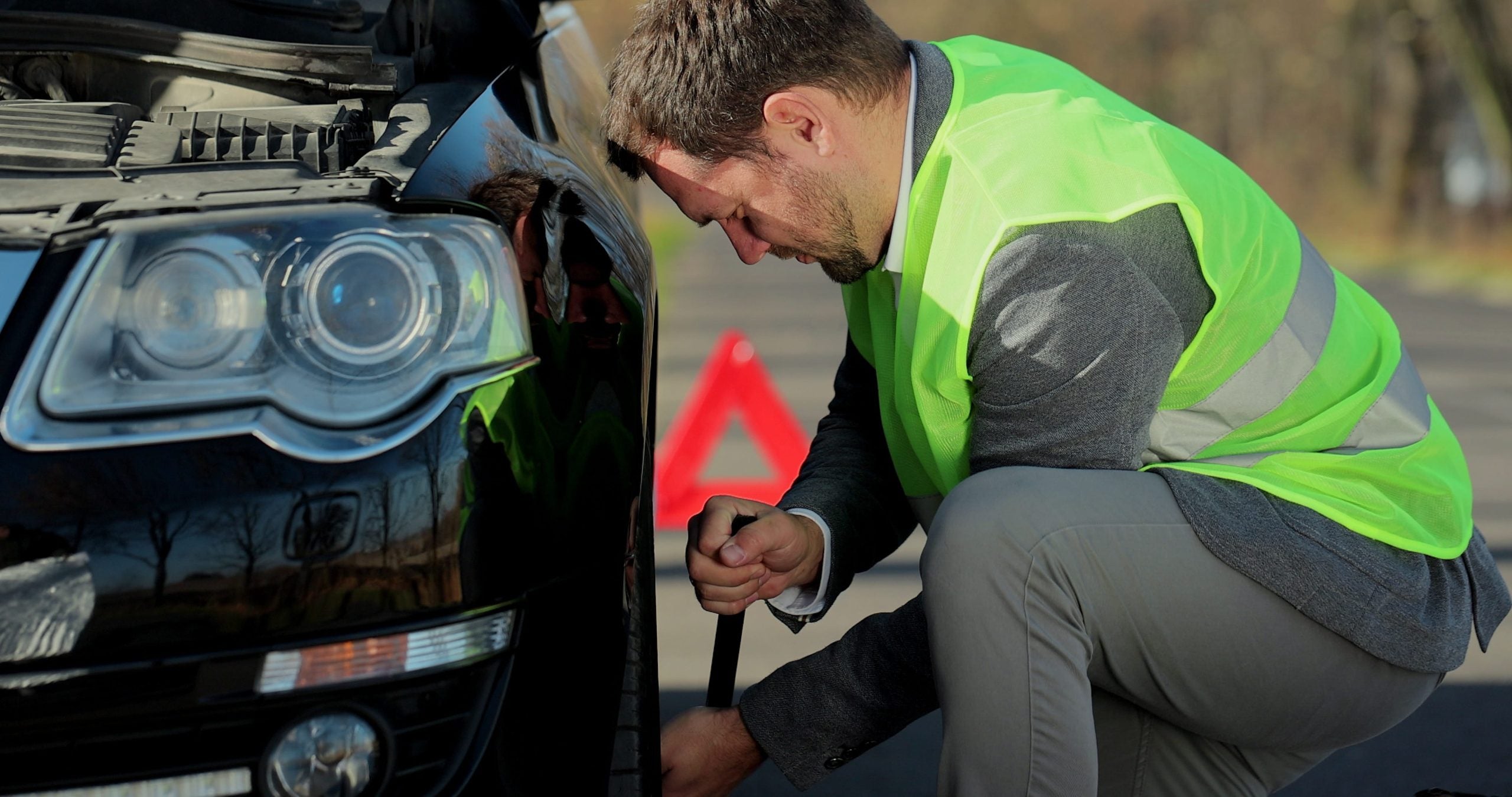
Roadside assistance helping change a tire on the side of the road

Roadside Assistance in Florida: Everything Clermont Drivers Need to Know

If you have ever found yourself stranded on the side of State Road 50 with a flat tire or dealing with a dead battery in the middle of a Florida summer, you know how valuable roadside assistance can be. Whether you’re commuting through Clermont, heading to the beach, or taking a weekend road trip, unexpected car trouble can happen when you least expect it. The good news is that roadside assistance is designed to get you back on the road quickly and safely. Below, our team at Toyota of Clermont answers some of the most common questions Clermont drivers have about roadside assistance, when to use it, and how to stay prepared. Executive Summary Roadside assistance provides emergency help: Services may include jump-starting a dead battery, changing a flat tire, unlocking your vehicle, towing, fuel delivery, and winching, depending on your coverage. Safety comes first during a breakdown: If your vehicle becomes disabled, move to a safe location if possible, turn on your hazard lights, stay inside your vehicle near traffic, and contact roadside assistance or emergency services if needed. Coverage and response times can vary: Most roadside assistance plans are available throughout Florida, but towing limits, included services, and wait times depend on your provider, location, weather, and traffic conditions. Florida's climate increases the risk of breakdowns: Extreme heat, heavy traffic, hurricanes, and long road trips can lead to battery failures, flat tires, and other roadside emergencies, making roadside assistance especially valuable for Clermont drivers. Preventive maintenance helps you avoid roadside emergencies: Regular inspections, battery testing, tire maintenance, and keeping up with scheduled service can significantly reduce your chances of needing roadside assistance. What Is Roadside Assistance? Roadside assistance is a service that provides emergency help when your vehicle becomes disabled and can’t be safely driven. Instead of trying to solve the problem yourself, you can call your roadside provider and have trained professionals dispatched to your location. Depending on your plan, roadside assistance may include: Jump-starting a dead battery Changing a flat tire Delivering assistance if your keys are inside the vehicle Towing to a nearby repair facility Winching if your vehicle becomes stuck (under qualifying conditions) Many new Clermont Toyota models include complimentary roadside assistance for a limited time, while other Clermont drivers receive coverage through their insurance company, credit card, or a membership organization. Is Roadside Assistance Available Across Florida? Yes. Most roadside assistance providers offer service throughout Florida, including major cities like Orlando, Clermont, Tampa, Miami, Jacksonville, and Tallahassee, as well as many smaller towns and rural highways. Keep in mind that response times can vary depending on: Weather conditions Traffic congestion Your exact location Demand during holidays or severe storms For example, if you’re stranded on a busy interstate during a summer thunderstorm, wait times may be longer than they would be on a typical weekday. What Should You Do If Your Car Breaks Down on a Florida Highway? Safety should always come first. If possible: Move your vehicle completely onto the shoulder. Turn on your hazard lights immediately. Stay inside your vehicle if you're close to fast-moving traffic. Call your roadside assistance provider. If you feel unsafe or are blocking traffic, call 911. Clermont highways such as the Florida Turnpike, State Road 50, and US 27 experience heavy traffic every day, so it’s important to avoid standing outside your vehicle unless absolutely necessary. What Information Should You Have Ready When Calling Roadside Assistance? To help speed up service, be prepared to provide: Your exact location (GPS or nearby landmarks help) Your vehicle's make, model, and color A description of the problem Your phone number Your roadside assistance membership information, if applicable Many roadside apps can automatically share your GPS locations, making it easier for service providers to find you. Can Roadside Assistance Fix Your Vehicle on the Spot? Sometimes. If the issue is minor, the technician may be able to get you moving immediately. Common roadside repairs include: Jump-starting the battery Installing your spare tire Unlocking your vehicle Adding enough fuel to reach a nearby gas station However, if the problem is more serious, such as engine trouble, transmission issues, or major electrical problems, your vehicle will likely need to be towed to a repair facility. Does Roadside Assistance Cover Towing? Most plans include towing, but the distance covered varies. Some roadside programs tow to the nearest qualified repair facility, while others include a specific mileage limit before additional charges apply. Before an emergency happens, it’s worth reviewing your coverage so you know: How many miles are included Whether there are service limits Which repair facilities qualify Whether there are additional fees Can Roadside Assistance Help with a Flat Tire? Absolutely. Flat tires are one of the most common reasons people call for roadside assistance. A technician can typically: Install your spare tire if it's in good condition Check that it's properly inflated Help determine whether the damaged tire should be repaired or replaced If you don’t have a usable spare tire, your vehicle may need to be towed to a tire shop or dealership. What Should You Do If Your Battery Dies in Florida’s Heat? Florida’s high temperatures are especially tough on car batteries. Heat speeds up chemical reactions inside the battery and can shorten its overall lifespan. Many batteries in Florida wear out sooner than Clermont drivers expect. Roadside technicians can usually: Test your battery Jump-start your vehicle Recommend whether the battery should be replaced If your battery repeatedly dies, schedule a battery inspection as soon as possible to avoid another breakdown. Can Roadside Assistance Help If You’re Locked Out of Your Car? Yes. Lockout assistance is included with many roadside assistance plans. A technician can often unlock your vehicle without damaging the locks or windows. If you drive a newer Toyota equipped with Smart Key technology, the process may differ depending on the vehicle and situation Avoid attempting to force your door open yourself, as this can easily damage weather seals, trim, or the locking mechanism. What If You Run Out of Gas? It happens more often than you might think. Most roadside assistance plans will deliver enough fuel to allow you to reach the nearest gas station. Depending on your provider: The fuel may be included. You may pay only for the fuel delivered. Additional delivery fees could apply. It’s always smart to refill before your fuel gauge gets too low, especially if you’re traveling through less populated areas of Florida. Can Roadside Assistance Help After a Hurricane? It can, but response times may be longer following major storms. Florida’s hurricane season runs from June through November, and severe weather can create widespread road closures, flooding, and fallen trees. If your vehicle becomes disabled after a storm: Stay away from floodwaters. Never attempt to drive through standing water. Contact roadside assistance once you're in a safe location. Follow any local emergency guidance regarding road closures. Emergency conditions may delay service until roads are safe for responders. Is Roadside Assistance Worth Having in Florida? For many Clermont drivers, yes. Florida’s combination of heavy traffic, intense summer heat, long-distance travel, and unpredictable weather makes roadside assistance a valuable safety net. Even if you never need a tow, having access to help for a dead battery, flat tire, lockout, or empty fuel tank can save time, reduce stress, and help keep you safe. How Can You Reduce Your Chances of Needing Roadside Assistance? Preventive maintenance goes a long way. Here are a few ways to lower your risk of a breakdown: Check your tire pressure monthly. Replace worn tires before they fail. Test your battery annually. Keep up with oil changes and scheduled maintenance. Watch for dashboard warning lights. Replace worn windshield wipers before Florida's rainy season. Keep your fuel tank from getting too low. Carry a basic emergency kit with water, a flashlight, and a phone charger. Regular maintenance won’t eliminate every surprise, but it can significantly reduce your chances of ending up stranded. Be Prepared Before Your Next Florida Drive No one plans for a flat tire, dead battery, or unexpected breakdown, but these situations can happen to any Clermont driver. Having roadside assistance gives you peace of mind knowing help is just a phone call away, whether you’re driving through Clermont, taking a trip down the Florida coast, or heading across the state. If your vehicle has been giving you any warning signs, you can schedule service by giving us a call at (352) 404-7000 or visit us in person at 16851 State Road 50, just West of the Florida Turnpike. FAQs 1. Is roadside assistance included with a new Toyota? Many new Toyota vehicles come with complimentary ToyotaCare, which includes 24-hour roadside assistance for a limited period or mileage. Coverage varies by model year, so it's a good idea to review your warranty information or contact Toyota of Clermont to confirm what's included with your vehicle. 2. How long does it usually take for roadside assistance to arrive? Response times depend on factors such as your location, traffic, weather, and overall demand. In most situations, help arrives within 30 to 60 minutes, though severe storms, heavy traffic, or busy travel periods can result in longer wait times. 3. Can roadside assistance come to my home or workplace? Yes. Roadside assistance isn't limited to highways or public roads. Whether your vehicle won't start in your driveway, at work, or in a parking lot, most providers can dispatch a technician to your location to help with services like jump-starts, lockouts, flat tires, or towing if needed.
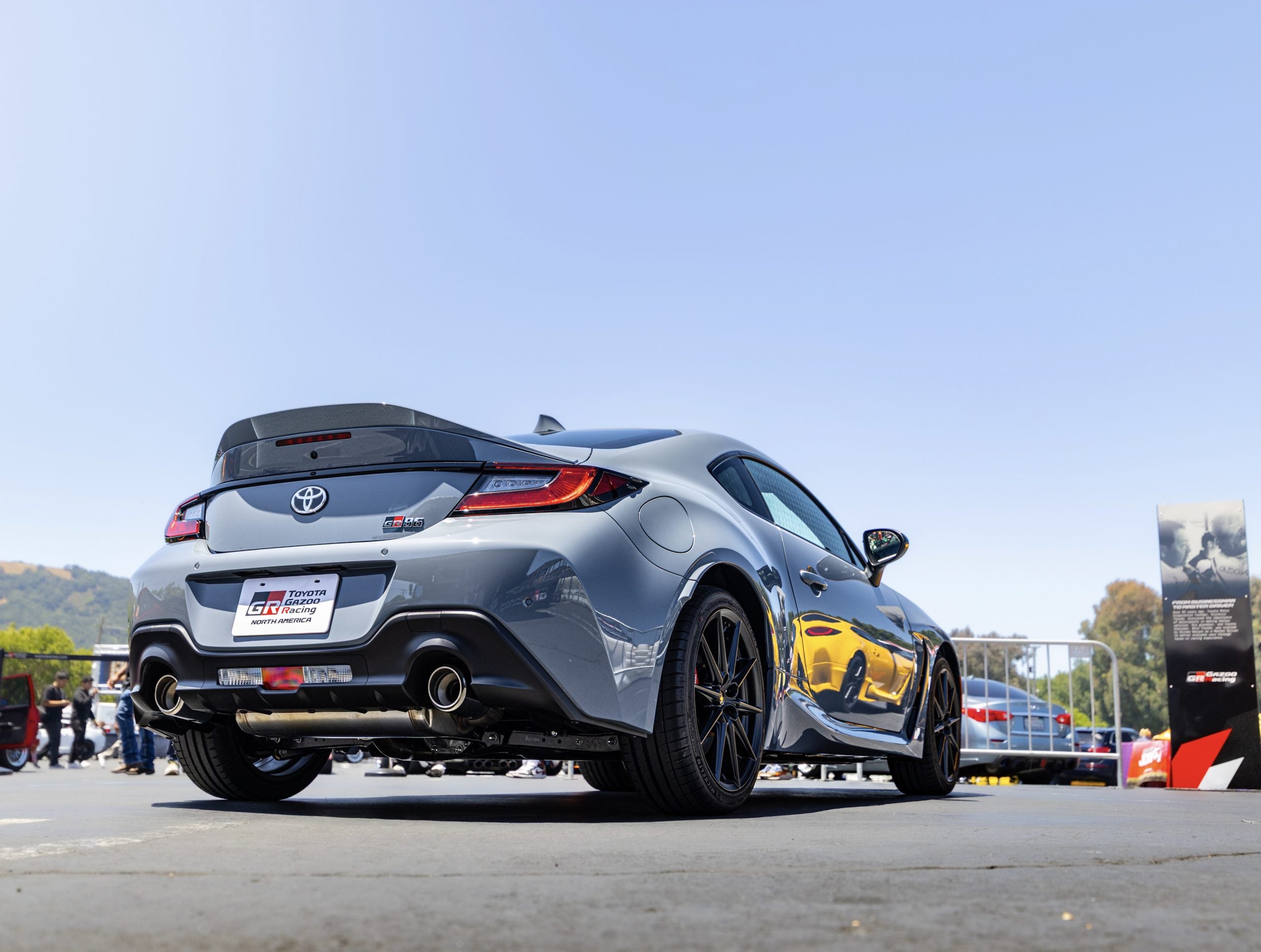
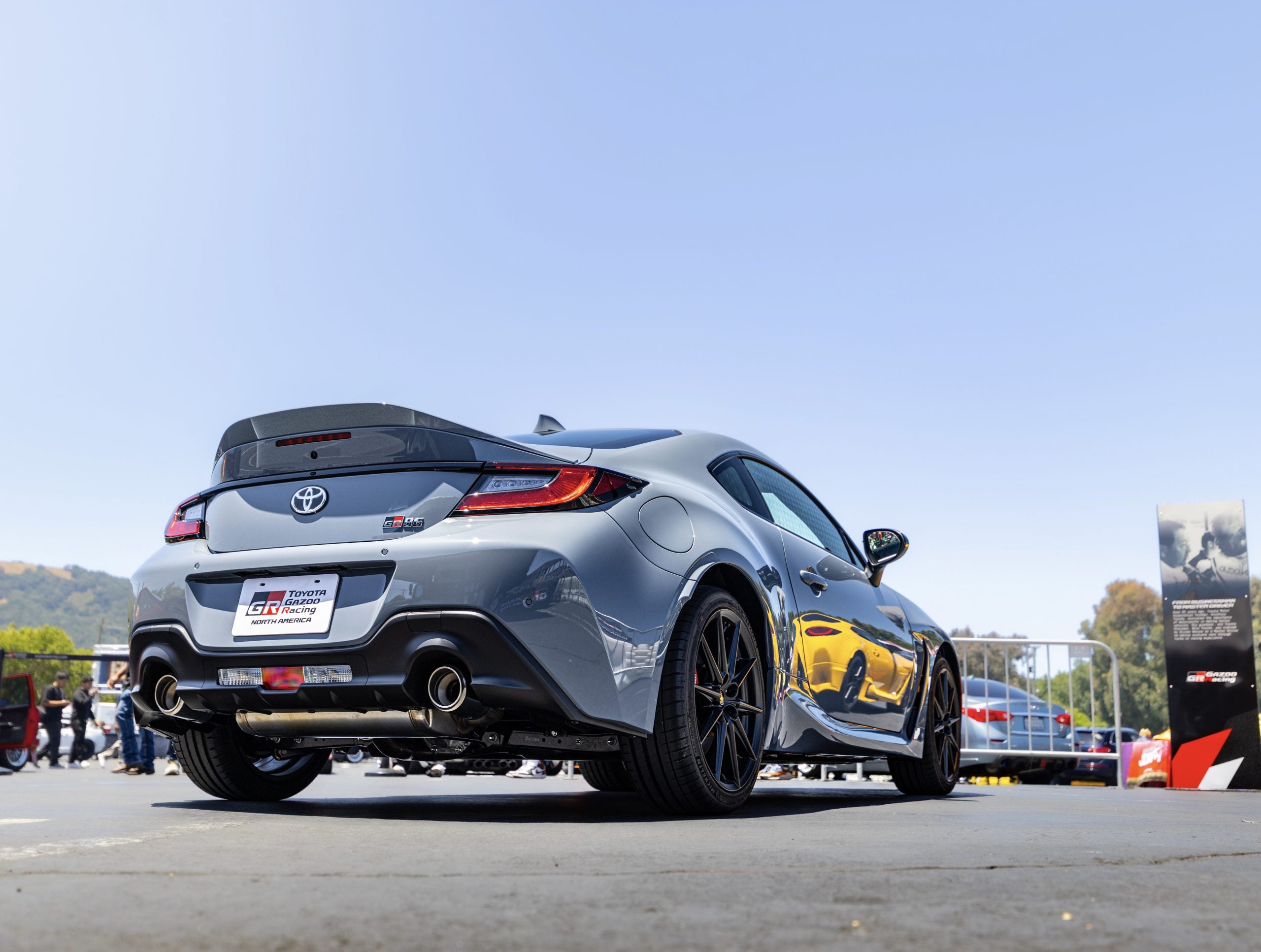
2027 Toyota GR86 with grey spoiler

Everything You Should Know Before Adding a Car Spoiler

Updated on August 7, 2026 Are you thinking about adding a car spoiler on your Clermont Toyota? Well you’re not alone. Car spoilers continue to be one of the most popular exterior upgrades because they’re an affordable way to personalize your vehicle while adding a sporty, performance look. Whether you’re driving a Corolla, Camry, GR86, GR Corolla, Supra, or even a Toyota Crown, the right car spoiler can completely change your vehicle’s appearance. Now before you order the first car spoiler you find online, it’s worth doing a little research. Not every car spoiler fits every vehicle, and choosing the wrong one can lead to fitment issues, paint mismatches, or even reduced performance. Executive Summary Car spoilers are mostly a styling upgrade. While they can improve aerodynamics and stability at higher speeds on performance vehicles, most Clermont drivers install a car spoiler to give their Toyota a sportier, more personalized appearance. Choose a spoiler designed specifically for your Toyota. A model-specific or OEM spoiler provides the best fit, factory-quality appearance, and easier installation, while also helping ensure the paint matches your vehicle's factory color. Consider installation and long-term maintenance. Some spoilers require drilling while others use automotive-grade adhesive, and all spoilers should be cleaned and inspected regularly to keep them looking and performing their best. OEM and aftermarket spoilers each have their advantages. OEM spoilers offer factory fit, finish, and paint matching, while aftermarket options provide more variety in styles, materials, and pricing. The right car spoiler can enhance your Toyota's overall look. Whether you prefer a subtle lip spoiler or a more aggressive wing, choosing the right style can complement your vehicle without requiring major modifications. Car Spoilers Explained A car spoiler is an aerodynamic component that’s typically mounted on the rear trunk lid, hatch, or roof of a vehicle. While many Clermont drivers install one primarily for its sporty appearance, car spoilers were originally designed to improve vehicle aerodynamics at higher speeds. The word “spoiler” comes from the idea of “spoiling” unwanted airflow behind the vehicle. By redirecting airflow, certain spoilers can reduce lift, helping improve stability. On everyday passenger vehicles, however, the visual upgrade is often the biggest benefit. Do Car Spoilers Actually Improve Performance? One of the biggest questions Clermont drivers ask is whether a car spoiler actually makes a difference. The answer depends on the vehicle and how it’s driven. On performance vehicles that spend time on the highway or track speeds, a properly engineered spoiler can: Increase rear downforce Improve stability at higher speeds Help reduce rear-end lift Improve overall handling However, if your Toyota is primarily used for commuting around Clermont, you’re unlikely to notice dramatic performance changes during normal driving. That’s perfectly okay as many Clermont drivers install a car spoiler since they love the way it looks, and that’s reason enough. What to Consider Before Buying a Car Spoiler Before purchasing a car spoiler, keep these five important tips in mind. Tip#1: Make sure the pain matches perfectly One of the easiest ways to spot an aftermarket spoiler is mismatched paint. If you’re buying a carbon fiber spoiler or one that comes unpainted, this isn’t a major concern because you’ll either keep the exposed carbon fiber finish or have it professionally painted. Also, don’t just assume the colors will match, as Toyota uses specific factory paint codes for every exterior color: Ice Cap Wind Chill Pearl Underground Supersonic Red Heavy Metal Blueprint Each color has its own formula, and even similar shades can look noticeably different in direct sunlight. Using your vehicle's factory paint code helps ensure your new car spoiler blends seamlessly with the rest of your vehicle. Tip #2: Think about your Toyota’s overall styling A spoiler should complement your vehicle, not overpower it. Before buying, spend some time looking at photos of the exact spoiler installed on the same make, model, trim, and model year as your Toyota. Keep in mind that online product photos are often professionally edited and photographed from flattering angles. Instead, try to: Look at customer installation photos Browse Toyota owner forums Visit local car meets Ask your dealership if they’ve installed similar spoilers Seeing the spoiler in person often gives you a much better idea of how it will look on your own vehicle. Tip #3: Buy a spoiler designed for your vehicle Not every car spoiler is universal. Choosing one that’s specifically designed for your Toyota helps ensure: Proper fitment Correct mounting points Better durability Factory-like appearance Universal spoilers may require additional drilling or modifications, while OEM or model-specific spoilers are generally easier to install and often provide a cleaner finish. Tip #4: Understand the installation process Some spoilers install using high-strength automotive adhesive tape, while others require drilling into the trunk or hatch. Before purchasing, ask yourself: Am I comfortable installing this myself? Will drilling affect resale value? Do I want a professional installation? Professional installation helps ensure the spoiler is properly aligned, securely attached, and less likely to develop leaks or loosen over time. Tip #5: Know the maintenance requirements A car spoiler requires the same basic care as the rest of your vehicle. Depending on the material, that may include: Regular washing Waxing painted surfaces Applying ceramic coatings Cleaning carbon fiber finishes Inspecting mounting hardware periodically Like any exterior component, spoilers can also sustain damage from: Shopping carts Parking lot accidents Flying road debris Severe weather Automatic car washes (depending on design) If your spoiler becomes scratched, cracked, or damaged, Toyota of Clermont’s Body Shop can help restore it or recommend replacement options. OEM vs. Aftermarket Car Spoilers: What’s the Difference? When shopping for a car spoiler, you will typically choose between OEM (Original Equipment Manufacturer) and aftermarket options. OEM Spoilers OEM spoilers are designed specifically for Toyota vehicles and offer several advantages: Factory fit and finish Exact paint matching High-quality materials Warranty compatibility Professional appearance Aftermarket Spoilers Aftermarket spoilers offer more variety in design and price. They may include: Larger racing-inspired wings Carbon fiber options Ducktail spoilers Adjustable spoilers Custom styling The downside is that quality can vary significantly depending on the manufacturer. Common Types of Car Spoilers There isn’t just one style of car spoiler. Some of the most common include: Lip Spoiler A subtle spoiler that sits along the edge of the trunk lid. This is one of the most popular options for everyday drivers because it enhances the appearance without dramatically changing the vehicle’s profile. Ducktail Spoiler Features a gentle upward curve that gives the rear of the vehicle a sporty appearance. Pedestal Spoiler Mounted on two raised supports, this style is common on many factory sport trims. Wing Spoiler The largest style, mounted above the trunk using brackets. These are common on track-focused vehicles and aggressive performance builds. Do Car Spoilers Affect Fuel Economy? For many Clermont drivers, adding a car spoiler won’t significantly change fuel economy. A spoiler that’s properly designed for your vehicle may slightly improve airflow, while oversized aftermarket wings can actually increase aerodynamic drag if they aren’t engineered correctly. If fuel efficiency is your primary concern, it’s generally best to choose an OEM style spoiler rather than an oversized racing wing. Is Adding a Car Spoiler Worth It? For many Clermont drivers, absolutely? A car spoiler can: Give your Toyota a sportier appearance Increase resale appeal for some buyers Help your vehicle stand out Complement other exterior upgrades Provide aerodynamic benefits on certain vehicles It’s one of the simplest ways to customize your Toyota without investing in major modifications like wheels, suspension upgrades, or a complete repaint. Upgrade Your Toyota with Help from Toyota of Clermont If you're ready to add a car spoiler to your Toyota, let the experts at Toyota of Clermont help you choose the right option. Our Parts Department can help you find OEM accessories designed specifically for your model, while our Body Shop can professionally install and paint your spoiler for a factory-quality finish. You can give us a call at (352) 404-7000 or visit our dealership in person at 16851 State Road 50, just West of the Florida Turnpike! FAQs 1. Will adding a car spoiler void my Toyota's warranty? In most cases, adding a car spoiler will not void your Toyota's warranty. However, if an aftermarket spoiler is installed incorrectly and causes damage, such as water leaks or damage to the trunk lid, those repairs may not be covered. Choosing an OEM spoiler and having it professionally installed can help protect your vehicle and provide peace of mind. 2. Can I install a car spoiler myself? Some car spoilers use automotive-grade adhesive and can be installed by experienced DIYers, while others require drilling into the trunk or hatch. If you're unsure about the installation process, having your spoiler professionally installed helps ensure proper alignment, a secure fit, and a factory-quality appearance. 3. What's the difference between an OEM and an aftermarket car spoiler? OEM car spoilers are designed specifically for your Toyota, offering factory fitment, paint matching, and high-quality materials. Aftermarket spoilers provide more design options and are often less expensive, but quality and fitment can vary depending on the manufacturer.

2027 Toyota GR86 with grey spoiler

Everything You Should Know Before Adding a Car Spoiler

Updated on August 7, 2026 Are you thinking about adding a car spoiler on your Clermont Toyota? Well you’re not alone. Car spoilers continue to be one of the most popular exterior upgrades because they’re an affordable way to personalize your vehicle while adding a sporty, performance look. Whether you’re driving a Corolla, Camry, GR86, GR Corolla, Supra, or even a Toyota Crown, the right car spoiler can completely change your vehicle’s appearance. Now before you order the first car spoiler you find online, it’s worth doing a little research. Not every car spoiler fits every vehicle, and choosing the wrong one can lead to fitment issues, paint mismatches, or even reduced performance. Executive Summary Car spoilers are mostly a styling upgrade. While they can improve aerodynamics and stability at higher speeds on performance vehicles, most Clermont drivers install a car spoiler to give their Toyota a sportier, more personalized appearance. Choose a spoiler designed specifically for your Toyota. A model-specific or OEM spoiler provides the best fit, factory-quality appearance, and easier installation, while also helping ensure the paint matches your vehicle's factory color. Consider installation and long-term maintenance. Some spoilers require drilling while others use automotive-grade adhesive, and all spoilers should be cleaned and inspected regularly to keep them looking and performing their best. OEM and aftermarket spoilers each have their advantages. OEM spoilers offer factory fit, finish, and paint matching, while aftermarket options provide more variety in styles, materials, and pricing. The right car spoiler can enhance your Toyota's overall look. Whether you prefer a subtle lip spoiler or a more aggressive wing, choosing the right style can complement your vehicle without requiring major modifications. Car Spoilers Explained A car spoiler is an aerodynamic component that’s typically mounted on the rear trunk lid, hatch, or roof of a vehicle. While many Clermont drivers install one primarily for its sporty appearance, car spoilers were originally designed to improve vehicle aerodynamics at higher speeds. The word “spoiler” comes from the idea of “spoiling” unwanted airflow behind the vehicle. By redirecting airflow, certain spoilers can reduce lift, helping improve stability. On everyday passenger vehicles, however, the visual upgrade is often the biggest benefit. Do Car Spoilers Actually Improve Performance? One of the biggest questions Clermont drivers ask is whether a car spoiler actually makes a difference. The answer depends on the vehicle and how it’s driven. On performance vehicles that spend time on the highway or track speeds, a properly engineered spoiler can: Increase rear downforce Improve stability at higher speeds Help reduce rear-end lift Improve overall handling However, if your Toyota is primarily used for commuting around Clermont, you’re unlikely to notice dramatic performance changes during normal driving. That’s perfectly okay as many Clermont drivers install a car spoiler since they love the way it looks, and that’s reason enough. What to Consider Before Buying a Car Spoiler Before purchasing a car spoiler, keep these five important tips in mind. Tip#1: Make sure the pain matches perfectly One of the easiest ways to spot an aftermarket spoiler is mismatched paint. If you’re buying a carbon fiber spoiler or one that comes unpainted, this isn’t a major concern because you’ll either keep the exposed carbon fiber finish or have it professionally painted. Also, don’t just assume the colors will match, as Toyota uses specific factory paint codes for every exterior color: Ice Cap Wind Chill Pearl Underground Supersonic Red Heavy Metal Blueprint Each color has its own formula, and even similar shades can look noticeably different in direct sunlight. Using your vehicle's factory paint code helps ensure your new car spoiler blends seamlessly with the rest of your vehicle. Tip #2: Think about your Toyota’s overall styling A spoiler should complement your vehicle, not overpower it. Before buying, spend some time looking at photos of the exact spoiler installed on the same make, model, trim, and model year as your Toyota. Keep in mind that online product photos are often professionally edited and photographed from flattering angles. Instead, try to: Look at customer installation photos Browse Toyota owner forums Visit local car meets Ask your dealership if they’ve installed similar spoilers Seeing the spoiler in person often gives you a much better idea of how it will look on your own vehicle. Tip #3: Buy a spoiler designed for your vehicle Not every car spoiler is universal. Choosing one that’s specifically designed for your Toyota helps ensure: Proper fitment Correct mounting points Better durability Factory-like appearance Universal spoilers may require additional drilling or modifications, while OEM or model-specific spoilers are generally easier to install and often provide a cleaner finish. Tip #4: Understand the installation process Some spoilers install using high-strength automotive adhesive tape, while others require drilling into the trunk or hatch. Before purchasing, ask yourself: Am I comfortable installing this myself? Will drilling affect resale value? Do I want a professional installation? Professional installation helps ensure the spoiler is properly aligned, securely attached, and less likely to develop leaks or loosen over time. Tip #5: Know the maintenance requirements A car spoiler requires the same basic care as the rest of your vehicle. Depending on the material, that may include: Regular washing Waxing painted surfaces Applying ceramic coatings Cleaning carbon fiber finishes Inspecting mounting hardware periodically Like any exterior component, spoilers can also sustain damage from: Shopping carts Parking lot accidents Flying road debris Severe weather Automatic car washes (depending on design) If your spoiler becomes scratched, cracked, or damaged, Toyota of Clermont’s Body Shop can help restore it or recommend replacement options. OEM vs. Aftermarket Car Spoilers: What’s the Difference? When shopping for a car spoiler, you will typically choose between OEM (Original Equipment Manufacturer) and aftermarket options. OEM Spoilers OEM spoilers are designed specifically for Toyota vehicles and offer several advantages: Factory fit and finish Exact paint matching High-quality materials Warranty compatibility Professional appearance Aftermarket Spoilers Aftermarket spoilers offer more variety in design and price. They may include: Larger racing-inspired wings Carbon fiber options Ducktail spoilers Adjustable spoilers Custom styling The downside is that quality can vary significantly depending on the manufacturer. Common Types of Car Spoilers There isn’t just one style of car spoiler. Some of the most common include: Lip Spoiler A subtle spoiler that sits along the edge of the trunk lid. This is one of the most popular options for everyday drivers because it enhances the appearance without dramatically changing the vehicle’s profile. Ducktail Spoiler Features a gentle upward curve that gives the rear of the vehicle a sporty appearance. Pedestal Spoiler Mounted on two raised supports, this style is common on many factory sport trims. Wing Spoiler The largest style, mounted above the trunk using brackets. These are common on track-focused vehicles and aggressive performance builds. Do Car Spoilers Affect Fuel Economy? For many Clermont drivers, adding a car spoiler won’t significantly change fuel economy. A spoiler that’s properly designed for your vehicle may slightly improve airflow, while oversized aftermarket wings can actually increase aerodynamic drag if they aren’t engineered correctly. If fuel efficiency is your primary concern, it’s generally best to choose an OEM style spoiler rather than an oversized racing wing. Is Adding a Car Spoiler Worth It? For many Clermont drivers, absolutely? A car spoiler can: Give your Toyota a sportier appearance Increase resale appeal for some buyers Help your vehicle stand out Complement other exterior upgrades Provide aerodynamic benefits on certain vehicles It’s one of the simplest ways to customize your Toyota without investing in major modifications like wheels, suspension upgrades, or a complete repaint. Upgrade Your Toyota with Help from Toyota of Clermont If you're ready to add a car spoiler to your Toyota, let the experts at Toyota of Clermont help you choose the right option. Our Parts Department can help you find OEM accessories designed specifically for your model, while our Body Shop can professionally install and paint your spoiler for a factory-quality finish. You can give us a call at (352) 404-7000 or visit our dealership in person at 16851 State Road 50, just West of the Florida Turnpike! FAQs 1. Will adding a car spoiler void my Toyota's warranty? In most cases, adding a car spoiler will not void your Toyota's warranty. However, if an aftermarket spoiler is installed incorrectly and causes damage, such as water leaks or damage to the trunk lid, those repairs may not be covered. Choosing an OEM spoiler and having it professionally installed can help protect your vehicle and provide peace of mind. 2. Can I install a car spoiler myself? Some car spoilers use automotive-grade adhesive and can be installed by experienced DIYers, while others require drilling into the trunk or hatch. If you're unsure about the installation process, having your spoiler professionally installed helps ensure proper alignment, a secure fit, and a factory-quality appearance. 3. What's the difference between an OEM and an aftermarket car spoiler? OEM car spoilers are designed specifically for your Toyota, offering factory fitment, paint matching, and high-quality materials. Aftermarket spoilers provide more design options and are often less expensive, but quality and fitment can vary depending on the manufacturer.

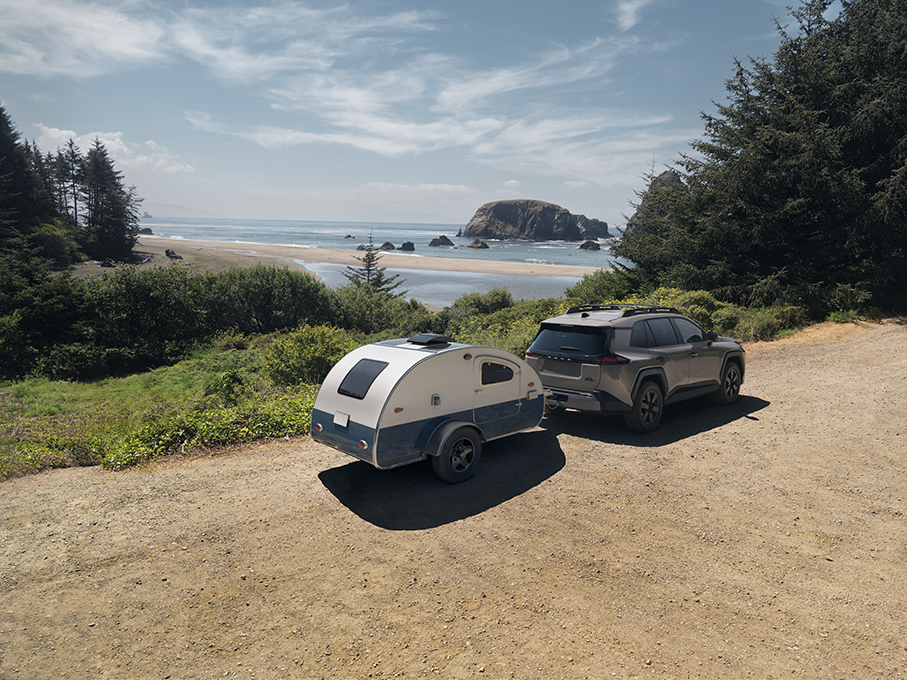
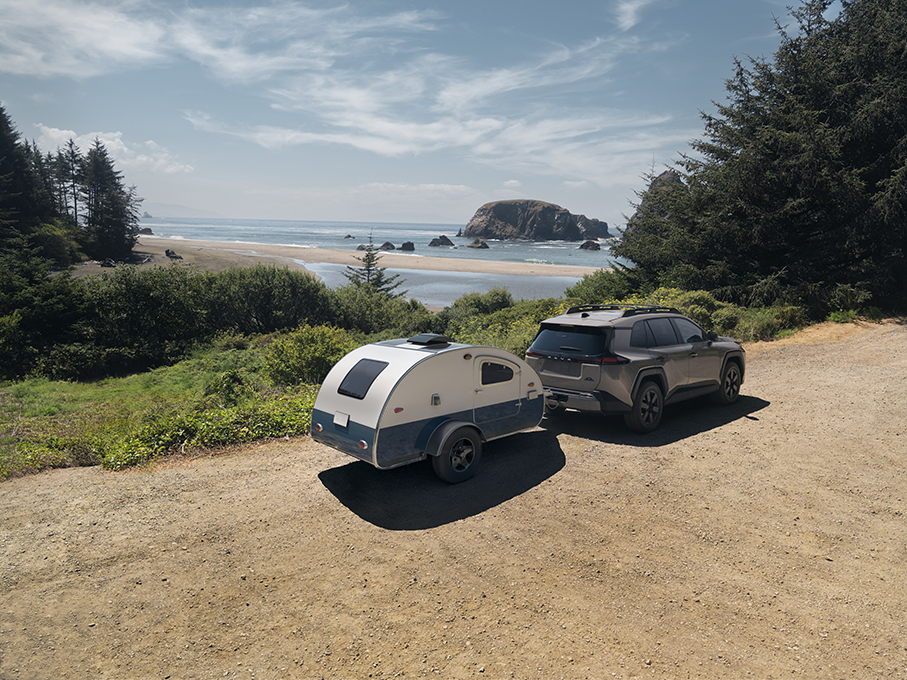
Toyota towing up a hill

Everything You Need to Know About Towing With a Hybrid

Updated on July 31, 2026 When most Clermont drivers think about towing, they picture a full size pickup with a powerful gas engine under the hood. However times have changed. Modern hybrid vehicles have become much more capable than many drivers realize, offering an impressive balance of power, efficiency, and utility. If you’ve been wondering whether t owing with a hybrid is actually practical, then the answer is yes, as long as you choose the right vehicle and stay within its rated towing capacity. Today’s Toyota hybrid lineup includes everything from fuel-sipping sedans to family SUVs and powerful hybrid trucks. Whether you’re hauling a small camper for a weekend Clermont getaway, towing a utility trailer for home improvement projects, or bringing along jet skis for a day at the lake, there’s a good chance a Toyota hybrid can handle the job. Executive Summary Modern Toyota hybrids can tow more than you might think: Towing with a hybrid is a practical option for many Clermont drivers, with models like the Toyota Highlander Hybrid, Sienna Hybrid, and Tundra i-FORCE MAX offering impressive towing capabilities when properly equipped. Choose the right hybrid for your towing needs: Whether you're towing a utility trailer, small camper, boat, or personal watercraft around Clermont, selecting a Toyota hybrid with the appropriate towing capacity is essential for safe and confident towing. Hybrid towing offers capability without sacrificing efficiency: Towing with a hybrid provides smooth power delivery and instant electric torque while still delivering excellent fuel economy during your everyday Clermont commute when you're not towing. Safe towing starts with proper preparation: Staying within your vehicle's towing capacity, using the correct hitch, inspecting your trailer before every trip, and allowing extra stopping distance all help make towing with a hybrid safer and more enjoyable. Routine maintenance keeps your hybrid towing-ready: Regular oil changes, brake inspections, tire rotations, and other scheduled maintenance at Toyota of Clermont help ensure your hybrid remains reliable and ready for your next towing adventure. Can You Tow With a Hybrid? Absolutely. One of the biggest misconceptions about hybrid vehicles is that they’re built only for fuel economy. While excellent gas mileage is certainly one of their biggest advantages, many Toyota hybrids are engineered to tow as well. The reason comes down to how a hybrid powertrain works. Unlike a fully electric vehicle (EV), a Toyota hybrid combines a gasoline engine with one or more electric motors. The system intelligently switches between gas and electric power, or uses both together, to maximize efficiency and performance. When extra power is needed, such as during acceleration or while pulling a trailer, both systems can work simultaneously to deliver smooth, responsive power. Here are a few important things to know about towing with a hybrid: Toyota hybrids are not electric vehicles. They still use a gasoline engine and never need the be plugged in The gasoline engine handles most higher speed driving and towing duties The electric motor provides additional low speed torque, which can actually help when starting from a stop with a trailer attached Many Toyota hybrids are available with electronic on demand all wheel drive for added traction when towing Hybrid systems are engineered to manage power efficiently without sacrificing everyday drivability In other words, hybrid technology isn’t a limitation, it can actually be an advantage. Which Toyota Hybrids Can Tow the Most? Not every Toyota hybrid is designed to tow heavy loads so it’s important to match your vehicle to your needs. Toyota offers several hybrid models with respectable towing capacities. Some popular examples include: Toyota Highlander Hybrid The Highlander Hybrid remains one of the most popular family SUVs on the Clermont roads, and it also offers solid towing capability. The Toyota Highlander Hybrid can tow up to 2,500 pounds when properly equipped, making it a great option for: Small campers Lightweight travel trailers Fishing boats Personal watercraft Utility trailers Small landscaping trailers For many Clermont families, that’s more than enough capacity for weekend adventures. Toyota Grand Highlander Hybrid Depending on the powertrain configuration, certain Grand Highlander Hybrid models also offer competitive towing capabilities while providing extra passenger and cargo space. Toyota Sienna Hybrid The Toyota Sienna proves that minivans can work hard too. When properly equipped, the Sienna Hybrid can tow up to 3,500 pounds, making it ideal for active Clermont families who occasionally need to tow recreational equipment. Toyota Tundra i-FORCE MAX Hybrid If serious towing is your main priority, Toyota’s hybrid truck is in a league of its own. The Toyota Tundra i-FORCE MAX Hybrid combines a twin-turbocharged engine with hybrid technology to produce impressive horsepower and torque. When properly equipped, certain models can tow well over 11,000 pounds (depending on the trim and configuration). It’s proof that hybrid technology isn’t just about saving gas, it can also deliver serious capability. Hybrid vs. Gas Towing: Which Is Right for You? Many Clermont shoppers assume hybrid vehicles tow differently than traditional gas-powered vehicles, but the experience is surprisingly similar. The biggest differences are actually behind the scenes. Hybrid vehicles often provide: Instant electric torque when accelerating form a stop Smoother power delivery Better fuel economy when you’re not towing Quieter operation around town When towing with a hybrid, you’ll still notice fuel economy decrease. Pulling additional weight requires more energy regardless of what powers your vehicle. In everyday use, most Clermont drivers find that towing with a hybrid feels very similar to towing with a traditional gasoline-powered SUV or truck. Toyota Highlander Hybrid vs. Gas Highlander: A Comparison If you’re shopping between the hybrid and gas-powered Highlander, here’s a quick comparison. Toyota Highlander (gas model) Turbocharged gasoline engine Up to 5,000 pound towing capacity when properly equipped Excellent choice for heavier recreational trailers Toyota Highlander Hybrid Hybrid powertrain focused on balancing efficiency and performance Up to 3,500 pound towing capacity when properly equipped Outstanding fuel economy for daily commuting while still handling moderate towing needs If you’re towing a larger camper every weekend, the gas Highlander may be the better fit. But if you only tow occasionally and want significantly better fuel economy during your daily Clermont commutes, the Highlander Hybrid is an excellent compromise. Tips for Towing With a Hybrid Whether you’re driving a hybrid or a gas powered Toyota, safe towing with a hybrid starts with preparation Know your vehicle's towing capacity Never exceed your Toyota’s maximum towing rating. Remember that towing capacity includes: Trailer weight Cargo inside the trailer Water tanks Camping equipment Additional gear It's always better to stay comfortably below your maximum rating than push the limit. Use the correct hitch Not every hitch is rated for every trailer. Make sure your hitch receiver, ball mount, wiring harness, and trailer components are all properly matched to your vehicle and trailer weight. Your Toyota of Clermont parts department can help you choose genuine Toyota towing accessories designed specifically for your vehicle. Check your trailer before every trip Before hitting the Clermont roads: Test trailer lights Check tire pressure Inspect safety chains Verify hitch connections Secure all cargo Confirm the trailer brake controller is working (if equipped) A quick inspection only takes a few minutes but can prevent major problems later. Give yourself more stopping distance Any time you’re towing with a hybrid, your vehicle has more weight to slow down. Leave additional following distance, brake earlier than usual, and avoid sudden steering or braking whenever possible. Smooth, gradual driving helps keep both your vehicle and trailer stable. Practice before taking a long trip If you’re new to towing with a hybrid, spend some time practicing in an empty parking lot. Work on: Backing up Wide turns Parking Braking with extra weight Highway lane changes The more comfortable you become before your trip, the less stressful towing with a hybrid will feel. Stay on Top of Routine Maintenance Towing places additional stress on every vehicle, including hybrids. That’s why routine maintenance becomes even more important if you tow regularly. Stay current on: Oil changes Tire rotations Brake inspections Brake pad replacement Coolant checks Transmission inspections (where applicable) Multi-point inspections Pay especially close attention to your brakes. Since towing increases stopping distances, healthy brake pads and rotors are essential for safe driving. Regular service appointments at Toyota of Clermont can help ensure your hybrid stays ready for your next Clermont adventure. Is Towing With a Hybrid Right for You? For many Clermont drivers, the answer is yes. If you only tow occasionally and want to save money on fuel the rest of the year, a hybrid SUV or truck offers an excellent balance of efficiency and capability. Whether you’re towing bikes to the trailhead, a small camper for weekend camping trips, or a utility trailer for home improvement projects, modern Toyota hybrids are more capable than ever before. The key is choosing the right model for your needs and always towing within your vehicle’s rated limits. Find the Right Toyota for Your Towing Needs at Toyota of Clermont If you’re interested in towing with a hybrid, our team at Toyota of Clermont can help you compare Toyota hybrid SUVs and trucks to find the perfect fit for your Clermont lifestyle. Give us a call today at (352) 404-7000 or visit us in person at 16851 State Road 50, just west of the Florida Turnpike. FAQs 1. Can you tow a trailer with a Toyota hybrid? Yes. Many Toyota hybrid models are designed to tow when properly equipped. Depending on the model, you can tow anything from a utility trailer or personal watercraft to a small camper, making towing with a hybrid a practical option for many Clermont drivers. 2. Does towing with a hybrid reduce fuel economy? Yes. Just like a traditional gasoline-powered vehicle, towing adds extra weight and requires more power, which can reduce fuel economy. However, when you're not towing, Toyota hybrids still deliver excellent efficiency for everyday driving around Clermont. 3. What should I do before towing with a hybrid? Before towing with a hybrid, make sure your trailer is within your vehicle's rated towing capacity and that your hitch, wiring, and trailer connections are properly installed. It's also important to check your trailer lights, tire pressure, safety chains, and cargo before every trip to help ensure a safe towing experience.

Toyota towing up a hill

Everything You Need to Know About Towing With a Hybrid

Updated on July 31, 2026 When most Clermont drivers think about towing, they picture a full size pickup with a powerful gas engine under the hood. However times have changed. Modern hybrid vehicles have become much more capable than many drivers realize, offering an impressive balance of power, efficiency, and utility. If you’ve been wondering whether t owing with a hybrid is actually practical, then the answer is yes, as long as you choose the right vehicle and stay within its rated towing capacity. Today’s Toyota hybrid lineup includes everything from fuel-sipping sedans to family SUVs and powerful hybrid trucks. Whether you’re hauling a small camper for a weekend Clermont getaway, towing a utility trailer for home improvement projects, or bringing along jet skis for a day at the lake, there’s a good chance a Toyota hybrid can handle the job. Executive Summary Modern Toyota hybrids can tow more than you might think: Towing with a hybrid is a practical option for many Clermont drivers, with models like the Toyota Highlander Hybrid, Sienna Hybrid, and Tundra i-FORCE MAX offering impressive towing capabilities when properly equipped. Choose the right hybrid for your towing needs: Whether you're towing a utility trailer, small camper, boat, or personal watercraft around Clermont, selecting a Toyota hybrid with the appropriate towing capacity is essential for safe and confident towing. Hybrid towing offers capability without sacrificing efficiency: Towing with a hybrid provides smooth power delivery and instant electric torque while still delivering excellent fuel economy during your everyday Clermont commute when you're not towing. Safe towing starts with proper preparation: Staying within your vehicle's towing capacity, using the correct hitch, inspecting your trailer before every trip, and allowing extra stopping distance all help make towing with a hybrid safer and more enjoyable. Routine maintenance keeps your hybrid towing-ready: Regular oil changes, brake inspections, tire rotations, and other scheduled maintenance at Toyota of Clermont help ensure your hybrid remains reliable and ready for your next towing adventure. Can You Tow With a Hybrid? Absolutely. One of the biggest misconceptions about hybrid vehicles is that they’re built only for fuel economy. While excellent gas mileage is certainly one of their biggest advantages, many Toyota hybrids are engineered to tow as well. The reason comes down to how a hybrid powertrain works. Unlike a fully electric vehicle (EV), a Toyota hybrid combines a gasoline engine with one or more electric motors. The system intelligently switches between gas and electric power, or uses both together, to maximize efficiency and performance. When extra power is needed, such as during acceleration or while pulling a trailer, both systems can work simultaneously to deliver smooth, responsive power. Here are a few important things to know about towing with a hybrid: Toyota hybrids are not electric vehicles. They still use a gasoline engine and never need the be plugged in The gasoline engine handles most higher speed driving and towing duties The electric motor provides additional low speed torque, which can actually help when starting from a stop with a trailer attached Many Toyota hybrids are available with electronic on demand all wheel drive for added traction when towing Hybrid systems are engineered to manage power efficiently without sacrificing everyday drivability In other words, hybrid technology isn’t a limitation, it can actually be an advantage. Which Toyota Hybrids Can Tow the Most? Not every Toyota hybrid is designed to tow heavy loads so it’s important to match your vehicle to your needs. Toyota offers several hybrid models with respectable towing capacities. Some popular examples include: Toyota Highlander Hybrid The Highlander Hybrid remains one of the most popular family SUVs on the Clermont roads, and it also offers solid towing capability. The Toyota Highlander Hybrid can tow up to 2,500 pounds when properly equipped, making it a great option for: Small campers Lightweight travel trailers Fishing boats Personal watercraft Utility trailers Small landscaping trailers For many Clermont families, that’s more than enough capacity for weekend adventures. Toyota Grand Highlander Hybrid Depending on the powertrain configuration, certain Grand Highlander Hybrid models also offer competitive towing capabilities while providing extra passenger and cargo space. Toyota Sienna Hybrid The Toyota Sienna proves that minivans can work hard too. When properly equipped, the Sienna Hybrid can tow up to 3,500 pounds, making it ideal for active Clermont families who occasionally need to tow recreational equipment. Toyota Tundra i-FORCE MAX Hybrid If serious towing is your main priority, Toyota’s hybrid truck is in a league of its own. The Toyota Tundra i-FORCE MAX Hybrid combines a twin-turbocharged engine with hybrid technology to produce impressive horsepower and torque. When properly equipped, certain models can tow well over 11,000 pounds (depending on the trim and configuration). It’s proof that hybrid technology isn’t just about saving gas, it can also deliver serious capability. Hybrid vs. Gas Towing: Which Is Right for You? Many Clermont shoppers assume hybrid vehicles tow differently than traditional gas-powered vehicles, but the experience is surprisingly similar. The biggest differences are actually behind the scenes. Hybrid vehicles often provide: Instant electric torque when accelerating form a stop Smoother power delivery Better fuel economy when you’re not towing Quieter operation around town When towing with a hybrid, you’ll still notice fuel economy decrease. Pulling additional weight requires more energy regardless of what powers your vehicle. In everyday use, most Clermont drivers find that towing with a hybrid feels very similar to towing with a traditional gasoline-powered SUV or truck. Toyota Highlander Hybrid vs. Gas Highlander: A Comparison If you’re shopping between the hybrid and gas-powered Highlander, here’s a quick comparison. Toyota Highlander (gas model) Turbocharged gasoline engine Up to 5,000 pound towing capacity when properly equipped Excellent choice for heavier recreational trailers Toyota Highlander Hybrid Hybrid powertrain focused on balancing efficiency and performance Up to 3,500 pound towing capacity when properly equipped Outstanding fuel economy for daily commuting while still handling moderate towing needs If you’re towing a larger camper every weekend, the gas Highlander may be the better fit. But if you only tow occasionally and want significantly better fuel economy during your daily Clermont commutes, the Highlander Hybrid is an excellent compromise. Tips for Towing With a Hybrid Whether you’re driving a hybrid or a gas powered Toyota, safe towing with a hybrid starts with preparation Know your vehicle's towing capacity Never exceed your Toyota’s maximum towing rating. Remember that towing capacity includes: Trailer weight Cargo inside the trailer Water tanks Camping equipment Additional gear It's always better to stay comfortably below your maximum rating than push the limit. Use the correct hitch Not every hitch is rated for every trailer. Make sure your hitch receiver, ball mount, wiring harness, and trailer components are all properly matched to your vehicle and trailer weight. Your Toyota of Clermont parts department can help you choose genuine Toyota towing accessories designed specifically for your vehicle. Check your trailer before every trip Before hitting the Clermont roads: Test trailer lights Check tire pressure Inspect safety chains Verify hitch connections Secure all cargo Confirm the trailer brake controller is working (if equipped) A quick inspection only takes a few minutes but can prevent major problems later. Give yourself more stopping distance Any time you’re towing with a hybrid, your vehicle has more weight to slow down. Leave additional following distance, brake earlier than usual, and avoid sudden steering or braking whenever possible. Smooth, gradual driving helps keep both your vehicle and trailer stable. Practice before taking a long trip If you’re new to towing with a hybrid, spend some time practicing in an empty parking lot. Work on: Backing up Wide turns Parking Braking with extra weight Highway lane changes The more comfortable you become before your trip, the less stressful towing with a hybrid will feel. Stay on Top of Routine Maintenance Towing places additional stress on every vehicle, including hybrids. That’s why routine maintenance becomes even more important if you tow regularly. Stay current on: Oil changes Tire rotations Brake inspections Brake pad replacement Coolant checks Transmission inspections (where applicable) Multi-point inspections Pay especially close attention to your brakes. Since towing increases stopping distances, healthy brake pads and rotors are essential for safe driving. Regular service appointments at Toyota of Clermont can help ensure your hybrid stays ready for your next Clermont adventure. Is Towing With a Hybrid Right for You? For many Clermont drivers, the answer is yes. If you only tow occasionally and want to save money on fuel the rest of the year, a hybrid SUV or truck offers an excellent balance of efficiency and capability. Whether you’re towing bikes to the trailhead, a small camper for weekend camping trips, or a utility trailer for home improvement projects, modern Toyota hybrids are more capable than ever before. The key is choosing the right model for your needs and always towing within your vehicle’s rated limits. Find the Right Toyota for Your Towing Needs at Toyota of Clermont If you’re interested in towing with a hybrid, our team at Toyota of Clermont can help you compare Toyota hybrid SUVs and trucks to find the perfect fit for your Clermont lifestyle. Give us a call today at (352) 404-7000 or visit us in person at 16851 State Road 50, just west of the Florida Turnpike. FAQs 1. Can you tow a trailer with a Toyota hybrid? Yes. Many Toyota hybrid models are designed to tow when properly equipped. Depending on the model, you can tow anything from a utility trailer or personal watercraft to a small camper, making towing with a hybrid a practical option for many Clermont drivers. 2. Does towing with a hybrid reduce fuel economy? Yes. Just like a traditional gasoline-powered vehicle, towing adds extra weight and requires more power, which can reduce fuel economy. However, when you're not towing, Toyota hybrids still deliver excellent efficiency for everyday driving around Clermont. 3. What should I do before towing with a hybrid? Before towing with a hybrid, make sure your trailer is within your vehicle's rated towing capacity and that your hitch, wiring, and trailer connections are properly installed. It's also important to check your trailer lights, tire pressure, safety chains, and cargo before every trip to help ensure a safe towing experience.

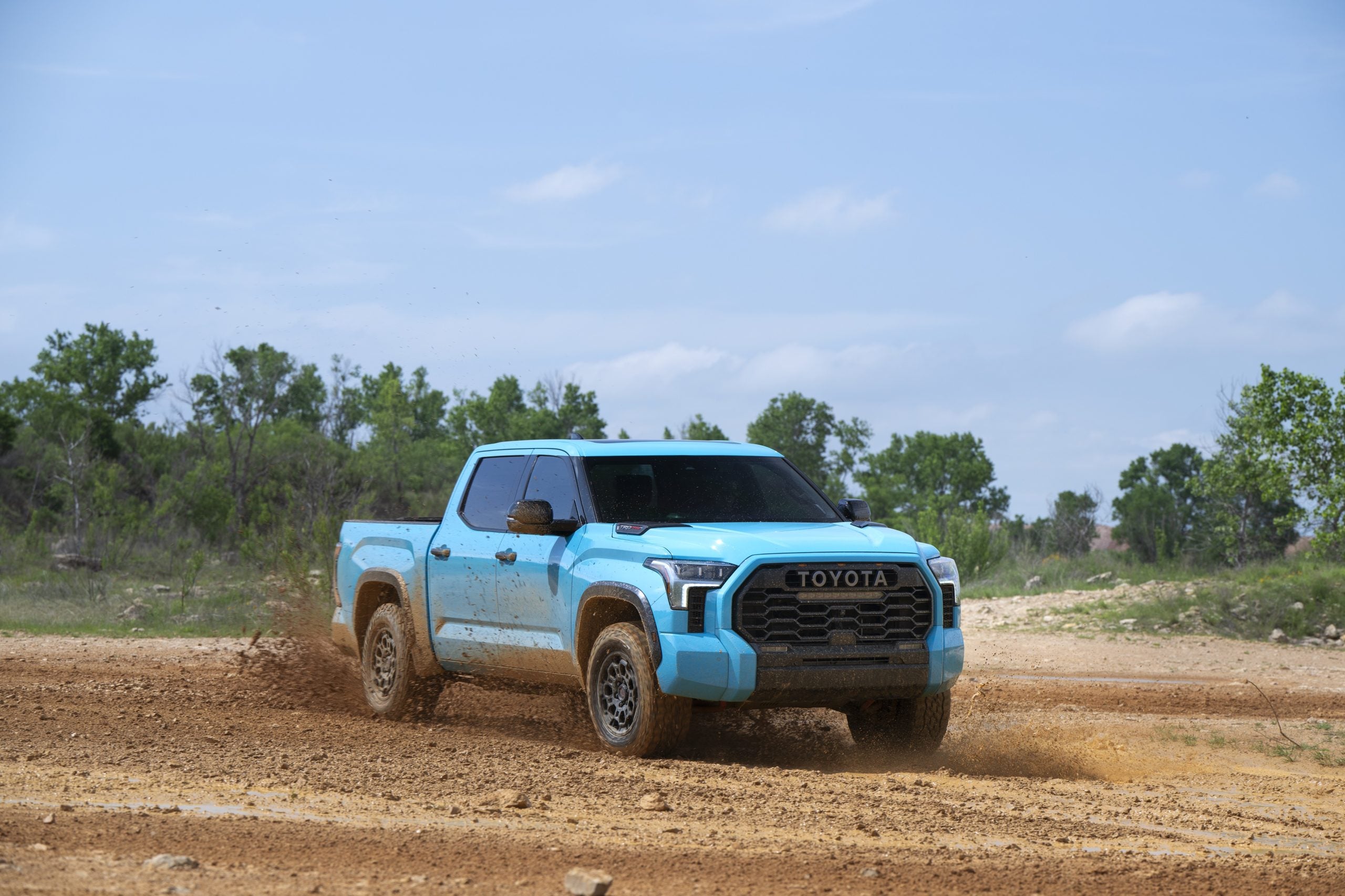
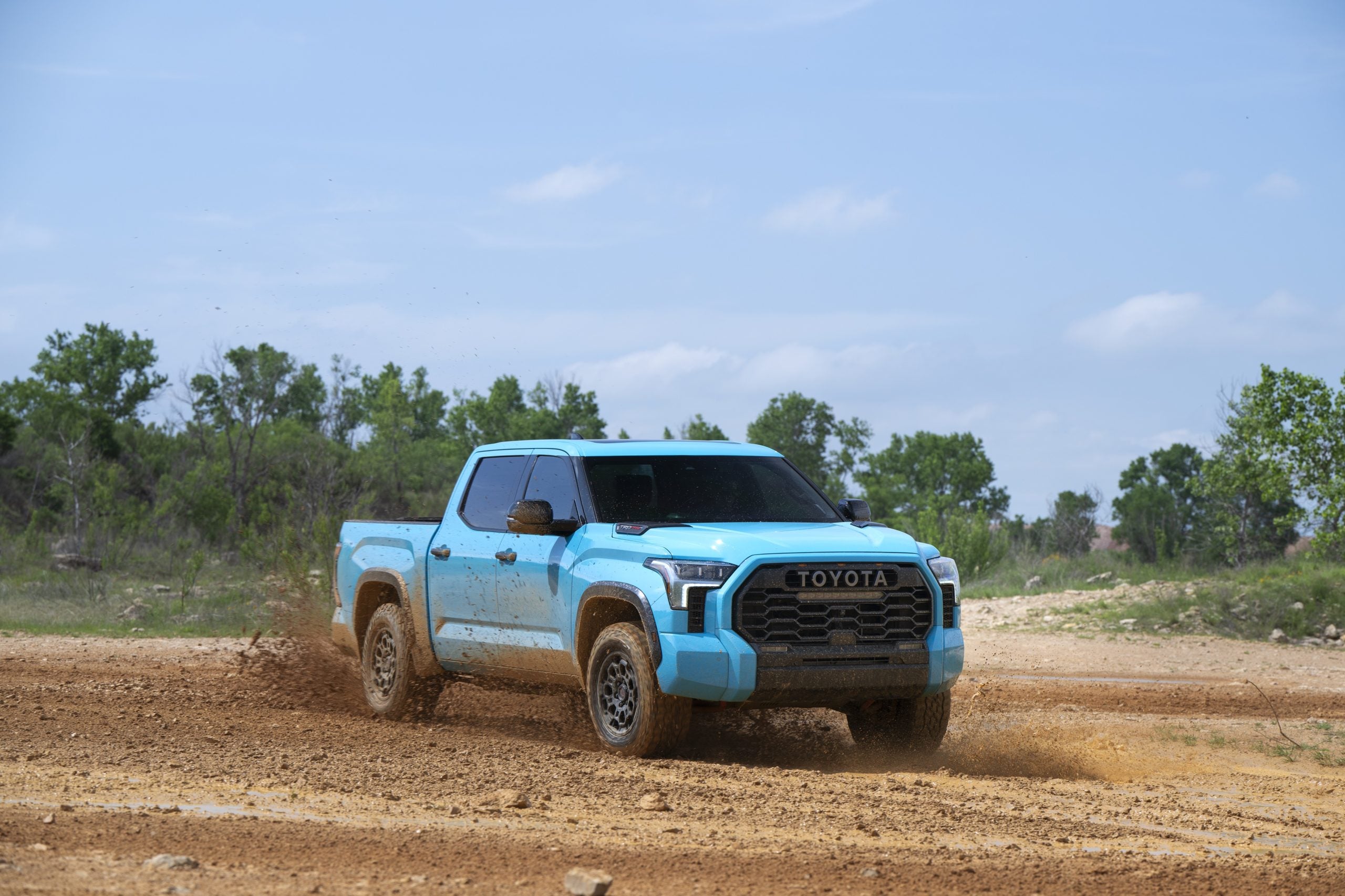
2026 Toyota Tundra Hybrid in blue

2026 Toyota Tundra vs. 2026 Ford F-150: Which Full-Size Truck Is the Better Buy?

When Clermont shoppers start comparing the 2026 Toyota Tundra vs F150, they’re looking at two of the most capable full-size pickup trucks on the market. The 2026 Toyota Tundra and 2026 Ford F150 both offer impressive towing capabilities, advanced technology, premium interiors, and rugged durability. However, the way they achieve those goals is very different. Ford continues to offer a wide range of engine choices and configurations, while Toyota has taken a more focused approach with its powerful twin-turbo V6 and hybrid powertrains across the lineup. For Clermont drivers who are looking for modern performance, strong reliability, and advanced safety technology as standard equipment, the 2026 Toyota Tundra presents a compelling alternative to the longtime segment leader. Executive Summary Compares pricing and overall value: While the 2026 Ford F-150 has a lower starting MSRP, the 2026 Toyota Tundra includes more standard features, a twin-turbocharged V6 engine, and Toyota Safety Sense™ 3.0, making the price difference much smaller when similarly equipped. Breaks down performance and capability: Learn how the Tundra's available i-FORCE MAX hybrid stacks up against the F-150's PowerBoost hybrid, while also comparing horsepower, torque, towing capacity, payload, and overall capability. Highlights interior, technology, and safety: Discover the differences in cabin quality, infotainment systems, driver-assistance features, and why the Tundra stands out with its premium interior and standard Toyota Safety Sense™ 3.0. Compares fuel efficiency and hybrid powertrains: See how both trucks deliver similar fuel economy while the Tundra's hybrid system provides more horsepower and torque, offering an excellent balance of efficiency and performance. Explains which truck is the better buy: For Clermont drivers seeking a well-rounded full-size pickup, the article concludes that the 2026 Toyota Tundra offers the stronger combination of performance, comfort, technology, safety, and long-term value. Price Comparison Pricing is one of the main factors Clermont shoppers consider when comparing the 2026 Toyota Tundra vs Ford F150. While the F150 offers a lower entry level MSRP, both trucks span a wide range of trims and configurations that can significantly affect the final price. 2026 Toyota Tundra Starts at around $43,000 for the SR trim Available in SR, SR5, Limited, Platinum, 1794 Edition, TRD Pro, and Capstone Standard twin-turbocharged i-FORCE V6 engine Includes Toyota Safety Sense™ 3.0 and a 10-speed automatic transmission as standard equipment. 2026 Ford F-150 Starts at around $37,000 for the XL trim Popular SuperCrew models typically begin in the mid-$40,000 range Offers a wide variety of engine and cab configurations Many advanced features require moving up to higher trim levels or purchasing optional packages While the Ford F-150 has the lower starting price, the gap narrows once similarly equipped models are compared. With its powerful standard powertrain and generous list of standard features, the 2026 Toyota Tundra delivers strong overall value for Clermont buyers looking for a well equipped full size truck. Powertrain and Performance Comparison 2026 Toyota Tundra Toyota has simplified the powertrain lineup with two versions of its 3.4 liter twin-turbocharged V6: i-FORCE Twin-Turbo V6 389 horsepower 479 lb-ft of torque 10-speed automatic transmission i-FORCE MAX Hybrid 437 horsepower 583 Ib-ft of torque 10-speed automatic transmission The 2026 Toyota Tundra hybrid powertrain is impressive as it combines exceptional low end torque with smooth acceleration and enhanced efficiency. Unlike some competitors that reserve hybrid technology primarily for fuel economy, Toyota uses electrification to improve overall truck performance. 2026 Ford F-150 Ford continues to offer one of the largest engine selections in the segment: 2.7L EcoBoost V6 5.0L V8 3.5L EcoBoost V6 3.5L PowerBoost Hybrid High-Output EcoBoost V6 (Raptor) Supercharged V8 (Raptor R) The PowerBoost hybrid produces approximately 430 horsepower and 570 Ib-ft of torque. Performance Winner: 2026 Toyota Tundra While Ford offers more engine choices, the 2026 Toyota Tundra’s available i-FORCE MAX hybrid actually delivers more horsepower and torque than Ford’s hybrid system. The Tundra’s 437 horsepower and 583 Ib-ft of torque provide outstanding acceleration and towing confidence without requiring buyers to sort through numerous engine combinations. Towing and Capability Capability remains one of the biggest factors in any full-size truck purchase. 2026 Toyota Tundra Maximum towing capacity: Up to 12,000 pounds when properly equipped Maximum payload: Approximately 1,940 pounds Toyota also equips the 2026 Toyota Tundra with advanced towing technologies designed to make hauling easier, including trailer backup assistance features, integrated towing cameras, and multiple drive modes. 2026 Ford F-150 Maximum towing capacity: Up to 13,000 pounds with the 3.5L EcoBoost V6 Maximum payload: Up to 2,440 pounds in certain configurations Ford’s extensive configuration options allow buyers to maximize towing or payload depending on their needs. Capability Winner: Ford F-150 If maximum towing numbers are your primary concern, Ford holds the advantage. The F-150 simply offers higher peak towing payload ratings. However, it’s worth noting that many truck owners never approach those maximum limits. For most recreational trailers, boats, and work equipment, the 2026 Toyota Tundra’s 12,000 pound towing capacity is more than sufficient. Interior Quality and Comfort Clermont truck buyers expect more than just capability, Comfort and refinement matter just as much as horsepower. 2026 Toyota Tundra Interior Toyota completely redesigned the Tundra’s cabin in recent years, creating one of the most upscale interiors in the segment. Available features include: SofTex® or premium leather seating Heated and ventilated front seats Panoramic moonroof 14-inch touchscreen Power vertical rear window Premium audio systems Massive center console storage Higher trims like the Platinum, 1794 Edition, and Capstone rival many luxury SUVs in terms of materials and craftsmanship. Ford F-150 Interior The F-150 also offers a comfortable and spacious cabin, particularly in SuperCrew models with over 43 inches of rear legroom. Available features include: Leather seating Max Recline seats Large digital displays Work Surface center console Premium audio systems Numerous storage solutions Interior Winner: 2026 Toyota Tundra While both trucks offer excellent accommodations, Toyota’s interior feels more modern and upscale throughout the lineup. The design is cleaner, materials feel more premium, and the available Capstone trim creates an experience that feels genuinely luxurious. Technology Features Technology has become a major battleground in the full-size truck segment. 2026 Toyota Tundra Technology Available 14-inch Toyota Audio Multimedia touchscreen Wireless Apple CarPlay® Wireless Android Auto™ Cloud-based navigation Voice assistant functionality Digital gauge cluster Over-the-air updates Multiple camera views for towing and parking Toyota’s latest infotainment system is fast, intuitive, and among the best interfaces currently available in a truck. 2026 Ford F-150 Technology SYNC® infotainment system Large touchscreen displays Digital instrument cluster Pro Power Onboard generator system Trailer technology features Connected services One unique advantage is Ford’s available Pro Power Onboard system, which effectively turns the truck into a mobile generator. Technology Winner: Tie Toyota offers a more user-friendly infotainment experience, while Ford provides some unique work oriented technology. Clermont buyers who prioritize everyday usability may prefer Toyota’s system, while contractors and jobsite users may appreciate Ford’s power generation capabilities. Safety Comparison Safety is an area where Toyota has made significant gains. Toyota Safety Sense ™ 3.0 The 2026 Toyota Tundra includes Toyota Safety Sense™ 3.0, featuring: Pre-Collision System with Pedestrian Detection Dynamic Radar Cruise Control Lane Departure Alert Lane Tracing Assist Road Sign Assist Automatic High Beams Proactive Driving Assist Importantly, these features are standard across the lineup. Ford Co-Pilot 360™ Ford offers: Automatic Emergency Braking Blind Spot Monitoring Lane Keeping System Adaptive Cruise Control Available BlueCruise hands-free driving technology Safety Winner: 2026 Toyota Tundra Both trucks offer comprehensive safety packages, but Toyota’s commitment to including advanced driver-assistance technology as standard equipment throughout the lineup gives the Tundra an edge. Fuel Efficiency Comparison Fuel economy can make a big difference over the life of a full-size truck, especially for Clermont drivers who constantly commute, tow, and go on weekend adventures. 2026 Toyota Tundra i-FORCE MAX Hybrid Up to 22 MPG city / 24 MPG highway / 23 MPG combined 437 horsepower 583 Ib-ft of torque Standard 10 speed automatic transmission Delivers strong low end torque for confident towing and acceleration 2026 Ford F-150 PowerBoost Hybrid Up to 22 MPG city / 24 MPG highway / 23 MPG combined 430 horsepower 570 Ib-ft of torque Standard 10 speed automatic transmission Available Pro Power Onboard generator for powering tools and equipment Fuel Economy Winner: Slight Edge to Toyota While both manufacturers offer hybrid solutions, the 2026 Toyota Tundra’s i-FORCE MAX system produces more horsepower and torque while maintaining excellent efficiency, creating one of the most balanced powertrains available in the segment. Final Verdict: 2026 Toyota Tundra vs F150 The 2026 Ford F-150 remains one of the most capable trucks on the Clermont roads, particularly for buyers seeking maximum towing capacity, payload ratings, and extensive customization options. However, the 2026 Toyota Tundra emerges as the stronger all-around package for many Clermont truck shoppers. The Tundra delivers: More powerful available hybrid performance A premium, upscale interior Standard Toyota Safety Sense™ 3.0 Excellent technology integration Strong 12,000-pound towing capability Toyota's legendary reputation for long-term durability and reliability For Clermont drivers comparing the 2026 Toyota Tundra vs F150, the Ford may win a few spec-sheet battles, but the Toyota often provides the better blend of power, comfort, technology, and everyday ownership satisfaction. Test Drive the 2026 Toyota Tundra at Toyota of Clermont Today If you're ready to experience everything the 2026 Toyota Tundra has to offer, there’s no better way than scheduling a test drive today. You can call us at (352) 404-7000 or visit us in person at 16851 State Road 50, just West of the Florida Turnpike. FAQs Does the Tundra come in gas or hybrid? Yes. The 2026 Toyota Tundra is available with either the standard i-FORCE twin-turbocharged V6 engine or the available i-FORCE MAX hybrid powertrain. Both options deliver strong performance, while the hybrid adds more horsepower and torque without sacrificing efficiency. Does the Tundra come with a V8 engine still? No. Toyota no longer offers a V8 engine in the Tundra. Instead, every 2026 Toyota Tundra comes equipped with a powerful 3.4-liter twin-turbocharged V6, with an available i-FORCE MAX hybrid version that produces even more horsepower and torque than the previous V8. How much can the Tundra tow? When properly equipped, the 2026 Toyota Tundra can tow up to 12,000 pounds. It also offers a maximum payload of approximately 1,940 pounds, making it well-suited for towing campers, boats, utility trailers, and work equipment.

2026 Toyota Tundra Hybrid in blue

2026 Toyota Tundra vs. 2026 Ford F-150: Which Full-Size Truck Is the Better Buy?

When Clermont shoppers start comparing the 2026 Toyota Tundra vs F150, they’re looking at two of the most capable full-size pickup trucks on the market. The 2026 Toyota Tundra and 2026 Ford F150 both offer impressive towing capabilities, advanced technology, premium interiors, and rugged durability. However, the way they achieve those goals is very different. Ford continues to offer a wide range of engine choices and configurations, while Toyota has taken a more focused approach with its powerful twin-turbo V6 and hybrid powertrains across the lineup. For Clermont drivers who are looking for modern performance, strong reliability, and advanced safety technology as standard equipment, the 2026 Toyota Tundra presents a compelling alternative to the longtime segment leader. Executive Summary Compares pricing and overall value: While the 2026 Ford F-150 has a lower starting MSRP, the 2026 Toyota Tundra includes more standard features, a twin-turbocharged V6 engine, and Toyota Safety Sense™ 3.0, making the price difference much smaller when similarly equipped. Breaks down performance and capability: Learn how the Tundra's available i-FORCE MAX hybrid stacks up against the F-150's PowerBoost hybrid, while also comparing horsepower, torque, towing capacity, payload, and overall capability. Highlights interior, technology, and safety: Discover the differences in cabin quality, infotainment systems, driver-assistance features, and why the Tundra stands out with its premium interior and standard Toyota Safety Sense™ 3.0. Compares fuel efficiency and hybrid powertrains: See how both trucks deliver similar fuel economy while the Tundra's hybrid system provides more horsepower and torque, offering an excellent balance of efficiency and performance. Explains which truck is the better buy: For Clermont drivers seeking a well-rounded full-size pickup, the article concludes that the 2026 Toyota Tundra offers the stronger combination of performance, comfort, technology, safety, and long-term value. Price Comparison Pricing is one of the main factors Clermont shoppers consider when comparing the 2026 Toyota Tundra vs Ford F150. While the F150 offers a lower entry level MSRP, both trucks span a wide range of trims and configurations that can significantly affect the final price. 2026 Toyota Tundra Starts at around $43,000 for the SR trim Available in SR, SR5, Limited, Platinum, 1794 Edition, TRD Pro, and Capstone Standard twin-turbocharged i-FORCE V6 engine Includes Toyota Safety Sense™ 3.0 and a 10-speed automatic transmission as standard equipment. 2026 Ford F-150 Starts at around $37,000 for the XL trim Popular SuperCrew models typically begin in the mid-$40,000 range Offers a wide variety of engine and cab configurations Many advanced features require moving up to higher trim levels or purchasing optional packages While the Ford F-150 has the lower starting price, the gap narrows once similarly equipped models are compared. With its powerful standard powertrain and generous list of standard features, the 2026 Toyota Tundra delivers strong overall value for Clermont buyers looking for a well equipped full size truck. Powertrain and Performance Comparison 2026 Toyota Tundra Toyota has simplified the powertrain lineup with two versions of its 3.4 liter twin-turbocharged V6: i-FORCE Twin-Turbo V6 389 horsepower 479 lb-ft of torque 10-speed automatic transmission i-FORCE MAX Hybrid 437 horsepower 583 Ib-ft of torque 10-speed automatic transmission The 2026 Toyota Tundra hybrid powertrain is impressive as it combines exceptional low end torque with smooth acceleration and enhanced efficiency. Unlike some competitors that reserve hybrid technology primarily for fuel economy, Toyota uses electrification to improve overall truck performance. 2026 Ford F-150 Ford continues to offer one of the largest engine selections in the segment: 2.7L EcoBoost V6 5.0L V8 3.5L EcoBoost V6 3.5L PowerBoost Hybrid High-Output EcoBoost V6 (Raptor) Supercharged V8 (Raptor R) The PowerBoost hybrid produces approximately 430 horsepower and 570 Ib-ft of torque. Performance Winner: 2026 Toyota Tundra While Ford offers more engine choices, the 2026 Toyota Tundra’s available i-FORCE MAX hybrid actually delivers more horsepower and torque than Ford’s hybrid system. The Tundra’s 437 horsepower and 583 Ib-ft of torque provide outstanding acceleration and towing confidence without requiring buyers to sort through numerous engine combinations. Towing and Capability Capability remains one of the biggest factors in any full-size truck purchase. 2026 Toyota Tundra Maximum towing capacity: Up to 12,000 pounds when properly equipped Maximum payload: Approximately 1,940 pounds Toyota also equips the 2026 Toyota Tundra with advanced towing technologies designed to make hauling easier, including trailer backup assistance features, integrated towing cameras, and multiple drive modes. 2026 Ford F-150 Maximum towing capacity: Up to 13,000 pounds with the 3.5L EcoBoost V6 Maximum payload: Up to 2,440 pounds in certain configurations Ford’s extensive configuration options allow buyers to maximize towing or payload depending on their needs. Capability Winner: Ford F-150 If maximum towing numbers are your primary concern, Ford holds the advantage. The F-150 simply offers higher peak towing payload ratings. However, it’s worth noting that many truck owners never approach those maximum limits. For most recreational trailers, boats, and work equipment, the 2026 Toyota Tundra’s 12,000 pound towing capacity is more than sufficient. Interior Quality and Comfort Clermont truck buyers expect more than just capability, Comfort and refinement matter just as much as horsepower. 2026 Toyota Tundra Interior Toyota completely redesigned the Tundra’s cabin in recent years, creating one of the most upscale interiors in the segment. Available features include: SofTex® or premium leather seating Heated and ventilated front seats Panoramic moonroof 14-inch touchscreen Power vertical rear window Premium audio systems Massive center console storage Higher trims like the Platinum, 1794 Edition, and Capstone rival many luxury SUVs in terms of materials and craftsmanship. Ford F-150 Interior The F-150 also offers a comfortable and spacious cabin, particularly in SuperCrew models with over 43 inches of rear legroom. Available features include: Leather seating Max Recline seats Large digital displays Work Surface center console Premium audio systems Numerous storage solutions Interior Winner: 2026 Toyota Tundra While both trucks offer excellent accommodations, Toyota’s interior feels more modern and upscale throughout the lineup. The design is cleaner, materials feel more premium, and the available Capstone trim creates an experience that feels genuinely luxurious. Technology Features Technology has become a major battleground in the full-size truck segment. 2026 Toyota Tundra Technology Available 14-inch Toyota Audio Multimedia touchscreen Wireless Apple CarPlay® Wireless Android Auto™ Cloud-based navigation Voice assistant functionality Digital gauge cluster Over-the-air updates Multiple camera views for towing and parking Toyota’s latest infotainment system is fast, intuitive, and among the best interfaces currently available in a truck. 2026 Ford F-150 Technology SYNC® infotainment system Large touchscreen displays Digital instrument cluster Pro Power Onboard generator system Trailer technology features Connected services One unique advantage is Ford’s available Pro Power Onboard system, which effectively turns the truck into a mobile generator. Technology Winner: Tie Toyota offers a more user-friendly infotainment experience, while Ford provides some unique work oriented technology. Clermont buyers who prioritize everyday usability may prefer Toyota’s system, while contractors and jobsite users may appreciate Ford’s power generation capabilities. Safety Comparison Safety is an area where Toyota has made significant gains. Toyota Safety Sense ™ 3.0 The 2026 Toyota Tundra includes Toyota Safety Sense™ 3.0, featuring: Pre-Collision System with Pedestrian Detection Dynamic Radar Cruise Control Lane Departure Alert Lane Tracing Assist Road Sign Assist Automatic High Beams Proactive Driving Assist Importantly, these features are standard across the lineup. Ford Co-Pilot 360™ Ford offers: Automatic Emergency Braking Blind Spot Monitoring Lane Keeping System Adaptive Cruise Control Available BlueCruise hands-free driving technology Safety Winner: 2026 Toyota Tundra Both trucks offer comprehensive safety packages, but Toyota’s commitment to including advanced driver-assistance technology as standard equipment throughout the lineup gives the Tundra an edge. Fuel Efficiency Comparison Fuel economy can make a big difference over the life of a full-size truck, especially for Clermont drivers who constantly commute, tow, and go on weekend adventures. 2026 Toyota Tundra i-FORCE MAX Hybrid Up to 22 MPG city / 24 MPG highway / 23 MPG combined 437 horsepower 583 Ib-ft of torque Standard 10 speed automatic transmission Delivers strong low end torque for confident towing and acceleration 2026 Ford F-150 PowerBoost Hybrid Up to 22 MPG city / 24 MPG highway / 23 MPG combined 430 horsepower 570 Ib-ft of torque Standard 10 speed automatic transmission Available Pro Power Onboard generator for powering tools and equipment Fuel Economy Winner: Slight Edge to Toyota While both manufacturers offer hybrid solutions, the 2026 Toyota Tundra’s i-FORCE MAX system produces more horsepower and torque while maintaining excellent efficiency, creating one of the most balanced powertrains available in the segment. Final Verdict: 2026 Toyota Tundra vs F150 The 2026 Ford F-150 remains one of the most capable trucks on the Clermont roads, particularly for buyers seeking maximum towing capacity, payload ratings, and extensive customization options. However, the 2026 Toyota Tundra emerges as the stronger all-around package for many Clermont truck shoppers. The Tundra delivers: More powerful available hybrid performance A premium, upscale interior Standard Toyota Safety Sense™ 3.0 Excellent technology integration Strong 12,000-pound towing capability Toyota's legendary reputation for long-term durability and reliability For Clermont drivers comparing the 2026 Toyota Tundra vs F150, the Ford may win a few spec-sheet battles, but the Toyota often provides the better blend of power, comfort, technology, and everyday ownership satisfaction. Test Drive the 2026 Toyota Tundra at Toyota of Clermont Today If you're ready to experience everything the 2026 Toyota Tundra has to offer, there’s no better way than scheduling a test drive today. You can call us at (352) 404-7000 or visit us in person at 16851 State Road 50, just West of the Florida Turnpike. FAQs Does the Tundra come in gas or hybrid? Yes. The 2026 Toyota Tundra is available with either the standard i-FORCE twin-turbocharged V6 engine or the available i-FORCE MAX hybrid powertrain. Both options deliver strong performance, while the hybrid adds more horsepower and torque without sacrificing efficiency. Does the Tundra come with a V8 engine still? No. Toyota no longer offers a V8 engine in the Tundra. Instead, every 2026 Toyota Tundra comes equipped with a powerful 3.4-liter twin-turbocharged V6, with an available i-FORCE MAX hybrid version that produces even more horsepower and torque than the previous V8. How much can the Tundra tow? When properly equipped, the 2026 Toyota Tundra can tow up to 12,000 pounds. It also offers a maximum payload of approximately 1,940 pounds, making it well-suited for towing campers, boats, utility trailers, and work equipment.

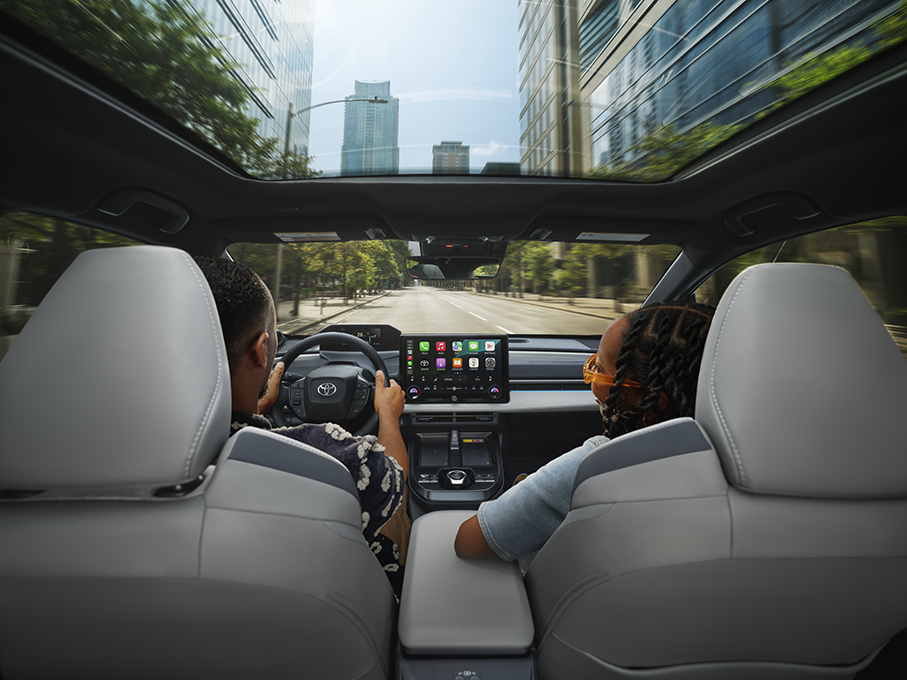
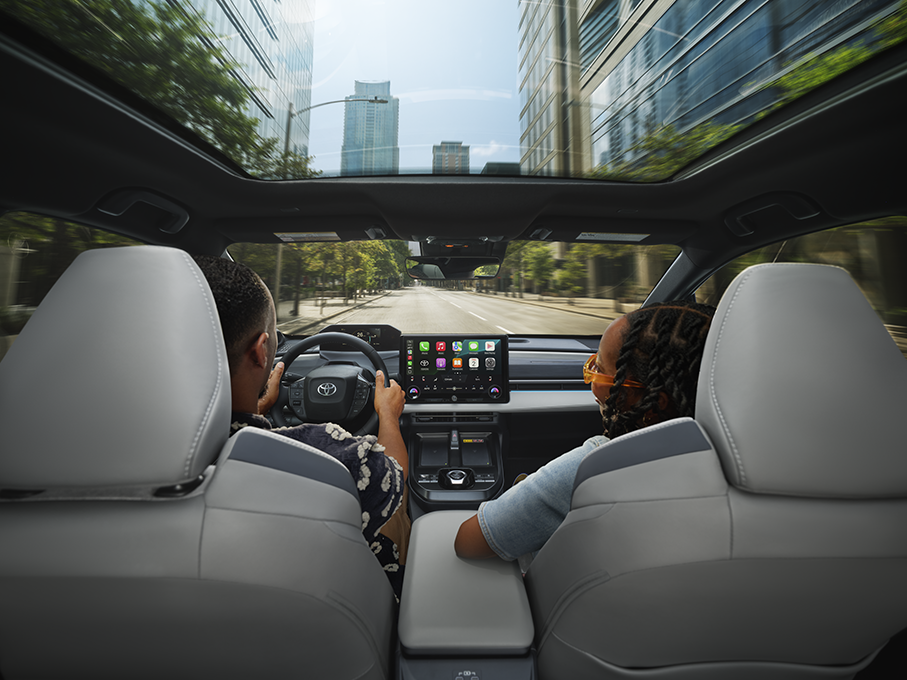
Toyota moonroof from backseat

Moonroof Maintenance Guide: How to Care for Your Car’s Moonroof

A moonroof is one of the most popular comfort features on modern vehicles, bringing natural light, fresh air, and an open feeling to every drive. Whether you’re commuting to work, heading out on a road trip, or simply enjoying the beautiful Clermont weather, it’s a feature that many Clermont drivers use regularly. However, just like your vehicle's engine, brakes, or tires, your moonroof needs routine maintenance to continue operating properly. Many Clermont drivers don’t think about moonroof maintenance until something goes wrong. A slow-moving glass panel, water dripping from the headliner, or a moonroof that won’t close properly can quickly turn a convenient feature into an expensive repair. The good news is that most common moonroof issues are preventable with a little routine care. Executive Summary Routine maintenance prevents costly repairs: Regularly cleaning your moonroof, tracks, seals, and drains can help prevent leaks, reduce wear, and extend the life of your moonroof system. Keep the tracks and drains clear: Removing dirt, leaves, pollen, and other debris from the tracks and drainage channels helps ensure smooth operation and reduces the risk of water entering your vehicle. Inspect seals and watch for warning signs: Check your moonroof seals for cracks or wear and pay attention to grinding noises, slow movement, leaks, or a moonroof that won't close properly, as these may indicate a developing problem. Use your moonroof properly: Operate your moonroof every few weeks, avoid forcing it if it becomes stuck, and make sure it's fully closed before entering an automatic car wash to help prevent unnecessary damage. Address problems early: If you notice leaks, unusual noises, misalignment, or electrical issues, scheduling a professional inspection promptly can help prevent more extensive and expensive repairs. Why Regular Moonroof Maintenance Is Important Your moonroof is much more than a piece of glass. It consists of a complex system of moving parts that work together every time you press the open or close button. These components include: Sliding tracks Electric motors Drainage channels Rubber weather seals Hinges and guide rails Electronic switches and controls Regular moonroof maintenance helps keep all of these parts functioning properly. Without routine care, dirt, pollen, leaves, and debris can accumulate inside the tracks and drains, eventually causing operational issues or water intrusion. Keeping up with moonroof maintenance can help: Prevent water leaks Extend the life of the moonroof motor Reduce wind noise Keep the glass operating smoothly Prevent expensive repairs Protect your vehicle’s interior from water damage A few minutes of preventative maintenance throughout the year can save hundreds, or even thousands, of dollars in future repairs. Clean the Moonroof Glass Regularly The easiest part of moonroof maintenance is cleaning the glass itself. Whenever you wash your vehicle, clean the moonroof using an automotive glass cleaner and a soft microfiber towel. This removes dirt, fingerprints, pollen, bird droppings, and other contaminants that can reduce visibility and leave the glass looking dull. Be sure to clean around the edges of the glass as well. Dirt often collects where the glass meets the frame, and over time the debris can work its way into the moving components below. Avoid abrasive cleaners or rough scrub pads that could scratch the glass or damage surrounding trim. Keep the Moonroof Tracks Clean One of the most important parts of moonroof maintenance is keeping the moonroof tacks clean. Every time you open the moonroof, the tracks are exposed to outside debris like: Leaves Dust Sand Pine needles Pollen Small twigs Dirt Over time, this debris can buildup and interfere with smooth operation. If left alone, dirty tracks may cause the moonroof to move slowly, make grinding noises, or stop opening altogether. To clean the tracks: Open the moonroof fully Remove loose debris with a soft brush or handheld vacuum Wipe the tracks with a damp microfiber cloth Dry the tracks thoroughly before closing the moonroof Try to avoid using screwdrivers, metal tools, or anything sharp to remove debris, as these can damage the track or protective coating. Keeping your moonroof tracks clean is one of the simplest ways to prevent unnecessary wear. Lubricate Moving Components as Needed Many Clermont drivers assume that adding grease to the tracks is always helpful, but that’s not necessarily true. Different manufacturers recommend different lubricants, and some moonroof systems require specific products. Using the wrong lubricant can attract dirt and debris, creating even bigger problems. If your owner’s manual recommends lubrication, apply only a small amount of the manufacturer-approved product to the appropriate moving parts. Proper lubrication is an important part of moonroof maintenance, but using the correct product is equally important. Inspect Your Moonroof Seals Regularly Your moonroof seals play an important role in your moonroof maintenance. These seals keep water, wind, and outside air where they belong, outside your vehicle. Since they are constantly exposed to sunlight, rain, heat, and changing temperatures, rubber seals naturally age over time. Inspect your moonroof seals every few months for: Cracks Tears Dryness Shrinking Brittleness Areas pulling away from the frame Clean the seals with mild soap and water, then dry them completely. If recommended by your vehicle manufacturer, apply a rubber conditioner to help keep the seals soft and flexible. Damaged seals are one of the most common causes of moonroof leaks, so catching wear early can help prevent larger issues. Keep Your Moonroof Drains Clean Many Clermont drivers believe a moonroof is completely waterproof. In reality, most moonroofs are designed to allow a small amount of water past the outer seal. That water is then directed into hidden drainage channels and carried away through drain tubes inside the vehicle. This system works extremely well, until those drains become clogged. Leaves, pollen, dirt, insects, and tree debris can block the drainage system over time. When that happens, water has nowhere to go and may begin leaking into the cabin. Regular moonroof drain cleaning can help prevent: Wet carpets Water stains on the headliner Mold and mildew Damp seats Interior odors Electrical damage If you start to notice water dripping inside the cabin after rain or a car wash, clogged drains may be the culprit. Professional moonroof cleaning is a quick moonroof maintenance service that can help prevent interior repairs. Watch for Signs of Moonroof Problems A healthy moonroof should operate quietly and smoothly. If you start to notice unusual sounds like: Grinding Clicking Popping Squeaking Rattling It’s time to inspect the system. These noises may include: Dirty tracks Dry moving parts Worn hardware Misalignment A failing motor Addressing these symptoms early may prevent the need for more extensive moonroof maintenance later. Avoid Forcing Your Moonroof Open or Closed If your moonroof hesitates or becomes stuck, resist the temptation to force it. Trying to manually push the glass can damage: The electric motor Sliding cables Guide rails Track alignment Glass mounting hardware Instead, inspect the tracks for debris or schedule a professional inspection. If your moonroof won’t close, it’s especially important to have it repaired promptly to avoid water damage during the next rainstorm. Use Caution at Automatic Car Washes Factory installed moonroofs are designed to handle normal rain and automatic car washes. Before entering a car wash: Make sure the moonroof is completely closed Verify it’s fully sealed Check for obvious damage to the seats If you experience moonroof leaks after a car wash but not during normal rain, it’s often a sign that the seals or drains need maintenance. Operate Your Moonroof Regularly Even if you don’t use your moonroof all the time, it’s still a good idea to operate it every few weeks. Opening and closing it periodically helps: Keep moving parts working smoothly Prevent seals from sticking Confirm the motor is operating correctly Identify potential problems early Vehicles that rarely use their moonroof sometimes develop more issues simply because the moving components sit unused for extended periods. How to Maintain a Panoramic Moonroof If your vehicle has a panoramic moonroof, regular maintenance becomes even more important. A panoramic moonroof typically has a larger glass panel and additional moving components compared to a traditional moonroof. Because of its size, keeping the tracks clean and ensuring the drainage system remains clear is especially important. Follow the same moonroof maintenance checklist by: Cleaning the glass regularly Inspecting the moonroof seals Keeping the moonroof tracks free of debris Scheduling moonroof drain cleaning when necessary Addressing unusual noises or slow operation promptly With proper care, a panoramic moonroof can provide years of reliable performance. Signs Your Moonroof Needs Professional Repair Even with excellent maintenance, parts can eventually wear out. Schedule an inspection if you notice: Water leaking into the cabin Excessive wind noise Grinding or clicking sounds Slow operation Uneven glass alignment A moonroof won’t close completely Visible damage to the seals Water stains on the headliner The controls stop responding Catching these issues early on can often make moonroof repair simpler and less expensive. Keep Your Moonroof Operating Smoothly Regular moonroof maintenance is one of the easiest ways to protect both your vehicle and your investment. By cleaning the glass, keeping the moonroof tracks free of debris, inspecting your moonroof seals, and performing routine moonroof drain cleaning, you can help prevent many of the most common problems before they start. If you noticed any of the moonroof maintenance signs above, schedule moonroof service today. You can call us at (352) 404-7000 or visit us in person at 16851 State Road 50, just West of the Florida Turnpike. FAQs Here are three SEO-friendly FAQs that aren't directly repetitive of the article but target common search queries related to moonroof maintenance. 1. How often should moonroof maintenance be performed? Most drivers should inspect and clean their moonroof every few months, or more frequently if they regularly park under trees or drive on dusty roads. Cleaning the tracks, checking the seals, and ensuring the drain channels remain clear can help prevent leaks and keep the moonroof operating smoothly. 2. What causes a moonroof to leak? A leaking moonroof is often caused by clogged drain tubes, worn weather seals, or debris preventing the glass from sealing properly. Having the drainage system and seals inspected as part of routine moonroof maintenance can help prevent water from entering your vehicle. 3. Can I maintain my moonroof myself, or should I visit a dealership? Basic moonroof maintenance, such as cleaning the glass, tracks, and seals, can be done at home with the proper supplies. However, if your moonroof leaks, makes unusual noises, moves slowly, or won't open or close correctly, it's best to have it inspected by a qualified service technician to prevent further damage.

Toyota moonroof from backseat

Moonroof Maintenance Guide: How to Care for Your Car’s Moonroof

A moonroof is one of the most popular comfort features on modern vehicles, bringing natural light, fresh air, and an open feeling to every drive. Whether you’re commuting to work, heading out on a road trip, or simply enjoying the beautiful Clermont weather, it’s a feature that many Clermont drivers use regularly. However, just like your vehicle's engine, brakes, or tires, your moonroof needs routine maintenance to continue operating properly. Many Clermont drivers don’t think about moonroof maintenance until something goes wrong. A slow-moving glass panel, water dripping from the headliner, or a moonroof that won’t close properly can quickly turn a convenient feature into an expensive repair. The good news is that most common moonroof issues are preventable with a little routine care. Executive Summary Routine maintenance prevents costly repairs: Regularly cleaning your moonroof, tracks, seals, and drains can help prevent leaks, reduce wear, and extend the life of your moonroof system. Keep the tracks and drains clear: Removing dirt, leaves, pollen, and other debris from the tracks and drainage channels helps ensure smooth operation and reduces the risk of water entering your vehicle. Inspect seals and watch for warning signs: Check your moonroof seals for cracks or wear and pay attention to grinding noises, slow movement, leaks, or a moonroof that won't close properly, as these may indicate a developing problem. Use your moonroof properly: Operate your moonroof every few weeks, avoid forcing it if it becomes stuck, and make sure it's fully closed before entering an automatic car wash to help prevent unnecessary damage. Address problems early: If you notice leaks, unusual noises, misalignment, or electrical issues, scheduling a professional inspection promptly can help prevent more extensive and expensive repairs. Why Regular Moonroof Maintenance Is Important Your moonroof is much more than a piece of glass. It consists of a complex system of moving parts that work together every time you press the open or close button. These components include: Sliding tracks Electric motors Drainage channels Rubber weather seals Hinges and guide rails Electronic switches and controls Regular moonroof maintenance helps keep all of these parts functioning properly. Without routine care, dirt, pollen, leaves, and debris can accumulate inside the tracks and drains, eventually causing operational issues or water intrusion. Keeping up with moonroof maintenance can help: Prevent water leaks Extend the life of the moonroof motor Reduce wind noise Keep the glass operating smoothly Prevent expensive repairs Protect your vehicle’s interior from water damage A few minutes of preventative maintenance throughout the year can save hundreds, or even thousands, of dollars in future repairs. Clean the Moonroof Glass Regularly The easiest part of moonroof maintenance is cleaning the glass itself. Whenever you wash your vehicle, clean the moonroof using an automotive glass cleaner and a soft microfiber towel. This removes dirt, fingerprints, pollen, bird droppings, and other contaminants that can reduce visibility and leave the glass looking dull. Be sure to clean around the edges of the glass as well. Dirt often collects where the glass meets the frame, and over time the debris can work its way into the moving components below. Avoid abrasive cleaners or rough scrub pads that could scratch the glass or damage surrounding trim. Keep the Moonroof Tracks Clean One of the most important parts of moonroof maintenance is keeping the moonroof tacks clean. Every time you open the moonroof, the tracks are exposed to outside debris like: Leaves Dust Sand Pine needles Pollen Small twigs Dirt Over time, this debris can buildup and interfere with smooth operation. If left alone, dirty tracks may cause the moonroof to move slowly, make grinding noises, or stop opening altogether. To clean the tracks: Open the moonroof fully Remove loose debris with a soft brush or handheld vacuum Wipe the tracks with a damp microfiber cloth Dry the tracks thoroughly before closing the moonroof Try to avoid using screwdrivers, metal tools, or anything sharp to remove debris, as these can damage the track or protective coating. Keeping your moonroof tracks clean is one of the simplest ways to prevent unnecessary wear. Lubricate Moving Components as Needed Many Clermont drivers assume that adding grease to the tracks is always helpful, but that’s not necessarily true. Different manufacturers recommend different lubricants, and some moonroof systems require specific products. Using the wrong lubricant can attract dirt and debris, creating even bigger problems. If your owner’s manual recommends lubrication, apply only a small amount of the manufacturer-approved product to the appropriate moving parts. Proper lubrication is an important part of moonroof maintenance, but using the correct product is equally important. Inspect Your Moonroof Seals Regularly Your moonroof seals play an important role in your moonroof maintenance. These seals keep water, wind, and outside air where they belong, outside your vehicle. Since they are constantly exposed to sunlight, rain, heat, and changing temperatures, rubber seals naturally age over time. Inspect your moonroof seals every few months for: Cracks Tears Dryness Shrinking Brittleness Areas pulling away from the frame Clean the seals with mild soap and water, then dry them completely. If recommended by your vehicle manufacturer, apply a rubber conditioner to help keep the seals soft and flexible. Damaged seals are one of the most common causes of moonroof leaks, so catching wear early can help prevent larger issues. Keep Your Moonroof Drains Clean Many Clermont drivers believe a moonroof is completely waterproof. In reality, most moonroofs are designed to allow a small amount of water past the outer seal. That water is then directed into hidden drainage channels and carried away through drain tubes inside the vehicle. This system works extremely well, until those drains become clogged. Leaves, pollen, dirt, insects, and tree debris can block the drainage system over time. When that happens, water has nowhere to go and may begin leaking into the cabin. Regular moonroof drain cleaning can help prevent: Wet carpets Water stains on the headliner Mold and mildew Damp seats Interior odors Electrical damage If you start to notice water dripping inside the cabin after rain or a car wash, clogged drains may be the culprit. Professional moonroof cleaning is a quick moonroof maintenance service that can help prevent interior repairs. Watch for Signs of Moonroof Problems A healthy moonroof should operate quietly and smoothly. If you start to notice unusual sounds like: Grinding Clicking Popping Squeaking Rattling It’s time to inspect the system. These noises may include: Dirty tracks Dry moving parts Worn hardware Misalignment A failing motor Addressing these symptoms early may prevent the need for more extensive moonroof maintenance later. Avoid Forcing Your Moonroof Open or Closed If your moonroof hesitates or becomes stuck, resist the temptation to force it. Trying to manually push the glass can damage: The electric motor Sliding cables Guide rails Track alignment Glass mounting hardware Instead, inspect the tracks for debris or schedule a professional inspection. If your moonroof won’t close, it’s especially important to have it repaired promptly to avoid water damage during the next rainstorm. Use Caution at Automatic Car Washes Factory installed moonroofs are designed to handle normal rain and automatic car washes. Before entering a car wash: Make sure the moonroof is completely closed Verify it’s fully sealed Check for obvious damage to the seats If you experience moonroof leaks after a car wash but not during normal rain, it’s often a sign that the seals or drains need maintenance. Operate Your Moonroof Regularly Even if you don’t use your moonroof all the time, it’s still a good idea to operate it every few weeks. Opening and closing it periodically helps: Keep moving parts working smoothly Prevent seals from sticking Confirm the motor is operating correctly Identify potential problems early Vehicles that rarely use their moonroof sometimes develop more issues simply because the moving components sit unused for extended periods. How to Maintain a Panoramic Moonroof If your vehicle has a panoramic moonroof, regular maintenance becomes even more important. A panoramic moonroof typically has a larger glass panel and additional moving components compared to a traditional moonroof. Because of its size, keeping the tracks clean and ensuring the drainage system remains clear is especially important. Follow the same moonroof maintenance checklist by: Cleaning the glass regularly Inspecting the moonroof seals Keeping the moonroof tracks free of debris Scheduling moonroof drain cleaning when necessary Addressing unusual noises or slow operation promptly With proper care, a panoramic moonroof can provide years of reliable performance. Signs Your Moonroof Needs Professional Repair Even with excellent maintenance, parts can eventually wear out. Schedule an inspection if you notice: Water leaking into the cabin Excessive wind noise Grinding or clicking sounds Slow operation Uneven glass alignment A moonroof won’t close completely Visible damage to the seals Water stains on the headliner The controls stop responding Catching these issues early on can often make moonroof repair simpler and less expensive. Keep Your Moonroof Operating Smoothly Regular moonroof maintenance is one of the easiest ways to protect both your vehicle and your investment. By cleaning the glass, keeping the moonroof tracks free of debris, inspecting your moonroof seals, and performing routine moonroof drain cleaning, you can help prevent many of the most common problems before they start. If you noticed any of the moonroof maintenance signs above, schedule moonroof service today. You can call us at (352) 404-7000 or visit us in person at 16851 State Road 50, just West of the Florida Turnpike. FAQs Here are three SEO-friendly FAQs that aren't directly repetitive of the article but target common search queries related to moonroof maintenance. 1. How often should moonroof maintenance be performed? Most drivers should inspect and clean their moonroof every few months, or more frequently if they regularly park under trees or drive on dusty roads. Cleaning the tracks, checking the seals, and ensuring the drain channels remain clear can help prevent leaks and keep the moonroof operating smoothly. 2. What causes a moonroof to leak? A leaking moonroof is often caused by clogged drain tubes, worn weather seals, or debris preventing the glass from sealing properly. Having the drainage system and seals inspected as part of routine moonroof maintenance can help prevent water from entering your vehicle. 3. Can I maintain my moonroof myself, or should I visit a dealership? Basic moonroof maintenance, such as cleaning the glass, tracks, and seals, can be done at home with the proper supplies. However, if your moonroof leaks, makes unusual noises, moves slowly, or won't open or close correctly, it's best to have it inspected by a qualified service technician to prevent further damage.

Traditional car parking brake

Everything You Need to Know About Your Car Parking Brake

Updated on July 24, 2026 Whether you call it the emergency brake, e-brake, hand brake, or car parking brake, this overlooked feature plays a very important role in keeping your vehicle secure. While many Clermont drivers only use it when parking on step hills, the truth is that your parking brake should be part of your everyday driving routine. Especially if you want to help reduce the wear on your transmission and improve overall safety. I'm sure it's been a while since you’ve thought about your car parking brake, and you’re not alone. Many Clermont drivers aren’t exactly sure when to use it, how to use it, or whether it needs maintenance. Fortunately, our Toyota of Clermont service experts are here to answer the most common questions. Executive Summary Your car parking brake does more than prevent rolling: It helps keep your vehicle secure when parked, reduces stress on your transmission, and adds an extra layer of safety every time you park. Use your parking brake every time you park: Engaging it before shifting into Park helps reduce unnecessary wear on your transmission and promotes proper parking brake function. Know the warning signs of a problem: If your parking brake won't hold the vehicle, won't release properly, or makes unusual noises, it's time to have it inspected by a qualified technician. Electronic parking brakes still require maintenance: While they operate differently than traditional hand or foot brakes, they still contain components that should be checked during routine brake service. Routine inspections help prevent costly repairs: Regular maintenance of your parking brake system can improve safety, extend the life of your braking components, and help keep your Toyota performing at its best. How Does a Car Parking Brake Work? Your car parking brake is a separate braking system designed to keep your Clermont Toyota from moving when it’s parked. Unlike your regular brake pedal which uses hydraulic pressure, many parking brake systems use a mechanical cable or an electronic actuator to lock the rear brakes in place. Your car parking brake job is simple: keep your vehicle from rolling away. However, it also helps: Reduce stress on your transmission’s parking pawl Improve vehicle stability on hills Provide an extra layer of security when parked Help keep the parking brake components moving and lubricated through regular use Many Clermont drivers assume automatic transmissions don’t need a car parking brake, but that’s a common misconception. Even automatics benefit from using it every time you park. 4 Things Every Clermont Driver Should Know About Their Car Parking Brake Never drive with your car parking brake engaged This is one of the easiest ways to damage your braking system. Driving with your car parking brake engaged creates constant friction between the brake components. The extra friction can generate excessive heat, which can lead to: Premature brake pad wear Warped brake rotors Reduced braking performance Damage to the parking brake mechanism Expensive repair bills Fortunately, most modern Toyota vehicles display a dashboard warning light whenever the car parking brake is engaged. If you notice the light staying on after you’ve started driving, safely pull over and make sure the brake has fully been released. You may also notice: A burning smell Reduced acceleration Poor fuel economy Resistance while driving If you’ve accidentally driven with your car parking brake on for an extended period, it’s a good idea to have your brakes inspected. Use your car parking brake every time you park Many Clermont drivers only use their car parking brake on steep hills. While that’s certainly important, using it every time you park offers several benefits. Here’s the recommended sequence: Keep your foot firmly on the brake pedal Bring the vehicle to a complete stop Engage the car parking brake Shift the transmission into Park Release the brake pedal This order allows the car parking brake to support the vehicle’s weight. If you shift into Park first, then release the brake pedal before engaging your car parking brake, the vehicle may roll slightly until the transmission’s parking pawl catches the weight. As time goes on, repeatedly putting that stress on the transmission can contribute to unnecessary wear and tear. There are several different types of car parking brakes Not every Toyota uses the same parking brake design. Depending on the model and trim level, your vehicle may have one of several systems. Hand Brake Found on some vehicles, the traditional hand brake sits between the front seats near the center console. To engage it: Pull the lever upward until it locks To release it: Press the button on the end while lowering the lever completely Foot-operated parking brake Some SUVs and trucks use a foot pedal located to the left of the driver’s brake pedal. To engage it: Press the pedal firmly with your left foot To release it: Press it again until it releases Electronic parking brake Many newer Toyota models now feature an electronic car parking brake. Instead of a lever or pedal, you simply press or pull a small switch on the center console. The vehicle automatically engages or releases the brake using electronic motors. Some models even include automatic brake hold features that work together with the electronic car parking brake during stop and go traffic or when parked. Your car parking brake needs maintenance too Most Clermont drivers don’t think about their car parking brake and the need for occasional inspection. Like any other braking component, parts wear over time. Depending on your vehicle, your technician may inspect: Brake cables Springs Rear brake shoes or pads Electronic actuators Linkages Corrosion or rust buildup Adjustment of cable tension A car parking brake that is rarely used can sometimes seize due to corrosion, especially in older vehicles or those that sit for extended periods. Using your car parking brake regularly actually helps keep its components functioning properly. Signs Your Car Parking Brake May Need Service If your car parking brake isn’t working quite like it used to, don’t ignore it. Watch for these warning signs: The vehicle rolls while parked The parking brake lever pulls much higher than normal The brake pedal (if equipped) feels unusually soft The electronic parking brake warning light stays illuminated The brake won’t release completely You hear grinding or squealing noises You notice burning smells after driving These symptoms may indicate worn components, stretched cables, corrosion, or electronic issues that should be inspected by a qualified technician. Do Electronic Parking Brakes Need Maintenance? Short answer, yes. Although electronic car parking brakes eliminate traditional cables in many cases, they still contain motors, sensors, wiring, and brake components that require periodic inspection. During routine brake service, Toyota technicians can inspect the electronic system for proper operation and identify potential issues before they become costly repairs. Trust Toyota of Clermont for Professional Brake Service Your car parking brake may not be something you think about every day, but it’s an important safety feature that deserves regular attention. Using it properly can help protect your transmission, improve safety, and extend the lift of your vehicle’s braking system. If you have any questions about your car parking brake or think it may need adjustment or repair, schedule service with Toyota of Clermont. Call us at (352) 404-7000 or visit us in person at 16851 State Road 50, just West of the Florida Turnpike. FAQs Should I use my car parking brake every time I park? Yes. Using your car parking brake every time you park helps prevent unnecessary stress on your transmission by allowing the parking brake, not the transmission's parking pawl, to support your vehicle's weight. It also helps keep the parking brake system in good working condition through regular use. Can driving with the parking brake on damage my car? Yes. Driving with the parking brake engaged can generate excessive heat and cause premature brake pad wear, warped rotors, reduced braking performance, and damage to the parking brake system. If you've accidentally driven with it on and notice a burning smell, poor acceleration, or unusual resistance, have your brakes inspected as soon as possible. How often should my parking brake be inspected? Your car parking brake should be inspected during routine brake service or anytime you notice warning signs such as the vehicle rolling while parked, a car parking brake that won't fully engage or release, unusual noises, or a dashboard warning light that stays illuminated. Regular inspections can help catch minor issues before they become costly repairs.

Traditional car parking brake

Everything You Need to Know About Your Car Parking Brake

Updated on July 24, 2026 Whether you call it the emergency brake, e-brake, hand brake, or car parking brake, this overlooked feature plays a very important role in keeping your vehicle secure. While many Clermont drivers only use it when parking on step hills, the truth is that your parking brake should be part of your everyday driving routine. Especially if you want to help reduce the wear on your transmission and improve overall safety. I'm sure it's been a while since you’ve thought about your car parking brake, and you’re not alone. Many Clermont drivers aren’t exactly sure when to use it, how to use it, or whether it needs maintenance. Fortunately, our Toyota of Clermont service experts are here to answer the most common questions. Executive Summary Your car parking brake does more than prevent rolling: It helps keep your vehicle secure when parked, reduces stress on your transmission, and adds an extra layer of safety every time you park. Use your parking brake every time you park: Engaging it before shifting into Park helps reduce unnecessary wear on your transmission and promotes proper parking brake function. Know the warning signs of a problem: If your parking brake won't hold the vehicle, won't release properly, or makes unusual noises, it's time to have it inspected by a qualified technician. Electronic parking brakes still require maintenance: While they operate differently than traditional hand or foot brakes, they still contain components that should be checked during routine brake service. Routine inspections help prevent costly repairs: Regular maintenance of your parking brake system can improve safety, extend the life of your braking components, and help keep your Toyota performing at its best. How Does a Car Parking Brake Work? Your car parking brake is a separate braking system designed to keep your Clermont Toyota from moving when it’s parked. Unlike your regular brake pedal which uses hydraulic pressure, many parking brake systems use a mechanical cable or an electronic actuator to lock the rear brakes in place. Your car parking brake job is simple: keep your vehicle from rolling away. However, it also helps: Reduce stress on your transmission’s parking pawl Improve vehicle stability on hills Provide an extra layer of security when parked Help keep the parking brake components moving and lubricated through regular use Many Clermont drivers assume automatic transmissions don’t need a car parking brake, but that’s a common misconception. Even automatics benefit from using it every time you park. 4 Things Every Clermont Driver Should Know About Their Car Parking Brake Never drive with your car parking brake engaged This is one of the easiest ways to damage your braking system. Driving with your car parking brake engaged creates constant friction between the brake components. The extra friction can generate excessive heat, which can lead to: Premature brake pad wear Warped brake rotors Reduced braking performance Damage to the parking brake mechanism Expensive repair bills Fortunately, most modern Toyota vehicles display a dashboard warning light whenever the car parking brake is engaged. If you notice the light staying on after you’ve started driving, safely pull over and make sure the brake has fully been released. You may also notice: A burning smell Reduced acceleration Poor fuel economy Resistance while driving If you’ve accidentally driven with your car parking brake on for an extended period, it’s a good idea to have your brakes inspected. Use your car parking brake every time you park Many Clermont drivers only use their car parking brake on steep hills. While that’s certainly important, using it every time you park offers several benefits. Here’s the recommended sequence: Keep your foot firmly on the brake pedal Bring the vehicle to a complete stop Engage the car parking brake Shift the transmission into Park Release the brake pedal This order allows the car parking brake to support the vehicle’s weight. If you shift into Park first, then release the brake pedal before engaging your car parking brake, the vehicle may roll slightly until the transmission’s parking pawl catches the weight. As time goes on, repeatedly putting that stress on the transmission can contribute to unnecessary wear and tear. There are several different types of car parking brakes Not every Toyota uses the same parking brake design. Depending on the model and trim level, your vehicle may have one of several systems. Hand Brake Found on some vehicles, the traditional hand brake sits between the front seats near the center console. To engage it: Pull the lever upward until it locks To release it: Press the button on the end while lowering the lever completely Foot-operated parking brake Some SUVs and trucks use a foot pedal located to the left of the driver’s brake pedal. To engage it: Press the pedal firmly with your left foot To release it: Press it again until it releases Electronic parking brake Many newer Toyota models now feature an electronic car parking brake. Instead of a lever or pedal, you simply press or pull a small switch on the center console. The vehicle automatically engages or releases the brake using electronic motors. Some models even include automatic brake hold features that work together with the electronic car parking brake during stop and go traffic or when parked. Your car parking brake needs maintenance too Most Clermont drivers don’t think about their car parking brake and the need for occasional inspection. Like any other braking component, parts wear over time. Depending on your vehicle, your technician may inspect: Brake cables Springs Rear brake shoes or pads Electronic actuators Linkages Corrosion or rust buildup Adjustment of cable tension A car parking brake that is rarely used can sometimes seize due to corrosion, especially in older vehicles or those that sit for extended periods. Using your car parking brake regularly actually helps keep its components functioning properly. Signs Your Car Parking Brake May Need Service If your car parking brake isn’t working quite like it used to, don’t ignore it. Watch for these warning signs: The vehicle rolls while parked The parking brake lever pulls much higher than normal The brake pedal (if equipped) feels unusually soft The electronic parking brake warning light stays illuminated The brake won’t release completely You hear grinding or squealing noises You notice burning smells after driving These symptoms may indicate worn components, stretched cables, corrosion, or electronic issues that should be inspected by a qualified technician. Do Electronic Parking Brakes Need Maintenance? Short answer, yes. Although electronic car parking brakes eliminate traditional cables in many cases, they still contain motors, sensors, wiring, and brake components that require periodic inspection. During routine brake service, Toyota technicians can inspect the electronic system for proper operation and identify potential issues before they become costly repairs. Trust Toyota of Clermont for Professional Brake Service Your car parking brake may not be something you think about every day, but it’s an important safety feature that deserves regular attention. Using it properly can help protect your transmission, improve safety, and extend the lift of your vehicle’s braking system. If you have any questions about your car parking brake or think it may need adjustment or repair, schedule service with Toyota of Clermont. Call us at (352) 404-7000 or visit us in person at 16851 State Road 50, just West of the Florida Turnpike. FAQs Should I use my car parking brake every time I park? Yes. Using your car parking brake every time you park helps prevent unnecessary stress on your transmission by allowing the parking brake, not the transmission's parking pawl, to support your vehicle's weight. It also helps keep the parking brake system in good working condition through regular use. Can driving with the parking brake on damage my car? Yes. Driving with the parking brake engaged can generate excessive heat and cause premature brake pad wear, warped rotors, reduced braking performance, and damage to the parking brake system. If you've accidentally driven with it on and notice a burning smell, poor acceleration, or unusual resistance, have your brakes inspected as soon as possible. How often should my parking brake be inspected? Your car parking brake should be inspected during routine brake service or anytime you notice warning signs such as the vehicle rolling while parked, a car parking brake that won't fully engage or release, unusual noises, or a dashboard warning light that stays illuminated. Regular inspections can help catch minor issues before they become costly repairs.

Kids standing in a door way getting candy

The Best Places to Go Trick-or-Treating in Clermont in 2026

Updated on July 17, 2026 It's officially a spooky season, and that means it’s time to pull out the costumes, stock up on glow sticks, and prepare for one of the most exciting nights of the year. Whether your little ones are dressing up as superheroes, princesses, witches, or dinosaurs, Halloween is all about making memories, collecting candy, and having fun with family and friends. If you’re looking for the best places to go trick or treating in Clermont, you’ve come to the right place. Toyota of Clermont has put together a guide to some of the most popular neighborhoods and family friendly Halloween events throughout the area. From neighborhoods with hundreds of homes handing out candy to organized Halloween parties that offer a safe environment for younger children, there are plenty of ways to enjoy Halloween 2026 in Clermont. So grab your candy bag, hop into your Clermont Toyota, and let’s explore some of the best destinations for trick or treating in Clermont this Halloween season. Executive Summary Discover the Best Trick-or-Treating Neighborhoods: Explore some of the top places to go trick or treating in Clermont, including Reserve at Minneola, Kings Ridge, Magnolia Pointe, Oak Valley, and other family-friendly communities known for festive decorations and generous candy. Find Family-Friendly Halloween Events: Learn about popular Halloween celebrations near Clermont, including Minneola Safe Night Out, Downtown Winter Garden's Halloween festivities, and local trunk-or-treat events that provide safe fun for children of all ages. Stay Safe on Halloween Night: Follow simple trick-or-treating safety tips like wearing reflective gear, bringing a flashlight, inspecting candy, staying with a trusted adult, and driving cautiously through residential neighborhoods. Celebrate Halloween in Clermont: See why Clermont's welcoming neighborhoods, active communities, and variety of Halloween events make it one of the best places in Central Florida for families to enjoy a fun, safe, and memorable Halloween. Best Neighborhoods for Trick or Treating in Clermont Reserve at Minneola Main Area: Wax Myrtle Avenue The reserve at Minneola remains one of the most popular locations for trick or treating in Clermont. This large, family oriented community offers hundreds of homes, meaning plenty of opportunities to fill up your candy buckets before the end of the night. Reserve at Minneola features: Sidewalks Parks Open green spaces Welcoming atmosphere Many residents decorate their homes with pumpkins, inflatables, skeletons, and themed displays that add to the Halloween excitement. With so many participating homes, it’s easy to spend the entire night exploring the neighborhood. Oak Valley Main Area: Oak Valley Boulevard Oak Valley continues to be a favorite Halloween destination to go trick or treating in Clermont. Its family friendly atmosphere and active community participation remains popular amongst the locals. Oak Valley features: All out festive decorations Fun and inviting environment Easy to navigate neighborhood Well populated Often reported excellent candy hauls If you’re searching for a traditional neighborhood Halloween experience, Oak Valley should definitely be on your list. Park Ridge at Lake Minneola Main Area: Park Ridge Boulevard Located near beautiful Lake Minneola, Park Ridge combines scenic surroundings with plenty of Halloween fun. This neighborhood has become increasingly popular for trick or treating in Clermont because: Safe streets Family oriented atmosphere Strong community involvement Extensively decorated homes This area is perfect for Clermont families to enjoy a relaxed evening while collecting plenty of candy. Ardmore Reserve Main Area: Blarney Street When Halloween arrives, Ardmore Reserve transforms into one of Clermont's most festive communities. You will find homes decorated with: Jack-o’-lanterns Skeleton displays Spider webs Inflatable characters Creative lighting effects Many Clermont families choose Ardmore Reserve because of its walkability and active participation from homeowners. Be sure to bring a large candy bag as you may need the extra space before the night is over. Hunters Run Main Area: Longbow Drive Hunters Run is another excellent destination for families to go trick or treating in Clermont. The neighborhood offers: Wide streets Sidewalks Good lighting Generous portions of candy The family friendly atmosphere makes Hunters Run particularly appealing for younger trick or treaters who may be experiencing Halloween for the first time. Kings Ridge Main Area: Kings Ridge Boulevard Kings Ridge is one of Clermont’s largest residential neighborhoods and continues to be a popular location for Halloween celebrations. The community offers: Wide streets Well-maintained sidewalks Active community participation Plenty of decorated homes Because of the size of this community, families can spend hours exploring the different sections while collecting treats along the way. Its central location also makes it convenient for residents through Clermont and Minneola. Magnolia Pointe Main Area: Near Highway 50 and Florida’s Turnpike Magnolia Pointe has been a local favorite for years, and Halloween is no exception. The neighborhood features: Beautiful homes Tree lines streets Enthusiastic community Extensive decorations Located near John’s Lake, Magnolia Pointe offers a scenic setting for a memorable Halloween evening trick or treating in Clermont. Family-Friendly Halloween Events Around Clermont In addition to neighborhood trick or treating in Clermont, there are often several organized events throughout South Lake County that provide safe and fun alternatives for families. Minneola Safe Night Out Location: Minneola Trailhead Park The City of Minneola’s annual Safe Night Out has become a Halloween tradition for many local families. Activities can include: Candy stations Costume contests Games Food vendors Music Family entertainment Community organizations handing out treats This event provides a safe, controlled environment for younger children while still delivering all the excitements of Halloween. Check the City of Minneola website closer to October 31 for updated event information and schedules. Downtown Winter Garden Halloween Experience Just a short drive from Clermont, Downtown Winter Garden typically hosts one of the area’s most popular Halloween celebrations. Visitors can enjoy: Halloween-themed entertainment Seasonal decorations Street performers Costume contests Family activities Trick-or-treat opportunities at participating businesses The ecstatic downtown atmosphere makes this event a favorite amongst Clermont families. Local Trunk-or-Treat Events Throughout the month of October, churches, schools, community centers, and local businesses often host trunk-or-treat events throughout Clermont and South Lake County. These events are very popular for families with younger children since they offer: Easy walking routes Controlled environments Plenty of candy Games and activities Opportunities to show off costumes Keep an eye out for local community calendars and social media pages for announcements as Halloween approaches. Tips and Tricks for Trick or Treating in Clermont Whether you’re heading to Kings Ridge, Minneola, or Winter Garden, following a few simple safety tips can help ensure everyone has an amazing time. Wear reflective gear Many Halloween costumes are dark, making it very hard for Clermont drivers to see trick or treaters after sunset. Add reflective tape, glow sticks, or flashing accessories whenever possible. Bring a flashlight Flashlights not only help you see where you’re walking at night, but they also help make you more visible to vehicles Inspect candy before eating Clermont parents should always check candy and treats before allowing children to enjoy them. Stay together Young children should remain with a trusted adult throughout the evening. Drive carefully If you’re driving through residential communities on Halloween night, slow down and remain alert. Excited children may cross streets unexpectedly. Why Clermont is the Perfect Place to Celebrate Halloween One of the many reasons my families love trick or treating in Clermont is the area’s strong sense of community. Many communities actively participate in Halloween festivities, creating welcoming environments for local families and visitors. Whether you prefer traditional neighborhood trick or treating, community events, trunk-or-treat celebrations, or a combination of all three, Clermont offers plenty of opportunities to celebrate Halloween safety and make lasting memories. Happy Halloween from Toyota of Clermont! From all of us at Toyota of Clermont, we wish you a fun, safe, and candy filled Halloween in 2026. Whether you’re exploring Reserve at Minneola, Kings Ridge, Magnolia Pointe, or one of the many other fantastic neighborhoods in the area, we hope your evening is packed with treats, laughter, and unforgettable memories. And if you are looking to join trunk-or-treat events and need a vehicle to do so, call us today at (352) 404-7000 or visit us in person at 16851 State Road 50, just West of the Florida Turnpike. FAQs 1. Where is the best place for trick or treating in Clermont? Some of the best places for trick or treating in Clermont include Reserve at Minneola, Kings Ridge, Magnolia Pointe, Oak Valley, Park Ridge at Lake Minneola, Ardmore Reserve, and Hunters Run. These neighborhoods are known for their festive decorations, active community participation, and plenty of homes handing out candy. 2. Is Clermont a good place for family-friendly Halloween activities? Yes! Clermont offers a variety of family-friendly Halloween activities, including neighborhood trick-or-treating, trunk-or-treat events, and community celebrations like Minneola Safe Night Out. Many local neighborhoods and organizations create safe, welcoming environments where families can enjoy Halloween together. 3. What should families bring when trick or treating in Clermont? Families should bring a sturdy candy bag or bucket, a flashlight, glow sticks or reflective gear to improve visibility, and comfortable walking shoes. It's also a good idea to bring water, keep a phone charged, and inspect all candy before children eat it to help ensure a safe and enjoyable Halloween.

Contact Us

Fill out this form below and we'll contact you shortly
*Required Fields