


Blog / Clermont Toyota Service

Car Maintenance Checklist When You Reach 500,000 Miles

car maintenance checklist

Suppose your Clermont Toyota has reached 500,000 miles. Welcome to the club! This is a huge achievement considering most people sell their ride before this happens. Having your car reach this milestone means that you have a solid car maintenance checklist that you probably follow. However, if you need more car maintenance tips on your high-mileage car, we’re “Making it Simple™” for you at Toyota of Clermont. We’re covering how to keep your high-mileage car strong, what to watch for, and why you can’t afford to skip this auto service.

Essential Car Maintenance Checklist at 500,000 Miles 

If you’ve made it this far in your ride, you should be super proud of yourself. Here’s a car maintenance checklist to watch out for:

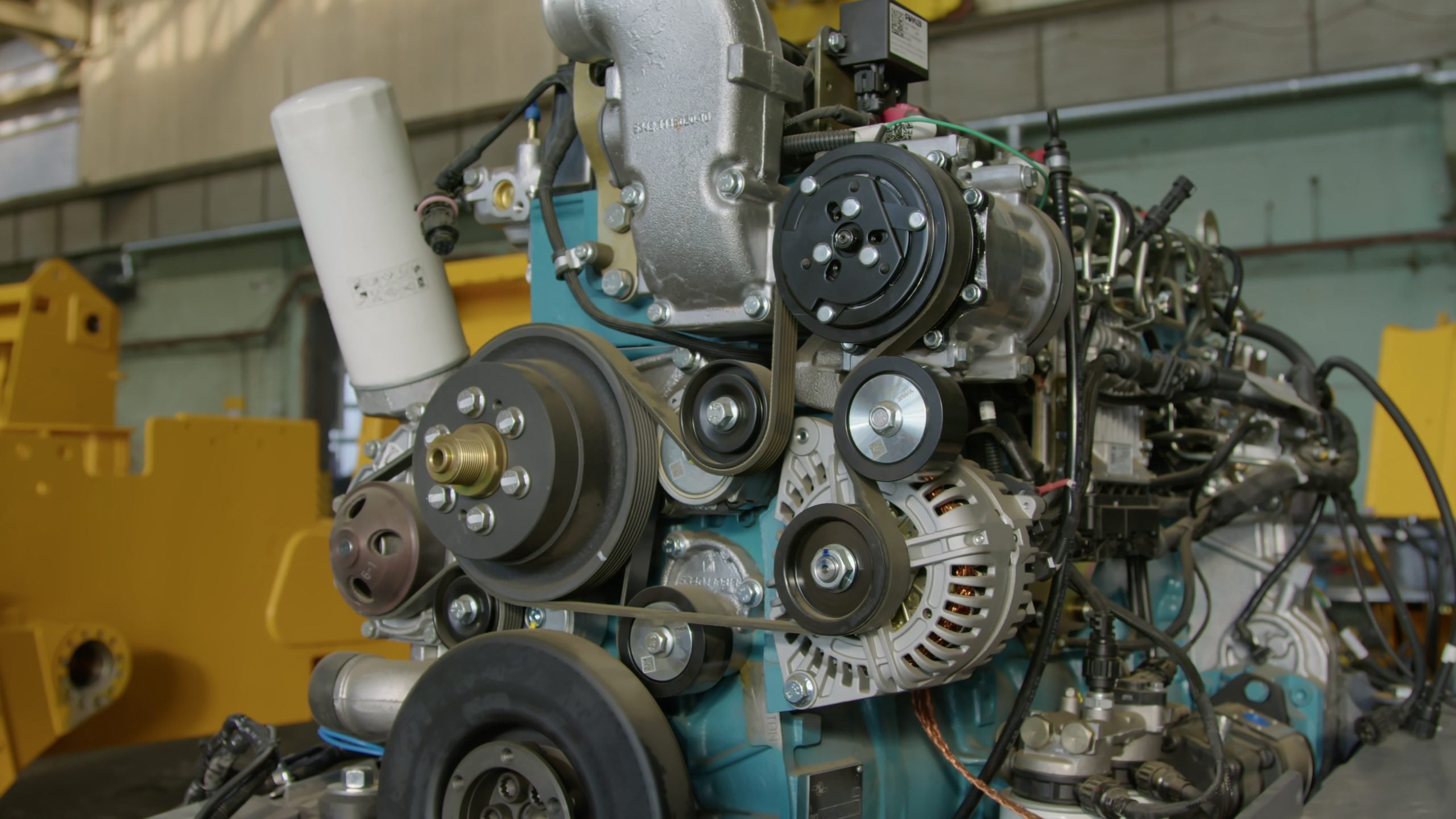
Engine Care 

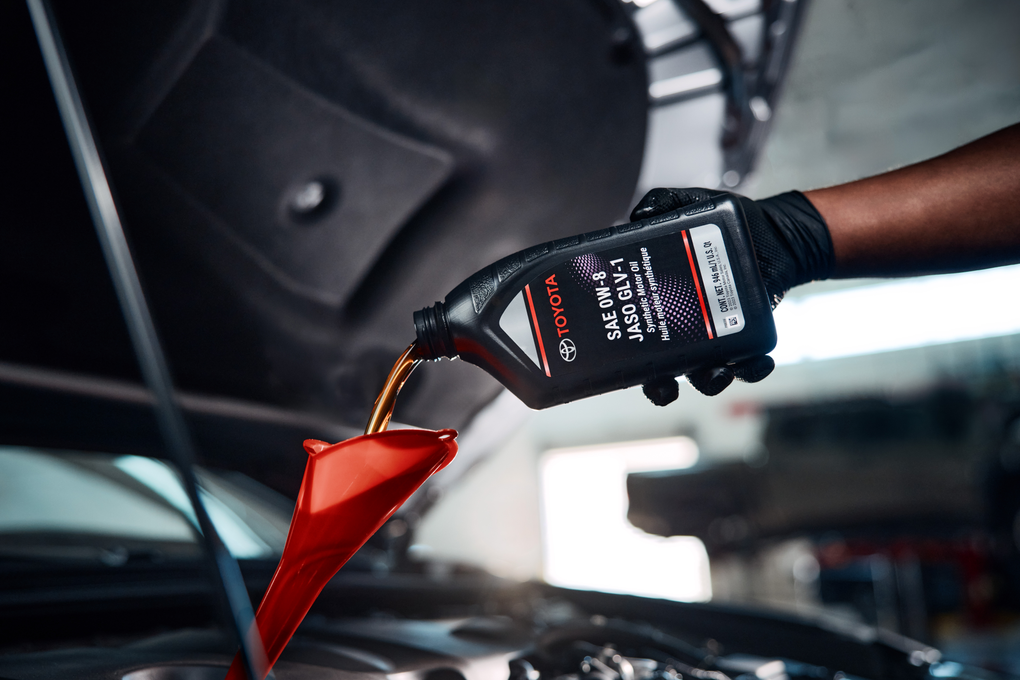
  • Oil & Filter Changes: First, it’s best practice to stick with routine car maintenance every 5,000-7,500 miles. However, if you notice any problems with your car, you should swing by Toyota of Clermont to get your ride checked out ASAP. A key tip to remember is to use high-mileage synthetic oils with additives that condition seals and reduce sludge.
  • Compression Test: Also, ensure your auto mechanic performs a compression test to check for worn piston rings or valves. This is super common as your vehicle ages.
  • Valve Adjustment: One thing that’s common to slip your mind is making sure that you get your valves adjusted if they require this auto service.

Transmission & Drivetrain 

  • Fluid & Filter Change: The next item on your car maintenance checklist is to make sure you replace transmission fluid and filter every 30,000-50,000 miles. Old fluid can create slipping, overheating, and car failure.
  • Leaks: Another item on your car maintenance checklist is checking for car leaks. Especially in the seals and gaskets around the pan and driveshaft.
  • Differential & Transfer Case: Be sure to change car fluids to prevent gear wear and tear and overheating.

Cooling System 

  • Coolant Flush: Flushing and replacing your car's coolant every 50,000 miles is best practice, too! Old car coolant can corrode the radiator, heater core, and engine block.
  • Inspect Hoses & Radiator: Additionally, check all hoses that appear soft, cracked, or bulging. And, double-check that radiator for any leaks or corrosion.
  • Thermostat & Water Pump: If this is going bad, you should have a replacement ASAP, because this can destroy your car engine.

Brakes 

  • Brake Fluid Flush: Also, have a brake fluid flush every 2-3 years. Old fluid absorbs moisture, which leads to corrosion and brake failure.
  • Inspect Pads, Rotors, Calipers, & Lines: Have your auto mechanic check for worn parts and check for leaks. Plus, pay special attention to the steel brake lines that are prone to rust.

car maintenance

Suspension & Steering 

  • Inspect & Replace Worn Parts: Auto parts that you should watch for on your car maintenance checklist are shocks, struts, bushings, ball joints, tie rods, and wheel bearings.
  • Alignment: Additionally, check out the wheel alignment at Toyota of Clermont, as this can lead to tire wear and improper handling.

Belts, Hoses, & Seals

  • Serpentine & Timing Belts/Chains: Also, check out what your car manufacturer says about when to replace these auto parts!
  • All Hoses: Next, be sure to replace car coolant, vacuum, and fuel hoses that can degrade over time.
  • Engine & Transmission Seals: Watch out for any oil or transmission fluid leaks.

Fuel System 

  • Fuel Filter: Checking your fuel filter on your car maintenance checklist is another super important task!
  • Injectors & Pump: Plus, clean injectors and test the fuel pump to make sure it has the proper pressure and flow.
  • Tanks & Lines: Watch out for any rust or leaks, which are more common as your car ages.

Electrical System 

  • Battery: The next item on your car maintenance checklist is the car battery. Test and replace your car battery if it’s weak.
  • Alternator & Starter: Also, test the output and replace the car alternator and starter if these show signs of failure.
  • Wiring & Grounds: Be sure to inspect this for corrosion, loose connections, and proper installation.

Exhaust System 

  • Leaks & Rust: Additionally, replace any rusted pipes, mufflers, and catalytic converters. Leaks can be super dangerous and cause you to fail your emission test.
  • Oxygen Sensors: Listen to the advice of your mechanic and replace these for fuel efficiency and emission control.

Tires & Wheels 

  • Tires: Another super important auto part to mark off your car maintenance checklist is the car tires! Watch out for any uneven tire wear, dry rot, and tread separation.
  • Wheel Bearings: Keep an ear out for any odd noises and replace these if needed.
  • Alignment & Balancing: Checking your wheel alignment and balancing is super important to ensure a smooth ride.

Body & Undercarriage 

  • Rust Inspection: Also, be sure to watch out for any rust along the frame, brake lines, and mounting points.
  • Weatherstripping & Seals: Replacing these items is important as it prevents water leaks and wind noise.

Clermont Toyota Service Center

Common Issues at 500,000 Miles 

In addition, Toyota of Clermont has to cover the common issues that occur at 500,000 miles on your car maintenance checklist.

  • Oil Consumption & Leaks: Be sure to check the worn pistons, valve seals, and gaskets that can cause your car engine to leak.
  • Loss of Compression: If your Clermont Toyota has a loss of compression, it can lead to rough running, poor performance, and hard starts.
  • Transmission Slipping or Harsh Shifts: Worn clutches, bands, and solenoids are important to check with your transmission.
  • Suspension & Poor Handling: If your Clermont Toyota has worn bushings, ball joints, and shocks, then bring your ride to our dealership ASAP.
  • Electrical Problems: Aging wires, corroded connectors, and failing sensors can cause wrong with anything electrical.
  • Rust & Corrosion: Check this with the road salt!
  • Cooling System Failures: If your ride overheats, this can cause the cooling system to fail, which can be a super costly expense down the line!
  • Brake Fade & Failure: Lastly, your ride can have corroded lines or components if this system gets messed up.

Clermont Toyota auto service

Car Maintenance Checklist Benefits 

It’s super important to stay on top of your car maintenance checklist! Plus, we’ve compiled a list of why this is so important to maintain! We’re here to break it down at Toyota of Clermont.

First, it’s super important because it makes your ride more reliable, safe, and last longer! And, when it’s time to resell your Clermont Toyota, you’ll get much more bang for your buck! Lastly, having routine car service can prevent an expensive auto repair down the line. Having your car maintenance checklist is super important, and be sure to stay on top of things.

What Happens If You Skip Auto Service at 500,000 Miles? 

However, if you don’t stay current on your auto service, it could lead to catastrophic fixes down the line. Some examples of these are major engine problems, transmission failure, brake failure, electrical fires, overheating, and head gasket failure. All of these auto repairs are a huge expense, and it’s better to stay current.

Toyota of Clermont Service Center

Schedule Auto Service at Toyota of Clermont! 

At Toyota of Clermont, we offer high-mileage service! Schedule your auto service with us today and stop by 16851 State Road 50 just west of the Florida Turnpike.
Posted in:

Related Posts

Car engine with exposed car belts

Car Belts Explained: A Beginner’s Guide

When it comes to vehicle maintenance, most Clermont drivers know about oil changes, tire rotations, and brake service. But what about car belts? Car belts play a critical role in keeping your engine and many of its essential systems running properly. While they may not get much attention, a worn or damaged car belt can leave you stranded on the side of the road, or even lead to costly repairs. At Toyota of Clermont, we believe every Clermont driver should have a basic understanding of the parts that keep their vehicle moving. Here’s a beginner friendly guide to the different car belts you may find under the hood, what they do, how to spot signs of wear, and when it’s time to have them inspected. Executive Summary Car belts keep your vehicle running smoothly: Car belts such as the serpentine belt and timing belt play essential roles in powering key engine components and maintaining proper engine performance. Different belts serve different purposes: The serpentine belt powers accessories like the alternator, air conditioning compressor, and power steering pump, while the timing belt keeps your engine's internal components synchronized. Recognize the warning signs of belt wear: Squealing noises, cracks, fraying, dashboard warning lights, engine overheating, and steering issues can all indicate it's time for a professional inspection. Routine inspections help prevent costly repairs: Replacing worn car belts before they fail can reduce the risk of breakdowns and expensive engine damage, especially in Florida's hot climate. Toyota of Clermont can help keep your vehicle reliable: Our factory-trained technicians can inspect your car belts during routine maintenance and recommend replacements when necessary to help keep your Toyota running its best. An Introduction to Car Belts Car belts are reinforced rubber belts designed to transfer power from your engine to other important components. As your engine runs, these belts spin pulleys that power various systems, helping everything operate smoothly. Modern engine belts are built to withstand heat, friction, and thousands of miles of driving, but they won’t last forever. As time passes, they can crack, stretch, wear down, or become damaged by the Clermont heat and age. Depending on your vehicle, you may have one or more of the following: Serpentine belt Timing belt (or a timing chain on many newer Toyota models) Drive belt Alternator belt Although some of these names are used interchangeably, each serves a different purpose. The Serpentine Belt: Powering Your Vehicle’s Essential Systems The serpentine belt is one of the most important car belts in modern vehicles. Unlike older vehicles that used separate belts, today’s cars often use a single serpentine belt to power multiple engine accessories. Your serpentine belt may power: The alternator The air conditioning compressor The power steering pump (when equipped) The water pump on some vehicles It’s called a serpentine belt because it snakes around several pulleys throughout the engine compartment. If your serpentine belt breaks while you’re driving, you’ll most likely notice problems almost immediately. Your battery may stop charging because the alternator is no longer operating. Your steering could become much more difficult if your vehicle uses hydraulic power steering, and your engine could overheat if the water pump is belt-driven. Most serpentine belts last between 60,000 and 100,000 miles, but regular inspections are the best way to determine their condition. Understanding the Time Belt While the serpentine belt powers accessories outside the engine, the timing belt has an entirely different job. A timing belt keeps the crankshaft and camshaft synchronized so your engine's valves open and close at exactly the right time. This precise timing is critical for proper engine performance. Unlike the serpentine belt, the timing belt can be found inside the engine behind protective covers, making it impossible to inspect during a quick glance under the hood. If a timing belt fails, the consequences can be serious. On many occasions, a broken timing belt can allow internal engine components to collide, potentially causing expensive engine damage. It’s worth noting that many newer Toyota models use a timing chain instead of a timing belt. Timing chains are generally designed to last much longer and often require less routine maintenance. Your owner’s manual or a Toyota service specialist can tell you whether your vehicle has a timing belt or timing chain. What’s the Difference Between a Drive Belt and an Alternator Belt? If you’ve heard someone mention a drive belt or alternator belt, don’t be confused. The term drive belt is often another name for the serpentine belt because it drives several engine accessories. Similarly, the term alternator belt comes from older vehicles that used a dedicated belt to power only the alternator. Today, most vehicles, including many Toyotas, use a single serpentine belt to power the alternator along with several other components. Although these names are still commonly used, they often refer to the same belt on modern vehicles. How to Tell If Your Car Belts Need Attention Since car belts wear gradually over time, it’s important to recognize the warning signs before one fails completely. Common symptoms of worn car belts include: Squealing or chirping noises from the engine Visible cracks or fraying Missing ribs on the belt A shiny or glazed appearance Dashboard battery warning light Air conditioning that suddenly stops working Difficulty steering (on vehicles with hydraulic power steering) Engine overheating Many of these symptoms don’t necessarily mean that the belt itself has failed. Sometimes the problem lies with a belt tensioner or pulley. That’s why it’s important to have your vehicle professionally inspected if you come across any unusual noises or warning signs. How Long Do Car Belts Last? There isn’t a single replacement schedule that applies to every vehicle. A serpentine belt should be inspected during routine maintenance and replaced whenever it shows signs of excessive wear and tear or it reaches the manufacturer’s recommended service interval. If your vehicle has a timing belt, it’s important to replace it according to the schedule listed in your owner’s manual. Waiting too long can increase the risk of major engine damage. Regular inspections are especially important in Clermont, where the high temperatures can cause rubber components to age more quickly over time. Why You Shouldn’t Ignore Car Belt Problems It can be very tempting to ignore a squealing belt for a few days or weeks, however, skipping these auto services can become much bigger ones if left unaddressed. A worn car belt can eventually snap without much warning, leaving you with a disabled vehicle and an unexpected repair bill. Replacing a car belt before it fails is almost always less expensive and more convenient, than dealing with a roadside breakdown. Schedule a Car Belt Inspection at Toyota of Clermont Whether you’re hearing an unusual noise or simply want peace of mind, our factory trained technicians at Toyota of Clermont are here to help. During routine maintenance, we can inspect your car belts, look for signs of wear and tear, and recommend replacements if needed. You can schedule service today by calling us at (352) 404-7000 or visit us in person just West of the Florida Turnpike at 16851 State Road 50. FAQs What does a serpentine belt do? A serpentine belt powers several important engine components, including the alternator, air conditioning compressor, power steering pump on many vehicles, and, in some models, the water pump. Is a drive belt the same as a serpentine belt? In most modern vehicles, yes. The term "drive belt" is commonly used to refer to the serpentine belt because it drives multiple engine accessories with a single car belt. Does every Toyota have a timing belt? No. Many newer Toyota models use a timing chain instead of a timing belt. Your owner's manual or a Toyota service technician can help you determine which system your vehicle has.

Close up shot of someone pouring engine oil

What Does Your Engine Oil Color Say About Your Vehicle’s Health?

Updated on July 3, 2026 If you’re constantly staying on top of your car’s health, then you know how important oil changes are for its overall well being. Oil changes are one of the most frequent auto services you’ll schedule for your vehicles. However, even if you get an oil change schedule with Toyota of Clermont and stick to a routine, it’s still very crucial to pay attention to what's happening in between your appointments. By checking up on your engine oil regularly and pulling out the dipstick, you can learn a lot about your car’s health. One of the easiest clues to spot is your engine oil color. While color alone won’t tell you the whole story, it can provide valuable insight into your engine’s condition and whether or not it's time to come in for service at Toyota of Clermont. Executive Summary Engine Oil Color Can Reveal Engine Health: Learn what different engine oil colors mean and how they can help identify potential maintenance needs or early signs of engine problems. Know What Each Oil Color Indicates: Discover the difference between healthy amber oil, dark or black oil, milky oil caused by coolant contamination, and frothy oil that may signal water intrusion. Watch for Other Warning Signs: Engine noise, reduced fuel economy, burning oil smells, exhaust smoke, and dashboard warning lights can all indicate it's time for an oil change or inspection. Regular Oil Checks Help Prevent Costly Repairs: Checking your engine oil level and color once a month or before long Clermont road trips can help catch issues early and keep your engine running smoothly. Follow Your Recommended Oil Change Schedule: While oil color is a helpful indicator, always follow your vehicle's maintenance schedule and consult the Toyota of Clermont service team for expert care. How to Read Your Engine Oil Color Engine oil has one of the toughest jobs in your vehicle. It lubricates moving engine components, helps regulate temperature, reduces friction, and captures dirt and contaminants. As time passes, heat and debris naturally change the appearance of your engine oil color. Understanding what different engine oil color changes mean can help you identify potential problems before they become expensive repairs. #1: Caramel, Amber or Tan Engine Oil Color Caramel, Amber or Tan engine oil means you're in good shape. This is the engine oil color you want to see when you pull out the dipstick. Fresh motor oil typically starts out as a clear amber, caramel, or honey like color. As long as the oil level falls between the two marks on the dipstick, your vehicle is likely operating normally. Different oil brands and formulations may vary slightly in appearance, but a clean amber engine oil color is a sign that your oil is still doing its job effectively. It’s still important to follow your manufacturer's recommended oil change intervals, even if the engine oil color is healthy. Modern synthetic oils can last much longer than conventional oils, but they eventually break down over time. #2 Dark Brown or Black Engine Oil Color If your engine oil color looks dark brown or black, it might be time for an oil change. Many Clermont drivers panic when they see dark oil, but darker oil isn’t always bad. In fact, oil naturally darkens as it circulates through your engine and collects contaminants. However, if your engine oil color is very dark and appears gritty, thick, or dirty, it could indicate that the oil is overdue for a replacement. Some signs that accompany dirty oil include: Increased engine noise Reduced fuel efficiency Rough engine performance Oil warning lights Burnt oil smell Running dirty oil through your engine can increase the wear on critical components. If your engine oil color appears extremely dark or contains visible debris, it’s a good idea to schedule service at Toyota of Clermont. #3 Creamy or Milky Engine Oil Color If your engine oil color is creamy or milky, there’s probably moisture mixing with the oil. A creamy, tan, or milkshake like engine oil color is never something you want to see. This often means coolant is leaking into the engine oil system. One of the most common causes of this creamy or milky engine oil color is a failing head gasket. The head gasket seals the engine block and cylinder head, which prevents coolant and oil from mixing. When it begins to fail, coolant can enter the oil passages, creating a milky appearance. Other symptoms may include: White smoke from the exhaust Overheating Rapid coolant loss Sweet smell from the exhaust Poor engine performance Since coolant contaminations can cause severe engine damage, you should schedule service immediately if you notice this type of engine oil color. #4 Milky and Frothy Engine Oil Color If you see a milky and frothy engine oil color, then water contamination may be present. Texture matters just as much as color. If your motor oil looks creamy and also has a frothy or foamy consistency, moisture has likely entered your vehicle's lubrication system. In some cases, short trips around Clermont don't allow the engine to fully warm up and can create condensation inside the engine. However, excessive foaming and forth can indicate a larger issue that requires professional diagnosis. Potential causes include: Water contamination Coolant leaks Condensation buildup Faulty engine seals Ignoring contaminated motor oil can lead to corrosion, poor lubrication, and premature engine wear. When in doubt, have your vehicle inspected by a certified technician. Why You Should Monitor Your Engine Oil Color Checking your engine oil color only takes a few minutes and can provide an early warning for developing problems. Ideally, you should inspect your engine oil color: Once a month Before long road trips After noticing unusual engine performance If dashboard warning lights appear To check you engine oil color properly: Park on level ground Turn the engine off and allow it to cool for several minutes Remove the dipstick and wipe it clean Reinsert the dipstick fully Pull it out again and inspect both the oil level and engine oil color While color can provide useful clues, it shouldn’t be the only factor you use to determine when an oil change is needed. Mileage, driving conditions, vehicle age, and manufacturer recommendations all play important roles. Other Signs It’s Time for an Oil Change Even if your engine oil color doesn’t look concerning, watch out for these additional indicators: Oil Change Reminder Light Modern vehicles monitor oil life and will alert you whenever service is approaching Increased Engine Noise Oil lubricates moving parts. When it breaks down, you may start to notice ticking, knocking, or increased engine noise Reduced Fuel Economy Dirty oil forces the engine to work harder, which might negatively affect gas mileage Burning Oil Smell An unusual oil odor may indicate leaks or overheating Excessive Exhaust Smoke Visible smoke from the exhaust can point to oil consumption or internal engine issues When Is It Time for an Oil Change? When it comes to changing your engine oil, intervals can vary based on vehicle and oil type. Many modern Toyota models using synthetic oil can go anywhere from 7.500 and 10,000 miles between oil changes under normal driving conditions. However, vehicles driven in severe conditions, such as heavy traffic, towing, frequent short trips around Clermont, or extreme temperatures, may require more frequent service. The best source for your vehicle’s specific maintenance schedule is your owners manual or the service experts at Toyota of Clermont. Schedule Your Next Oil Change at Toyota of Clermont! Need help decoding your engine oil color? Whether your engine oil looks darker than normal, appears milky, or you’re simply due for routine maintenance, the Toyota of Clermont service team is here to help. Call us today at (352) 404 7000 or visit us in person at 16851 State Road 50, just west of the Florida Turnpike. FAQs What is the normal engine oil color? Fresh engine oil is typically a clear amber, caramel, or honey-like color. As it circulates through the engine, it naturally darkens while collecting dirt and contaminants. As long as the oil level is correct and the oil isn't gritty, milky, or excessively thick, a gradual color change is usually normal. Does black engine oil always mean I need an oil change? No. Engine oil naturally becomes darker over time as it cleans and protects your engine. However, if the oil appears very thick, gritty, or pitch black and your vehicle is due for maintenance, it's a good idea to schedule an oil change at Toyota of Clermont. Always follow your vehicle's recommended service intervals rather than relying on color alone. Why does my engine oil look milky? Milky or creamy engine oil usually means moisture or coolant has mixed with the oil. This is commonly caused by a failing head gasket, but it can also result from condensation or other cooling system issues. Because contaminated oil can lead to serious engine damage, you should have your vehicle inspected by a certified Toyota of Clermont technician as soon as possible.

Toyota 4Runner in front of a sunset

Toyota 4Runner Oil Change Guide: Expert Tips from Clermont Toyota

Updated on June 5th, 2026 When purchasing a new SUV, it’s important to stay on top of routine maintenance. One of the most important services you’ll ever schedule is a Toyota 4Runner Oil Change. Whether you use your 4Runner for family road trips, commuting around Clermont, or Florida off road adventures, keeping up with your oil changes helps keep your SUV running smoothly for many years down the road. The Toyota 4Runner has built a stellar reputation for durability and longevity, but even ont of Toyota’s toughest SUVs still needs proper maintenance to stay in pristine condition. Experts at Toyota of Clermont are here to go over everything you need to know about your Toyota 4Runner oil change, including different oil types, oil capacity, maintenance intervals, warning signs, and why oil changes matter so much for your engine health. Executive Summary Engine Protection: Regular oil changes help reduce friction, prevent overheating, remove contaminants, and extend the life of your Toyota 4Runner's engine. Recommended Oil: Most modern Toyota 4Runner models use full synthetic oil, typically SAE 0W-20 or 5W-30, for optimal performance and protection. Service Intervals: Toyota generally recommends oil changes every 5,000–10,000 miles, though severe driving conditions may require more frequent service. Warning Signs: Dark oil, dashboard warning lights, loud engine noise, reduced fuel economy, and rough performance can indicate it's time for an oil change. Long-Term Reliability: Using genuine Toyota oil filters and following a complete maintenance schedule can help maximize your 4Runner's durability, performance, and resale value. Why Regular Toyota 4Runner Oil Changes Are Essential Your engine contains hundreds of moving parts that create friction and heat every time you drive through Clermont. Engine oil not only plays a major role in protecting those parts, but it also keeps everything operating properly. A routine Toyota 4Runner oil change helps: Lubricate engine components Reduce friction and wear Prevent overheating Improve fuel efficiency Remove dirt and contaminants Extend engine life Maintain overall performance Skipping your Toyota 4Runner oil change can lead to sludge buildup, overheating, poor performance, and even severe engine damage over time. If you plan on keeping your Toyota 4Runner well beyond 200,000 miles, consistent Toyota 4Runner oil changes are essential. What Type of Oil Should You Use in a Toyota 4Runner? One of the most common questions Clermont drivers ask is: “What kind of oil does my Toyota 4Runner need?” That answer mostly depends on the model year and engine type, but most modern Toyota 4Runner models use: Full synthetic motor oil Typically SAE 0W-20 or 5W-30 depending on the engine Toyota typically recommends full synthetic oil because it offers: Better engine protection Improved cold weather performance Better resistance to heat Longer lasting lubrication Cleaner engine operation At Toyota of Clermont, our service experts usually recommend full synthetic oil for the best long term performance and protection What About High Mileage Oil? If your Toyota 4Runner has over 75,000 miles on it, high mileage oil might be a smarter option. High mileage oils contain additives designed to: Reduce oil burn off Help prevent leaks Condition engine seals Reduce engine wear Our Clermont Toyota service team can help determine which oil is best for your specific 4Runner. Toyota 4Runner Oil Capacity When it comes to your Toyota 4Runner oil change, the service can vary based on the engine under the hood. Most Toyota 4Runner models require approximately: 5 to 8 quarts of oil Generally: Smaller engines use less oil Larger displacement engines require more oil The current generation of Toyota 4Runners are equipped with the 4.0L V6 engine, which typically uses around 6.6 quarts of oil with a filter change. It's very important to not overfill or underfill the engine during your Toyota 4Runner oil change. If you have too much or too little oil, you can negatively impact the engine's performance. If you’re unsure about your exact oil capacity, always check: Your owner’s manual The oil cap specifications Toyota service recommendations Everything You Need for a Toyota 4Runner Oil Change If your someone who plans on doing your own Toyota 4Runner oil change at home, here are the most basic supplies you will need: 5-8 quarts of approved motor oil Genuine Toyota oil filter Oil filter wrench Drain pan Funnel Gloves Socket wrench for the drain plug Replacement drain plug washer Shop towels or rags While DIY Toyota 4Runner oil changes are possible, many Clermont drivers prefer professional Toyota service since technicians can also inspect the vehicle for other maintenance needs during the appointment. When Should You Schedule a Toyota 4Runner Oil Change? Toyota 4Runner Oil changes have changed a lot over the years thanks to improvements in engine technology and synthetic oils. For many newer Toyota 4Runner models using full synthetic oil, Toyota generally recommends: Oil changes every 5,000 to 10,000 miles However, your actual interval may depend on: Driving habits Climate conditions Towing frequency Off road driving Stop and go traffic Engine age Severe Driving Conditions Now you may need more frequency oil changes if your Clermont driving habits are: Towing heavy loads Drive off road Sit in heavy traffic Take short trips often Drive in extreme heat Clermont heat can also put excess stress on your engine oil, especially during the summer months. If you are ever having any doubts, check your owners manual or speaking with a Toyota of Clermont technician is always the best move. Signs It’s Time for a Toyota 4Runner Oil Change Your Toyota 4Runner might give you some warning signs when it’s time for service. Common indicators include: Dashboard Warning Lights: Your maintenance reminder light or check engine light may light up when it’s time for a Toyota 4Runner oil change. Dark or Dirty Oil Fresh engine oil is amber colored. Old oil becomes dark and dirty over time as it collects contaminants. Loud Engine Noise Oil helps to reduce friction. If your engine sounds louder than usual, old engine oil may no longer be protecting components effectively. Burning Oil Smell A strong oil smell inside the cabin may be an indicator of old oil or even a possible leak. Reduced Fuel Economy Dirty engine oil forces your engine to work harder than normal, which can lead to a lower MPG. Rough Performance Sluggish acceleration or rough idling can sometimes point to overdue maintenance. The Risks of Skipping Regular Toyota 4Runner Oil Changes Skipping your Toyota 4Runner oil change can lead to some serious problems over time. Old oil tends to break down and lose its ability to: Lubricate engine parts Remove contaminants Control heat Eventually this can cause: Sludge buildup Excessive engine wear Poor fuel efficiency Overheating Engine failure Routine Toyota 4Runner oil changes are far less expensive than replacing an engine, which is why preventative maintenance matters so much. The Importance of Using Genuine Toyota Oil Filters Using a genuine Toyota oil filter during your Toyota 4Runner oil change is important because OEM filters are designed specifically for your engine. Genuine Toyota filers help: Capture contaminants effectively Maintain proper oil flow Protect engine components Improve reliability Since aftermarket filters can vary in quality, it's important to stick with Toyota approved parts as they are usually the safest option. Routine Toyota 4Runner Care Beyond Oil Changes While oil changes are one of the most important services, they are only one piece to maintaining your 4Runner the right way. Your regular maintenance schedule should also include: Tire rotations Brake inspections Battery checks Fluid inspections Air filter replacements Cabin filter replacements Transmission service Cooling system inspections Staying on top of your maintenance can help maximize your 4Runner’s longevity and resale value. Why So Many Clermont Drivers Trust the Toyota 4Runner The Toyota 4Runner remains one of Toyota’s most popular SUV because of its: Rugged durability Strong resale value Off road capability Spacious interior Proven reliability Many Clermont owners keep their 4Runner for well of a decade, and routine oil changes play a big role in that longevity. Whether you use your 4Runner for daily driving or weekend adventures around Clermont, protecting the engine with consistent maintenance is one of the smartest things you can do. Schedule Your Toyota 4Runner Oil Change At Toyota of Clermont Need to schedule your next Toyota 4Runner oil change? Toyota of Clermont is here to help. Our certified technicians know Toyota vehicles inside and out and can help keep you SUV running at its best. Call Toyota of Clermont at (325) 404-7001 or visit us at 16851 State Road 50, just west of the Florida Turnpike. What Type of Oil Should I Use in My 4Runner? Most modern Toyota 4Runner models use full synthetic motor oil, typically SAE 0W-20 or 5W-30, depending on the model year and engine. Full synthetic oil provides superior engine protection, better resistance to heat, cleaner engine operation, and longer-lasting performance. Always check your owner's manual for the exact oil specification recommended for your vehicle. What's a Recommended Maintenance Schedule for a 4Runner? In addition to regular oil changes every 5,000 to 10,000 miles, Toyota 4Runner owners should stay on top of routine services such as tire rotations, brake inspections, battery checks, fluid inspections, air filter replacements, cabin air filter replacements, transmission service, and cooling system inspections. Following a consistent maintenance schedule can help maximize reliability, performance, and resale value. How Do I Know If I Need an Oil Change? Common signs that your Toyota 4Runner may need an oil change include dashboard warning lights, dark or dirty oil, louder-than-normal engine noise, a burning oil smell, reduced fuel economy, and rough engine performance. If you notice any of these symptoms or you're approaching your recommended service interval, it's a good idea to schedule an oil change as soon as possible.