
Blog

All Clermont Toyota Tips New Toyota Clermont Toyota News Toyota Service Fun Friday Used Cars Clermont Toyota Service Toyota of Clermont Service
Teen driving safety

How to keep your teen safe when they get behind the wheel

Your teen is approaching legal driving age and couldn’t be more excited, so naturally, you couldn’t be more terrified. Teen driving safety is a huge deal. Busy roads can be a scary place for first-time drivers. That’s why it’s essential to teach your newbie safe driving practices and Toyota of Clermont wants to help. We’ve compiled a list of teen driving safety essentials to ensure your teen is ready to go and give you some peace of mind – let’s get started! 5 Rules of Teen Driving Safety Always, always, ALWAYS buckle up: This may seem like a no-brainer, but you would be surprised how often teens blow off the importance of seatbelts. Multiple studies prove that wearing your seatbelt significantly reduces injuries and mortality rates associated with traffic accidents. Be sure your teen makes it a habit to buckle up every time they get in the car. Avoid Distracted Driving: Distracted driving is the main teen driving safety tip you need to stress with your new driver. Distractions such as texting, eating, putting on makeup, and toying with the radio are the most common causes of accidents among teen drivers. Make it very clear you have a zero-tolerance policy for any distracted driving. You can also download a distracted driver app that will disable your teen’s phone while their car is in motion to eliminate temptation. Drive Defensively: When you start teaching your teen how to drive make sure you incorporate defensive driving skills into your lessons. These skills include: Anticipating other driver mistakes Being mindful of other vehicles, pedestrians, & motorists Obeying the speed limit Placing the proper distance between you and other cars Keeping your eyes on the road You can also enroll your new driver in a defensive driving course. Set a Passenger Limit: Even the most capable of drivers can become distracted when there are too many people in the vehicle. Our Clermont dealership recommends sitting down and deciding on a passenger limit for your teen’s first year on the road. A good range to start with is 2 to 3. This way, they can still enjoy their newfound freedom with friends but things won’t get out of hand. Select a Safe Vehicle: You want to make sure your teen is behind the wheel of a safe and reliable car. Fortunately, all of our Clermont Toyotas are composed of high-grade materials and come with state-of-the-art safety systems ( Toyota Safety Sense) to help avoid and mitigate the seriousness of traffic accidents. Plus, your teen is sure to fall in love with the look of some of our safest models like the Toyota Camry, the Toyota RAV4, and the Toyota C-HR. Have your teen join the Clermont Toyota family Follow these teen driving safety tips and have some confidence that your first-timer is well prepared. Stop by our Clermont dealership to find the perfect set of your wheels for your teen! We’re open seven days a week at 16851 State Road 50 just off the Florida Turnpike.

Clermont car shopping tips

8 used car warning signs: don't buy a lemon

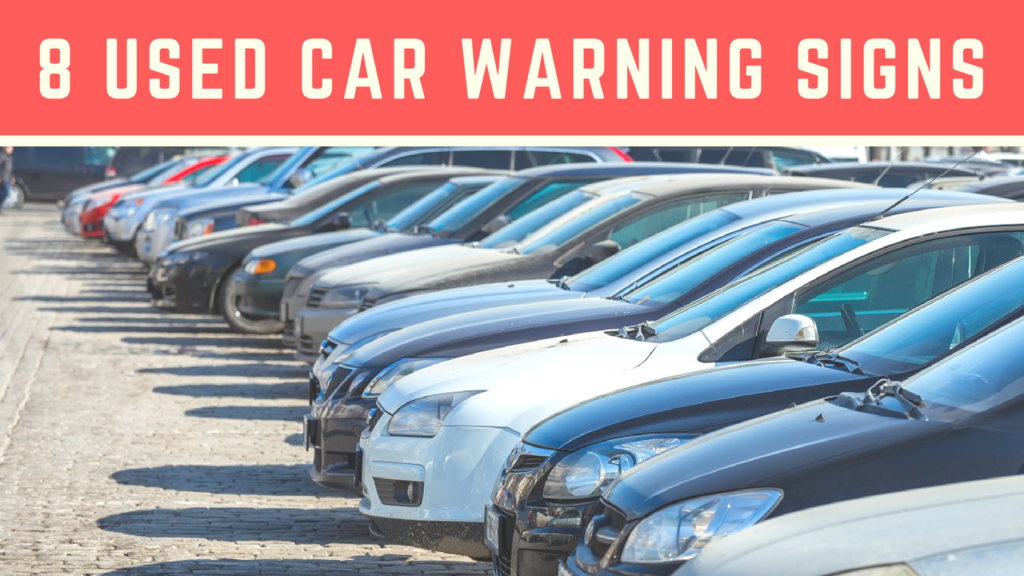
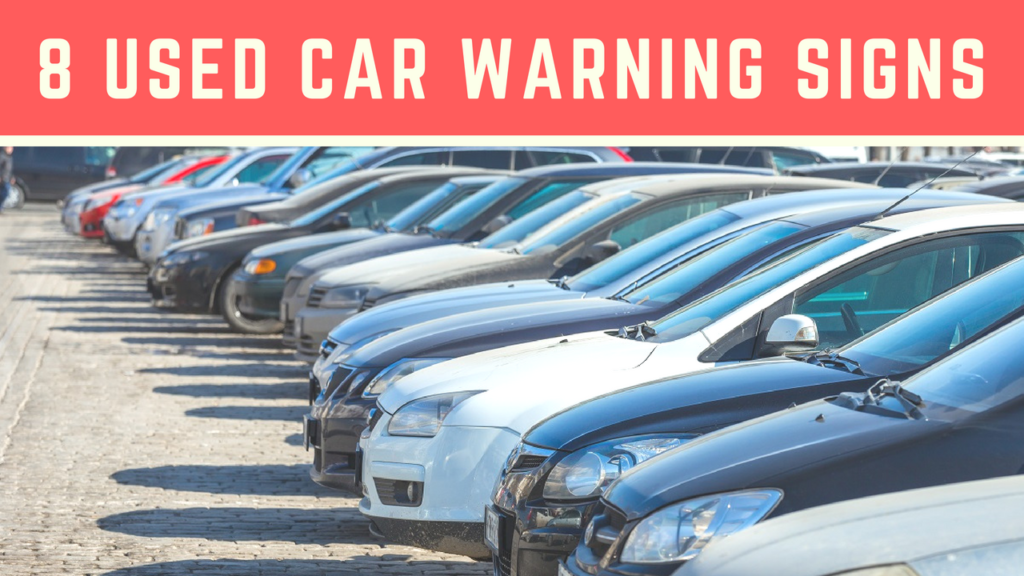
When shopping for a used car, you want quality. After all, you're sinking your hard-earned money into something that should last you for years to come. That's why it's so important to inspect the car thoroughly. Here at Toyota of Clermont, we offer high-quality used cars and each one of them comes with a CarFax history report. However, that's not always the case at other car lots and in private sales. We're here to list the warning signs you should be on the lookout for when shopping used cars. Toyota of Clermont shares car shopping tips to save you from buying a lemon Sign #1: Rust. Rust can be expensive to fix and it also indicates that this used car was not very well cared for - who knows what other maintenance the owner has skimped on? This could mean big-time auto repairs in your very near future. If you see rust, take a pass. Sign #2: Odometer doesn't match vehicle history report. If the odometer doesn't match the mileage that's listed on the used car history report (which should also have the car's VIN number on it), then you're most likely dealing with a shady seller who has tampered with the odometer to make the car seem like it has less miles. You don't want to buy a car from this person, as you don't know what else they're trying to disguise. Sign #3: Mismatched panels or paint. If you see panels that are mismatched or don't quite meet, or you notice a different paint color on one part of the car, start asking questions. These are all indicators that the car has been in an accident. The accident should be listed on a vehicle history report, and you need to keep in mind that previous accidents can bring down a vehicle's value, which can affect your resale plans. Sign #4: Check engine light doesn't come on. If the check engine light doesn't come on at all, you've got issues. It should light up for a few seconds when you first turn the car on so if you don't see it glowing in the dash, chances are the owner has messed with it to ensure it doesn't light up at all (probably because it turns on all the time due to actual issues with the vehicle). Sign #5: Leaks under the car. If you see any leaks under the car, immediately question what's going on under the hood. You shouldn't see any leaks of any kind pooling underneath the vehicle so if you do, be sure to bring the car to a mechanic before you purchase. Sign #6: Car is turned on when you arrive. If the car is already turned on when you get there for your test drive, the seller is probably trying to hide an issue that acts up when it's being started. Ask them to turn it off, let it cool, and then try turning it on yourself. Make sure it starts up smoothly and easily. Sign #7: You smell mildew. If you smell mildew in the car, be wary. This usually indicates water damage and even if it's just from someone leaving the window open in the rain, the mildew smell is very hard to get rid of. Sign #8: The airbag warning light is on. Seeing an airbag warning light in the dash can mean that the airbag was deployed (so the car got into an accident) and was improperly reinstalled. This can be very dangerous for you and your passengers! Shop our Clermont Toyota inventory today! Ready to shop reliable used cars? Come to Toyota of Clermont today - we're open seven days a week at 16851 State Road 50!

Clermont car shopping tips

8 used car warning signs: don't buy a lemon

When shopping for a used car, you want quality. After all, you're sinking your hard-earned money into something that should last you for years to come. That's why it's so important to inspect the car thoroughly. Here at Toyota of Clermont, we offer high-quality used cars and each one of them comes with a CarFax history report. However, that's not always the case at other car lots and in private sales. We're here to list the warning signs you should be on the lookout for when shopping used cars. Toyota of Clermont shares car shopping tips to save you from buying a lemon Sign #1: Rust. Rust can be expensive to fix and it also indicates that this used car was not very well cared for - who knows what other maintenance the owner has skimped on? This could mean big-time auto repairs in your very near future. If you see rust, take a pass. Sign #2: Odometer doesn't match vehicle history report. If the odometer doesn't match the mileage that's listed on the used car history report (which should also have the car's VIN number on it), then you're most likely dealing with a shady seller who has tampered with the odometer to make the car seem like it has less miles. You don't want to buy a car from this person, as you don't know what else they're trying to disguise. Sign #3: Mismatched panels or paint. If you see panels that are mismatched or don't quite meet, or you notice a different paint color on one part of the car, start asking questions. These are all indicators that the car has been in an accident. The accident should be listed on a vehicle history report, and you need to keep in mind that previous accidents can bring down a vehicle's value, which can affect your resale plans. Sign #4: Check engine light doesn't come on. If the check engine light doesn't come on at all, you've got issues. It should light up for a few seconds when you first turn the car on so if you don't see it glowing in the dash, chances are the owner has messed with it to ensure it doesn't light up at all (probably because it turns on all the time due to actual issues with the vehicle). Sign #5: Leaks under the car. If you see any leaks under the car, immediately question what's going on under the hood. You shouldn't see any leaks of any kind pooling underneath the vehicle so if you do, be sure to bring the car to a mechanic before you purchase. Sign #6: Car is turned on when you arrive. If the car is already turned on when you get there for your test drive, the seller is probably trying to hide an issue that acts up when it's being started. Ask them to turn it off, let it cool, and then try turning it on yourself. Make sure it starts up smoothly and easily. Sign #7: You smell mildew. If you smell mildew in the car, be wary. This usually indicates water damage and even if it's just from someone leaving the window open in the rain, the mildew smell is very hard to get rid of. Sign #8: The airbag warning light is on. Seeing an airbag warning light in the dash can mean that the airbag was deployed (so the car got into an accident) and was improperly reinstalled. This can be very dangerous for you and your passengers! Shop our Clermont Toyota inventory today! Ready to shop reliable used cars? Come to Toyota of Clermont today - we're open seven days a week at 16851 State Road 50!

Car Suspension Maintenance

Sure-fire Ways to Troubleshoot your Suspension

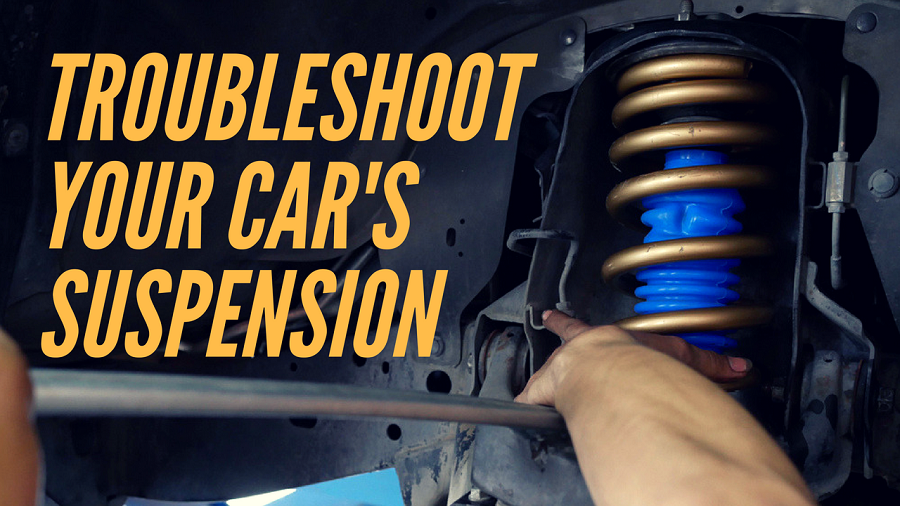
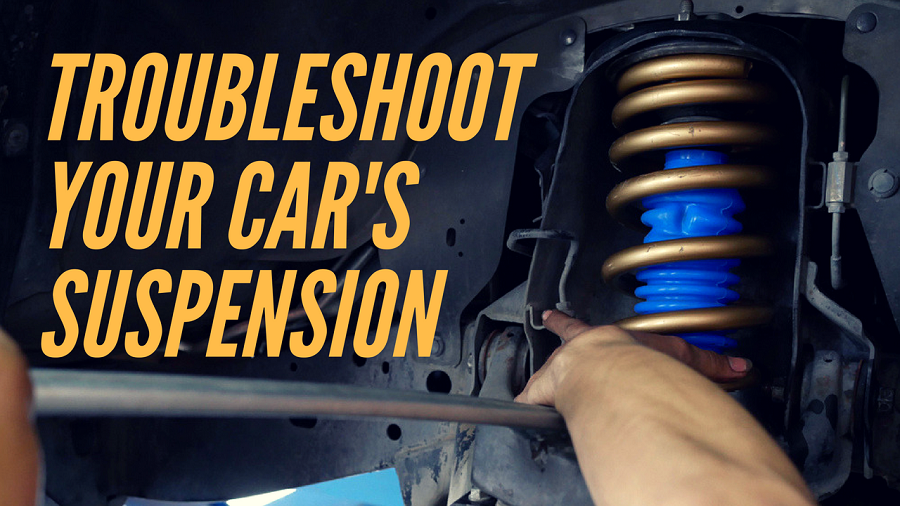
Think you may be having problems with your car’s suspension? Find out easy ways to troubleshoot them with our Toyota of Clermont auto tech experts! The Importance of your Car Suspension Before we get into how you can troubleshoot your car suspension, you should be in the know about the details of this vital automotive component. This system’s main responsibility is to provide you with a smooth and enjoyable ride. Your suspension gives you control over the direction of your wheels through the steering wheel. It also plays an important role when you press on the brakes. Needless to say, it is of the utmost importance you keep your car suspension in tip-top shape. If it’s not, your car will suffer some pretty serious damages. With this system, you have five different types to choose from – Trailing Arm, Swing Axle, MacPherson Strut, Double Wishbone, and Leading Arm. MacPherson Strut being the most commonly used system with Double Wishbone close behind it. High-performance suspension systems are also available for purchase for vehicles specifically built for racing, towing, or off-roading. Toyota of Clermont Tells you the Symptoms Keeping your car’s suspension in good condition is easy if you stay on top of its maintenance. Our Clermont service center can put you on a good car maintenance routine so all you’ll have to do is drive in at your appointment times. Plus, each time you come in for maintenance, our certified auto techs will conduct a multi-point inspection to catch any car malfunctions that may be developing before they become serious. How can you tell if there is a problem with your suspension? Here is a list of the tell-tale signs straight from our Clermont experts: You’re having difficulty steering. Your car is riding more rough than normal. A good way to spot this symptom is by going over potholes or speed bumps. If these driving obstacles are more noticeable than usual, you most likely have a suspension issue. Your vehicle isn’t driving straight. If you take your hands off the wheel and your car veers to the side, this is a good indicator there is a suspension problem. Your steering wheel vibrates or shudders when you drive. Your car makes knocking or squeaking noises when you turn. You hear knocking, squeaking, or clunking noises every time you make a turn. Your steering feels looser than it usually does. If your steering feels loose, you will have to turn your wheel further to make the same turns you normally would. Is your car exhibiting any of these symptoms? Then you most likely have a suspension issue on your hands. Don’t let the situation worsen and bring your set of wheels into our Toyota of Clermont dealership. You can find us at 16851 State Road 50 just off the Florida Turnpike. We’re open seven days a week for your convenience and are always running service specials. Call and schedule your appointment today at (352) 404-7001.
Car Suspension Maintenance

Sure-fire Ways to Troubleshoot your Suspension

Think you may be having problems with your car’s suspension? Find out easy ways to troubleshoot them with our Toyota of Clermont auto tech experts! The Importance of your Car Suspension Before we get into how you can troubleshoot your car suspension, you should be in the know about the details of this vital automotive component. This system’s main responsibility is to provide you with a smooth and enjoyable ride. Your suspension gives you control over the direction of your wheels through the steering wheel. It also plays an important role when you press on the brakes. Needless to say, it is of the utmost importance you keep your car suspension in tip-top shape. If it’s not, your car will suffer some pretty serious damages. With this system, you have five different types to choose from – Trailing Arm, Swing Axle, MacPherson Strut, Double Wishbone, and Leading Arm. MacPherson Strut being the most commonly used system with Double Wishbone close behind it. High-performance suspension systems are also available for purchase for vehicles specifically built for racing, towing, or off-roading. Toyota of Clermont Tells you the Symptoms Keeping your car’s suspension in good condition is easy if you stay on top of its maintenance. Our Clermont service center can put you on a good car maintenance routine so all you’ll have to do is drive in at your appointment times. Plus, each time you come in for maintenance, our certified auto techs will conduct a multi-point inspection to catch any car malfunctions that may be developing before they become serious. How can you tell if there is a problem with your suspension? Here is a list of the tell-tale signs straight from our Clermont experts: You’re having difficulty steering. Your car is riding more rough than normal. A good way to spot this symptom is by going over potholes or speed bumps. If these driving obstacles are more noticeable than usual, you most likely have a suspension issue. Your vehicle isn’t driving straight. If you take your hands off the wheel and your car veers to the side, this is a good indicator there is a suspension problem. Your steering wheel vibrates or shudders when you drive. Your car makes knocking or squeaking noises when you turn. You hear knocking, squeaking, or clunking noises every time you make a turn. Your steering feels looser than it usually does. If your steering feels loose, you will have to turn your wheel further to make the same turns you normally would. Is your car exhibiting any of these symptoms? Then you most likely have a suspension issue on your hands. Don’t let the situation worsen and bring your set of wheels into our Toyota of Clermont dealership. You can find us at 16851 State Road 50 just off the Florida Turnpike. We’re open seven days a week for your convenience and are always running service specials. Call and schedule your appointment today at (352) 404-7001.
Tire rotation in Orlando

How often should tires be rotated? Car care made easy

It’s very important you keep your car tires in good shape. After all, they’re the only part of your car to actually make contact with the road. That’s why Toyota of Clermont is here to give you the 411 on tire rotations. We want to ensure your tires last as long as possible. Do your Clermont Toyota a favor and keep reading! How often should tires be rotated? Your car tires should be checked and rotated often. Our certified techs recommend every 5,000 to 10,000 miles. However, it’s always smart to consult your owner’s manual to ensure they don’t need to be inspected more frequently. Also, take into consideration that car tires differ in how they wear down based on your vehicle’s body design and where your tires sit underneath the frame. What causes uneven wearing? As your tires are constantly in contact with the road, it’s inevitable they will eventually wear down. However, if they wear unevenly their lifespan will be significantly shorter and your drive will be far from a smooth one. Your front tires are directly controlled by your steering wheel. Therefore, they experience a lot more movement than your rear tires. All of this additional turning exposes your front tires to more friction and causes the rubber to break down at different rates. Another factor that causes uneven wearing is unbalanced tires. It’s no unusual occurrence for tires to not stay perfectly symmetrical or maintain an even weight distribution. These factors will provide you with an unbalanced drive and will put you on the fast lane to uneven tire wear. The Clermont guide to tire rotations: How often should tires be rotated and why? Routine rotations extend the life of your tires by evening out their wear pattern. This auto service can be done at home if you’re a seasoned veteran and have the proper tools, but if you’re not a certified auto technician we recommend leaving this job to the professionals. Whether you take your car to our Clermont service center or do the job at home, you should know there are different types of tire rotations. The best car tire maintenance for you depends on your vehicle and tire type. Check out the guide below: Front to rear tire rotation: Car tires are moved from front to rear on both sides. Vehicle type: Same-size wheels Tire type: directional (tires rotate in one direction) Rearward cross or “X” rotation: Tires rotate from rear to front, then left front to right rear and right front to left rear. Vehicle type: rear & 4-wheel drive Tire type: directional Side to side rotation: Front tires are switched then back tires are switched. Vehicle type: different-size wheels Tire type: nondirectional (tires can rotate in both directions) Forward cross or “X” rotation: Tires are moved front to rear, then left rear to right front and right rear to left front. Vehicle type: front-wheel drive Tire type: nondirectional Stop by Toyota of Clermont and check tire rotations off your to-do list today! We’re always running service specials to get your car the maintenance it needs at a price you deserve. Find us at 16851 State Road 50 just off the Florida Turnpike.
Tire rotation in Orlando

How often should tires be rotated? Car care made easy

It’s very important you keep your car tires in good shape. After all, they’re the only part of your car to actually make contact with the road. That’s why Toyota of Clermont is here to give you the 411 on tire rotations. We want to ensure your tires last as long as possible. Do your Clermont Toyota a favor and keep reading! How often should tires be rotated? Your car tires should be checked and rotated often. Our certified techs recommend every 5,000 to 10,000 miles. However, it’s always smart to consult your owner’s manual to ensure they don’t need to be inspected more frequently. Also, take into consideration that car tires differ in how they wear down based on your vehicle’s body design and where your tires sit underneath the frame. What causes uneven wearing? As your tires are constantly in contact with the road, it’s inevitable they will eventually wear down. However, if they wear unevenly their lifespan will be significantly shorter and your drive will be far from a smooth one. Your front tires are directly controlled by your steering wheel. Therefore, they experience a lot more movement than your rear tires. All of this additional turning exposes your front tires to more friction and causes the rubber to break down at different rates. Another factor that causes uneven wearing is unbalanced tires. It’s no unusual occurrence for tires to not stay perfectly symmetrical or maintain an even weight distribution. These factors will provide you with an unbalanced drive and will put you on the fast lane to uneven tire wear. The Clermont guide to tire rotations: How often should tires be rotated and why? Routine rotations extend the life of your tires by evening out their wear pattern. This auto service can be done at home if you’re a seasoned veteran and have the proper tools, but if you’re not a certified auto technician we recommend leaving this job to the professionals. Whether you take your car to our Clermont service center or do the job at home, you should know there are different types of tire rotations. The best car tire maintenance for you depends on your vehicle and tire type. Check out the guide below: Front to rear tire rotation: Car tires are moved from front to rear on both sides. Vehicle type: Same-size wheels Tire type: directional (tires rotate in one direction) Rearward cross or “X” rotation: Tires rotate from rear to front, then left front to right rear and right front to left rear. Vehicle type: rear & 4-wheel drive Tire type: directional Side to side rotation: Front tires are switched then back tires are switched. Vehicle type: different-size wheels Tire type: nondirectional (tires can rotate in both directions) Forward cross or “X” rotation: Tires are moved front to rear, then left rear to right front and right rear to left front. Vehicle type: front-wheel drive Tire type: nondirectional Stop by Toyota of Clermont and check tire rotations off your to-do list today! We’re always running service specials to get your car the maintenance it needs at a price you deserve. Find us at 16851 State Road 50 just off the Florida Turnpike.
How to Avoid Flat Tires

7 Ways to Prevent Flat Tires

Any driver who’s experienced a flat tire can tell you it’s not a fun experience. Whether you’re running late to work or on your way to an important event, they always seem to happen at the worst possible times. The good news is there are preventative measures you can take to avoid your car tires failing and Toyota of Clermont is here to fill you in. Check out these 7 ways to avoid a flat. Expert care for your car tires It’s a no-brainer that tires are very important. After all, they’re the only part of your car in contact with the road, hence why they’re so vulnerable. Studies show flats and blowouts are a leading cause of highway traffic accidents. That being said, keeping up with your tires not only can convenience you but can also help avoid potential collisions. Check out these tips from our Clermont Toyota techs: Regularly check air pressure One of the most common causes of blowouts and flats is underinflated tires. When car tires are below their set PSI (pounds per square inch) they expand and produce more friction. That friction turns into excessive heat which usually leads to a blowout. To avoid this, check your air pressure regularly. You can easily do this at your local gas station. Watch for uneven wear Inspect your tread regularly for uneven wear. Frequent fast starts and sudden stops break down tread more quickly and cause the rubber to break down irregularly. Avoid construction sites If possible, find alternative routes to avoid active construction sites and poorly maintained roads. Nails, glass, metal, rocks, potholes, among other debris, are common in these areas and put you at risk of puncturing your car tires. Purchase high-quality tires When you’re in the market for new tires, be sure to pay attention to tread. You want to purchase tires with a thick, puncture resistant build. Our Clermont service techs recommend looking for tires with good wear warranties. Don’t overload Keep your tires’ maximum load rafting number in mind when loading up. You can find this number on the sidewall of your car tires near the center. By never exceeding this number you avoid potential tire failure from overloaded tires. Keep up with tire recalls Tire recalls are not unheard of. Faulty materials and manufacturing defects can lead to tread separation, flats, and blowouts. Sign up for the NHTSA’s Tire and Vehicle Recall Information email alerts to stay in the know about tire recalls. Take special precautions with spares If you find yourself with a flat tire and having to drive on your spare, exercise extreme caution. Spare tires are not meant for high speeds or long distances. Do not exceed 50 mph and drive straight to our Clermont dealership to get an affordable new car tire. Tire matching at Toyota of Clermont If despite all of these efforts you still manage to get a flat tire, come to Toyota of Clermont. We will match any tire price to ensure you get the best deal on the best tire for your ride. Find us at 16851 State Road 50 just off the Florida Turnpike.
How to Avoid Flat Tires

7 Ways to Prevent Flat Tires

Any driver who’s experienced a flat tire can tell you it’s not a fun experience. Whether you’re running late to work or on your way to an important event, they always seem to happen at the worst possible times. The good news is there are preventative measures you can take to avoid your car tires failing and Toyota of Clermont is here to fill you in. Check out these 7 ways to avoid a flat. Expert care for your car tires It’s a no-brainer that tires are very important. After all, they’re the only part of your car in contact with the road, hence why they’re so vulnerable. Studies show flats and blowouts are a leading cause of highway traffic accidents. That being said, keeping up with your tires not only can convenience you but can also help avoid potential collisions. Check out these tips from our Clermont Toyota techs: Regularly check air pressure One of the most common causes of blowouts and flats is underinflated tires. When car tires are below their set PSI (pounds per square inch) they expand and produce more friction. That friction turns into excessive heat which usually leads to a blowout. To avoid this, check your air pressure regularly. You can easily do this at your local gas station. Watch for uneven wear Inspect your tread regularly for uneven wear. Frequent fast starts and sudden stops break down tread more quickly and cause the rubber to break down irregularly. Avoid construction sites If possible, find alternative routes to avoid active construction sites and poorly maintained roads. Nails, glass, metal, rocks, potholes, among other debris, are common in these areas and put you at risk of puncturing your car tires. Purchase high-quality tires When you’re in the market for new tires, be sure to pay attention to tread. You want to purchase tires with a thick, puncture resistant build. Our Clermont service techs recommend looking for tires with good wear warranties. Don’t overload Keep your tires’ maximum load rafting number in mind when loading up. You can find this number on the sidewall of your car tires near the center. By never exceeding this number you avoid potential tire failure from overloaded tires. Keep up with tire recalls Tire recalls are not unheard of. Faulty materials and manufacturing defects can lead to tread separation, flats, and blowouts. Sign up for the NHTSA’s Tire and Vehicle Recall Information email alerts to stay in the know about tire recalls. Take special precautions with spares If you find yourself with a flat tire and having to drive on your spare, exercise extreme caution. Spare tires are not meant for high speeds or long distances. Do not exceed 50 mph and drive straight to our Clermont dealership to get an affordable new car tire. Tire matching at Toyota of Clermont If despite all of these efforts you still manage to get a flat tire, come to Toyota of Clermont. We will match any tire price to ensure you get the best deal on the best tire for your ride. Find us at 16851 State Road 50 just off the Florida Turnpike.

New Toyota Cars

Top Honors for Toyota at Texas Auto Roundup

Toyota stole the spotlight at this year’s Texas Auto Roundup and our Clermont dealership has the inside scoop for you. Toyota took home first place prizes for some of their new Toyota cars including – the 2019 Avalon for best full-size car and best new interior, the 2019 Corolla Hatchback for best compact car, and the 2018 Camry for best mid-size car. Needless to say, it was definitely a successful event. New Toyotas worthy of first place How the roundup works Hosted at the Eagles Canyon Raceway, the roundup included 2 days of in-depth, on-site testing. Over 45 vehicles competed for first in 12 different classes. The cars that participated were evaluated by 50 auto savvy journalists in 5 different categories – exterior, interior, value, performance, and aesthetic appeal. After multiple test drives and inspections, the journalists unanimously agreed the 3 new Toyotas deserved their first place titles. The awards clearly show that these new Toyota cars are raising the bar in terms of design, tech, and performance. Let’s take a closer look at the top ranking vehicles and what earned them their first place spots. 2019 Toyota Avalon For its 2019 model year, the Avalon is sporting some serious upgrades. This Clermont Toyota sedan is the perfect car for someone who wants a classy, sophisticated ride with the tech features of tomorrow. Here are some of its best features: All-new 3.5L V6 engine with 8-speed automatic transmission Available 4 cylinder 2.5L hybrid engine with new hybrid battery placement for additional cargo space Adaptive variable suspension 5 driving modes: Normal, ECO, Sport, Sport +, and Custom Sharp, modern exterior design Wood-trim and polished leather interior First Toyota with Apple CarPlay for safe iPhone usage Qi Wireless device charger 2019 Toyota Corolla Hatchback The new take on the Toyota Corolla has everyone talking. From a fresh look to a smoother performance to advanced entertainment features, this new Toyota is not playing around. As we await its arrival at our Clermont dealership, familiarize yourself with the most exciting parts of the remodel: New feather-like feel and steeper seating angle with updated body composition Entirely new front end and grille design with rounded hood nose and a wider, lower wheelbase First Toyota available in new exterior color, Rival Blue Upgraded TNGA 2.0L Dynamic Force Engine with rev-matching transmission Siri Eyes Free System Dynamic Voice Recognition A D-4S fuel injection system 2018 Toyota Camry The Toyota Camry has always been popular, but its 2018 transformation made it an absolute must-have! This new Toyota ditched its simple, play-it-safe reputation behind and traded it in for a sleek and sporty one. Check out the major upgrades the Camry is rocking: Sporty exterior build composed of sleek body lines and a low-to-the-ground stance Selection of 2.5L 4-cylinder engine or a 3.5L V6 engine Bird’s Eye View camera equipped with perimeter scan for better tight-space maneuvering 19-in. black machined-finish alloy wheels Strut front suspension and double wishbone style multi-link rear suspension for optimal handling High definition 8-in. multimedia touchscreen Paddle shifters Head to Toyota of Clermont for a test drive Dying to test drive the winners? Come to Toyota of Clermont. Find us at 16851 State Road 50 just off the Florida Turnpike.

New Toyota Cars

Top Honors for Toyota at Texas Auto Roundup

Toyota stole the spotlight at this year’s Texas Auto Roundup and our Clermont dealership has the inside scoop for you. Toyota took home first place prizes for some of their new Toyota cars including – the 2019 Avalon for best full-size car and best new interior, the 2019 Corolla Hatchback for best compact car, and the 2018 Camry for best mid-size car. Needless to say, it was definitely a successful event. New Toyotas worthy of first place How the roundup works Hosted at the Eagles Canyon Raceway, the roundup included 2 days of in-depth, on-site testing. Over 45 vehicles competed for first in 12 different classes. The cars that participated were evaluated by 50 auto savvy journalists in 5 different categories – exterior, interior, value, performance, and aesthetic appeal. After multiple test drives and inspections, the journalists unanimously agreed the 3 new Toyotas deserved their first place titles. The awards clearly show that these new Toyota cars are raising the bar in terms of design, tech, and performance. Let’s take a closer look at the top ranking vehicles and what earned them their first place spots. 2019 Toyota Avalon For its 2019 model year, the Avalon is sporting some serious upgrades. This Clermont Toyota sedan is the perfect car for someone who wants a classy, sophisticated ride with the tech features of tomorrow. Here are some of its best features: All-new 3.5L V6 engine with 8-speed automatic transmission Available 4 cylinder 2.5L hybrid engine with new hybrid battery placement for additional cargo space Adaptive variable suspension 5 driving modes: Normal, ECO, Sport, Sport +, and Custom Sharp, modern exterior design Wood-trim and polished leather interior First Toyota with Apple CarPlay for safe iPhone usage Qi Wireless device charger 2019 Toyota Corolla Hatchback The new take on the Toyota Corolla has everyone talking. From a fresh look to a smoother performance to advanced entertainment features, this new Toyota is not playing around. As we await its arrival at our Clermont dealership, familiarize yourself with the most exciting parts of the remodel: New feather-like feel and steeper seating angle with updated body composition Entirely new front end and grille design with rounded hood nose and a wider, lower wheelbase First Toyota available in new exterior color, Rival Blue Upgraded TNGA 2.0L Dynamic Force Engine with rev-matching transmission Siri Eyes Free System Dynamic Voice Recognition A D-4S fuel injection system 2018 Toyota Camry The Toyota Camry has always been popular, but its 2018 transformation made it an absolute must-have! This new Toyota ditched its simple, play-it-safe reputation behind and traded it in for a sleek and sporty one. Check out the major upgrades the Camry is rocking: Sporty exterior build composed of sleek body lines and a low-to-the-ground stance Selection of 2.5L 4-cylinder engine or a 3.5L V6 engine Bird’s Eye View camera equipped with perimeter scan for better tight-space maneuvering 19-in. black machined-finish alloy wheels Strut front suspension and double wishbone style multi-link rear suspension for optimal handling High definition 8-in. multimedia touchscreen Paddle shifters Head to Toyota of Clermont for a test drive Dying to test drive the winners? Come to Toyota of Clermont. Find us at 16851 State Road 50 just off the Florida Turnpike.

Car Brakes Maintenance

How to Check Brake Pads

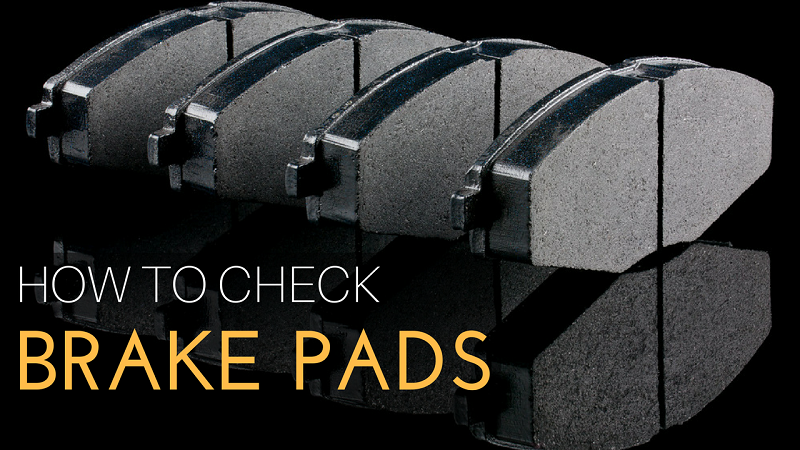
Your car brakes are a very important part of your vehicle that tends to get overlooked. Routinely checking on your brake pads is a sure-fire way to extend the longevity of your car’s life. Toyota of Clermont is here to expand your car maintenance knowledge by explaining when and how to check brake pads without removing the wheel to replace them. Do you and your car a favor and keep on reading! <span data-mce-type="bookmark" style="display: inline-block; width: 0px; overflow: hidden; line-height: 0;" class="mce_SELRES_start"></span> Do you know how to check your Toyota brake pads? There’s no set timeline for when you need to replace your Toyota brake pads, it all depends on where you drive and your driving style. If you’re more of a city dweller, you’ll probably have to change your pads sooner than someone who is a backroads driver. This is due to the start and stop nature of city traffic. A good rule of thumb is to check your brake pads every time you come in for a tire rotation, about every 6 months. Be sure to check your owner’s manual as well to see if there are any specifications for your car brakes. Signs you need to check your brake pads Your Clermont Toyota’s brakes are designed to give signals to let you know when they need car maintenance. Here are the most common ones to look out for: Squeaking or whining when you brake Delayed stops More pedal movement than normal when brakes are applied Pulsing or vibrating in the brake pedal How to check your brake pads without removing the wheel If you notice any of these symptoms, take a minute and check your car brakes. Learn how to check brake pads without removing your wheel with our experts' tips. Our Clermont service techs recommend bringing your car to a professional, but you can do a quick inspection yourself by following these steps: Listen to your brakes. As mentioned above, your Toyota brake pads will make noise if they need to be replaced. Roll down your windows and test out your brakes to see if you hear any whining, squeaking, or metal scraping. Inspect the brake pad. Brake pads are visible on most vehicles. You can observe them by looking through your wheels. When looking at the pads, take note of the thickness. Your Toyota brake pads should never be less than about a quarter inch thick. Some vehicles come with a wear indicator. Typically, the indicator will appear as a slot in the center of the pad. If the slot is almost gone you’re in need of a replacement. Observe your wheels. A normal set of wheels should accumulate a good amount of brake dust. However, if your brake pads are worn there will be significantly less dust. Too clean of wheels with no brake dust usually points to worn pads. Feel the steering wheel and brake pedal. If your Toyota brake pads are worn, your pedal and steering wheel will shake when you brake. Trust Toyota of Clermont with your car brake care needs If you notice any of these symptoms or your Toyota brake pads are due for a checkup, stop by our Clermont Toyota service center. We are open seven days a week and are located at 16851 State Road 50, just off the Florida Turnpike. Call (352) 404-7001 and schedule your appointment today!

Contact Us

Fill out this form below and we'll contact you shortly
*Required Fields