Blog / Clermont Toyota Tips

Top 5 Breweries to Visit Near Orlando

Clermont Toyota beginner drivers tips
If you live near Orlando or in the Clermont area, you’ve likely noticed the rise of local craft breweries! In fact, there’s now an ale trail dedicated to experiencing all the different local spot for great craft beer. There are more than enough to try to make for a great weekend experiencing local craft beer and the people who make it. To help streamline your experience, Toyota of Clermont has compiled a list of the top 5 best ones to visit. While this is a fun weekend activity, please remember to never drink and drive and always have a designated driver to help you get home safely!

Have you tried these Local Craft Breweries?

1) Orlando Brewing When it comes to beer, Orlando Brewing knows how to make it good! This local craft brewery has been around since 2006 and is home to a variety of organic hand-crafted beers that are packed with flavor for every palette. They offer free educational tours to help guests learn about what goes into their beer along with various taproom events like live music and pet adoptions. It’s located right in south downtown Orlando, only a short drive from Clermont, and will rock your world!   2) Ocean Sun Brewing Listed at number 1 on Yelp, Ocean Sun Brewing is located on Curry Ford Road (in what’s now known as the Hourglass District) and is the best destination for good times, awesome people, and even better beer. With a constantly rotating tap and a huge variety of traditionally styled beers, there’s something for everyone, including your four-legged friends and kids! The open, pet, and kid friendly atmosphere is perfectly accented with board games, TV, darts, and cornhole! Make sure to ask for a tour of the brewery if you want to know more about how your beer made it to your glass and stick around for all the events always going on!   3) Ten10 Brewing Co The Mills district near Clermont is an iconic neighborhood with a lot of flavor and personality. Ten10 Brewing Co is an absolute local craft brewery essential you have to try! They have a great selection of in-house brewed beers (each with unique and, frankly, awesome names) along with several delicious food offerings. Make sure to take a growler home for a little slice of beer heaven right in your home.   4) Ellipsis Brewing With an impressive sixteen beers on tap, you’ll be hard pressed to find a local craft beer you don’t like at Ellipsis! Located right off Lee Vista Boulevard, near Orlando, this brewery sports a spacious and naturally lit atmosphere that you can’t find everywhere. This local craft brewery and taproom features a 7,500 square foot brewery and friendly staff.   5) Dead Lizard Brewing Company While the name is a little unorthodox, it’s as unique as beer and atmosphere of this local craft brewery and you can’t find that anywhere. Dead Lizard Brewing is located right near our sister dealership, Toyota of Orlando, and features twelve beers of tap. This local craft brewery near Clermont has wicked cool style and bold flavor. Wherever you venture this weekend, be safe, be careful, and have fun!
Posted in:

Related Posts

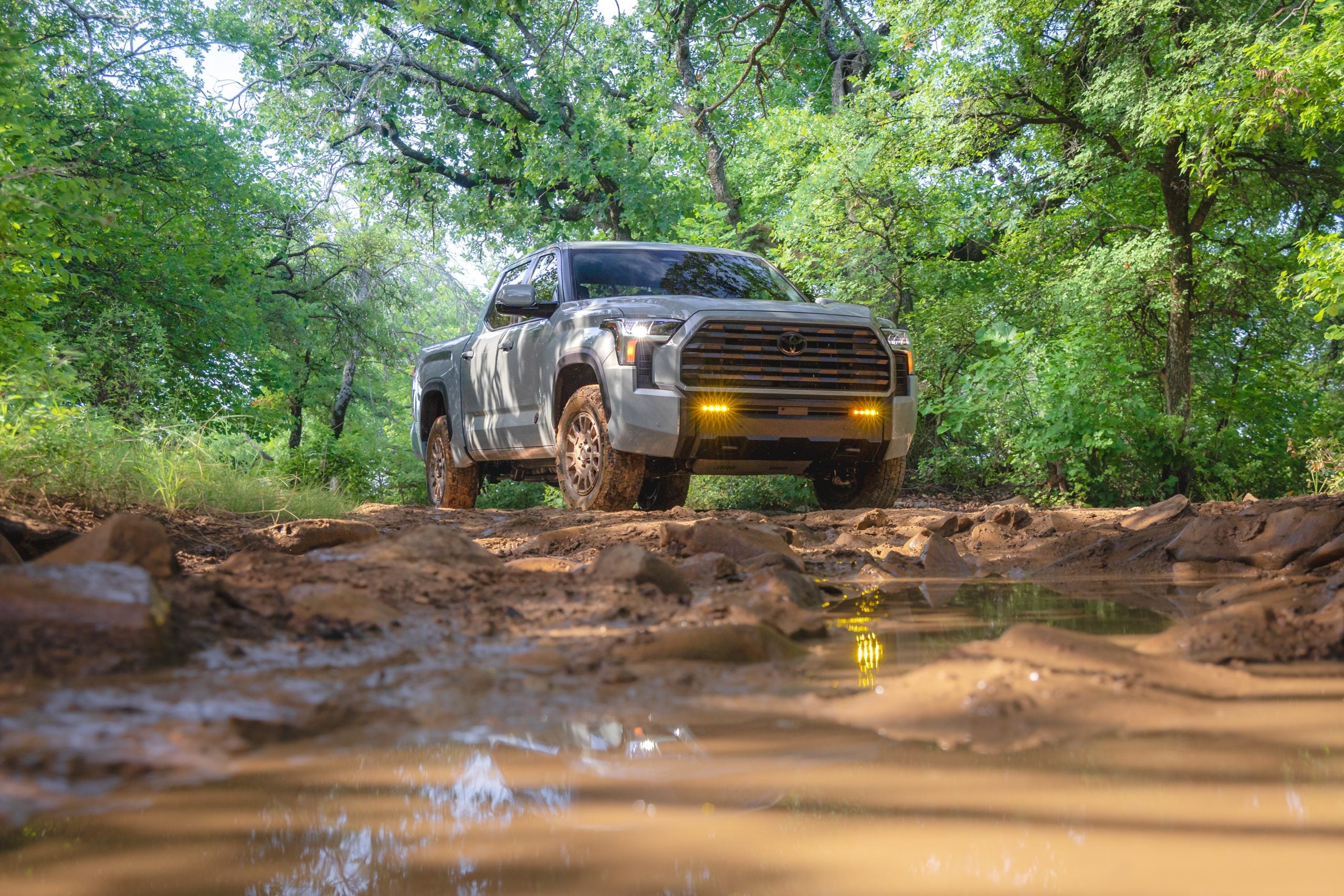
2027 Toyota Tundra off-roading

Truck Steps Explained: A Beginner’s Guide to the Various Types of Truck Steps

If you have recently purchased a truck or you’re ready to make it more practical, you’ve probably started looking into truck steps. At first glance, they might all seem the same, but there are actually several different styles designed for different needs. Some make getting in and out of your truck easier, while others are built to protect your truck during off-road Clermont adventures or improve access to the bed. With so many different options on the market, it’s easy to feel overwhelmed. This truck steps guide will walk you through the most common types, explain the pros and cons of each, and help you determine which style is the best fit for your Clermont lifestyle. Executive Summary Truck steps improve safety and convenience: They make it easier to get in and out of your truck, improve accessibility for passengers, and simplify loading and unloading cargo. There’s a truck step for every lifestyle: From running boards and nerf bars for daily driving to rock sliders for off-road adventures and bed steps for work trucks, each option is designed for a specific purpose. Material and design matter: Truck steps are available in aluminum, stainless steel, powder-coated steel, and composite materials, allowing you to choose the right balance of durability, appearance, and corrosion resistance. Some truck steps are DIY-friendly: Many bolt directly to factory mounting points, while power running boards, rock sliders, and lighted steps are often best installed by professionals. Professional installation ensures the best fit: Toyota of Clermont can help you select and install the right truck steps for your pickup, providing a secure, factory-quality installation that enhances both function and style. What Are Truck Steps? Truck steps are aftermarket or factory-installed accessories that provide a safer, more convenient way to climb into your truck or access the bed. They mount in different locations depending on their purpose, including beneath the doors, near the rear bumper, or beside the truck bed. Many truck owners install truck steps because they: Make getting into taller trucks easier Improve accessibility for children, seniors, and shorter passengers Add style and customization Help protect the truck's body from road debris Make loading cargo easier Improve everyday convenience The best truck steps for you depend on how you use your truck, where you drive, and what features matter most. 1. Running Boards Running boards are one of the most popular types of truck steps because they offer the largest stepping surface. They run nearly the full length of the cab, giving passengers plenty of room to place their feet when entering or exiting the truck. They’re available in several widths, materials, and finishes to match virtually any pickup. Pros Wide, stable stepping surface Excellent for families and daily drivers Protect lower body panels from road debris Available in numerous styles and finishes Cons Can reduce ground clearance slightly Larger surface may collect dirt or mud Some finishes require regular cleaning Best for: Daily drivers, families, commuters, and any Clermont driver who wants maximum comfort. 2. Power Running Boards Power running boards take convenience to another level. Instead of remaining visible all the time, they automatically extend when you open the door and retract underneath the truck when the doors close. This creates a clean factory appearance while preserving ground clearance when the steps aren’t needed. Pros Automatic deployment Cleaner appearance Better ground clearance when retracted Premium look and feel Cons Higher purchase price More complicated installation Electrical components may require maintenance over time Best for: Luxury trucks, lifted trucks, and Clermont drivers who want both convenience and style. 3. Lighted Running Boards If you frequently drive at night, lighted truck steps can make entering and exiting your vehicle safer. These running boards include built-in LED lighting that illuminates the step area whenever you unlock or open the doors. Pros Improved nighttime visibility Stylish appearance Easier entry in dark parking lots Available with customizable lighting on some models Cons Higher cost More wiring during installation Lighting components may eventually need replacement Best for: Night drivers and anyone looking for a premium appearance. 4. Nerf Bars (Step Bars) Nerf bars, also called step bars, are another popular type of truck steps. Instead of a wide platform like running boards, they feature round or oval tubes with textured step pads beneath each door. Because they have a narrower profile, many Clermont truck owners prefer their sporty appearance. Pros Generally more affordable Easier installation Sleek, rugged appearance Lightweight design Cons Smaller stepping surface Less protection than running boards May become slippery if not cleaned regularly Best for: Budget-conscious truck owners and those who prefer a sportier look. 5. Rock Sliders Rock sliders aren’t just truck steps, they are also serious off-road protection. Unlike standard side steps, rock sliders mount directly to the truck’s frame and are designed to protect the rocker panels from rocks, tree stumps, and trail obstacles. Many off-road enthusiasts in Clermont use them as both a step and a shield. Pros Extremely durable Excellent body protection Better ground clearance than many running boards Built for demanding trails Cons Less comfortable as everyday steps Heavier More expensive Professional installation is often recommended Best for: Off-road enthusiasts and overlanding builds. 6. Hoop Steps Hoop steps are compact truck steps that provide an individual step beneath each door instead of a full-length platform. They’re ideal if you want easier cab access without adding a large accessory along the entire side of your truck. Pros Compact design Affordable Minimal visual impact Easy installation Cons Smaller stepping surface Less convenient than full-length boards Limited body protection Best for: Clermont drivers who want a simple entry solution without changing the truck’s appearance too much. 7. Bed Steps While most truck steps help you access the cab, bed steps are designed specifically for climbing into the truck bed. Many fold down from beneath the rear bumper or bedside and tuck neatly away when not in use. They’re especially helpful on modern pickups, where bed rails can sit more than three feet off the ground. Pros Easier cargo loading Fold away when not needed Stable footing Great for work trucks Cons Don't help with entering the cab May interfere with certain accessories Some require model-specific installation Best for: Contractors, DIYers, and anyone who frequently uses their truck bed. 8. Hitch Steps Hitch steps slide directly into your truck’s trailer hitch receiver, providing a convenient step up to the tailgate. They’re removable, relatively inexpensive, and easy to install without permanent modifications. Pros Quick installation Affordable Improves rear access Easily removable Cons Occupies the hitch receiver Doesn't help passengers enter the cab Can reduce departure angle slightly Best for: Clermont truck owners who frequently load and unload gear from the bed. How to Choose the Right Truck Steps for Your Needs Choosing the best truck steps comes down to how you use your truck every day. Daily commuting Traditional running boards or nerf bars provide excellent convenience and comfort. Families Wide running boards make climbing into the truck much easier for children and older passengers. Work Trucks Bed steps and wheel-to-wheel running boards are especially useful for loading tools and equipment. Off-road adventures Rock sliders offer the best combination of protection and durability Lifted trucks Power running boards provide easy access without permanently sacrificing ground clearance. What Materials Are Used to Make Truck Steps? Most truck steps are available in one of four common materials: Aluminum Lightweight Rust-resistant Excellent for humid climates like Florida Stainless Steel Premium appearance Highly durable Excellent corrosion resistance Powder-Coated Steel Strong and affordable Popular for work trucks Available in textured black finishes Composite Materials Lightweight Low maintenance Resistant to corrosion Often budget-friendly Can You Install Truck Steps on Your Own? Many truck steps are designed as bolt-on accessories that use factory mounting points, making them a realistic weekend DIY project for someone with basic tools. Installation times typically range from one to two hours depending on the style and your truck model. However, professional installation is often recommended if you’re installing: Power running boards Rock sliders Lighted truck steps Heavy-duty work accessories A professional installation ensures proper alignment, secure mounting, and safe operation. Are Truck Steps Worth the Investment? For most Clermont truck owners, absolutely. Truck steps improve everyday convenience while adding style and functionality to your pickup. Whether you’re helping your kids climb into the back seat, loading tools into the bed, or simply making your daily commute easier, the right truck step can make a noticeable difference. The key is choosing the style that matches how you actually use your truck. A Clermont commuter may prioritize wide running boards for comfort, while an off-road enthusiast might prefer rock sliders for maximum protection. Understanding the strengths of each option makes it much easier to invest in truck steps you’ll appreciate every time you get behind the wheel. Upgrade Your Truck with Truck Steps at Toyota of Clermont No matter which style of truck steps best fits your needs, having them installed correctly ensures a secure fit, reliable performance, and a factory-quality appearance. Whether you’re looking for rugged rock sliders, sleek running boards, or convenient bed steps, the team at Toyota of Clermont can help you find the right options for your truck. Give us a call at (352) 404-7000 or visit us in person at 16851 State Road 50, just West of the Florida Turnpike. FAQs What type of truck steps are best for everyday driving? Running boards are a popular choice for daily drivers because they provide a wide, stable stepping surface that's comfortable for passengers of all ages. If you prefer a sportier look, nerf bars offer similar convenience with a more compact design. Will truck steps fit my Toyota truck? Many truck steps are designed specifically for popular models like the Toyota Tacoma and Toyota Tundra. To ensure the best fit, choose truck steps that are made for your truck's model year, cab configuration, and trim level. Can Toyota of Clermont install truck steps for me? Yes. The service team at Toyota of Clermont can professionally install a variety of truck steps, including running boards, power running boards, bed steps, and other compatible accessories. Professional installation helps ensure a secure fit and reliable performance.

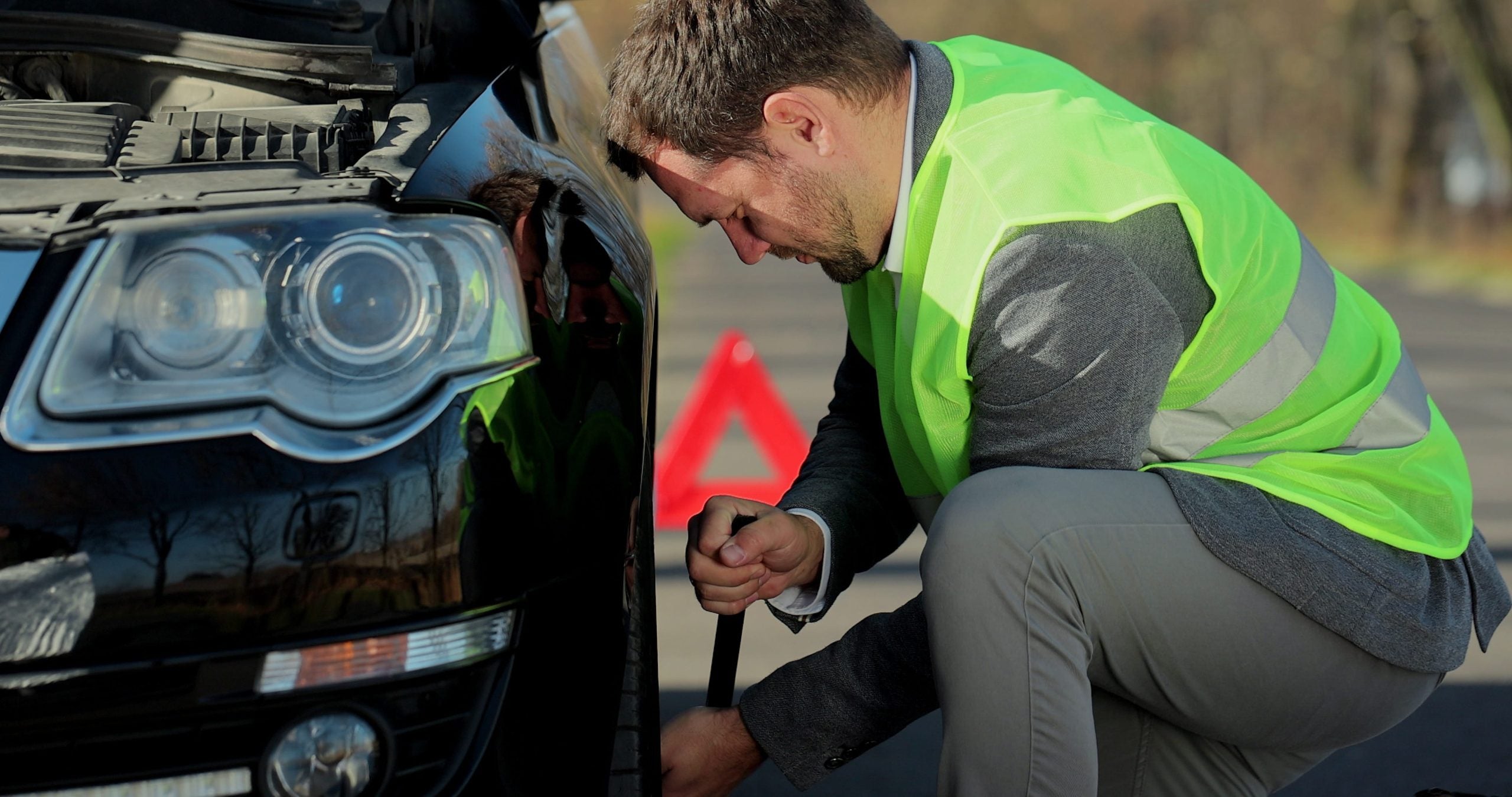
Roadside assistance helping change a tire on the side of the road

Roadside Assistance in Florida: Everything Clermont Drivers Need to Know

If you have ever found yourself stranded on the side of State Road 50 with a flat tire or dealing with a dead battery in the middle of a Florida summer, you know how valuable roadside assistance can be. Whether you’re commuting through Clermont, heading to the beach, or taking a weekend road trip, unexpected car trouble can happen when you least expect it. The good news is that roadside assistance is designed to get you back on the road quickly and safely. Below, our team at Toyota of Clermont answers some of the most common questions Clermont drivers have about roadside assistance, when to use it, and how to stay prepared. Executive Summary Roadside assistance provides emergency help: Services may include jump-starting a dead battery, changing a flat tire, unlocking your vehicle, towing, fuel delivery, and winching, depending on your coverage. Safety comes first during a breakdown: If your vehicle becomes disabled, move to a safe location if possible, turn on your hazard lights, stay inside your vehicle near traffic, and contact roadside assistance or emergency services if needed. Coverage and response times can vary: Most roadside assistance plans are available throughout Florida, but towing limits, included services, and wait times depend on your provider, location, weather, and traffic conditions. Florida's climate increases the risk of breakdowns: Extreme heat, heavy traffic, hurricanes, and long road trips can lead to battery failures, flat tires, and other roadside emergencies, making roadside assistance especially valuable for Clermont drivers. Preventive maintenance helps you avoid roadside emergencies: Regular inspections, battery testing, tire maintenance, and keeping up with scheduled service can significantly reduce your chances of needing roadside assistance. What Is Roadside Assistance? Roadside assistance is a service that provides emergency help when your vehicle becomes disabled and can’t be safely driven. Instead of trying to solve the problem yourself, you can call your roadside provider and have trained professionals dispatched to your location. Depending on your plan, roadside assistance may include: Jump-starting a dead battery Changing a flat tire Delivering assistance if your keys are inside the vehicle Towing to a nearby repair facility Winching if your vehicle becomes stuck (under qualifying conditions) Many new Clermont Toyota models include complimentary roadside assistance for a limited time, while other Clermont drivers receive coverage through their insurance company, credit card, or a membership organization. Is Roadside Assistance Available Across Florida? Yes. Most roadside assistance providers offer service throughout Florida, including major cities like Orlando, Clermont, Tampa, Miami, Jacksonville, and Tallahassee, as well as many smaller towns and rural highways. Keep in mind that response times can vary depending on: Weather conditions Traffic congestion Your exact location Demand during holidays or severe storms For example, if you’re stranded on a busy interstate during a summer thunderstorm, wait times may be longer than they would be on a typical weekday. What Should You Do If Your Car Breaks Down on a Florida Highway? Safety should always come first. If possible: Move your vehicle completely onto the shoulder. Turn on your hazard lights immediately. Stay inside your vehicle if you're close to fast-moving traffic. Call your roadside assistance provider. If you feel unsafe or are blocking traffic, call 911. Clermont highways such as the Florida Turnpike, State Road 50, and US 27 experience heavy traffic every day, so it’s important to avoid standing outside your vehicle unless absolutely necessary. What Information Should You Have Ready When Calling Roadside Assistance? To help speed up service, be prepared to provide: Your exact location (GPS or nearby landmarks help) Your vehicle's make, model, and color A description of the problem Your phone number Your roadside assistance membership information, if applicable Many roadside apps can automatically share your GPS locations, making it easier for service providers to find you. Can Roadside Assistance Fix Your Vehicle on the Spot? Sometimes. If the issue is minor, the technician may be able to get you moving immediately. Common roadside repairs include: Jump-starting the battery Installing your spare tire Unlocking your vehicle Adding enough fuel to reach a nearby gas station However, if the problem is more serious, such as engine trouble, transmission issues, or major electrical problems, your vehicle will likely need to be towed to a repair facility. Does Roadside Assistance Cover Towing? Most plans include towing, but the distance covered varies. Some roadside programs tow to the nearest qualified repair facility, while others include a specific mileage limit before additional charges apply. Before an emergency happens, it’s worth reviewing your coverage so you know: How many miles are included Whether there are service limits Which repair facilities qualify Whether there are additional fees Can Roadside Assistance Help with a Flat Tire? Absolutely. Flat tires are one of the most common reasons people call for roadside assistance. A technician can typically: Install your spare tire if it's in good condition Check that it's properly inflated Help determine whether the damaged tire should be repaired or replaced If you don’t have a usable spare tire, your vehicle may need to be towed to a tire shop or dealership. What Should You Do If Your Battery Dies in Florida’s Heat? Florida’s high temperatures are especially tough on car batteries. Heat speeds up chemical reactions inside the battery and can shorten its overall lifespan. Many batteries in Florida wear out sooner than Clermont drivers expect. Roadside technicians can usually: Test your battery Jump-start your vehicle Recommend whether the battery should be replaced If your battery repeatedly dies, schedule a battery inspection as soon as possible to avoid another breakdown. Can Roadside Assistance Help If You’re Locked Out of Your Car? Yes. Lockout assistance is included with many roadside assistance plans. A technician can often unlock your vehicle without damaging the locks or windows. If you drive a newer Toyota equipped with Smart Key technology, the process may differ depending on the vehicle and situation Avoid attempting to force your door open yourself, as this can easily damage weather seals, trim, or the locking mechanism. What If You Run Out of Gas? It happens more often than you might think. Most roadside assistance plans will deliver enough fuel to allow you to reach the nearest gas station. Depending on your provider: The fuel may be included. You may pay only for the fuel delivered. Additional delivery fees could apply. It’s always smart to refill before your fuel gauge gets too low, especially if you’re traveling through less populated areas of Florida. Can Roadside Assistance Help After a Hurricane? It can, but response times may be longer following major storms. Florida’s hurricane season runs from June through November, and severe weather can create widespread road closures, flooding, and fallen trees. If your vehicle becomes disabled after a storm: Stay away from floodwaters. Never attempt to drive through standing water. Contact roadside assistance once you're in a safe location. Follow any local emergency guidance regarding road closures. Emergency conditions may delay service until roads are safe for responders. Is Roadside Assistance Worth Having in Florida? For many Clermont drivers, yes. Florida’s combination of heavy traffic, intense summer heat, long-distance travel, and unpredictable weather makes roadside assistance a valuable safety net. Even if you never need a tow, having access to help for a dead battery, flat tire, lockout, or empty fuel tank can save time, reduce stress, and help keep you safe. How Can You Reduce Your Chances of Needing Roadside Assistance? Preventive maintenance goes a long way. Here are a few ways to lower your risk of a breakdown: Check your tire pressure monthly. Replace worn tires before they fail. Test your battery annually. Keep up with oil changes and scheduled maintenance. Watch for dashboard warning lights. Replace worn windshield wipers before Florida's rainy season. Keep your fuel tank from getting too low. Carry a basic emergency kit with water, a flashlight, and a phone charger. Regular maintenance won’t eliminate every surprise, but it can significantly reduce your chances of ending up stranded. Be Prepared Before Your Next Florida Drive No one plans for a flat tire, dead battery, or unexpected breakdown, but these situations can happen to any Clermont driver. Having roadside assistance gives you peace of mind knowing help is just a phone call away, whether you’re driving through Clermont, taking a trip down the Florida coast, or heading across the state. If your vehicle has been giving you any warning signs, you can schedule service by giving us a call at (352) 404-7000 or visit us in person at 16851 State Road 50, just West of the Florida Turnpike. FAQs 1. Is roadside assistance included with a new Toyota? Many new Toyota vehicles come with complimentary ToyotaCare, which includes 24-hour roadside assistance for a limited period or mileage. Coverage varies by model year, so it's a good idea to review your warranty information or contact Toyota of Clermont to confirm what's included with your vehicle. 2. How long does it usually take for roadside assistance to arrive? Response times depend on factors such as your location, traffic, weather, and overall demand. In most situations, help arrives within 30 to 60 minutes, though severe storms, heavy traffic, or busy travel periods can result in longer wait times. 3. Can roadside assistance come to my home or workplace? Yes. Roadside assistance isn't limited to highways or public roads. Whether your vehicle won't start in your driveway, at work, or in a parking lot, most providers can dispatch a technician to your location to help with services like jump-starts, lockouts, flat tires, or towing if needed.

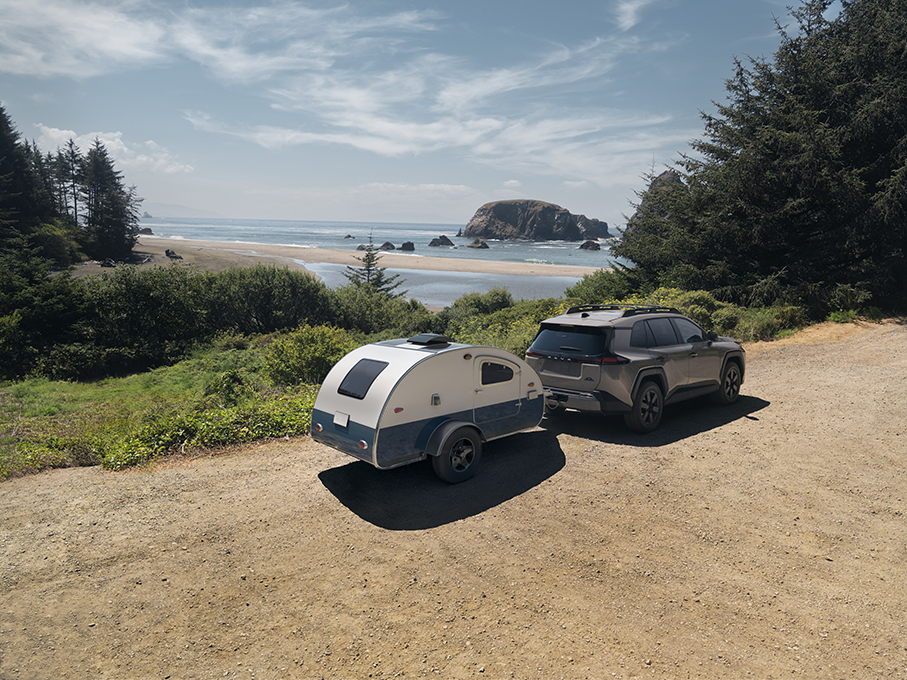
Toyota towing up a hill

Everything You Need to Know About Towing With a Hybrid

Updated on July 31, 2026 When most Clermont drivers think about towing, they picture a full size pickup with a powerful gas engine under the hood. However times have changed. Modern hybrid vehicles have become much more capable than many drivers realize, offering an impressive balance of power, efficiency, and utility. If you’ve been wondering whether t owing with a hybrid is actually practical, then the answer is yes, as long as you choose the right vehicle and stay within its rated towing capacity. Today’s Toyota hybrid lineup includes everything from fuel-sipping sedans to family SUVs and powerful hybrid trucks. Whether you’re hauling a small camper for a weekend Clermont getaway, towing a utility trailer for home improvement projects, or bringing along jet skis for a day at the lake, there’s a good chance a Toyota hybrid can handle the job. Executive Summary Modern Toyota hybrids can tow more than you might think: Towing with a hybrid is a practical option for many Clermont drivers, with models like the Toyota Highlander Hybrid, Sienna Hybrid, and Tundra i-FORCE MAX offering impressive towing capabilities when properly equipped. Choose the right hybrid for your towing needs: Whether you're towing a utility trailer, small camper, boat, or personal watercraft around Clermont, selecting a Toyota hybrid with the appropriate towing capacity is essential for safe and confident towing. Hybrid towing offers capability without sacrificing efficiency: Towing with a hybrid provides smooth power delivery and instant electric torque while still delivering excellent fuel economy during your everyday Clermont commute when you're not towing. Safe towing starts with proper preparation: Staying within your vehicle's towing capacity, using the correct hitch, inspecting your trailer before every trip, and allowing extra stopping distance all help make towing with a hybrid safer and more enjoyable. Routine maintenance keeps your hybrid towing-ready: Regular oil changes, brake inspections, tire rotations, and other scheduled maintenance at Toyota of Clermont help ensure your hybrid remains reliable and ready for your next towing adventure. Can You Tow With a Hybrid? Absolutely. One of the biggest misconceptions about hybrid vehicles is that they’re built only for fuel economy. While excellent gas mileage is certainly one of their biggest advantages, many Toyota hybrids are engineered to tow as well. The reason comes down to how a hybrid powertrain works. Unlike a fully electric vehicle (EV), a Toyota hybrid combines a gasoline engine with one or more electric motors. The system intelligently switches between gas and electric power, or uses both together, to maximize efficiency and performance. When extra power is needed, such as during acceleration or while pulling a trailer, both systems can work simultaneously to deliver smooth, responsive power. Here are a few important things to know about towing with a hybrid: Toyota hybrids are not electric vehicles. They still use a gasoline engine and never need the be plugged in The gasoline engine handles most higher speed driving and towing duties The electric motor provides additional low speed torque, which can actually help when starting from a stop with a trailer attached Many Toyota hybrids are available with electronic on demand all wheel drive for added traction when towing Hybrid systems are engineered to manage power efficiently without sacrificing everyday drivability In other words, hybrid technology isn’t a limitation, it can actually be an advantage. Which Toyota Hybrids Can Tow the Most? Not every Toyota hybrid is designed to tow heavy loads so it’s important to match your vehicle to your needs. Toyota offers several hybrid models with respectable towing capacities. Some popular examples include: Toyota Highlander Hybrid The Highlander Hybrid remains one of the most popular family SUVs on the Clermont roads, and it also offers solid towing capability. The Toyota Highlander Hybrid can tow up to 2,500 pounds when properly equipped, making it a great option for: Small campers Lightweight travel trailers Fishing boats Personal watercraft Utility trailers Small landscaping trailers For many Clermont families, that’s more than enough capacity for weekend adventures. Toyota Grand Highlander Hybrid Depending on the powertrain configuration, certain Grand Highlander Hybrid models also offer competitive towing capabilities while providing extra passenger and cargo space. Toyota Sienna Hybrid The Toyota Sienna proves that minivans can work hard too. When properly equipped, the Sienna Hybrid can tow up to 3,500 pounds, making it ideal for active Clermont families who occasionally need to tow recreational equipment. Toyota Tundra i-FORCE MAX Hybrid If serious towing is your main priority, Toyota’s hybrid truck is in a league of its own. The Toyota Tundra i-FORCE MAX Hybrid combines a twin-turbocharged engine with hybrid technology to produce impressive horsepower and torque. When properly equipped, certain models can tow well over 11,000 pounds (depending on the trim and configuration). It’s proof that hybrid technology isn’t just about saving gas, it can also deliver serious capability. Hybrid vs. Gas Towing: Which Is Right for You? Many Clermont shoppers assume hybrid vehicles tow differently than traditional gas-powered vehicles, but the experience is surprisingly similar. The biggest differences are actually behind the scenes. Hybrid vehicles often provide: Instant electric torque when accelerating form a stop Smoother power delivery Better fuel economy when you’re not towing Quieter operation around town When towing with a hybrid, you’ll still notice fuel economy decrease. Pulling additional weight requires more energy regardless of what powers your vehicle. In everyday use, most Clermont drivers find that towing with a hybrid feels very similar to towing with a traditional gasoline-powered SUV or truck. Toyota Highlander Hybrid vs. Gas Highlander: A Comparison If you’re shopping between the hybrid and gas-powered Highlander, here’s a quick comparison. Toyota Highlander (gas model) Turbocharged gasoline engine Up to 5,000 pound towing capacity when properly equipped Excellent choice for heavier recreational trailers Toyota Highlander Hybrid Hybrid powertrain focused on balancing efficiency and performance Up to 3,500 pound towing capacity when properly equipped Outstanding fuel economy for daily commuting while still handling moderate towing needs If you’re towing a larger camper every weekend, the gas Highlander may be the better fit. But if you only tow occasionally and want significantly better fuel economy during your daily Clermont commutes, the Highlander Hybrid is an excellent compromise. Tips for Towing With a Hybrid Whether you’re driving a hybrid or a gas powered Toyota, safe towing with a hybrid starts with preparation Know your vehicle's towing capacity Never exceed your Toyota’s maximum towing rating. Remember that towing capacity includes: Trailer weight Cargo inside the trailer Water tanks Camping equipment Additional gear It's always better to stay comfortably below your maximum rating than push the limit. Use the correct hitch Not every hitch is rated for every trailer. Make sure your hitch receiver, ball mount, wiring harness, and trailer components are all properly matched to your vehicle and trailer weight. Your Toyota of Clermont parts department can help you choose genuine Toyota towing accessories designed specifically for your vehicle. Check your trailer before every trip Before hitting the Clermont roads: Test trailer lights Check tire pressure Inspect safety chains Verify hitch connections Secure all cargo Confirm the trailer brake controller is working (if equipped) A quick inspection only takes a few minutes but can prevent major problems later. Give yourself more stopping distance Any time you’re towing with a hybrid, your vehicle has more weight to slow down. Leave additional following distance, brake earlier than usual, and avoid sudden steering or braking whenever possible. Smooth, gradual driving helps keep both your vehicle and trailer stable. Practice before taking a long trip If you’re new to towing with a hybrid, spend some time practicing in an empty parking lot. Work on: Backing up Wide turns Parking Braking with extra weight Highway lane changes The more comfortable you become before your trip, the less stressful towing with a hybrid will feel. Stay on Top of Routine Maintenance Towing places additional stress on every vehicle, including hybrids. That’s why routine maintenance becomes even more important if you tow regularly. Stay current on: Oil changes Tire rotations Brake inspections Brake pad replacement Coolant checks Transmission inspections (where applicable) Multi-point inspections Pay especially close attention to your brakes. Since towing increases stopping distances, healthy brake pads and rotors are essential for safe driving. Regular service appointments at Toyota of Clermont can help ensure your hybrid stays ready for your next Clermont adventure. Is Towing With a Hybrid Right for You? For many Clermont drivers, the answer is yes. If you only tow occasionally and want to save money on fuel the rest of the year, a hybrid SUV or truck offers an excellent balance of efficiency and capability. Whether you’re towing bikes to the trailhead, a small camper for weekend camping trips, or a utility trailer for home improvement projects, modern Toyota hybrids are more capable than ever before. The key is choosing the right model for your needs and always towing within your vehicle’s rated limits. Find the Right Toyota for Your Towing Needs at Toyota of Clermont If you’re interested in towing with a hybrid, our team at Toyota of Clermont can help you compare Toyota hybrid SUVs and trucks to find the perfect fit for your Clermont lifestyle. Give us a call today at (352) 404-7000 or visit us in person at 16851 State Road 50, just west of the Florida Turnpike. FAQs 1. Can you tow a trailer with a Toyota hybrid? Yes. Many Toyota hybrid models are designed to tow when properly equipped. Depending on the model, you can tow anything from a utility trailer or personal watercraft to a small camper, making towing with a hybrid a practical option for many Clermont drivers. 2. Does towing with a hybrid reduce fuel economy? Yes. Just like a traditional gasoline-powered vehicle, towing adds extra weight and requires more power, which can reduce fuel economy. However, when you're not towing, Toyota hybrids still deliver excellent efficiency for everyday driving around Clermont. 3. What should I do before towing with a hybrid? Before towing with a hybrid, make sure your trailer is within your vehicle's rated towing capacity and that your hitch, wiring, and trailer connections are properly installed. It's also important to check your trailer lights, tire pressure, safety chains, and cargo before every trip to help ensure a safe towing experience.