
Blog / Toyota Service

Blog

All Toyota Service Clermont Toyota Tips New Toyota Clermont Toyota News Fun Friday Used Cars Clermont Toyota Service Toyota of Clermont Service
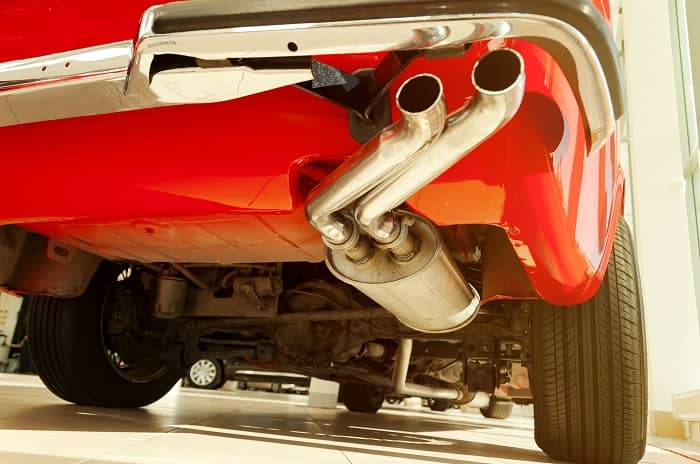
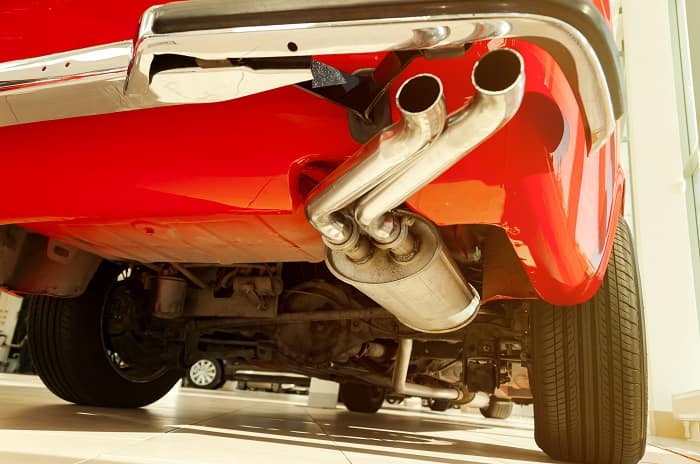
Toyota of Clermont exhaust system

An exhaustive list of exhaust systems from Toyota of Clermont

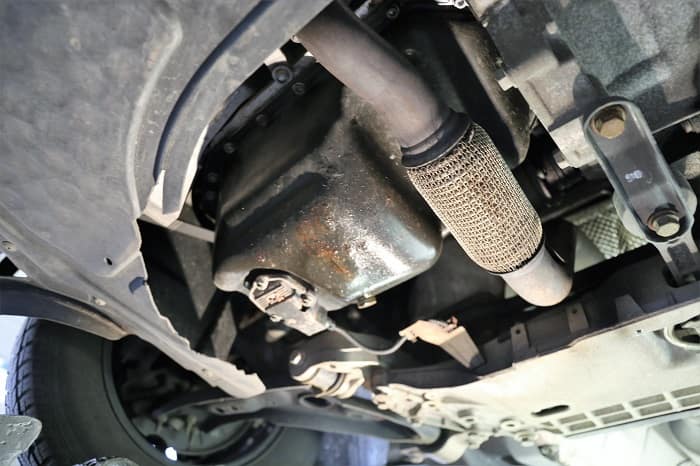
The good old exhaust system, sometimes noisy and sometimes quiet. Either way, it’s easy to forget about the essential role this part plays to keep your vehicle running smoothly. Funneling out fumes, deposits and waste from your engine all while giving a slick look to your Toyota’s rear end are all in a day’s work for your exhaust system. With five different types, each with their own performance and fuel efficiency benefits, it can get confusing trying to keep track of them. At Toyota of Clermont, we've created a simple to follow guide on this essential auto part! Different types of exhaust systems Clermont Toyota vehicles can be equipped with different types of exhaust systems that give vehicles different characteristics regarding fuel efficiency and performance. Each system includes a catalytic converter to filter fumes from fuel emissions, but all provide different benefits. Here are the five types of exhaust systems found in different Clermont Toyota vehicles: Single Exit Pipe The most common form of type of exhaust and found in many mass production vehicles. To see if a Clermont Toyota vehicle has a single exit pipe exhaust system, look to the rear and you can typically see a single pipe to the left or right side, below the bumper. Dual Rear Exit To give your Clermont Toyota a sportier look, this system uses two tail pipes and a louder, more aggressive sound. Using a straight pipe design, it expels waste more efficiently and creates a rumbling affect when the engine starts. Opposite Dual Exhaust Used on heavier vehicles like trucks and SUVs, opposite dual exhaust systems wrap around the rear wheels of the Clermont Toyota vehicle to add an extra layer to the gas filtering process. This system emits less residue and keeps whatever you’re towing clean. Dual Side Exhaust This system is a mix between single and dual by using two tail pipes on one side. This can give your vehicle the sound of a dual exhaust system without the higher price tag. High Performance It may have a larger price tag, but this system does a great job of filtering gas. It’s not typically found in stock Clermont Toyota models and is usually purchased aftermarket. High performance systems include benefits like pressure reduction, better filtration, and overall enhanced performance. If this is an option you want to consider for your vehicle, it requires a change of the engine manifold and, therefore, a higher price tag. Your exhaust needs at Toyota of Clermont If you’re feeling exhausted by your exhaust system maintenance, want to make a  switch, or just have questions for our auto service team, come to Toyota of Clermont! We’re happy to answer any questions you have or find you a new exhaust system and install it for you. Give us a call at (352) 404 – 7000 to schedule an appointment with our auto service department or visit us 16851 State Road 50, just off the Florida Turnpike!
Toyota of Clermont exhaust system

An exhaustive list of exhaust systems from Toyota of Clermont

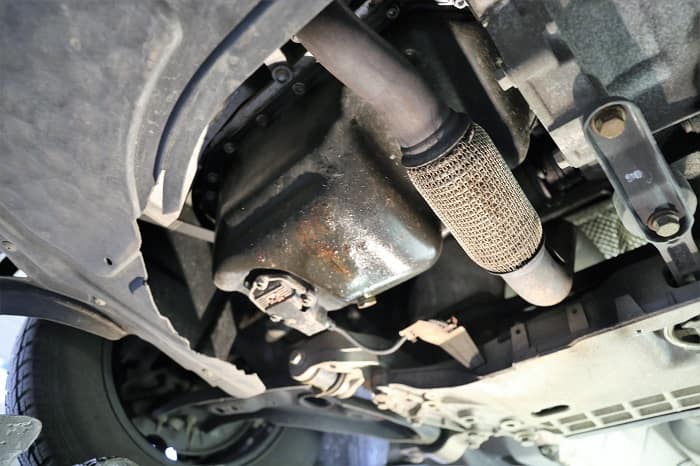
The good old exhaust system, sometimes noisy and sometimes quiet. Either way, it’s easy to forget about the essential role this part plays to keep your vehicle running smoothly. Funneling out fumes, deposits and waste from your engine all while giving a slick look to your Toyota’s rear end are all in a day’s work for your exhaust system. With five different types, each with their own performance and fuel efficiency benefits, it can get confusing trying to keep track of them. At Toyota of Clermont, we've created a simple to follow guide on this essential auto part! Different types of exhaust systems Clermont Toyota vehicles can be equipped with different types of exhaust systems that give vehicles different characteristics regarding fuel efficiency and performance. Each system includes a catalytic converter to filter fumes from fuel emissions, but all provide different benefits. Here are the five types of exhaust systems found in different Clermont Toyota vehicles: Single Exit Pipe The most common form of type of exhaust and found in many mass production vehicles. To see if a Clermont Toyota vehicle has a single exit pipe exhaust system, look to the rear and you can typically see a single pipe to the left or right side, below the bumper. Dual Rear Exit To give your Clermont Toyota a sportier look, this system uses two tail pipes and a louder, more aggressive sound. Using a straight pipe design, it expels waste more efficiently and creates a rumbling affect when the engine starts. Opposite Dual Exhaust Used on heavier vehicles like trucks and SUVs, opposite dual exhaust systems wrap around the rear wheels of the Clermont Toyota vehicle to add an extra layer to the gas filtering process. This system emits less residue and keeps whatever you’re towing clean. Dual Side Exhaust This system is a mix between single and dual by using two tail pipes on one side. This can give your vehicle the sound of a dual exhaust system without the higher price tag. High Performance It may have a larger price tag, but this system does a great job of filtering gas. It’s not typically found in stock Clermont Toyota models and is usually purchased aftermarket. High performance systems include benefits like pressure reduction, better filtration, and overall enhanced performance. If this is an option you want to consider for your vehicle, it requires a change of the engine manifold and, therefore, a higher price tag. Your exhaust needs at Toyota of Clermont If you’re feeling exhausted by your exhaust system maintenance, want to make a  switch, or just have questions for our auto service team, come to Toyota of Clermont! We’re happy to answer any questions you have or find you a new exhaust system and install it for you. Give us a call at (352) 404 – 7000 to schedule an appointment with our auto service department or visit us 16851 State Road 50, just off the Florida Turnpike!
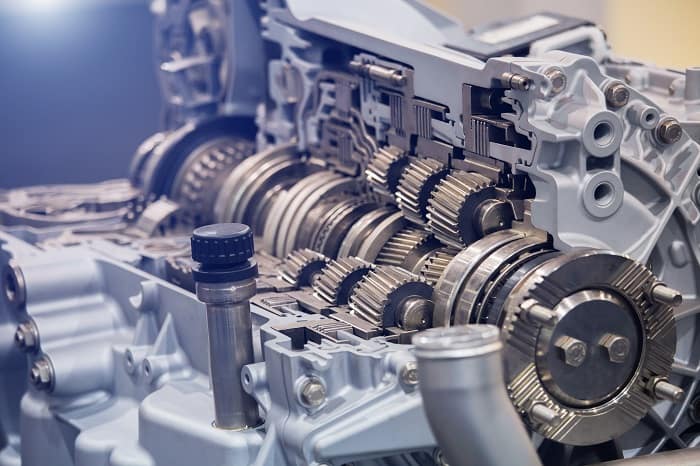
Car transmission at Toyota of Clermont

What you need to know about car transmissions

When it comes to car transmissions, most people think it’s a simple question of an automatic versus a manual. While those are the two main types, the truth is that there are so many other features and types of this vehicle part and they all serve different purposes. It can be a bit confusing to keep track of the different types of car transmissions, but thankfully Toyota of Clermont has put together an easy to follow guide to better shape your driving experience! More than just a gear shift Manual and automatic are the main types of Clermont car transmissions, but did you know that there are four sub-types of automatics? Let’s look at the differences and what they mean for your driving experience: Manual: Using a clutch pedal and a more hands-on gear shift, manual drive is the original car transmission. Clermont drivers who use manual know that it requires more attention while driving because you must actively use the clutch pedal and shifter to change gears depending on the driving situation. This type of transmission usually provides greater fuel efficiency by avoiding shifting “slips” that are common with automatic car transmissions. Automatic: One of the most common types of car transmission, automatic drives don’t require much attention from Clermont drivers unless switching between drive, neutral, park, and reverse. Gear shifting is done electronically and doesn’t require any input from the driver. The process is typically smooth but does come at the cost of some efficiency loss due to car transmission slips. There are four different types of automatic transmissions that all create different feeling driving experiences: Continuously Variable Transmission (CVT): Clermont CVT car transmissions aren’t like a typical automatic. They don’t use gears and instead shift using variable pulleys and friction. It’s unique in its power generation but uses a torque converter to maximize fuel efficiency and they operate at a high rpm to make shifting smooth. However, these types of car transmissions do suffer a lack of sporty acceleration and they tend to be noisy because of their operating threshold. Conventional Automatic: Using the same torque converter as the CVT, conventional automatic car transmissions use a gear system like manual drives but shift using electronically controlled clutch packs. Clermont drivers can usually tell if they’re using this type of transmission by seeing how their vehicle behaves while on an incline and on flat ground and idling. If the vehicle can hold still while on an incline and moves forward when in idle drive, then it’s a conventional automatic. Automated Manual: This type of car transmission is still an automatic, but it’s a combination of that and a manual drive. Rather than using a pedal activated clutch or clutch packs like a conventional automatic, Clermont automated manuals use a computer operated clutch, but includes shifting tools like additional gear options on the shift column or paddle shifters to move between gears. It combines the hands-off operation perks of an automatic and that fuel efficiency of a manual. Dual-Clutch Automated Manual: This type of transmission is more like a manual, but still behaves like an automatic. Using two different gear shafts, one for even numbered (2, 4, and 6) and one for odd numbered (1, 3, 5, and 7) gears, this Clermont transmission uses an internal computer to shift. The computer pre-selects the first gear to shift to while accelerating and simultaneously selects the next gear to switch to as the first one is engaged and then shifts when disengaged. Still have questions? Come to Toyota of Clermont! Shifting between all these gears can get a bit confusing and our expert auto service team at Toyota of Clermont can help! We can answer any questions you have about transmissions or get you in a new Toyota vehicle with one to meet your ideal driving experience. Give us a call at (352) 404 – 7000 or stop by our dealership at 16851 State Road 50.

Car transmission at Toyota of Clermont

What you need to know about car transmissions

When it comes to car transmissions, most people think it’s a simple question of an automatic versus a manual. While those are the two main types, the truth is that there are so many other features and types of this vehicle part and they all serve different purposes. It can be a bit confusing to keep track of the different types of car transmissions, but thankfully Toyota of Clermont has put together an easy to follow guide to better shape your driving experience! More than just a gear shift Manual and automatic are the main types of Clermont car transmissions, but did you know that there are four sub-types of automatics? Let’s look at the differences and what they mean for your driving experience: Manual: Using a clutch pedal and a more hands-on gear shift, manual drive is the original car transmission. Clermont drivers who use manual know that it requires more attention while driving because you must actively use the clutch pedal and shifter to change gears depending on the driving situation. This type of transmission usually provides greater fuel efficiency by avoiding shifting “slips” that are common with automatic car transmissions. Automatic: One of the most common types of car transmission, automatic drives don’t require much attention from Clermont drivers unless switching between drive, neutral, park, and reverse. Gear shifting is done electronically and doesn’t require any input from the driver. The process is typically smooth but does come at the cost of some efficiency loss due to car transmission slips. There are four different types of automatic transmissions that all create different feeling driving experiences: Continuously Variable Transmission (CVT): Clermont CVT car transmissions aren’t like a typical automatic. They don’t use gears and instead shift using variable pulleys and friction. It’s unique in its power generation but uses a torque converter to maximize fuel efficiency and they operate at a high rpm to make shifting smooth. However, these types of car transmissions do suffer a lack of sporty acceleration and they tend to be noisy because of their operating threshold. Conventional Automatic: Using the same torque converter as the CVT, conventional automatic car transmissions use a gear system like manual drives but shift using electronically controlled clutch packs. Clermont drivers can usually tell if they’re using this type of transmission by seeing how their vehicle behaves while on an incline and on flat ground and idling. If the vehicle can hold still while on an incline and moves forward when in idle drive, then it’s a conventional automatic. Automated Manual: This type of car transmission is still an automatic, but it’s a combination of that and a manual drive. Rather than using a pedal activated clutch or clutch packs like a conventional automatic, Clermont automated manuals use a computer operated clutch, but includes shifting tools like additional gear options on the shift column or paddle shifters to move between gears. It combines the hands-off operation perks of an automatic and that fuel efficiency of a manual. Dual-Clutch Automated Manual: This type of transmission is more like a manual, but still behaves like an automatic. Using two different gear shafts, one for even numbered (2, 4, and 6) and one for odd numbered (1, 3, 5, and 7) gears, this Clermont transmission uses an internal computer to shift. The computer pre-selects the first gear to shift to while accelerating and simultaneously selects the next gear to switch to as the first one is engaged and then shifts when disengaged. Still have questions? Come to Toyota of Clermont! Shifting between all these gears can get a bit confusing and our expert auto service team at Toyota of Clermont can help! We can answer any questions you have about transmissions or get you in a new Toyota vehicle with one to meet your ideal driving experience. Give us a call at (352) 404 – 7000 or stop by our dealership at 16851 State Road 50.

Toyota of Clermont car headlight maintenance

How to maintain and restore your headlights

They keep you safe during night time drives, they alert other drivers that you’re there when it’s raining, and they do so much more. Your car headlights are an essential part of your vehicle and without them you’d be in the dark (literally)! Making sure that you have working bulbs and your headlight assembly isn’t foggy is important to making sure they’ll shine when you need them to. Toyota of Clermont is here with a guide on car headlight maintenance and how to restore them if they’re burning a little low. Keeping your car headlights shining Like almost all parts of your Clermont vehicle, your headlight bulbs will eventually burn out and your assembly cover will likely get foggy. Leaving these problems alone puts you and other drivers at risk (and could get you in trouble), so our Clermont auto service experts recommend these maintenance tips: Research replacements. As your headlight bulbs degrade, it’s time to start looking for replacements. Luckily for drivers there are several bulb options for your car headlights to choose from based on brightness, lifespan, and performance. Some of the different types include: Incandescent/Halogen HID/Arc LED Laser Each type will emit a different type of light and last for a different length of time. If you’re uncertain about which type you’d like to replace your existing bulbs with, you can always ask our helpful Clermont auto service experts. Replace your dying bulbs. Thankfully, replacing car headlights is straightforward and doesn’t require an expert knowledge of auto maintenance. Simply open your car hood and look to the bottom left and right corners closest to you. You should the backside of your car headlight assembly. From there, simply unscrew the bulb socket, take out the bulb, put the new one in, and test to make sure you replaced it correctly. Driving with a headlight out prevents other drivers from seeing you clearly and is not only dangerous but illegal as well. Replace bulbs in pairs. When replacing your car headlights be sure to do so in pairs. This will keep your Clermont bulbs on the same aging timeline, so they will fade at the same rate and be replaced at the same time. Restoring your car headlights The most common reason your headlights don’t shine as bright as they used to is that they’ve become fogged over by residue and not enough light can get through. Restoring your headlight assembly isn’t too difficult and our Clermont auto service department is always an option. But, if you’re more of a DIY kind of person, restoring them yourself is also an option. Here are some instructions to consider when using a restoration kit: Clean your Clermont vehicle. A bath for your car is always a good thing to do, but it’s especially important when restoring car headlights. This will keep more dirt and residue from entering the assembly and bad scratches from forming during the sanding process. At the very least, make sure to clean the surrounding area thoroughly before starting this project. Painter’s tape. Obviously, you’re not going to paint your car. But painter’s tape is great for preventing scratches and keeping cleaning material off other parts of your Clermont vehicle. Start sanding. Sandpaper or a rough pad should be included in your restoration kit. Use this with cleaner or sanding liquid to scratch away the foggy surface layer and prep it for buffing. Our Clermont auto service techs recommend using an orbital sander to speed the process along but doing it by hand always works. Buff and polish. After sanding your car headlights thoroughly, wipe them clean and apply a layer of wax. Buff it in with either an orbital buffer or soft cloth until the car headlight appears clear. If you’re looking for a quick way to finish the job or an at home remedy, use toothpaste and baking soda! Toyota of Clermont can get your car headlights shining again If going the DIY route isn’t working quite right or if you need some help restoring or replacing your headlights, Toyota of Clermont is here to help! Our expert auto service team can get the job done for a price that’s right for you! Give us a call at (352) 404 – 7000 to schedule an appointment or visit us at 16851 State Road 50, just off the Florida Turnpike.

Toyota of Clermont car headlight maintenance

How to maintain and restore your headlights

They keep you safe during night time drives, they alert other drivers that you’re there when it’s raining, and they do so much more. Your car headlights are an essential part of your vehicle and without them you’d be in the dark (literally)! Making sure that you have working bulbs and your headlight assembly isn’t foggy is important to making sure they’ll shine when you need them to. Toyota of Clermont is here with a guide on car headlight maintenance and how to restore them if they’re burning a little low. Keeping your car headlights shining Like almost all parts of your Clermont vehicle, your headlight bulbs will eventually burn out and your assembly cover will likely get foggy. Leaving these problems alone puts you and other drivers at risk (and could get you in trouble), so our Clermont auto service experts recommend these maintenance tips: Research replacements. As your headlight bulbs degrade, it’s time to start looking for replacements. Luckily for drivers there are several bulb options for your car headlights to choose from based on brightness, lifespan, and performance. Some of the different types include: Incandescent/Halogen HID/Arc LED Laser Each type will emit a different type of light and last for a different length of time. If you’re uncertain about which type you’d like to replace your existing bulbs with, you can always ask our helpful Clermont auto service experts. Replace your dying bulbs. Thankfully, replacing car headlights is straightforward and doesn’t require an expert knowledge of auto maintenance. Simply open your car hood and look to the bottom left and right corners closest to you. You should the backside of your car headlight assembly. From there, simply unscrew the bulb socket, take out the bulb, put the new one in, and test to make sure you replaced it correctly. Driving with a headlight out prevents other drivers from seeing you clearly and is not only dangerous but illegal as well. Replace bulbs in pairs. When replacing your car headlights be sure to do so in pairs. This will keep your Clermont bulbs on the same aging timeline, so they will fade at the same rate and be replaced at the same time. Restoring your car headlights The most common reason your headlights don’t shine as bright as they used to is that they’ve become fogged over by residue and not enough light can get through. Restoring your headlight assembly isn’t too difficult and our Clermont auto service department is always an option. But, if you’re more of a DIY kind of person, restoring them yourself is also an option. Here are some instructions to consider when using a restoration kit: Clean your Clermont vehicle. A bath for your car is always a good thing to do, but it’s especially important when restoring car headlights. This will keep more dirt and residue from entering the assembly and bad scratches from forming during the sanding process. At the very least, make sure to clean the surrounding area thoroughly before starting this project. Painter’s tape. Obviously, you’re not going to paint your car. But painter’s tape is great for preventing scratches and keeping cleaning material off other parts of your Clermont vehicle. Start sanding. Sandpaper or a rough pad should be included in your restoration kit. Use this with cleaner or sanding liquid to scratch away the foggy surface layer and prep it for buffing. Our Clermont auto service techs recommend using an orbital sander to speed the process along but doing it by hand always works. Buff and polish. After sanding your car headlights thoroughly, wipe them clean and apply a layer of wax. Buff it in with either an orbital buffer or soft cloth until the car headlight appears clear. If you’re looking for a quick way to finish the job or an at home remedy, use toothpaste and baking soda! Toyota of Clermont can get your car headlights shining again If going the DIY route isn’t working quite right or if you need some help restoring or replacing your headlights, Toyota of Clermont is here to help! Our expert auto service team can get the job done for a price that’s right for you! Give us a call at (352) 404 – 7000 to schedule an appointment or visit us at 16851 State Road 50, just off the Florida Turnpike.

Clermont car fluid leak

How to identify a fluid leak

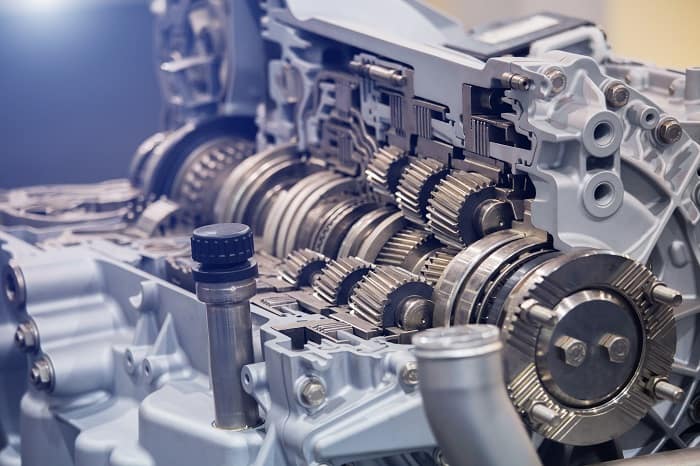
Spotting a car fluid leak is a surefire way to stress to the max. It makes you wonder if your car is able to be driven and what will happen if it’s left unchecked. That’s why Toyota of Clermont is here to ease your stress and answer your car fluid leak questions. Follow this guide from our auto service experts to better identify leaks and what to do if they happen. Our Clermont auto service experts can help identify that leak Maintenance issues like these spell trouble for your vehicle and could be an indication of other underlying issues. The easiest way to identify car fluid leaks is to look at the color. Unfortunately, trying to find the specific leak spot is difficult unless you’re a seasoned maintenance pro. But, the color can tell you the type of fluid and which major engine part it came from. Here are the different types of fluid color to look for: Dark Brown: If you’re seeing this color of Clermont auto fluid underneath your car, it’s likely motor oil. A car fluid leak like this could cause some serious maintenance issues, even engine failure. Be sure to take the vehicle to an auto service technician immediately to find the source of the leak. Clear: Out of the several possible car fluid leaks, clear fluid is perfectly normal and is actually just water. When driving with the air conditioning on, condensation builds up on the exhaust or radiator and then falls when stopped. There’s no cause for worry with this one. Pink: A transmission car fluid leak is likely the culprit here. Having a low amount of this fluid can cause your Clermont vehicle to have difficult shifting in between gears or other maintenance issues like transmission slipping and failure. Blue: This is another one that isn’t a major cause for worry, but our auto service technicians still recommend having fixed. Windshield wiper fluid is likely what’s leaking and this can be caused by a damaged reservoir due to age or extreme weather conditions. Yellow: A car fluid leak like this could mean that you have a radiator coolant maintenance issue. It could be caused by a loose clamp or misaligned O-ring, but should be inspected and repaired immediately. Orange: Unfortunately, orange fluid could be coming from several different sources and it’s difficult to determine where without the help of a Clermont auto service technician. It could be coming from radiator rust or it could be old transmission fluid. Regardless, if you see a car fluid leak like this, consult an auto service technician immediately. Toyota of Clermont can fix your leak and other maintenance issues If you’ve found a car fluid leak and need help fixing it, Toyota of Clermont is your answer. We have a great team of expert auto service technicians who can find your leak and repair it quickly so you can get back on the road. Give us a call at (352) 404 – 7000 to schedule an appointment with our auto service department or visit us at 16851 State Road 50, just off the Florida Turnpike!
Clermont car fluid leak

How to identify a fluid leak

Spotting a car fluid leak is a surefire way to stress to the max. It makes you wonder if your car is able to be driven and what will happen if it’s left unchecked. That’s why Toyota of Clermont is here to ease your stress and answer your car fluid leak questions. Follow this guide from our auto service experts to better identify leaks and what to do if they happen. Our Clermont auto service experts can help identify that leak Maintenance issues like these spell trouble for your vehicle and could be an indication of other underlying issues. The easiest way to identify car fluid leaks is to look at the color. Unfortunately, trying to find the specific leak spot is difficult unless you’re a seasoned maintenance pro. But, the color can tell you the type of fluid and which major engine part it came from. Here are the different types of fluid color to look for: Dark Brown: If you’re seeing this color of Clermont auto fluid underneath your car, it’s likely motor oil. A car fluid leak like this could cause some serious maintenance issues, even engine failure. Be sure to take the vehicle to an auto service technician immediately to find the source of the leak. Clear: Out of the several possible car fluid leaks, clear fluid is perfectly normal and is actually just water. When driving with the air conditioning on, condensation builds up on the exhaust or radiator and then falls when stopped. There’s no cause for worry with this one. Pink: A transmission car fluid leak is likely the culprit here. Having a low amount of this fluid can cause your Clermont vehicle to have difficult shifting in between gears or other maintenance issues like transmission slipping and failure. Blue: This is another one that isn’t a major cause for worry, but our auto service technicians still recommend having fixed. Windshield wiper fluid is likely what’s leaking and this can be caused by a damaged reservoir due to age or extreme weather conditions. Yellow: A car fluid leak like this could mean that you have a radiator coolant maintenance issue. It could be caused by a loose clamp or misaligned O-ring, but should be inspected and repaired immediately. Orange: Unfortunately, orange fluid could be coming from several different sources and it’s difficult to determine where without the help of a Clermont auto service technician. It could be coming from radiator rust or it could be old transmission fluid. Regardless, if you see a car fluid leak like this, consult an auto service technician immediately. Toyota of Clermont can fix your leak and other maintenance issues If you’ve found a car fluid leak and need help fixing it, Toyota of Clermont is your answer. We have a great team of expert auto service technicians who can find your leak and repair it quickly so you can get back on the road. Give us a call at (352) 404 – 7000 to schedule an appointment with our auto service department or visit us at 16851 State Road 50, just off the Florida Turnpike!

Car Suspension Maintenance

Sure-fire Ways to Troubleshoot your Suspension

Think you may be having problems with your car’s suspension? Find out easy ways to troubleshoot them with our Toyota of Clermont auto tech experts! The Importance of your Car Suspension Before we get into how you can troubleshoot your car suspension, you should be in the know about the details of this vital automotive component. This system’s main responsibility is to provide you with a smooth and enjoyable ride. Your suspension gives you control over the direction of your wheels through the steering wheel. It also plays an important role when you press on the brakes. Needless to say, it is of the utmost importance you keep your car suspension in tip-top shape. If it’s not, your car will suffer some pretty serious damages. With this system, you have five different types to choose from – Trailing Arm, Swing Axle, MacPherson Strut, Double Wishbone, and Leading Arm. MacPherson Strut being the most commonly used system with Double Wishbone close behind it. High-performance suspension systems are also available for purchase for vehicles specifically built for racing, towing, or off-roading. Toyota of Clermont Tells you the Symptoms Keeping your car’s suspension in good condition is easy if you stay on top of its maintenance. Our Clermont service center can put you on a good car maintenance routine so all you’ll have to do is drive in at your appointment times. Plus, each time you come in for maintenance, our certified auto techs will conduct a multi-point inspection to catch any car malfunctions that may be developing before they become serious. How can you tell if there is a problem with your suspension? Here is a list of the tell-tale signs straight from our Clermont experts: You’re having difficulty steering. Your car is riding more rough than normal. A good way to spot this symptom is by going over potholes or speed bumps. If these driving obstacles are more noticeable than usual, you most likely have a suspension issue. Your vehicle isn’t driving straight. If you take your hands off the wheel and your car veers to the side, this is a good indicator there is a suspension problem. Your steering wheel vibrates or shudders when you drive. Your car makes knocking or squeaking noises when you turn. You hear knocking, squeaking, or clunking noises every time you make a turn. Your steering feels looser than it usually does. If your steering feels loose, you will have to turn your wheel further to make the same turns you normally would. Is your car exhibiting any of these symptoms? Then you most likely have a suspension issue on your hands. Don’t let the situation worsen and bring your set of wheels into our Toyota of Clermont dealership. You can find us at 16851 State Road 50 just off the Florida Turnpike. We’re open seven days a week for your convenience and are always running service specials. Call and schedule your appointment today at (352) 404-7001.

Car Suspension Maintenance

Sure-fire Ways to Troubleshoot your Suspension

Think you may be having problems with your car’s suspension? Find out easy ways to troubleshoot them with our Toyota of Clermont auto tech experts! The Importance of your Car Suspension Before we get into how you can troubleshoot your car suspension, you should be in the know about the details of this vital automotive component. This system’s main responsibility is to provide you with a smooth and enjoyable ride. Your suspension gives you control over the direction of your wheels through the steering wheel. It also plays an important role when you press on the brakes. Needless to say, it is of the utmost importance you keep your car suspension in tip-top shape. If it’s not, your car will suffer some pretty serious damages. With this system, you have five different types to choose from – Trailing Arm, Swing Axle, MacPherson Strut, Double Wishbone, and Leading Arm. MacPherson Strut being the most commonly used system with Double Wishbone close behind it. High-performance suspension systems are also available for purchase for vehicles specifically built for racing, towing, or off-roading. Toyota of Clermont Tells you the Symptoms Keeping your car’s suspension in good condition is easy if you stay on top of its maintenance. Our Clermont service center can put you on a good car maintenance routine so all you’ll have to do is drive in at your appointment times. Plus, each time you come in for maintenance, our certified auto techs will conduct a multi-point inspection to catch any car malfunctions that may be developing before they become serious. How can you tell if there is a problem with your suspension? Here is a list of the tell-tale signs straight from our Clermont experts: You’re having difficulty steering. Your car is riding more rough than normal. A good way to spot this symptom is by going over potholes or speed bumps. If these driving obstacles are more noticeable than usual, you most likely have a suspension issue. Your vehicle isn’t driving straight. If you take your hands off the wheel and your car veers to the side, this is a good indicator there is a suspension problem. Your steering wheel vibrates or shudders when you drive. Your car makes knocking or squeaking noises when you turn. You hear knocking, squeaking, or clunking noises every time you make a turn. Your steering feels looser than it usually does. If your steering feels loose, you will have to turn your wheel further to make the same turns you normally would. Is your car exhibiting any of these symptoms? Then you most likely have a suspension issue on your hands. Don’t let the situation worsen and bring your set of wheels into our Toyota of Clermont dealership. You can find us at 16851 State Road 50 just off the Florida Turnpike. We’re open seven days a week for your convenience and are always running service specials. Call and schedule your appointment today at (352) 404-7001.

Tire rotation in Orlando

How often should tires be rotated? Car care made easy

It’s very important you keep your car tires in good shape. After all, they’re the only part of your car to actually make contact with the road. That’s why Toyota of Clermont is here to give you the 411 on tire rotations. We want to ensure your tires last as long as possible. Do your Clermont Toyota a favor and keep reading! How often should tires be rotated? Your car tires should be checked and rotated often. Our certified techs recommend every 5,000 to 10,000 miles. However, it’s always smart to consult your owner’s manual to ensure they don’t need to be inspected more frequently. Also, take into consideration that car tires differ in how they wear down based on your vehicle’s body design and where your tires sit underneath the frame. What causes uneven wearing? As your tires are constantly in contact with the road, it’s inevitable they will eventually wear down. However, if they wear unevenly their lifespan will be significantly shorter and your drive will be far from a smooth one. Your front tires are directly controlled by your steering wheel. Therefore, they experience a lot more movement than your rear tires. All of this additional turning exposes your front tires to more friction and causes the rubber to break down at different rates. Another factor that causes uneven wearing is unbalanced tires. It’s no unusual occurrence for tires to not stay perfectly symmetrical or maintain an even weight distribution. These factors will provide you with an unbalanced drive and will put you on the fast lane to uneven tire wear. The Clermont guide to tire rotations: How often should tires be rotated and why? Routine rotations extend the life of your tires by evening out their wear pattern. This auto service can be done at home if you’re a seasoned veteran and have the proper tools, but if you’re not a certified auto technician we recommend leaving this job to the professionals. Whether you take your car to our Clermont service center or do the job at home, you should know there are different types of tire rotations. The best car tire maintenance for you depends on your vehicle and tire type. Check out the guide below: Front to rear tire rotation: Car tires are moved from front to rear on both sides. Vehicle type: Same-size wheels Tire type: directional (tires rotate in one direction) Rearward cross or “X” rotation: Tires rotate from rear to front, then left front to right rear and right front to left rear. Vehicle type: rear & 4-wheel drive Tire type: directional Side to side rotation: Front tires are switched then back tires are switched. Vehicle type: different-size wheels Tire type: nondirectional (tires can rotate in both directions) Forward cross or “X” rotation: Tires are moved front to rear, then left rear to right front and right rear to left front. Vehicle type: front-wheel drive Tire type: nondirectional Stop by Toyota of Clermont and check tire rotations off your to-do list today! We’re always running service specials to get your car the maintenance it needs at a price you deserve. Find us at 16851 State Road 50 just off the Florida Turnpike.

Tire rotation in Orlando

How often should tires be rotated? Car care made easy

It’s very important you keep your car tires in good shape. After all, they’re the only part of your car to actually make contact with the road. That’s why Toyota of Clermont is here to give you the 411 on tire rotations. We want to ensure your tires last as long as possible. Do your Clermont Toyota a favor and keep reading! How often should tires be rotated? Your car tires should be checked and rotated often. Our certified techs recommend every 5,000 to 10,000 miles. However, it’s always smart to consult your owner’s manual to ensure they don’t need to be inspected more frequently. Also, take into consideration that car tires differ in how they wear down based on your vehicle’s body design and where your tires sit underneath the frame. What causes uneven wearing? As your tires are constantly in contact with the road, it’s inevitable they will eventually wear down. However, if they wear unevenly their lifespan will be significantly shorter and your drive will be far from a smooth one. Your front tires are directly controlled by your steering wheel. Therefore, they experience a lot more movement than your rear tires. All of this additional turning exposes your front tires to more friction and causes the rubber to break down at different rates. Another factor that causes uneven wearing is unbalanced tires. It’s no unusual occurrence for tires to not stay perfectly symmetrical or maintain an even weight distribution. These factors will provide you with an unbalanced drive and will put you on the fast lane to uneven tire wear. The Clermont guide to tire rotations: How often should tires be rotated and why? Routine rotations extend the life of your tires by evening out their wear pattern. This auto service can be done at home if you’re a seasoned veteran and have the proper tools, but if you’re not a certified auto technician we recommend leaving this job to the professionals. Whether you take your car to our Clermont service center or do the job at home, you should know there are different types of tire rotations. The best car tire maintenance for you depends on your vehicle and tire type. Check out the guide below: Front to rear tire rotation: Car tires are moved from front to rear on both sides. Vehicle type: Same-size wheels Tire type: directional (tires rotate in one direction) Rearward cross or “X” rotation: Tires rotate from rear to front, then left front to right rear and right front to left rear. Vehicle type: rear & 4-wheel drive Tire type: directional Side to side rotation: Front tires are switched then back tires are switched. Vehicle type: different-size wheels Tire type: nondirectional (tires can rotate in both directions) Forward cross or “X” rotation: Tires are moved front to rear, then left rear to right front and right rear to left front. Vehicle type: front-wheel drive Tire type: nondirectional Stop by Toyota of Clermont and check tire rotations off your to-do list today! We’re always running service specials to get your car the maintenance it needs at a price you deserve. Find us at 16851 State Road 50 just off the Florida Turnpike.

Contact Us

Fill out this form below and we'll contact you shortly
*Required Fields