
Blog / Clermont Toyota Tips

Blog

All Clermont Toyota Tips New Toyota Clermont Toyota News Toyota Service Fun Friday Used Cars Clermont Toyota Service Toyota of Clermont Service
driving on icy roads

How to handle icy roads when driving in winter

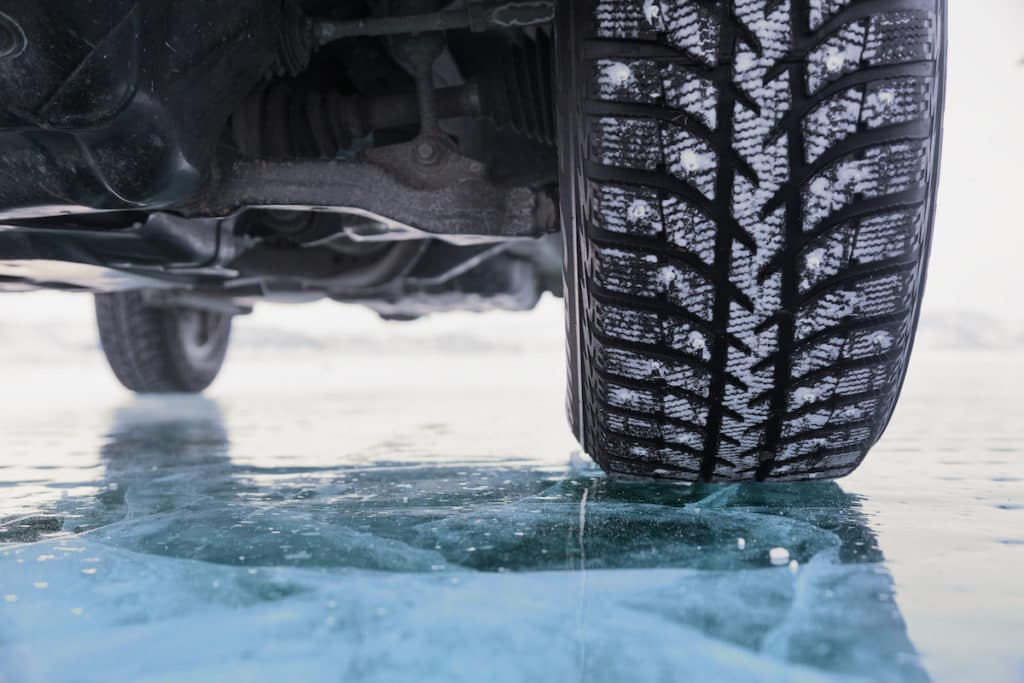
Driving in winter here in Central Florida is easy - you may have to scrap a thin layer of frost off of your windshield every once in a blue moon, but other than that, the arrival of winter doesn't really affect our drive times. However, if you live up north you know that winter has a very big effect both on your vehicle and also on your driving habits. Since the holiday season is here and people may be heading north to see family and friends, Toyota of Clermont is here to provide tips on driving in winter weather; particularly, driving in icy conditions. Tip #1: Remember that bridges ice before the road. Even if the road doesn't have any ice on it, you should prepare for the bridge ahead to. Because bridges have cold air flowing both under and over them, they tend to ice before the road does. Be prepared for slick conditions as you cross and be ready to act should your tires slide out. Tip #2: Don't slam on the gas or brakes. Try to avoid sudden movements like slamming on the gas or brakes when you're driving in winter weather, especially when conditions are icy. If the roads are slick from ice and you hit the gas or brakes hard, it's likely that your tires won't be able to gain traction quickly enough and will actually spin instead. Tip #3: Drive slower than usual. You should also drive more slowly than you usually do - even if it's under the speed limit. Driving in winter means you'll need more reaction time due to slick surfaces and other vehicles losing control. Driving slower will also allow you to retain better control of your car. Tip #4: Always wear your seatbelt. ALWAYS wear your seatbelt when driving in winter weather. You should always wear your seatbelt, period, but it's especially critical in winter weather like ice and snow when an accident is much more likely. Tip #5: Avoid hills if possible. Try to avoid driving on hills if you can when conditions are icy. Slick surfaces combined with steep grades can leave you sliding back down the hill while your tires desperately try to regain traction. This almost always results in a collision, so avoid hills and stick to roads that don't have as much of an incline/decline if you can. Tip #6: Steer into a slide. It sounds weird, but if you do start to slide on ice, steer in the same direction that you're sliding. If you pull the wheel the opposite way, you can send your car into a spin and make things much worse than they actually are. Instead, take your foot off the gas and steer into the slide, being gentle with more movements so you don't make the spin worse. Have questions about driving in winter weather or how to prepare your car for icy roads? Toyota of Clermont has the information you need. Call our Toyota Service Center today at (352) 404-7000 or stop by and see us. We're conveniently located just off the Florida Turnpike at 16851 State Road 50.
driving on icy roads

How to handle icy roads when driving in winter

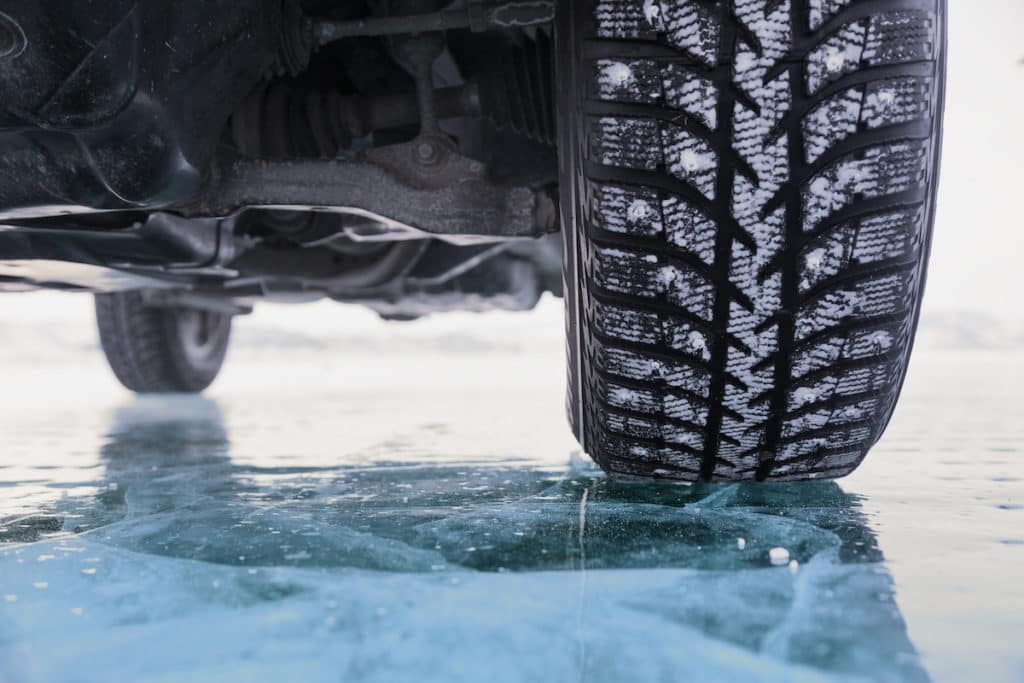
Driving in winter here in Central Florida is easy - you may have to scrap a thin layer of frost off of your windshield every once in a blue moon, but other than that, the arrival of winter doesn't really affect our drive times. However, if you live up north you know that winter has a very big effect both on your vehicle and also on your driving habits. Since the holiday season is here and people may be heading north to see family and friends, Toyota of Clermont is here to provide tips on driving in winter weather; particularly, driving in icy conditions. Tip #1: Remember that bridges ice before the road. Even if the road doesn't have any ice on it, you should prepare for the bridge ahead to. Because bridges have cold air flowing both under and over them, they tend to ice before the road does. Be prepared for slick conditions as you cross and be ready to act should your tires slide out. Tip #2: Don't slam on the gas or brakes. Try to avoid sudden movements like slamming on the gas or brakes when you're driving in winter weather, especially when conditions are icy. If the roads are slick from ice and you hit the gas or brakes hard, it's likely that your tires won't be able to gain traction quickly enough and will actually spin instead. Tip #3: Drive slower than usual. You should also drive more slowly than you usually do - even if it's under the speed limit. Driving in winter means you'll need more reaction time due to slick surfaces and other vehicles losing control. Driving slower will also allow you to retain better control of your car. Tip #4: Always wear your seatbelt. ALWAYS wear your seatbelt when driving in winter weather. You should always wear your seatbelt, period, but it's especially critical in winter weather like ice and snow when an accident is much more likely. Tip #5: Avoid hills if possible. Try to avoid driving on hills if you can when conditions are icy. Slick surfaces combined with steep grades can leave you sliding back down the hill while your tires desperately try to regain traction. This almost always results in a collision, so avoid hills and stick to roads that don't have as much of an incline/decline if you can. Tip #6: Steer into a slide. It sounds weird, but if you do start to slide on ice, steer in the same direction that you're sliding. If you pull the wheel the opposite way, you can send your car into a spin and make things much worse than they actually are. Instead, take your foot off the gas and steer into the slide, being gentle with more movements so you don't make the spin worse. Have questions about driving in winter weather or how to prepare your car for icy roads? Toyota of Clermont has the information you need. Call our Toyota Service Center today at (352) 404-7000 or stop by and see us. We're conveniently located just off the Florida Turnpike at 16851 State Road 50.

speed limits

What you need to know about speed limits

It's happened to all of us - you're cruising, listening to the radio, enjoying your drive time when all of a sudden, you see red and blue lights flashing behind you. You're getting pulled over, and with one glance at the speedometer, you know exactly why. You're breaking the speed limit. Toyota of Clermont explains speed limits and why they exist Unfortunately, many of us have been there. Speed limits exist for a reason (and are backed by both the law and actual science) and are strictly enforced with the risk of a penalty if you break them. And a ticket is the least of your worries if you're caught speeding; you could also run the risk of losing your license or even jail time. That's why it's so critical to obey the speed limit but even more importantly, know why they exist and how they're formulated. Toyota of Clermont is here to explain. A speed limit is essentially a determination of how fast you can both safely and legally go on any particular road. If you go over it, you can get in trouble because you're putting others at risk. If you go too far under it, you can get in trouble because you're impeding the flow of traffic and can cause an accident. When a road is first proposed, it has to be blueprinted, planned, and surveyed. After that, it's time for the infrastructural engineers to step into the process. They have to consider quite a few different elements to determine the final speed limit for that specific road, including: How much pedestrian traffic is on and around the road. Speed limits tend to be lower in areas where there's a lot of foot traffic, like around schools or in urban or suburban areas. How much housing is around the road and how close it is to the road itself. You don't want people flying by homes, especially if they're close to the road. The state of the road itself. Is it in good physical condition? Is it winding or straight? Does it have any hills or elevation changes? So while you may think speed limits are arbitrary, they actually are determined through a lot of careful thought, planning, and consideration. That's why our Clermont Toyota dealership is so adamant about you following them! Speed limits are designed to keep EVERYONE on and around the road safe. Just like car seats and seatbelts and anti-lock brakes, they're part of your drive time safety and should be obeyed. Don't forget - you can get in trouble for going over them as well as under them. Our Clermont Toyota tip? If you stick to a range between five over and five under, you should be good to go. But remember, no matter what speed you're going, you should always keep your hands on the wheel and your eyes on the road. Get all of your safe driving tips from Toyota of Clermont Want more tips on speed limits and safe driving? Toyota of Clermont has all the info you need. Call us today at (352) 404-7000.

speed limits

What you need to know about speed limits

It's happened to all of us - you're cruising, listening to the radio, enjoying your drive time when all of a sudden, you see red and blue lights flashing behind you. You're getting pulled over, and with one glance at the speedometer, you know exactly why. You're breaking the speed limit. Toyota of Clermont explains speed limits and why they exist Unfortunately, many of us have been there. Speed limits exist for a reason (and are backed by both the law and actual science) and are strictly enforced with the risk of a penalty if you break them. And a ticket is the least of your worries if you're caught speeding; you could also run the risk of losing your license or even jail time. That's why it's so critical to obey the speed limit but even more importantly, know why they exist and how they're formulated. Toyota of Clermont is here to explain. A speed limit is essentially a determination of how fast you can both safely and legally go on any particular road. If you go over it, you can get in trouble because you're putting others at risk. If you go too far under it, you can get in trouble because you're impeding the flow of traffic and can cause an accident. When a road is first proposed, it has to be blueprinted, planned, and surveyed. After that, it's time for the infrastructural engineers to step into the process. They have to consider quite a few different elements to determine the final speed limit for that specific road, including: How much pedestrian traffic is on and around the road. Speed limits tend to be lower in areas where there's a lot of foot traffic, like around schools or in urban or suburban areas. How much housing is around the road and how close it is to the road itself. You don't want people flying by homes, especially if they're close to the road. The state of the road itself. Is it in good physical condition? Is it winding or straight? Does it have any hills or elevation changes? So while you may think speed limits are arbitrary, they actually are determined through a lot of careful thought, planning, and consideration. That's why our Clermont Toyota dealership is so adamant about you following them! Speed limits are designed to keep EVERYONE on and around the road safe. Just like car seats and seatbelts and anti-lock brakes, they're part of your drive time safety and should be obeyed. Don't forget - you can get in trouble for going over them as well as under them. Our Clermont Toyota tip? If you stick to a range between five over and five under, you should be good to go. But remember, no matter what speed you're going, you should always keep your hands on the wheel and your eyes on the road. Get all of your safe driving tips from Toyota of Clermont Want more tips on speed limits and safe driving? Toyota of Clermont has all the info you need. Call us today at (352) 404-7000.

safe driving tips

Safe driving tips: What to do if your car gets stuck in a ditch

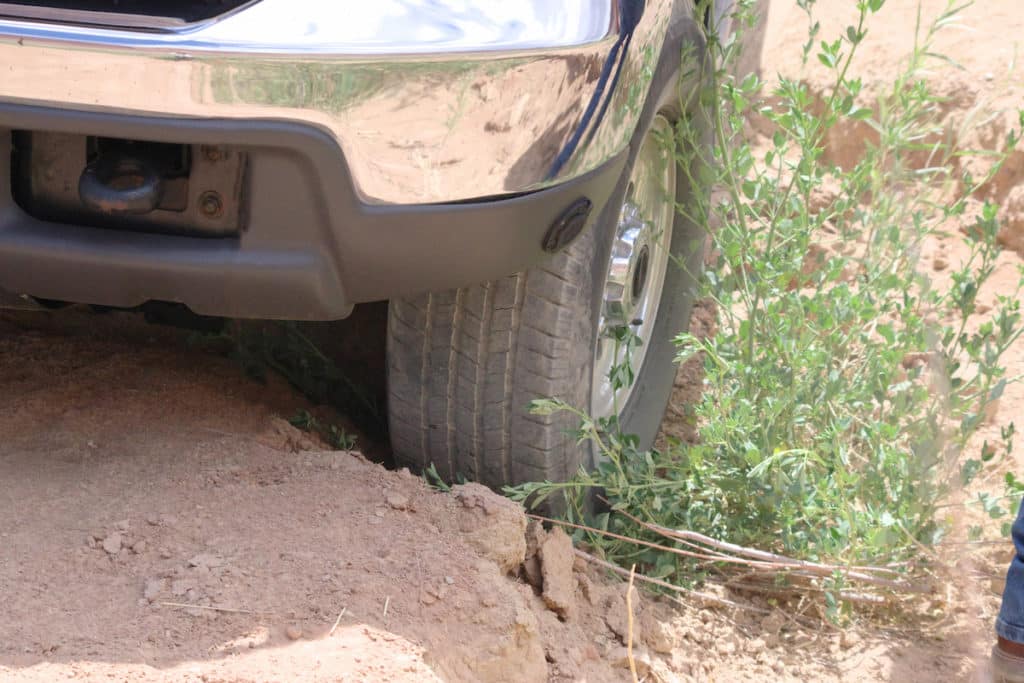
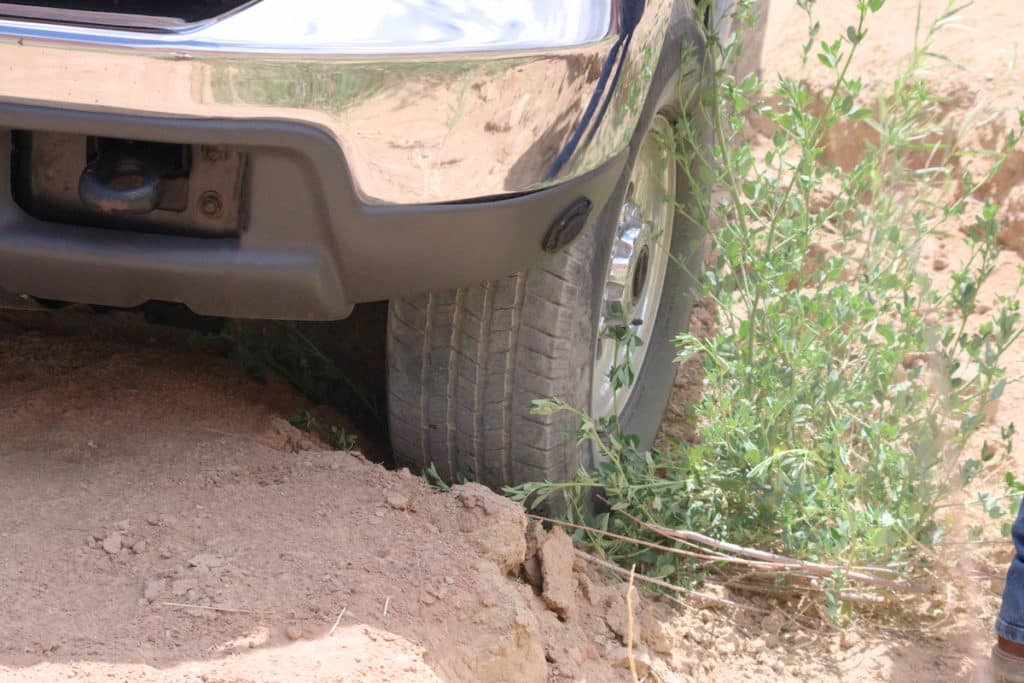
Part of safe driving is knowing how to handle drive time emergencie s calmly and efficiently, whether the cause of the emergency is you or another driver. Today we're talking about how to deal with getting your car stuck in a ditch. This roadside emergency is actually more common than you might think - whether a driver is forced off the road because of an accident or slides off the road in inclement weather, ending up in a ditch is always a possibility. Check out these Clermont Toyota tips for freeing your ride from this precarious position as quickly and calmly as possible. Toyota of Clermont's best safe driving tips for roadside emergencies Tip #1: Assess everyone in the car before you try moving it. If anyone is injured, you should call 911. Even if no one needs to be taken to the hospital, the paramedics can assess injuries on-site and no one needs immediate medical attention. Tip #2: Turn on your hazard lights, especially if it's dark out. This will alert other drivers and passersby to your whereabouts so they can avoid hitting you. Additionally, if your car is close to the road, call for help to remove it from the ditch. Don't waste time trying to do it yourself if the risk of another car hitting you is high. Tip #3: If the ditch is dry - there's no mud or water in it - then you can try lightening the weight of your vehicle to free it. This means emptying out the trunk and also having all passengers exit the car. You should then try to gently accelerate to free your Clermont Toyota, but don't slam on the gas (this can cause the wheels to simply spin and not gain any traction). Tip #4: On the other hand, if your car is sitting in mud or water, don't empty it out. The extra weight can actually work in your favor. However, just pushing the accelerator down won't get you out of the ditch because mud and water make conditions slippery. In this scenario, you'll need to put something under the tires to give you extra traction. We recommend keeping a small bag of kitty litter in the trunk or even using pieces of cardboard or your floormats to help your tires get a grip. You should place the traction device in front of the tires for a front-wheel-drive vehicle, and behind the tires in a rear-wheel-drive vehicle. Tip #5: If you've tried and failed to get yourself out of the ditch, it may be time to call the professionals. You should never try to pull or winch yourself out of a ditch if you don't know how the tools work - you can do serious and costly damage to your vehicle's bumpers and frame. Call a tow truck and then have your vehicle brought to Toyota of Clermont to have our auto service techs assess it for any damage. Have Toyota of Clermont make sure your car is fit for safe driving after an accident Need to make an appointment for us to take a look? Call us for help at (352) 404-7000, or stop by and see us at 16851 State Road 50.

safe driving tips

Safe driving tips: What to do if your car gets stuck in a ditch

Part of safe driving is knowing how to handle drive time emergencie s calmly and efficiently, whether the cause of the emergency is you or another driver. Today we're talking about how to deal with getting your car stuck in a ditch. This roadside emergency is actually more common than you might think - whether a driver is forced off the road because of an accident or slides off the road in inclement weather, ending up in a ditch is always a possibility. Check out these Clermont Toyota tips for freeing your ride from this precarious position as quickly and calmly as possible. Toyota of Clermont's best safe driving tips for roadside emergencies Tip #1: Assess everyone in the car before you try moving it. If anyone is injured, you should call 911. Even if no one needs to be taken to the hospital, the paramedics can assess injuries on-site and no one needs immediate medical attention. Tip #2: Turn on your hazard lights, especially if it's dark out. This will alert other drivers and passersby to your whereabouts so they can avoid hitting you. Additionally, if your car is close to the road, call for help to remove it from the ditch. Don't waste time trying to do it yourself if the risk of another car hitting you is high. Tip #3: If the ditch is dry - there's no mud or water in it - then you can try lightening the weight of your vehicle to free it. This means emptying out the trunk and also having all passengers exit the car. You should then try to gently accelerate to free your Clermont Toyota, but don't slam on the gas (this can cause the wheels to simply spin and not gain any traction). Tip #4: On the other hand, if your car is sitting in mud or water, don't empty it out. The extra weight can actually work in your favor. However, just pushing the accelerator down won't get you out of the ditch because mud and water make conditions slippery. In this scenario, you'll need to put something under the tires to give you extra traction. We recommend keeping a small bag of kitty litter in the trunk or even using pieces of cardboard or your floormats to help your tires get a grip. You should place the traction device in front of the tires for a front-wheel-drive vehicle, and behind the tires in a rear-wheel-drive vehicle. Tip #5: If you've tried and failed to get yourself out of the ditch, it may be time to call the professionals. You should never try to pull or winch yourself out of a ditch if you don't know how the tools work - you can do serious and costly damage to your vehicle's bumpers and frame. Call a tow truck and then have your vehicle brought to Toyota of Clermont to have our auto service techs assess it for any damage. Have Toyota of Clermont make sure your car is fit for safe driving after an accident Need to make an appointment for us to take a look? Call us for help at (352) 404-7000, or stop by and see us at 16851 State Road 50.

Clermont Toyota classic car restoration tips

How to Tell if Your Classic Car is Worth Restoring

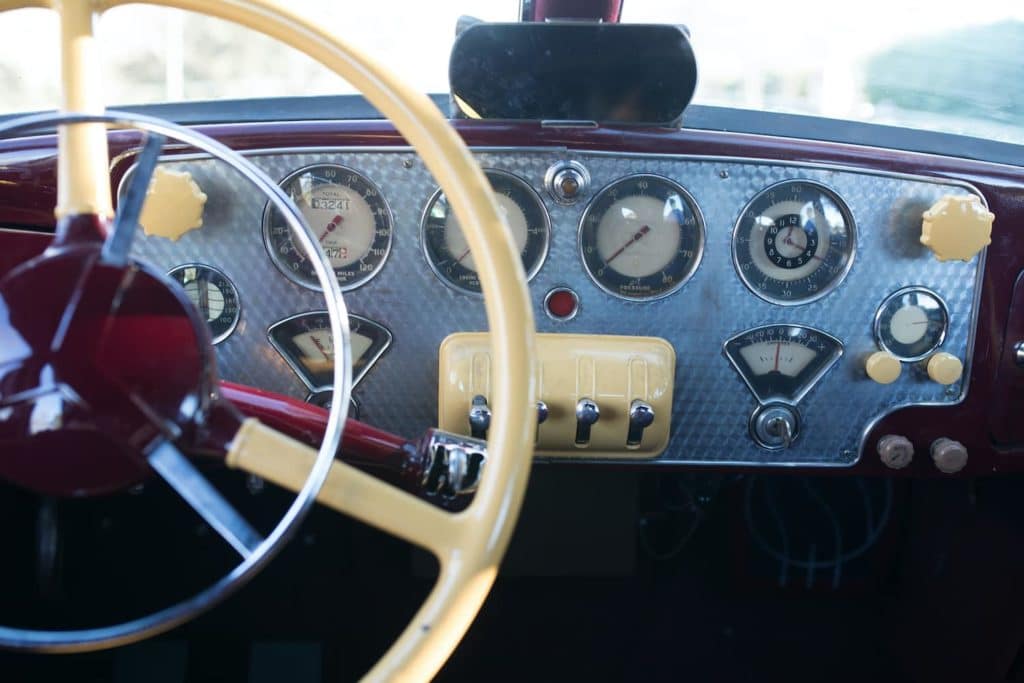
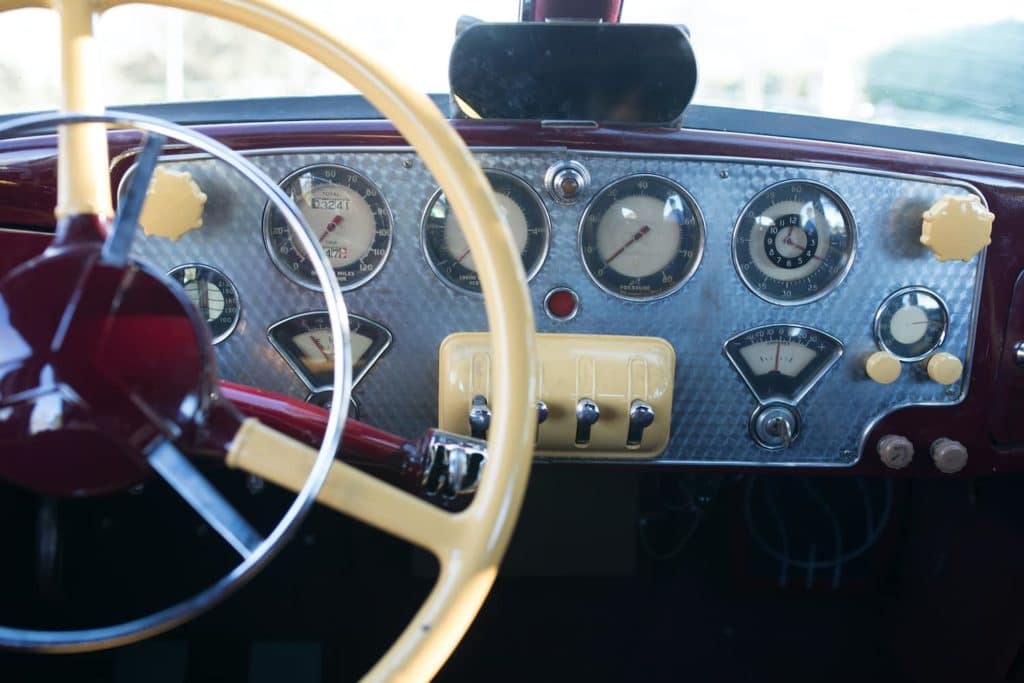
One of the funnest things to do for those who are fans of one thing or more is to dive into a passion project. What better way to spend your time than by getting knee deep in a long-term project that demands your blood, sweat, and tears? Well, maybe it's not that serious, but you get the idea. For us car fanatics out there restoring a classic car is the best passion project to get into. But, while it may seem like a walk in the park kind of project, restoring a classic does require a lot of time, work, and money when all is said and done. If you've been contemplating restoring that rust bucket in your driveway for some time, stop and first consider if it's even worth it. Not sure how to tell? Follow along with us at Toyota of Clermont! How to Tell if Your Classic Car Should Be Restored Clermont classic cars are iconic, unique, and rare as they're no longer in production. It's easy to make the case to restore any vehicle, but should you? Before and during the restoration process these are the things you should consider and ask yourself: What Do You Intend to Do With it? Your classic car project is an endeavor that requires a lot from you. Before you get started it's helpful to ask yourself what you intend to do with the Clermont vehicle once it's been restored. Will you be keeping it for your collection? Gifting it to someone? Or selling it to make a profit? All are great reasons to restore a classic. But, depending on the reason you might find a reason to bow out more or less easily. If you're keeping or gifting the vehicle your reasons for doing the project are emotional and those are more difficult to grapple with. If you plan on selling the vehicle you can assess the current market value and estimate your restoration cost. If your resto costs exceed what you can make on it then the answer is simple. What's the Original Condition? There's a infinite number of possibilities and things that could go wrong during the Clermont classic car restoration process. Depending on how the vehicle is to begin with will determine the overall trajectory of your project. Purchasing a rusted out body with no engine and/or chassis will leave you sinking a lot of time and money into your project. Purchasing a vehicle with little work left to do will be more expensive but you'll save time and likely a lot of money overall. Cost of Parts? Depending on how old and rare the classic car you're restoring is will determine the cost of parts. For some vehicles parts are available and fairly inexpensive. Some auto parts might be difficult to locate and expensive once you do find them. If this money and effort exceeds your willingness to work and pay on the vehicle then it's best to cut your losses and walk away. To avoid paying more than what your vehicle is worth we advise you follow these tips! We Can Help You at Toyota of Clermont Whether you need help locating auto parts or need advice on how to best restore your classic car, Toyota of Clermont is here to help! Visit the dealership at 16851 State Road 50 seven days a week.

Clermont Toyota classic car restoration tips

How to Tell if Your Classic Car is Worth Restoring

One of the funnest things to do for those who are fans of one thing or more is to dive into a passion project. What better way to spend your time than by getting knee deep in a long-term project that demands your blood, sweat, and tears? Well, maybe it's not that serious, but you get the idea. For us car fanatics out there restoring a classic car is the best passion project to get into. But, while it may seem like a walk in the park kind of project, restoring a classic does require a lot of time, work, and money when all is said and done. If you've been contemplating restoring that rust bucket in your driveway for some time, stop and first consider if it's even worth it. Not sure how to tell? Follow along with us at Toyota of Clermont! How to Tell if Your Classic Car Should Be Restored Clermont classic cars are iconic, unique, and rare as they're no longer in production. It's easy to make the case to restore any vehicle, but should you? Before and during the restoration process these are the things you should consider and ask yourself: What Do You Intend to Do With it? Your classic car project is an endeavor that requires a lot from you. Before you get started it's helpful to ask yourself what you intend to do with the Clermont vehicle once it's been restored. Will you be keeping it for your collection? Gifting it to someone? Or selling it to make a profit? All are great reasons to restore a classic. But, depending on the reason you might find a reason to bow out more or less easily. If you're keeping or gifting the vehicle your reasons for doing the project are emotional and those are more difficult to grapple with. If you plan on selling the vehicle you can assess the current market value and estimate your restoration cost. If your resto costs exceed what you can make on it then the answer is simple. What's the Original Condition? There's a infinite number of possibilities and things that could go wrong during the Clermont classic car restoration process. Depending on how the vehicle is to begin with will determine the overall trajectory of your project. Purchasing a rusted out body with no engine and/or chassis will leave you sinking a lot of time and money into your project. Purchasing a vehicle with little work left to do will be more expensive but you'll save time and likely a lot of money overall. Cost of Parts? Depending on how old and rare the classic car you're restoring is will determine the cost of parts. For some vehicles parts are available and fairly inexpensive. Some auto parts might be difficult to locate and expensive once you do find them. If this money and effort exceeds your willingness to work and pay on the vehicle then it's best to cut your losses and walk away. To avoid paying more than what your vehicle is worth we advise you follow these tips! We Can Help You at Toyota of Clermont Whether you need help locating auto parts or need advice on how to best restore your classic car, Toyota of Clermont is here to help! Visit the dealership at 16851 State Road 50 seven days a week.

Clermont Toyota beginner drivers tips

Essential Advice for Beginner Drivers

Driving is such a commonplace activity today that we often forget just how dangerous and intimidating it can be. For those who are learning to drive with their learners' permit or never got behind the wheel when they were teenagers, the prospect of driving can be scary. If you're ready to take the plunge and express your bravery, Toyota of Clermont is here with some essential advice for the beginner drivers out there! Things to Remember for Beginner Drivers Tip 1) Remember Where Your Tires Are Driving a car for a beginner is an odd experience and many of us have a hard time adjusting to the amount of space the car takes up. Until you get a real feel and understanding for the dimensions of your ride you might make some mistakes under and overestimating size. A key way to keep your car from getting damaged is to remember where your wheels/tires are. You can practice this by running over a plastic bottle and feeling the sensation in the bottom of the car or by listening for the crunching sound. Tip 2) Adjust Your Mirrors Before You Drive Your mirrors are the best way to see what's around you without having to take your eyes off what's ahead. Before you head out on your commute make sure they're well adjusted so you can see everything. For beginner drivers this means looking to fill your blind spots and having a clear view out of the back of the Clermont Toyota vehicle. Tip 3) Always Watch the Taller Vehicles Driving in traffic can get stressful and dicey for many beginner drivers. A great way to think ahead and be safe is to look 5-6 cars ahead and watch taller vehicles to see how they maneuver. This can help you determine when to apply your Clermont Toyota brakes and keep yourself from running into the vehicle in front of you. Tip 4) Use the Anti-Reflective Option on Your Rearview Mirror Even if you have a standard Clermont car mirror installed in your ride, you may notice it has a small black tab under it. Pushing this tab back will flip the mirror back to create a view with much less glare. You should use this at night if other drivers' headlights are too bright to see clearly. Tip 5) Use Your A/C Always If you've ever heard the phrase "use it or lose it" then this rule should make sense. For beginner drivers we recommend always using your A/C system, even during the colder winter months. This will ensure that your air conditioning system continues to work properly. Tip 6) Slow Down if You See Another One Doing So As a beginner driver you should always be checking your mirrors. If you see a a driver next to your slowing down you should do the same. This driver could be preparing for a traffic related slowdown, there could be a speed trap up ahead that you're unaware of, or pedestrians looking to cross the street. Do you need additional help or more tips for beginner drivers? Visit Toyota of Clermont today at 16851 State Road 50 or chat with us online anytime!

Clermont Toyota beginner drivers tips

Essential Advice for Beginner Drivers

Driving is such a commonplace activity today that we often forget just how dangerous and intimidating it can be. For those who are learning to drive with their learners' permit or never got behind the wheel when they were teenagers, the prospect of driving can be scary. If you're ready to take the plunge and express your bravery, Toyota of Clermont is here with some essential advice for the beginner drivers out there! Things to Remember for Beginner Drivers Tip 1) Remember Where Your Tires Are Driving a car for a beginner is an odd experience and many of us have a hard time adjusting to the amount of space the car takes up. Until you get a real feel and understanding for the dimensions of your ride you might make some mistakes under and overestimating size. A key way to keep your car from getting damaged is to remember where your wheels/tires are. You can practice this by running over a plastic bottle and feeling the sensation in the bottom of the car or by listening for the crunching sound. Tip 2) Adjust Your Mirrors Before You Drive Your mirrors are the best way to see what's around you without having to take your eyes off what's ahead. Before you head out on your commute make sure they're well adjusted so you can see everything. For beginner drivers this means looking to fill your blind spots and having a clear view out of the back of the Clermont Toyota vehicle. Tip 3) Always Watch the Taller Vehicles Driving in traffic can get stressful and dicey for many beginner drivers. A great way to think ahead and be safe is to look 5-6 cars ahead and watch taller vehicles to see how they maneuver. This can help you determine when to apply your Clermont Toyota brakes and keep yourself from running into the vehicle in front of you. Tip 4) Use the Anti-Reflective Option on Your Rearview Mirror Even if you have a standard Clermont car mirror installed in your ride, you may notice it has a small black tab under it. Pushing this tab back will flip the mirror back to create a view with much less glare. You should use this at night if other drivers' headlights are too bright to see clearly. Tip 5) Use Your A/C Always If you've ever heard the phrase "use it or lose it" then this rule should make sense. For beginner drivers we recommend always using your A/C system, even during the colder winter months. This will ensure that your air conditioning system continues to work properly. Tip 6) Slow Down if You See Another One Doing So As a beginner driver you should always be checking your mirrors. If you see a a driver next to your slowing down you should do the same. This driver could be preparing for a traffic related slowdown, there could be a speed trap up ahead that you're unaware of, or pedestrians looking to cross the street. Do you need additional help or more tips for beginner drivers? Visit Toyota of Clermont today at 16851 State Road 50 or chat with us online anytime!

road trip hacks

Use these 7 road trip hacks this holiday season

The holidays are coming! Halloween is fewer than two weeks away and before we know it, Thanksgiving and Christmas will be hot on its heels. That means travel, and for some of us, road trips. Whether you're hitting the highway for fun or just trying to avoid flying, a road trip is a great way to get where you're going and enjoy the holidays with family and friends. Our Clermont Toyota dealership is here with seven quick tips to get you through your road trip with as little stress and as many memories as possible. 7 road trip tips from Toyota of Clermont Tip #1: Make a carsick bag. Carsickness may rear its ugly head on your road trip and it'll be a lot easier to deal with if you're ready for it. Pack a bag with plastic grocery bags or garbage bags (for trash and wet clothes), Clorox wipes, baby wipes, hand sanitizer, a bottle of Gatorade, crackers, and some Dramamine. This will help you deal with an unpleasant situation quickly and efficiently. Tip #2: Print out your route on a road map and laminate the map. Do you get sick of hearing "Are we there yet?" from the backseat? An easy way to combat this is to print your route on a road map, laminate it, and use an erasable marker to track your progress so the kids can actually see where you are and how far you have to go. Tip #3: Have an actual trashcan on board. Plastic grocery bags work fine... except when something leaks. Grab a plastic cereal container and stick a grocery bag in it, and cap the whole thing with the lid. This will contain your trash and help prevent leaks and spills until you get to the next stop. Tip #4: Use cookie sheets for coloring. Instead of buying lap desks for the kids to color and play, bring cookie sheets along for the ride! They're great for playing with magnets, too. Tip #5: Keep art supplies and toys in shower caddies. Use suction cup shower caddies on the windows to store art supplies, toys, cords, and anything else your kids might need access to while on your road trip. This will help prevent everything from rolling around the backseat. Tip #6: Download the Sit or Squat app on your phone. This useful app will tell you where all the clean restrooms are around you so you're not stuck using a filthy rest stop bathroom when someone's got to go. Tip #7: Use handheld shower caddies for fast food. Handheld shower caddies are a great way to keep fast food upright and spill-free when you're out on the road. You can also store napkins, condiments, and utensils in them for easy access. Make the most of your holiday road trip - prep with Toyota of Clermont Ready for your holiday road trip? We can help prep your vehicle with Clermont auto service OR help you find the perfect new Toyota in Clermont for the open road. Call us today at (352) 404-7000.

road trip hacks

Use these 7 road trip hacks this holiday season

The holidays are coming! Halloween is fewer than two weeks away and before we know it, Thanksgiving and Christmas will be hot on its heels. That means travel, and for some of us, road trips. Whether you're hitting the highway for fun or just trying to avoid flying, a road trip is a great way to get where you're going and enjoy the holidays with family and friends. Our Clermont Toyota dealership is here with seven quick tips to get you through your road trip with as little stress and as many memories as possible. 7 road trip tips from Toyota of Clermont Tip #1: Make a carsick bag. Carsickness may rear its ugly head on your road trip and it'll be a lot easier to deal with if you're ready for it. Pack a bag with plastic grocery bags or garbage bags (for trash and wet clothes), Clorox wipes, baby wipes, hand sanitizer, a bottle of Gatorade, crackers, and some Dramamine. This will help you deal with an unpleasant situation quickly and efficiently. Tip #2: Print out your route on a road map and laminate the map. Do you get sick of hearing "Are we there yet?" from the backseat? An easy way to combat this is to print your route on a road map, laminate it, and use an erasable marker to track your progress so the kids can actually see where you are and how far you have to go. Tip #3: Have an actual trashcan on board. Plastic grocery bags work fine... except when something leaks. Grab a plastic cereal container and stick a grocery bag in it, and cap the whole thing with the lid. This will contain your trash and help prevent leaks and spills until you get to the next stop. Tip #4: Use cookie sheets for coloring. Instead of buying lap desks for the kids to color and play, bring cookie sheets along for the ride! They're great for playing with magnets, too. Tip #5: Keep art supplies and toys in shower caddies. Use suction cup shower caddies on the windows to store art supplies, toys, cords, and anything else your kids might need access to while on your road trip. This will help prevent everything from rolling around the backseat. Tip #6: Download the Sit or Squat app on your phone. This useful app will tell you where all the clean restrooms are around you so you're not stuck using a filthy rest stop bathroom when someone's got to go. Tip #7: Use handheld shower caddies for fast food. Handheld shower caddies are a great way to keep fast food upright and spill-free when you're out on the road. You can also store napkins, condiments, and utensils in them for easy access. Make the most of your holiday road trip - prep with Toyota of Clermont Ready for your holiday road trip? We can help prep your vehicle with Clermont auto service OR help you find the perfect new Toyota in Clermont for the open road. Call us today at (352) 404-7000.

Contact Us

Fill out this form below and we'll contact you shortly
*Required Fields