Blog / Clermont Toyota Tips

Blog

All Clermont Toyota Tips New Toyota Clermont Toyota News Toyota Service Fun Friday Used Cars Clermont Toyota Service Toyota of Clermont Service
morning.

The Best Guide To Defogging Your Windows

There’s nothing like stepping into your Clermont Toyota and figuring out how to defog your windshield. It can be frustrating to wipe away the fog, for it to only come back soon after. Toyota of Clermont’s experts is here to guide you on preventing your windshields from fogging up and defogging your windshield in no time. Why do car windows fog up in the first place? There are a couple of reasons why your Clermont Toyota windshields fog up. First, you may be wondering how to defog your windshields, but what about why they fog up in the first place? Temperature changes can cause moisture on your Clermont Toyota’s windshield. The temperature change causes the humidity inside your car to condense by creating a layer on your windshield. Believe it or not, you may notice this happens when your car is hot or cold. How to defog your windshield fast Put your car’s heat on high. It would be best if you immediately cranked up your Clermont Toyota’s heat. This helps absorb the moisture by evaporating it quickly. Just make sure you’re ready for the heat! Turn on your air conditioning. Next, go ahead and turn on your Clermont Toyota’s air conditioning to help absorb the moisture in the air as well. Again, it helps with foggy windows, so put it to the test! Turn off the air recirculation. The next step is to turn off the air recirculation. You can find this by looking for the button with a car and c-shaped arrow symbol. Roll down the car windows. The final step to defog your windshield is to roll down your Clermont Toyota car windows. You can do this briefly to allow the windshields to get the air out as quickly as possible. If you can, open as many car windows as possible. The humid air inside of your car is flooded with drier outside air. How do I prevent the windshield from fogging up? Keep the inside of your windshield clean. Making sure you clean the windscreen regularly on the inside and outside of your windshield prevents fog. Condensation can create a film that gives moisture to attach to the next time. Turn on your defogger. This is a simple way to prevent your windshield from fogging up. The defogger inside your car removes condensed water droplets to keep your windshield clear! Use a fog repellent coat on your windshield. These products are designed for your car’s windshields to prevent fog. Just apply it before your week and wipe it across your glass with a microfiber towel. Visit Toyota of Clermont today! Have any more questions about how to defog your windshield? Our experts would love to help you. Give Toyota of Clermont a call today at (352) 404-7000 or stop by 16851 State Road 50, just west of the Florida Turnpike. We’re open seven days a week for your convenience.

morning.

The Best Guide To Defogging Your Windows

There’s nothing like stepping into your Clermont Toyota and figuring out how to defog your windshield. It can be frustrating to wipe away the fog, for it to only come back soon after. Toyota of Clermont’s experts is here to guide you on preventing your windshields from fogging up and defogging your windshield in no time. Why do car windows fog up in the first place? There are a couple of reasons why your Clermont Toyota windshields fog up. First, you may be wondering how to defog your windshields, but what about why they fog up in the first place? Temperature changes can cause moisture on your Clermont Toyota’s windshield. The temperature change causes the humidity inside your car to condense by creating a layer on your windshield. Believe it or not, you may notice this happens when your car is hot or cold. How to defog your windshield fast Put your car’s heat on high. It would be best if you immediately cranked up your Clermont Toyota’s heat. This helps absorb the moisture by evaporating it quickly. Just make sure you’re ready for the heat! Turn on your air conditioning. Next, go ahead and turn on your Clermont Toyota’s air conditioning to help absorb the moisture in the air as well. Again, it helps with foggy windows, so put it to the test! Turn off the air recirculation. The next step is to turn off the air recirculation. You can find this by looking for the button with a car and c-shaped arrow symbol. Roll down the car windows. The final step to defog your windshield is to roll down your Clermont Toyota car windows. You can do this briefly to allow the windshields to get the air out as quickly as possible. If you can, open as many car windows as possible. The humid air inside of your car is flooded with drier outside air. How do I prevent the windshield from fogging up? Keep the inside of your windshield clean. Making sure you clean the windscreen regularly on the inside and outside of your windshield prevents fog. Condensation can create a film that gives moisture to attach to the next time. Turn on your defogger. This is a simple way to prevent your windshield from fogging up. The defogger inside your car removes condensed water droplets to keep your windshield clear! Use a fog repellent coat on your windshield. These products are designed for your car’s windshields to prevent fog. Just apply it before your week and wipe it across your glass with a microfiber towel. Visit Toyota of Clermont today! Have any more questions about how to defog your windshield? Our experts would love to help you. Give Toyota of Clermont a call today at (352) 404-7000 or stop by 16851 State Road 50, just west of the Florida Turnpike. We’re open seven days a week for your convenience.

How To Take Care of Leather Interiors

How To Take Care of Leather Interiors

You may be looking for a luxurious car with a breathtaking leather interior. But did you know that taking care of your leather car seats is a process? So, to keep your leather car seats in their best condition, Toyota of Clermont experts are here to ensure you know exactly how to take care of a leather interior. How to protect leather car seats? Block sunlight by taking out direct sunlight when your car is parked. The best way to do this is to put a sun blocker on your windshield. Don't use paper towels on your leather seats. Instead, use an old cotton t-shirt or a microfiber cloth. Paper towels can cause scratches on your leather car seats; no one wants that. Use special leather conditioners on your Clermont Toyota seats. To protect your leather car seats, use special leather conditioners you can find at our auto shop store on your Clermont Toyota. Don't let your Leather seats overheat! Keep the temperature down as much as possible in your Clermont Toyota. Maybe slightly open your doors to keep the air circulating in your car while it's parked in the sun. How to clean leather car seats? Vacuum your seats It's a simple step in the process that helps your Clermont Toyota leather seats. But, first, you can get a vacuum and gather all the dust and crumbs in your car. Doing this helps maintain your vehicle because grains in your interior seats can cause damage to the surface. Use a cleaner to clean any present stains or spills. You can use a leather car cleaner or a DIY alternative as a cleaner can work as well to clean any present stains or spills in your Clermont Toyota. Wipe using microfiber cloths Make sure you wipe off the cleaner or excess dust with a microfiber towel. The type of material in a microfiber towel will absorb better, and the soft quality is excellent for your leather surfaces. Clean sections one at a time Make sure you only clean small sections one at a time, so you can thoroughly clean your leather car seats and don't miss any spots! Don't let the solution dry up without drying it with a microfiber towel Once you clean the interior of your Clermont Toyota, go ahead and wipe it down before it dries. If you don't dry it, you may not correctly clean out any stains and spills, leaving the cleaning product to sink into your leather seats. Apply leather conditioner using a microfiber towel The next time is to apply a leather conditioner using a microfiber towel. Again, don't spray the conditioner directly on the surface. Instead, spray the product onto the microfiber cloth, then direct it into your leather surface. Let the conditioner sit on your seats Wait a couple of minutes before wiping over it to remove it. Unlike the cleaning product, you want the conditioner to sink into the leather. This way, it polishes the surface of your car's interior. What products should you use on leather seats? Lexol Conditioner Cleaner kit Weiman Leather Leather Honey Conditioner Cream of tartar and lemon juice blend well for antibacterial properties, low ph, and high citric acid content Olive oil and vinegar dissolve quickly. It disinfects, kills germs, and is an excellent deodorizer. The vinegar smell fades quickly and takes the smells with it. Have more questions? Visit Toyota of Clermont! We have new cars arriving daily if you're looking for leather seats. Give us a call! See leather seats in person – visit Toyota of Clermont at 16851 State Road 50, just west of the Florida Turnpike. You can also shop online or call us for additional information at (352) 404-7000.

How To Take Care of Leather Interiors

How To Take Care of Leather Interiors

You may be looking for a luxurious car with a breathtaking leather interior. But did you know that taking care of your leather car seats is a process? So, to keep your leather car seats in their best condition, Toyota of Clermont experts are here to ensure you know exactly how to take care of a leather interior. How to protect leather car seats? Block sunlight by taking out direct sunlight when your car is parked. The best way to do this is to put a sun blocker on your windshield. Don't use paper towels on your leather seats. Instead, use an old cotton t-shirt or a microfiber cloth. Paper towels can cause scratches on your leather car seats; no one wants that. Use special leather conditioners on your Clermont Toyota seats. To protect your leather car seats, use special leather conditioners you can find at our auto shop store on your Clermont Toyota. Don't let your Leather seats overheat! Keep the temperature down as much as possible in your Clermont Toyota. Maybe slightly open your doors to keep the air circulating in your car while it's parked in the sun. How to clean leather car seats? Vacuum your seats It's a simple step in the process that helps your Clermont Toyota leather seats. But, first, you can get a vacuum and gather all the dust and crumbs in your car. Doing this helps maintain your vehicle because grains in your interior seats can cause damage to the surface. Use a cleaner to clean any present stains or spills. You can use a leather car cleaner or a DIY alternative as a cleaner can work as well to clean any present stains or spills in your Clermont Toyota. Wipe using microfiber cloths Make sure you wipe off the cleaner or excess dust with a microfiber towel. The type of material in a microfiber towel will absorb better, and the soft quality is excellent for your leather surfaces. Clean sections one at a time Make sure you only clean small sections one at a time, so you can thoroughly clean your leather car seats and don't miss any spots! Don't let the solution dry up without drying it with a microfiber towel Once you clean the interior of your Clermont Toyota, go ahead and wipe it down before it dries. If you don't dry it, you may not correctly clean out any stains and spills, leaving the cleaning product to sink into your leather seats. Apply leather conditioner using a microfiber towel The next time is to apply a leather conditioner using a microfiber towel. Again, don't spray the conditioner directly on the surface. Instead, spray the product onto the microfiber cloth, then direct it into your leather surface. Let the conditioner sit on your seats Wait a couple of minutes before wiping over it to remove it. Unlike the cleaning product, you want the conditioner to sink into the leather. This way, it polishes the surface of your car's interior. What products should you use on leather seats? Lexol Conditioner Cleaner kit Weiman Leather Leather Honey Conditioner Cream of tartar and lemon juice blend well for antibacterial properties, low ph, and high citric acid content Olive oil and vinegar dissolve quickly. It disinfects, kills germs, and is an excellent deodorizer. The vinegar smell fades quickly and takes the smells with it. Have more questions? Visit Toyota of Clermont! We have new cars arriving daily if you're looking for leather seats. Give us a call! See leather seats in person – visit Toyota of Clermont at 16851 State Road 50, just west of the Florida Turnpike. You can also shop online or call us for additional information at (352) 404-7000.

A child walks over a crosswalk

Back To School Driving Tips You Need This School Year

Since school is around the corner it’s an opportunity to brush up on back to school driving tips from your experts here at Toyota of Clermont. Driving in school zones Slow down and drive slowly. School zones have lower speed limits for safety purposes. You should make sure to factor these speed limits into your driving commute. Avoid distracted driving at all cost. So, this means making sure you’re not on your phone while driving, utilizing the advanced technology on your Clermont Toyota like Apple CarPlay or Android Auto to navigate to your destination safely. Always be ready to stop suddenly and quickly for bicycles and kids crossing the street to get to school, and drivers pulling into the dropoff loop. Make sure to expect and watch out for pedestrians and crossing guards. Take a look at the roads by scanning every direction and always yielding. Keep an eye out for road signs while you’re driving to school by knowing where the school zones start and end, the speed limits, and other rules you should follow for this back to school season. Driving around school buses Try not to follow a school bus too closely School buses are responsible for picking up children from multiple different bus stops, so they frequently make stops. You want to make sure when you’re driving behind a school bus that you leave plenty of space between the bus and your Clermont Toyota. There is a helpful two-second rule that you should follow that’s super helpful. Once a bus passes a street sign or tree, you should wait at least two seconds before passing it. Let’s say it stops, you should leave 10 feet of space in between the front of your car and the back of the bus. By doing this, you are also allowing space for kids to pass between if they need to. Get ready for frequent stops In the morning, you may have to prepare yourself for frequent stops with back to school traffic. So, make sure that you are exercising your defensive driving skills. Be sure to pay attention to the road at all times. Don’t catch their blind spot When you’re on the road and see a big bus, you may notice that they block the view in front of you because of how big they are in space. Just in the same way, they have big blind spots. So, although you may want to quickly pass them, do not. Instead, if you need to pass them, wait for them, make sure you never pass them when their yellow lights are flashing (make a stop instead), and always pass on the left side of the bus. Always stop when needed for a bus If you find that you’re behind a bus and yellow lights are flashing, it’s an indication that you legally have to stop your Clermont Toyota. You must stop even if you are in the lane over from the bus. However, if you’re driving in the opposite direction with a double line in the middle of the road, then you are in the clear to keep driving. How To Avoid Back To School Traffic 1. Plan Your Route Routes can be confusing, especially if you’re starting a new school. It’s best to try out your route, before heading out on the road when the first day comes around. By planning your route and preparing you will save yourself time and frustration. 2. Give yourself extra time It’s important to give yourself the extra time you need in the morning. When you’re in traffic and dealing with the pressures of being late, it’s tempting to want to speed and cut other cars off. However, this can increase your chances of getting into a collision and isn’t safe. Instead, give yourself enough time to encounter traffic from weather delays, accidents, or etc. Give yourself at least 15 minutes of wiggle room this back to school. 3. Pack everything up ahead of time Prepare the night before by setting out your clothes for the next day, your backpack, anything needed for after school activities to make sure your morning runs as smoothly as possible. By preparing beforehand, you limit the possibilities of having to turn your Clermont Toyota around to get something you forgot. 4. Check the traffic from your smartphone ahead of time Take advantage of the features on your smartphone like Apple Maps, Google Maps, or whatever navigation system you prefer. You will be able to get an idea of how long it takes to get to your school in the morning and afternoon. Need more tips this school year? Reach out to us at Toyota of Clermont today! You can find us at 16851 State Road 50 seven days a week.

A child walks over a crosswalk

Back To School Driving Tips You Need This School Year

Since school is around the corner it’s an opportunity to brush up on back to school driving tips from your experts here at Toyota of Clermont. Driving in school zones Slow down and drive slowly. School zones have lower speed limits for safety purposes. You should make sure to factor these speed limits into your driving commute. Avoid distracted driving at all cost. So, this means making sure you’re not on your phone while driving, utilizing the advanced technology on your Clermont Toyota like Apple CarPlay or Android Auto to navigate to your destination safely. Always be ready to stop suddenly and quickly for bicycles and kids crossing the street to get to school, and drivers pulling into the dropoff loop. Make sure to expect and watch out for pedestrians and crossing guards. Take a look at the roads by scanning every direction and always yielding. Keep an eye out for road signs while you’re driving to school by knowing where the school zones start and end, the speed limits, and other rules you should follow for this back to school season. Driving around school buses Try not to follow a school bus too closely School buses are responsible for picking up children from multiple different bus stops, so they frequently make stops. You want to make sure when you’re driving behind a school bus that you leave plenty of space between the bus and your Clermont Toyota. There is a helpful two-second rule that you should follow that’s super helpful. Once a bus passes a street sign or tree, you should wait at least two seconds before passing it. Let’s say it stops, you should leave 10 feet of space in between the front of your car and the back of the bus. By doing this, you are also allowing space for kids to pass between if they need to. Get ready for frequent stops In the morning, you may have to prepare yourself for frequent stops with back to school traffic. So, make sure that you are exercising your defensive driving skills. Be sure to pay attention to the road at all times. Don’t catch their blind spot When you’re on the road and see a big bus, you may notice that they block the view in front of you because of how big they are in space. Just in the same way, they have big blind spots. So, although you may want to quickly pass them, do not. Instead, if you need to pass them, wait for them, make sure you never pass them when their yellow lights are flashing (make a stop instead), and always pass on the left side of the bus. Always stop when needed for a bus If you find that you’re behind a bus and yellow lights are flashing, it’s an indication that you legally have to stop your Clermont Toyota. You must stop even if you are in the lane over from the bus. However, if you’re driving in the opposite direction with a double line in the middle of the road, then you are in the clear to keep driving. How To Avoid Back To School Traffic 1. Plan Your Route Routes can be confusing, especially if you’re starting a new school. It’s best to try out your route, before heading out on the road when the first day comes around. By planning your route and preparing you will save yourself time and frustration. 2. Give yourself extra time It’s important to give yourself the extra time you need in the morning. When you’re in traffic and dealing with the pressures of being late, it’s tempting to want to speed and cut other cars off. However, this can increase your chances of getting into a collision and isn’t safe. Instead, give yourself enough time to encounter traffic from weather delays, accidents, or etc. Give yourself at least 15 minutes of wiggle room this back to school. 3. Pack everything up ahead of time Prepare the night before by setting out your clothes for the next day, your backpack, anything needed for after school activities to make sure your morning runs as smoothly as possible. By preparing beforehand, you limit the possibilities of having to turn your Clermont Toyota around to get something you forgot. 4. Check the traffic from your smartphone ahead of time Take advantage of the features on your smartphone like Apple Maps, Google Maps, or whatever navigation system you prefer. You will be able to get an idea of how long it takes to get to your school in the morning and afternoon. Need more tips this school year? Reach out to us at Toyota of Clermont today! You can find us at 16851 State Road 50 seven days a week.

4wd system

AWD vs 4WD: Which One is Better?

Car shopping can be overwhelming, especially if it’s your first car purchase. Plus, there are many things to consider, like safety ratings, gas mileage, and towing capacity. AWD vs 4WD is one of the most debated topics at Toyota of Clermont. These systems might sound similar, but they are very different! When you take a closer look, you’ll find that the driving experience, handling, and performance are very different between these drivetrain types. That’s why our automotive experts at Toyota of Clermont are here to break it down for you. In this guide, we’ll cover what All-Wheel Drive (AWD) and Four-Wheel Drive (4WD) really mean, how each system works, the pros and cons of each, and how to decide which one suits your driving lifestyle. Whether you're braving unpredictable road conditions or planning your next off-road adventure, we’re “Making it Simple™.” What is an All-Wheel Drive Vehicle (AWD)? AWD is a drivetrain system that powers all four wheels of your ride. Unlike traditional 4WD systems, which require the driver's input to engage, AWD vehicles are always on and constantly adjusting the amount of torque sent to each wheel. Additionally, this smart system uses sensors to detect slippage and road conditions, directing power to the wheels that need it most in the moment. One of the defining components of an AWD vehicle is the center differential, which allows the front and rear wheels to rotate at different speeds. This is super important when you’re driving on paved roads where wheels naturally move at different rates, especially when turning! Because of the center differential, AWD systems are smoother, more fuel-efficient than traditional 4WD systems (not as efficient as front-wheel drive), and are designed for everyday road conditions like rain, light snow, and occasional unpaved roads. Also, AWD is most commonly found in modern crossovers and SUVs like the Toyota Highlander or Corolla Cross. These Clermont Toyotas are built for comfort, safety, and practicality rather than taking the off-roading path in a Toyota 4Runner. When it comes to AWD vs 4WD, which one will you choose at our dealership? <span data-mce-type="bookmark" style="display: inline-block; width: 0px; overflow: hidden; line-height: 0;" class="mce_SELRES_start"></span> What is Four-Wheel Drive (4WD)? Four-Wheel Drive (4WD), often referred to as 4x4, is a more traditional and robust system built to tackle harsh driving environments. Typically, a 4WD vehicle operates in rear-wheel drive until the driver manually activates the 4WD system, usually through a switch, lever, or button. Once you enable the 4WD system, it locks torque to the front and rear axles to provide consistent power to all four wheels. Also, most 4WD systems don’t use a center differential. To break it down, this means the front and rear axles are locked together and spin at the same rate. This offers maximum traction in slippery or uneven terrain (deep mud, snow, or steep rocks). However, it’s not ideal for dry pavement. Without a center differential, turning can cause "binding" or wheel hop, which can damage your drivetrain. And, who wants an expensive auto repair at the Toyota Collision Center that they could prevent? Because of this, the 4WD vehicle is best suited for extreme off-road conditions or heavy towing situations. Additionally, you’ll find it in trucks and full-size SUVs like the Toyota Tundra or Toyota 4Runner. These Clermont Toyotas are perfect for the rugged road or camping if you’re into that! When you’re deciding between the AWD vs 4WD, which one will you choose at our dealership? AWD vs 4WD: Pros and Cons All-Wheel Drive Advantages: Perfect for everyday driving and unpredictable road conditions like rain, sleet, and light snow. It offers a seamless and automatic power distribution with no driver input required. Also, it helps maintain traction on slick pavement or winding roads. Enhances confidence and safety without leaving out comfort. Incorporates a center differential for smooth cornering and consistent ride quality. Disadvantages: It’s much more expensive to maintain and repair due to its complexity. (Hello wallet.) Also, it usually adds more weight to your vehicle, which reduces fuel efficiency compared to front-wheel-drive options. Finally, it’s not the best for extreme off-road situations. Four-Wheel Drive (4WD) Advantages: First, it’s designed for rugged terrain like rocky trails, sand, deep snow, or muddy roads. Offers maximum traction in off-road or towing scenarios. Many 4WD vehicles feature low-range gearing for steep inclines and descents. Finally, it allows manual control over the drivetrain, which can be preferable for experienced drivers. Disadvantages: Less fuel-efficient due to heavier drivetrain components. Requires driver engagement, which can be inconvenient or misused on dry pavement. Also, it’s not as smooth or efficient for daily commuting or highway driving in your Clermont Toyota. Lacks a Clermont Toyota center differential, which makes it unsuitable for extended use on regular paved roads. Which is Right for You: AWD vs 4WD Which system wins in the great AWD vs 4WD debate? Well, this depends on your needs as a driver and your hobbies! When deciding between AWD vs 4WD, you should choose AWD if: You live in an area with a ton of rain or snow. Mostly driving on pavement or well-maintained roads. You value convenience, comfort, and safety for daily commutes or family trips. Finally, if you want a modern AWD vehicle like the Clermont Toyota RAV4 or Highlander, that offers peace of mind in a variety of weather conditions. When deciding between AWD vs 4WD, you should choose 4WD if: You enjoy weekend adventures on rough terrain or plan to go off-roading regularly. You live in a rural area where roads are less maintained and have steep inclines. You need to tow heavy loads or have things like a boat, RV, or anything similar. You’re shopping for a 4WD vehicle like the Clermont Toyota Tacoma or Tundra with off-roading capabilities and need that extra oomph on the highway. Still unsure? Our team at Toyota of Clermont is happy to walk you through your options and help you test drive the AWD vs 4WD systems. Why Road Conditions Matter: AWD vs 4WD Also, it’s important to think beyond your daily routine when choosing AWD vs 4WD. Other things like weather and terrain can change quickly, and having the right drivetrain can make all the difference. AWD vehicles are the best option in cities and suburbs with varying road conditions. On the other hand, the 4WD systems dominate during off-road adventures or overlanding. When choosing AWD vs 4WD, always think about where you’ll be driving the most! Stop by Toyota of Clermont and Explore AWD vs 4WD Stop by Toyota of Clermont at 16851 State Road 50, just west of the Florida Turnpike. Our expert sales specialists are ready to answer all your questions about AWD vs 4WD! Prefer to browse from the comfort of your couch? No problem! Shop online anytime or call us at (352) 404-7000 for more information.

4wd system

AWD vs 4WD: Which One is Better?

Car shopping can be overwhelming, especially if it’s your first car purchase. Plus, there are many things to consider, like safety ratings, gas mileage, and towing capacity. AWD vs 4WD is one of the most debated topics at Toyota of Clermont. These systems might sound similar, but they are very different! When you take a closer look, you’ll find that the driving experience, handling, and performance are very different between these drivetrain types. That’s why our automotive experts at Toyota of Clermont are here to break it down for you. In this guide, we’ll cover what All-Wheel Drive (AWD) and Four-Wheel Drive (4WD) really mean, how each system works, the pros and cons of each, and how to decide which one suits your driving lifestyle. Whether you're braving unpredictable road conditions or planning your next off-road adventure, we’re “Making it Simple™.” What is an All-Wheel Drive Vehicle (AWD)? AWD is a drivetrain system that powers all four wheels of your ride. Unlike traditional 4WD systems, which require the driver's input to engage, AWD vehicles are always on and constantly adjusting the amount of torque sent to each wheel. Additionally, this smart system uses sensors to detect slippage and road conditions, directing power to the wheels that need it most in the moment. One of the defining components of an AWD vehicle is the center differential, which allows the front and rear wheels to rotate at different speeds. This is super important when you’re driving on paved roads where wheels naturally move at different rates, especially when turning! Because of the center differential, AWD systems are smoother, more fuel-efficient than traditional 4WD systems (not as efficient as front-wheel drive), and are designed for everyday road conditions like rain, light snow, and occasional unpaved roads. Also, AWD is most commonly found in modern crossovers and SUVs like the Toyota Highlander or Corolla Cross. These Clermont Toyotas are built for comfort, safety, and practicality rather than taking the off-roading path in a Toyota 4Runner. When it comes to AWD vs 4WD, which one will you choose at our dealership? <span data-mce-type="bookmark" class="mce_SELRES_start"></span> What is Four-Wheel Drive (4WD)? Four-Wheel Drive (4WD), often referred to as 4x4, is a more traditional and robust system built to tackle harsh driving environments. Typically, a 4WD vehicle operates in rear-wheel drive until the driver manually activates the 4WD system, usually through a switch, lever, or button. Once you enable the 4WD system, it locks torque to the front and rear axles to provide consistent power to all four wheels. Also, most 4WD systems don’t use a center differential. To break it down, this means the front and rear axles are locked together and spin at the same rate. This offers maximum traction in slippery or uneven terrain (deep mud, snow, or steep rocks). However, it’s not ideal for dry pavement. Without a center differential, turning can cause "binding" or wheel hop, which can damage your drivetrain. And, who wants an expensive auto repair at the Toyota Collision Center that they could prevent? Because of this, the 4WD vehicle is best suited for extreme off-road conditions or heavy towing situations. Additionally, you’ll find it in trucks and full-size SUVs like the Toyota Tundra or Toyota 4Runner. These Clermont Toyotas are perfect for the rugged road or camping if you’re into that! When you’re deciding between the AWD vs 4WD, which one will you choose at our dealership? AWD vs 4WD: Pros and Cons All-Wheel Drive Advantages: Perfect for everyday driving and unpredictable road conditions like rain, sleet, and light snow. It offers a seamless and automatic power distribution with no driver input required. Also, it helps maintain traction on slick pavement or winding roads. Enhances confidence and safety without leaving out comfort. Incorporates a center differential for smooth cornering and consistent ride quality. Disadvantages: It’s much more expensive to maintain and repair due to its complexity. (Hello wallet.) Also, it usually adds more weight to your vehicle, which reduces fuel efficiency compared to front-wheel-drive options. Finally, it’s not the best for extreme off-road situations. Four-Wheel Drive (4WD) Advantages: First, it’s designed for rugged terrain like rocky trails, sand, deep snow, or muddy roads. Offers maximum traction in off-road or towing scenarios. Many 4WD vehicles feature low-range gearing for steep inclines and descents. Finally, it allows manual control over the drivetrain, which can be preferable for experienced drivers. Disadvantages: Less fuel-efficient due to heavier drivetrain components. Requires driver engagement, which can be inconvenient or misused on dry pavement. Also, it’s not as smooth or efficient for daily commuting or highway driving in your Clermont Toyota. Lacks a Clermont Toyota center differential, which makes it unsuitable for extended use on regular paved roads. Which is Right for You: AWD vs 4WD Which system wins in the great AWD vs 4WD debate? Well, this depends on your needs as a driver and your hobbies! When deciding between AWD vs 4WD, you should choose AWD if: You live in an area with a ton of rain or snow. Mostly driving on pavement or well-maintained roads. You value convenience, comfort, and safety for daily commutes or family trips. Finally, if you want a modern AWD vehicle like the Clermont Toyota RAV4 or Highlander, that offers peace of mind in a variety of weather conditions. When deciding between AWD vs 4WD, you should choose 4WD if: You enjoy weekend adventures on rough terrain or plan to go off-roading regularly. You live in a rural area where roads are less maintained and have steep inclines. You need to tow heavy loads or have things like a boat, RV, or anything similar. You’re shopping for a 4WD vehicle like the Clermont Toyota Tacoma or Tundra with off-roading capabilities and need that extra oomph on the highway. Still unsure? Our team at Toyota of Clermont is happy to walk you through your options and help you test drive the AWD vs 4WD systems. Why Road Conditions Matter: AWD vs 4WD Also, it’s important to think beyond your daily routine when choosing AWD vs 4WD. Other things like weather and terrain can change quickly, and having the right drivetrain can make all the difference. AWD vehicles are the best option in cities and suburbs with varying road conditions. On the other hand, the 4WD systems dominate during off-road adventures or overlanding. When choosing AWD vs 4WD, always think about where you’ll be driving the most! Stop by Toyota of Clermont and Explore AWD vs 4WD Stop by Toyota of Clermont at 16851 State Road 50, just west of the Florida Turnpike. Our expert sales specialists are ready to answer all your questions about AWD vs 4WD! Prefer to browse from the comfort of your couch? No problem! Shop online anytime or call us at (352) 404-7000 for more information.

Trying To Decide between Softex and Leather Seats

Trying To Decide between Softex and Leather Seats? We got you.

If you're in the market for a new car, some questions may arise. For example, you may be deciding between seat fabrics and can't choose. Well, if that's the case. Our experts here at Toyota of Clermont will cover the difference between SofTex seats and leather seats to help you decide which one is the better fit for your next Clermont Toyota. What are SofTex Seats? SofTex is synthetic vegan leather that's a great alternative to leather car seats. It holds a similar look to leather seated interiors with many benefits that differ from leather seats in your Clermont Toyota. What are Leather Seats? Leather seats are derived from animals and have been favored for their stain resistance and resistance to smells with a sleek look and a comfortable feel for drivers and passengers. The Differences Between SofTex and Leather Seats Our experts at Toyota of Clermont are here to go over the differences between your interior fabric options inside your next Clermont Toyota. How they handle different climates Leather Seats Leather seats get hot and stay hot much easier than SofTex seats. Why, you may ask? Well, leather seats absorb UV rays, soaking up the heat. But, to one's surprise, they also absorb the cold just as much, making it more likely your Clermont Toyota will need the seat warmer feature in the winter. Softex Seats Softex seats have a special coating that allows UV Rays to reflect and absorb less heat. So if your goal is to have a more balanced temperature seat, SofTex may be your perfect pick! How to Maintain Leather and SofTex Seats Leather Seats Leather seats often require routine cleaning and conditioning to keep them in good condition. In addition, leather seats may be more susceptible to cracking than SofTex seats over time if they're not properly maintained. SofTex Seats SofTex seats tend to be more dirt resistant. They will clean up fine with soap and water if you spill a liquid in your Clermont Toyota, so you can skip the conditioning with these seats. However, Leather and SofTex surfaces are both highly durable, making either option a great pick for many drivers. The Cost Leather Seats The cost of leather seats is more expensive than any other seat fabric because of the extensive process the material endures to perfect this seat fabric. Softex Seats SofTex seats are less expensive than leather seats but more expensive than fabric seats. What you can expect from the look and feel of these fabrics Leather Seats Leather seats hold their high-end look to them with a tough cushion, making them both very comfortable and stylish options. SofTex Seats These seats are a thinner material and are very soft. They look very similar to leather seats, but the fabric has a more delicate look than leather seats. Soflex leather comes in wide different varieties of colors. Since it's synthetically made, the options are endless! Want to see leather and SofTex interiors in person? Visit Toyota of Clermont! We have new cars arriving daily. Give us a call! See leather and SofTex seats in person – visit Toyota of Clermont at 16851 State Road 50, just west of the Florida Turnpike. You can also shop online or call us for additional information at (352) 404-7000.

Trying To Decide between Softex and Leather Seats

Trying To Decide between Softex and Leather Seats? We got you.

If you're in the market for a new car, some questions may arise. For example, you may be deciding between seat fabrics and can't choose. Well, if that's the case. Our experts here at Toyota of Clermont will cover the difference between SofTex seats and leather seats to help you decide which one is the better fit for your next Clermont Toyota. What are SofTex Seats? SofTex is synthetic vegan leather that's a great alternative to leather car seats. It holds a similar look to leather seated interiors with many benefits that differ from leather seats in your Clermont Toyota. What are Leather Seats? Leather seats are derived from animals and have been favored for their stain resistance and resistance to smells with a sleek look and a comfortable feel for drivers and passengers. The Differences Between SofTex and Leather Seats Our experts at Toyota of Clermont are here to go over the differences between your interior fabric options inside your next Clermont Toyota. How they handle different climates Leather Seats Leather seats get hot and stay hot much easier than SofTex seats. Why, you may ask? Well, leather seats absorb UV rays, soaking up the heat. But, to one's surprise, they also absorb the cold just as much, making it more likely your Clermont Toyota will need the seat warmer feature in the winter. Softex Seats Softex seats have a special coating that allows UV Rays to reflect and absorb less heat. So if your goal is to have a more balanced temperature seat, SofTex may be your perfect pick! How to Maintain Leather and SofTex Seats Leather Seats Leather seats often require routine cleaning and conditioning to keep them in good condition. In addition, leather seats may be more susceptible to cracking than SofTex seats over time if they're not properly maintained. SofTex Seats SofTex seats tend to be more dirt resistant. They will clean up fine with soap and water if you spill a liquid in your Clermont Toyota, so you can skip the conditioning with these seats. However, Leather and SofTex surfaces are both highly durable, making either option a great pick for many drivers. The Cost Leather Seats The cost of leather seats is more expensive than any other seat fabric because of the extensive process the material endures to perfect this seat fabric. Softex Seats SofTex seats are less expensive than leather seats but more expensive than fabric seats. What you can expect from the look and feel of these fabrics Leather Seats Leather seats hold their high-end look to them with a tough cushion, making them both very comfortable and stylish options. SofTex Seats These seats are a thinner material and are very soft. They look very similar to leather seats, but the fabric has a more delicate look than leather seats. Soflex leather comes in wide different varieties of colors. Since it's synthetically made, the options are endless! Want to see leather and SofTex interiors in person? Visit Toyota of Clermont! We have new cars arriving daily. Give us a call! See leather and SofTex seats in person – visit Toyota of Clermont at 16851 State Road 50, just west of the Florida Turnpike. You can also shop online or call us for additional information at (352) 404-7000.

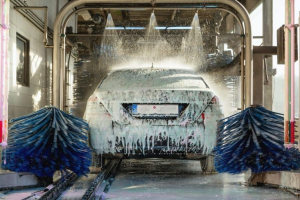
Hand Car Wash

The Pros and Cons of a Hand Car Wash Vs. Touchless Car Wash

It's always a good idea to get a car wash when your car looks like it needs some tender love and care. You might be trying to decide between a nice hand-washed car wash or a touchless car wash or maybe you're unsure of the difference between the two. Here at Toyota of Clermont, our experts will help you decide which one is the best option for you! Hand Car Wash What are hand wash car washes? These are the car washes where you pull out the microfiber cloth, your car cleaning products, and a hose to clean even the tiny crevices of your Clermont Toyota. A hand car wash is a great option if you’re looking to get a thorough and deep clean of your car. This is an excellent option if you have the time and want to spend a little more on a thorough wash. However, if you’re in a time crunch this is most likely not your best option. The Pros of a hand car wash: They get you into tiny crevices of your Clermont Toyota Will leave your Clermont Toyota with a thorough clean It can be cheaper if you have the products and tools at home for a DIY hand car wash The Cons of a hand car wash: It can be expensive if you leave it up to the professionals to give it a hand car wash clean. However, it will leave your Clermont Toyota looking fresher than ever If not correctly done, it could leave your car with paint damage (since not every product and technique is compatible with your car) Touchless Car wash What is a touchless car wash? A touchless car wash is any car wash you drive up to, park your Clermont Toyota into neutral, and cruise while your car is cleaned with soap and automated car brushes. If it’s one of those days where you need to get a car wash and only fifteen extra minutes to get it done, a hands-free car wash is a great option (or maybe even your only option). You don’t have to worry about cleaning up the mess yourself, and it’s relatively inexpensive. However, if you’re looking for a deep clean of your Clermont Toyota car, don’t expect it from this one! The Pros of a touchless car wash: It’s convenient if you’re in a rush, you can drive through a car wash and be good as new on the way out It’s easier on your Clermont Toyota’s car paint It’s an inexpensive option The Cons of a touchless car wash: It may leave you unsatisfied with your car wash It can leave water spots on your car since the air dryers don’t always eliminate them Have questions about car washes from our auto service experts? Visit Toyota of Clermont. We’re here to help you with any questions you may have. Give us a call at (352)404-7000. We’re located at 16851 State Road 50 and open seven days a week!

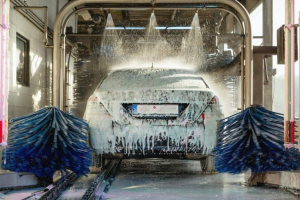
Hand Car Wash

The Pros and Cons of a Hand Car Wash Vs. Touchless Car Wash

It's always a good idea to get a car wash when your car looks like it needs some tender love and care. You might be trying to decide between a nice hand-washed car wash or a touchless car wash or maybe you're unsure of the difference between the two. Here at Toyota of Clermont, our experts will help you decide which one is the best option for you! Hand Car Wash What are hand wash car washes? These are the car washes where you pull out the microfiber cloth, your car cleaning products, and a hose to clean even the tiny crevices of your Clermont Toyota. A hand car wash is a great option if you’re looking to get a thorough and deep clean of your car. This is an excellent option if you have the time and want to spend a little more on a thorough wash. However, if you’re in a time crunch this is most likely not your best option. The Pros of a hand car wash: They get you into tiny crevices of your Clermont Toyota Will leave your Clermont Toyota with a thorough clean It can be cheaper if you have the products and tools at home for a DIY hand car wash The Cons of a hand car wash: It can be expensive if you leave it up to the professionals to give it a hand car wash clean. However, it will leave your Clermont Toyota looking fresher than ever If not correctly done, it could leave your car with paint damage (since not every product and technique is compatible with your car) Touchless Car wash What is a touchless car wash? A touchless car wash is any car wash you drive up to, park your Clermont Toyota into neutral, and cruise while your car is cleaned with soap and automated car brushes. If it’s one of those days where you need to get a car wash and only fifteen extra minutes to get it done, a hands-free car wash is a great option (or maybe even your only option). You don’t have to worry about cleaning up the mess yourself, and it’s relatively inexpensive. However, if you’re looking for a deep clean of your Clermont Toyota car, don’t expect it from this one! The Pros of a touchless car wash: It’s convenient if you’re in a rush, you can drive through a car wash and be good as new on the way out It’s easier on your Clermont Toyota’s car paint It’s an inexpensive option The Cons of a touchless car wash: It may leave you unsatisfied with your car wash It can leave water spots on your car since the air dryers don’t always eliminate them Have questions about car washes from our auto service experts? Visit Toyota of Clermont. We’re here to help you with any questions you may have. Give us a call at (352)404-7000. We’re located at 16851 State Road 50 and open seven days a week!

Contact Us

Fill out this form below and we'll contact you shortly
*Required Fields